News
Dubai’s aradus Wants AI To Run The Back Office Of Physical Trade
The startup says it already automates over 90% of orders and inquiries for MENA manufacturers, leaving humans with only the decisions that matter.

While much of the market is still piloting AI chatbots, a Dubai-based startup called aradus says it is way past that stage. Launched in May 2026, the platform deploys AI agents to handle the operational grind of manufacturers, distributors and importers – the businesses that make and move physical goods rather than software.
The aradus pitch is based around a familiar problem: A distributor’s working day is spread across an ERP, email threads, WhatsApp groups and spreadsheets. Orders arrive in one place, shipping documents in another, and someone has to find the information, re-enter it and chase whatever is missing.
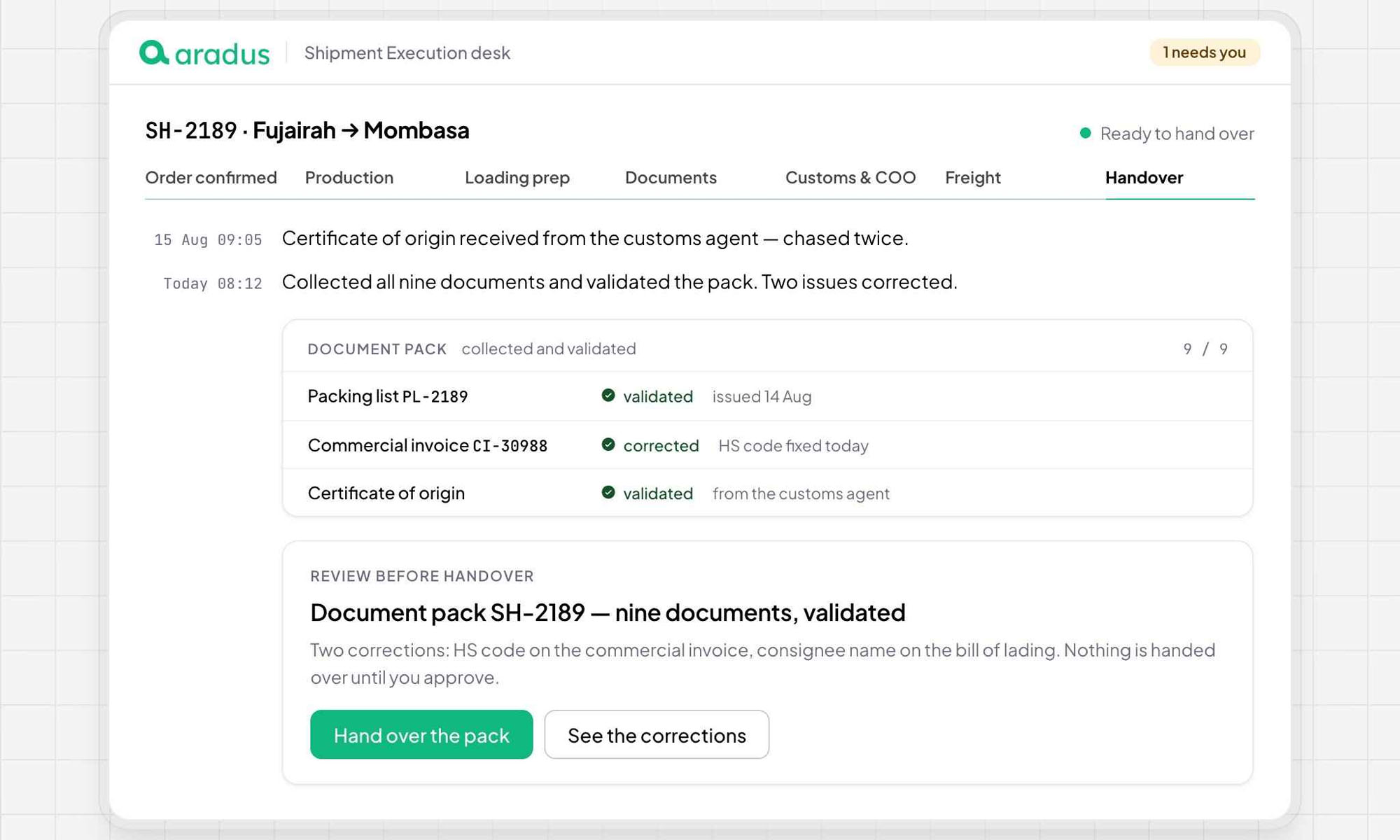

aradus sits on top of those existing systems, whether ERP, TMS or WMS, rather than replacing them. Its agents read and validate incoming documents, manage purchase orders and inventory, track shipments, follow up on missing paperwork, draft routine messages, flag discrepancies and keep records current. When a decision needs a human, the platform routes it to a Command Center with the relevant context and a recommended action already attached. The person approves; the system executes.
Across live customer workflows in the MENA region, aradus says it has automated more than 90% of customer orders and inbound inquiries. Shipment tracking alone, it estimates, avoids USD 100 to 200 in demurrage charges per container – a cost familiar to anyone importing by sea.
Also Read: Qatar Is Getting Its First EV Plant, Built To Cope With Gulf Heat
“Manufacturers and distributors across different sectors deal with thousands of operational tasks to keep the goods moving every day. We built aradus to take the burden off their teams by providing an AI workforce that can execute routine operational tasks across the systems they already rely on daily,” says Karam El Assaad, Co-Founder and CEO of aradus.
Target sectors for aradus include pharma and medical, food and beverage, cosmetics and personal care, electronics, plastics and packaging, auto parts and industrial. The company’s bet is that with humans doing final approvals, its machines can handle everything else.