
News
1Password Confirms Backend Breach, But Says Vaults Were Not Accessed
An attacker copied account metadata through a compromised GitHub account, but the bigger risk for users now is phishing.

1Password has confirmed that an attacker broke into its backend systems and “copied a limited amount of customer account information” belonging to a subset of customers. The company has not said how many users were affected, and the figure has not been independently corroborated.
Internal security teams first suspected a problem on November 19, when they began investigating “indications that an attacker gained access to an employee’s corporate GitHub account,” according to a 1Password spokesperson. The intruder appears to have used that foothold to reach source code and push malicious code to backend services, in order to download administrative data about customers.
The attacker also reached the company’s continuous integration and continuous delivery (CI/CD) system, which automates how software is built, tested and released. “CI/CD contains infrastructure-related secrets in order for our product to work,” 1Password said, adding that there was “no impact to 1Password’s services, availability, or product security”. The company has triggered a rotation of all credentials that could have been exposed.
The accessed data includes names and email addresses used to sign in, account and user identifiers, account creation and last sign-in times, and public keys. It also covers Secure Remote Password protocol parameters, tokens in certain emailed links for invitations, provisioning and account recovery, and other non-secret account metadata tied to 1Password’s internal architecture. Public keys have no negative impact on user security, and the protocol parameters cannot be used to access an account or vault.
Also Read: Ziina Wants To End The Awkward Group Chat Over Who Owes What
Vaults and their contents were not accessed, as far as is known. “Your vault secrets are encrypted with keys that only you hold,” 1Password said, “so we can’t access them, and they cannot be retrieved from our systems”. The company also does not store account passwords or Secret Keys, its apps and browser extensions were not impacted, and account recovery keys were not accessed.
On that basis, 1Password’s guidance is that users need to do nothing about their vaults or passwords. The practical danger lies elsewhere. A list of real customer names and email addresses is useful raw material for phishing, and fear of the breach makes a convincing hook. 1Password urged customers to “be cautious about phishing attempts in the form of unexpected emails, texts or calls that mention 1Password, invitations, or account recovery attempts.”
The company will never ask for an account password or Secret Key by email, text or phone. Those should be entered only in the official app or website, and even then “only when you’ve opened the app or typed the address yourself”.




News
Careem’s New Family Circle Lets A Household Share One Account
Account owners can set allowances, keep cards private, and track rides, but Careem hasn’t detailed age limits or what happens when allowances run out.

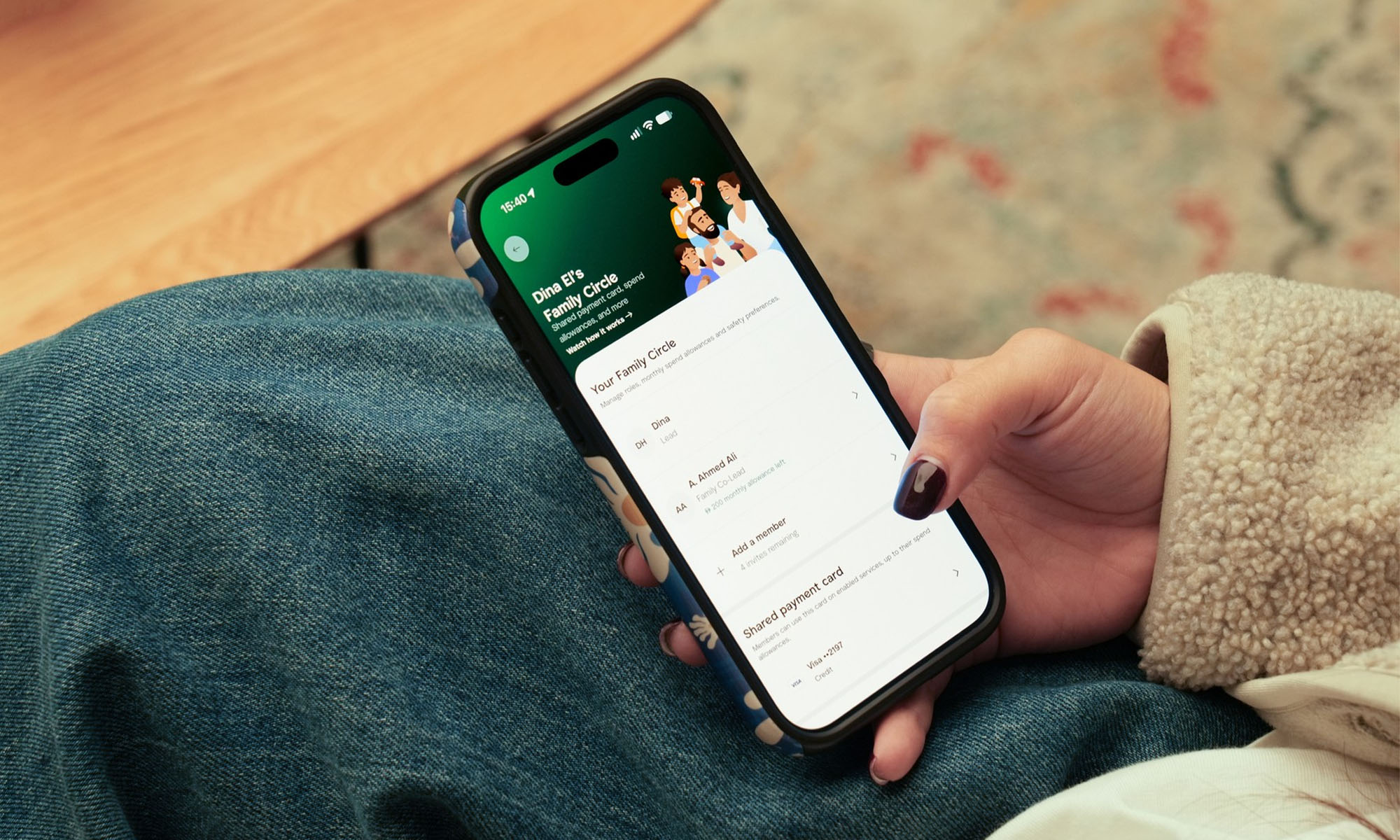
Coinciding with the UAE’s Year of Family, Careem, the Dubai-based super app, has launched a new feature it calls Family Circle. The update allows Dubai and Abu Dhabi households to share a single account.
The company says families currently cope by sharing bank cards, passing passwords and one-time passwords (OTPs) over WhatsApp, or keeping cash on hand for errands. These workarounds, it argues, make spending harder to manage and payment details harder to protect.
Here’s how it works: A family “Lead” links one payment card and invites up to 5 people by phone number. Each person gets a role (Lead, Co-lead, Member or Guest) and a monthly allowance of AED 100, 200 or 300, a custom amount, or unlimited. The Lead switches on rides, food or Careem Quik groceries for each member and turns the rest off. Members pay without seeing card details or needing OTPs. Leads and Co-leads can follow members’ rides in real time, door to door, and a single spend log shows household activity across all three services.
Also Read: Abu Dhabi Is Making Its Rulebook Readable To AI, With OpenAI
Careem links the allowances to Dubai’s move towards a cashless economy, where more than 90% of transactions are now cashless, according to Dubai Finance.
“Families across the UAE move, eat and shop together, yet apps were built for one adult at a time. Family Circle gives the whole household one account, so parents spend less time on logistics and get more peace of mind. And it’s completely free,” said Magnus Olsson, Co-founder and Chief AI Officer at Careem.
The announcement doesn’t mention whether teenage members face a minimum age, what happens when an allowance is exhausted, or when the feature might reach other emirates.

Careem’s New Family Circle Lets A Household Share One Account

1Password Confirms Backend Breach, But Says Vaults Were Not Accessed

WHOOP Opens Its First Flagship Store And International Lab In Doha

NVIDIA Brings Jensen Huang Back As CEO Just 11 Days After Exit

Leaked Lens Protectors Hint At Samsung’s Galaxy S27 Camera Split

Abu Dhabi Is Making Its Rulebook Readable To AI, With OpenAI

Binance Reportedly Loses $6.3 Billion In Record Crypto Heist

Whish Money Opens A Montreal Flagship To Enter The Canadian Market

Robinhood Receives Approval To Launch In The Middle East

ESET Bets On Specialized Security AI At 0.5% The Training Cost


-
 News3 weeks ago
Whish Money Opens A Montreal Flagship To Enter The Canadian Market
-
 News3 weeks ago
ESET Bets On Specialized Security AI At 0.5% The Training Cost
-

 News2 weeks ago
Dubai Residential Lets Tenants Break Up First Rent Installment
-

 News2 weeks ago
alkalma And BeehiveX Team Up To Turn Health Awareness Into Action