
Web3
The Top 3 Altcoins To Keep An Eye On In 2021
If you’re a crypto enthusiast looking to diversify your portfolio, then these are the top 3 altcoins you should keep an eye on in 2021.

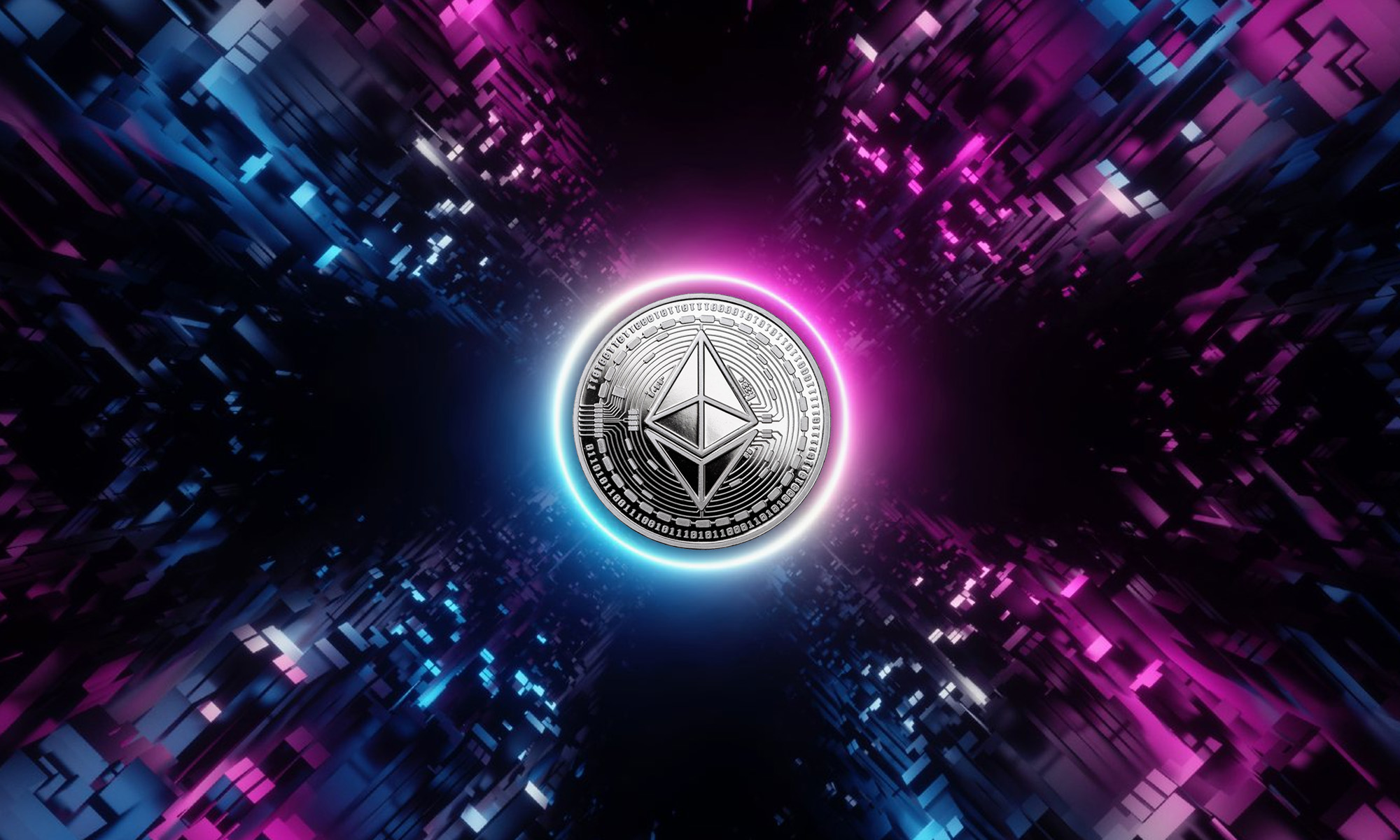
When most people think of cryptocurrency, they automatically think of Bitcoin. Bitcoin has seen a huge surge in popularity over the last five-or-so years, and although the market is now flooded with spinoff coins in hundreds of flavors, many newcomers to cryptocurrency still have no idea that other options exist. In this article, we’re discussing the top 3 altcoins we believe you should keep an eye on this year.
What Are Altcoins?
An “Altcoin” is simply a cryptocurrency that isn’t Bitcoin. All altcoins share common characteristics, and operate in broadly the same way as Bitcoin, but under the hood, they may use a different mechanism to conduct transactions.
Some altcoins are used purely for mining, whereas others are intended to be used as security or utility tokens. Ethereum and Binance Coin are probably the best know Bitcoin alternatives, but as of 2021, there are over 9,000 different cryptocurrencies in existence, and that number will undoubtedly rise in the future.
Should You Invest In Altcoins?
Some altcoins are more stable and mature than others, Ethereum being a prime example. With that being said, you only have to take a look at a recent Bitcoin price chart to see that even the most mature of cryptocurrencies can still be very volatile in nature.
Investing in altcoins then, is something of a gamble. Many of the Bitcoin alternatives are attractive to investors because they’re currently extremely cheap, and have the potential for huge growth. That means it’s relatively easy to build a broad portfolio of coins for relatively little outlay. It’s also perfectly possible to make a very good return if you choose wisely.
Here are some of our top altcoin picks for 2021:
Disclaimer: Any recommendations we give in this article are purely based on our own opinions. We’re certainly not giving you financial advice. Always do your own independent research before investing in cryptocurrency of any kind.
Our 1st Pick: Cardano (ADA)
Out of our “top 3 altcoins”, Cardano is perhaps the most interesting. So-called “meme coins” like Doge are getting a lot of celebrity hype right now, which means that genuinely innovative altcoins like Cardano aren’t always given the attention they deserve. That’s a shame, because Cardano is based around a genuinely useful (and ethical) set of features that could eventually see it becoming a very wise choice for patient investors.
What Is Cardano?
Cardano’s CEO, and former Ethereum founder Charles Hoskinson, describes the altcoin as:
“A collection of protocols and technology that allows you to transform, store, and manage value, identity, and governance.”
Hoskinson has focused his efforts on creating a technology that can help people in the Third World to create verifiable records and better access to bank accounts and loans, as well as a means of storing academic credentials that are recognized worldwide.
In addition to it’s ethical underpinnings, Cardano uses the “Proof of Stake” model to mine new blocks and verify transactions. This means that only a fraction of Cardano holders can mine on the network, which greatly reduces the overall carbon footprint of the blockchain, as it puts restrictions on the number of computers that can mine new coins.
Bitcoin on the other hand, uses a “Proof of Work” model. This puts zero restrictions on mining, meaning that wealthy companies not only have an unfair advantage in the amount of processing power they can bring to mining operations, but there is no ceiling on the amount of energy that can be thrown at mining.
Should You Invest In Cardano?
Obviously all altcoins are volatile in nature, so we can’t be certain that you’ll hit the big time by investing in Cardano. With that being said, the team behind this cryptocurrency has some great experience and credentials, and they’ve already proven the technology as viable. Cardano is also set to launch smart contracts within the next couple of months which experts in the field claim will skyrocket the price.
Think of this one as a slow burner, and not your typical “meme coin”, and you could see healthy returns in the longer term.
2nd Pick: Polkadot (DOT)
Founded by Gavin Wood (another Ethereum co-founder) back in 2016, Polkadot launched in 2020. To date, the cryptocurrency has raised over $200 million from investors and although its growth has been volatile, it’s seen some promising gains in 2021.
What Is Polkadot?
Polkadot is essentially a software that allows users to launch and operate their own blockchains. It features a main network (the so-called Relay Chain) for permanent transactions, as well as user created networks, known as Parachains, that can be customized for any number of uses.
The purpose of Polkadot’s design is to create an ecosystem that allows users to conduct more secure transactions with greater privacy, using blockchains that don’t disclose user data onto the public network itself.
So This Is Basically Like Ethereum?
Since the major Ethereum update known as Ethereum 2.0, it does share many similarities with Polkadot in operation and developers can even use Polkadot’s developer framework to simulate the Ethereum blockchain for use in custom blockchain designs.
Should You Invest In Polkadot?
Polkadot’s value grew rapidly in February 2021, with a huge price hike of 350% from the start of the year. Like many altcoins, there’s been a degree of volatility in Polkadot’s market price, but many experts are bullish about the future value of this coin, with some forecasters suggesting it could break the $100 mark by the end of 2021.
3rd Pick: Shiba Inu (SHIB)
Shiba Inu Coin is a cryptocurrency featuring the same dog mascot made famous by Elon Musk’s favorite altcoin, Dogecoin.
Dogecoin was conceived as a Bitcoin parody way back in 2013, and Shiba Inu Coin takes the absurdity to the next level, using the breed name of the Japanese dog mascot of Dogecoin to create a “a meta parody”.
Although clearly created as something of a joke, Ryoshi, the founder of Shiba Inu, envisaged the coin as a fun experiment to build a token using a 100% decentralized community, and despite clearly being a meme-coin, it does show promise for future investors:
Shiba Inu – Made For Investors
Shiba Inu was created in such a way as to provide its investors with greater investment potential from its inception. The Shiba Inu team created an ERC-20 token that was priced low enough that anyone could own millions of tokens whilst they were still relatively undervalued.
Another decision made by the Shiba Inu team was to hand over half of the pool of coins available at launch to Vitalik Buterin, a co-founder of Ethereum. The team hoped that “burning” a large amount of the currency would prevent the coins being bought up by a few big investors, which could have impacted its future use as genuinely useful coin.
As it turns out, Vitalik Buterin has now given away 10% of his entire portfolio of Shiba Inu to a COVID-19 relief fund in India, and burned the remaining 90% sending prices tumbling after their huge initial surge in early May 2021.
Should You Invest In Shiba Inu Coin?
The market for novelty “meme coins” is huge at the moment. Investors are constantly looking for the next big thing, and Shiba Inu still has decent growth potential, despite the loses suffered b Buterin’s huge coin dump. For that reason, and because it’s so closely tied to the fortunes of Dogecoin, we’d say that Shiba Inu still has a lot of potential left for the rest of 2021.
Summing Up
There are hundreds of promising altcoins making strong gains in 2021, and these are simply the top 3 altcoins we believe will see significant price rises towards the end of the year. It’s important that you go into the world of altcoins with your eyes open, and don’t make any rash investing decisions that you’ll later regret. However, for those of you that keep a level head and invest wisely, you could see some amazing returns from your portfolio!





Web3
2026 Crypto Trends: Bitcoin, ETFs & The Future Of Payments
From Bitcoin ETF flows to the rise of stablecoin payments, here are the key 2026 crypto trends shaping the future of digital finance.
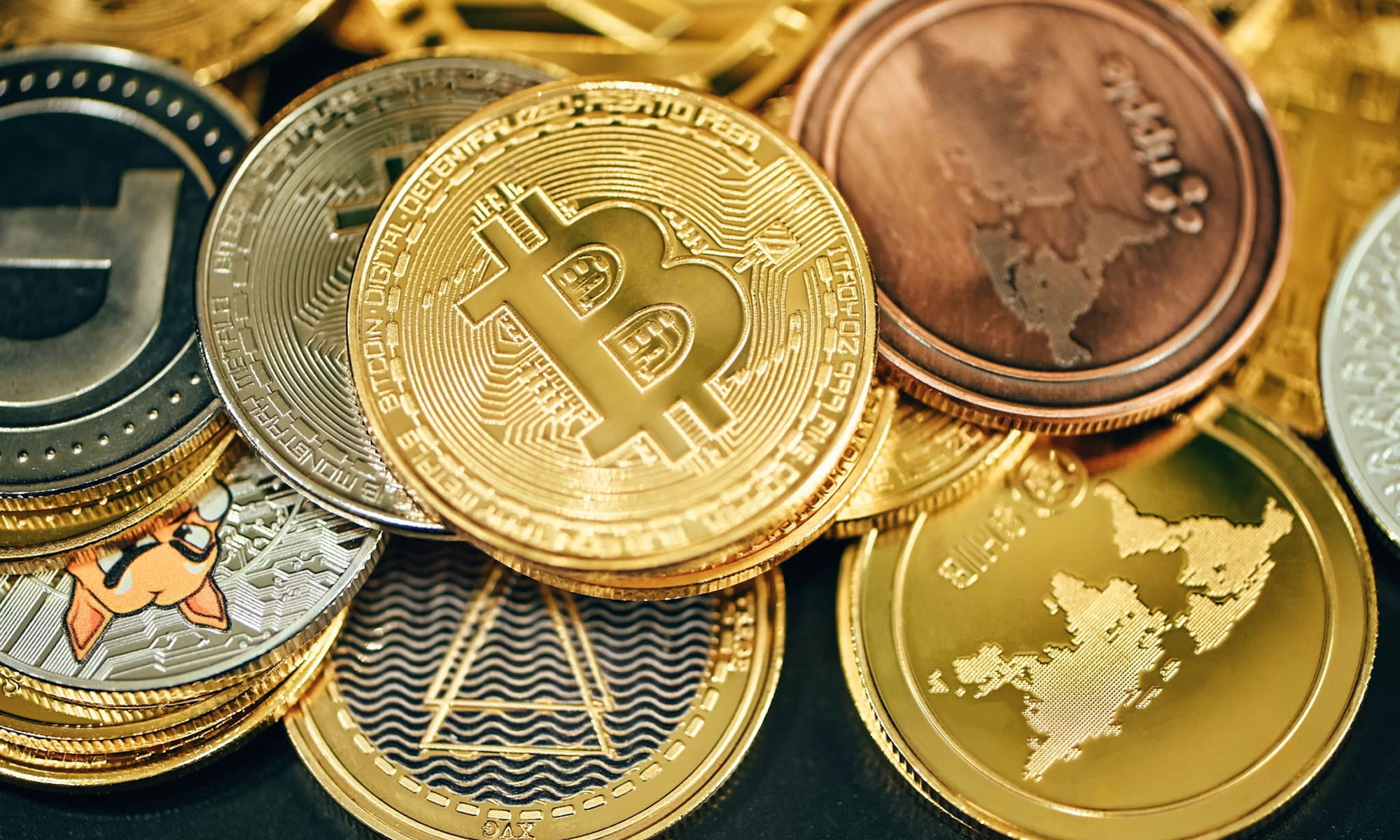
Heading into 2026, crypto doesn’t really move in one clear rhythm anymore, especially the kind that used to be driven by retail cycles or news flow. In Bitcoin, price action is now more tied to ETF-related capital flows and shifting liquidity conditions, with institutional positioning feeding through the market. At the same time, parts of the system are changing function: stablecoins are gradually moving into settlement and payment infrastructure, while speculative activity continues to exist but no longer defines the structure of the market on its own.
Crypto Market Trends In 2026
Bitcoin tends to react less to headlines now and more to ETF-driven flows. Since US spot Bitcoin ETFs launched in January 2024, periods of sustained net inflows have often been followed by continued price strength after a short delay, with the move reflecting fund rebalancing cycles rather than immediate trading pressure.
For example, during strong inflow phases in early 2024, when cumulative ETF inflows across issuers reached multi-billion-dollar levels within a few weeks, price trends kept extending even through intraday volatility. ETF-related flows don’t translate into price immediately, since execution and hedging processes introduce a delay between the initial allocation and visible market impact.
During the 2024-2025 rate swings, Bitcoin often moved in step with U.S. equities during risk-off periods. In several pullbacks, BTC declined alongside the Nasdaq, while on-chain activity stayed relatively steady. That pattern suggests portfolio rebalancing played a larger role than selling pressure originating inside the crypto market.
Institutional Structure And Liquidity
Liquidity is increasingly distributed beyond spot exchanges. Execution is increasingly routed through ETF issuers, custodians, and broker platforms such as Coinbase Institutional and Fidelity Digital Assets. This reduces the impact of single exchange order books and increases sensitivity to aggregated macro flows.
This became more visible during 2025 rate-sensitive phases. Bitcoin declines often coincided with equity drawdowns, but exchange volumes showed fewer sharp spikes compared to retail capitulation phases in 2021-2022. Price action unfolded more gradually, with behavior more consistent with portfolio reallocation than forced liquidation events.
Utility Beyond Trading
Stablecoins are already embedded in real settlement flows. In Latin America, USDT is widely used by freelancers and small exporters for USD payments, largely due to banking delays that can extend 2-5 business days and higher cross-border transfer costs compared to on-chain settlement.
The same pattern appears in Southeast Asia, where stablecoins are used in contractor payments and trade settlement layers.
Entry into Bitcoin is also shifting closer to payment infrastructure. Instead of exchange-first onboarding, users increasingly encounter crypto through fintech apps where fiat conversion is embedded in payment flows. In some cases, users can buy crypto assets with any card as part of the transaction process, without opening a separate exchange account or using a dedicated trading interface.
Bitcoin’s Pricing Drivers In 2026
Bitcoin’s price is influenced by ETF flows, the reduced supply after the 2024 halving, and global liquidity conditions. These forces rarely peak at the same time, so the market tends to move in uneven phases rather than along a steady trend, with periods of ETF-driven momentum followed by slower, liquidity-sensitive consolidation and short supply-driven interruptions from miners.
ETF flows remain the main directional signal in most observed periods. Since the launch of US spot ETFs in 2024, multi-day inflow streaks have often been followed by upward extensions after a short delay, while outflows usually cap momentum rather than causing immediate reversals.
Post-halving miner supply is lower but uneven. Selling pressure clusters around specific conditions:
- Weaker transaction fee periods during low network activity.
- Hash price compression when mining profitability declines.
- Difficulty adjustments that affect marginal operators during profitability stress.
On-chain miner data in 2024-2025 shows these outflows are episodic rather than continuous, which is why supply pressure appears in bursts.
Liquidity conditions determine how these flows translate into price. During looser phases in 2024, ETF inflows were absorbed with limited disruption. In tighter periods during 2025 rate volatility, Bitcoin increasingly moved in sync with equity drawdowns as portfolio risk reduction occurred across markets.
Compared to 2021-2022, recent corrections show less retail-driven volume expansion and fewer liquidation spikes, indicating a shift toward institutional flow mechanics rather than exchange-led stress.
Bitcoin Price Outlook For 2026
Bitcoin’s outlook in 2026 reflects the same structure seen in its drivers, but expressed through different regimes depending on how ETF flows, supply pressure, and liquidity overlap.
Base Case
The dominant structure remains a wide range with directional phases driven by ETF flow cycles. This pattern is visible in 2024-2025 ETF data, where multi-week inflow periods tend to coincide with upward extensions, while pauses in flows lead to consolidation rather than sharp reversals.
Miner supply creates short interruptions, typically aligning with fee weakness or hash price compression observed in 2024-2025.
Upside Case
A stronger outcome depends on sustained ETF inflows combined with stable macro liquidity conditions similar to early ETF expansion phases in 2024.
In that environment:
- Inflows persist across multiple weeks rather than short bursts.
- Miner distribution is absorbed without visible disruption.
- Drawdowns remain shallow due to faster supply clearance.
Downside Case
The stress scenario is driven by macro liquidity contraction rather than crypto-specific shocks.
During rate-sensitive periods in 2024-2025, Bitcoin showed higher correlation with equity indices in risk-off phases. If liquidity tightens again:
- ETF outflows align with equity and credit de-risking.
- Downside moves accelerate in parallel with traditional risk assets.
- Separation between crypto and macro markets narrows.
Unlike 2021-2022, where retail leverage and exchange liquidations amplified volatility, recent stress phases have been driven more by ETF flows and cross-asset portfolio adjustments.
Across scenarios, Bitcoin’s 2026 behavior is defined by timing gaps between ETF demand, miner supply, and liquidity conditions — with price emerging from how these forces overlap rather than any single catalyst. This dynamic is also why entry timing becomes more dependent on flow regimes than on headline events; research on Bitcoin price behavior in 2026 entry strategies highlights how positioning decisions increasingly follow these structural shifts rather than isolated price signals.
Stablecoins And Payment Rails In 2026
Stablecoins are increasingly used for settlement rather than trading, particularly where banking rails are slow or costly.
In Latin America, USDT is widely used for freelancer and SME payments because cross-border bank transfers often take 2-5 business days and involve intermediary fees. Stablecoins settle within minutes and are usually converted via exchanges or fintech on-ramps, improving USD liquidity access rather than serving as an investment tool. A similar pattern appears in Southeast Asia, including Vietnam and the Philippines, where stablecoins support contractor payments and trade settlements.
Payments Embedded In Onboarding
Crypto access is moving into payment flows instead of separate exchange platforms.
Users increasingly encounter crypto inside fintech apps and neobanks where fiat-to-crypto conversion happens at the payment layer. Card-based purchase flows are one example, where crypto is acquired during a transaction without additional onboarding or switching platforms.
This makes crypto entry a byproduct of payment activity rather than a separate investment step.
Split In Usage
Stablecoins are concentrated in settlement flows where speed and cost matter. Bitcoin remains outside this layer and continues to behave as a macro asset shaped by ETF flows and liquidity conditions.
Usage data increasingly shows this split: stablecoins are concentrated in payment corridors, while Bitcoin activity tracks more closely with ETF-driven cycles and broader market risk sentiment.
Bitcoin’s Pricing Drivers In 2026
Bitcoin’s price structure in 2026 is shaped by ETF flows, post-2024 halving supply, and global liquidity. These forces rarely line up at the same time, so price tends to unfold in phases rather than a steady trend.
ETF flows remain the main short-term signal. Since US spot ETF approval in 2024, price has typically reacted with a delay to sustained inflow or outflow periods. Multi-day inflows tend to support continuation moves, while flow slowdown first appears in momentum before any broader price reversal, reflecting allocation cycles inside ETF structures rather than spot trading.
Miner supply is lower after the 2024 halving, but not smooth. Selling pressure appears in short bursts tied to stress conditions:
- Weaker transaction fee environments.
- Hash price compression and reduced profitability.
- Difficulty adjustments impacting marginal miners.
These episodes show up intermittently in miner flow data, which is why supply pressure is irregular rather than persistent.
Liquidity conditions determine how these flows translate into price. In looser phases, ETF demand absorbs miner distribution and trends extend. In tighter phases, Bitcoin reacts more directly to macro risk-off moves, with ETF outflows and equity de-risking occurring in parallel.
Compared to 2021-2022, recent corrections show fewer retail liquidation spikes and more flow-driven repositioning across institutional channels.
Where The Market Converges In 2026
Bitcoin in 2026 behaves less like a directional asset and more like a sequence of shifting regimes. The same price level can reflect different conditions — accumulation, short-term supply pressure, or liquidity-driven repricing — depending on which flow dominates at that moment.
ETF activity is most informative at the edges of its cycles — when inflows start losing consistency or outflows begin to cluster. Miner supply matters mainly in short bursts and rarely defines direction on its own. Liquidity conditions decide how strongly either of these translates into price movement.
For positioning, the key distinction is not trend versus reversal, but whether the market is in absorption or de-risking. Most mispricing tends to emerge during these transitions rather than in clearly established phases.
Disclaimer: This article is for informational purposes only and does not constitute financial, investment, or trading advice. Cryptocurrency markets are highly volatile, and past performance or observed trends do not guarantee future results. Readers should conduct their own research and consider their individual financial situation before making any decisions related to digital assets.

Abu Dhabi’s Robot Kitchen Is Serving Up Biryani, Not Burgers

Sennheiser’s MOMENTUM 5 Series Bets On Batteries You Can Swap

UAE’s 3-Minute University Registration Runs On Government Data

How Online Ads Became A Delivery System For Zero-Click Spyware

Shokz OpenDots 2 Review: Clip-On Audio Gets A Bass-Heavy Makeover

Dubai Says Its Deepfake Detector Needs Just 7 Seconds Of Video

New Disney+ Streaming App Has Officially Launched In The UAE

NEOPAY Wants To Follow Merchants Across Channels And Borders

RØDE’s Low-Profile Studio Arm Is Designed To Stay Out Of Shot

G42’s Inception42 Wants AI To Show Its Work Before Investors Commit


-
 News3 weeks ago
Dubai Says Its Deepfake Detector Needs Just 7 Seconds Of Video
-
 News2 weeks ago
New Disney+ Streaming App Has Officially Launched In The UAE
-
 News3 weeks ago
NEOPAY Wants To Follow Merchants Across Channels And Borders
-
 News3 weeks ago
RØDE’s Low-Profile Studio Arm Is Designed To Stay Out Of Shot
Baris Dogan
May 26, 2021 at 1:58 PM
Good coins for 2021 with big gains!