
Web3
Bitcoin In Lebanon: Everything You Need To Know
From buying, to trading, to avoiding scams, this guide will take you through everything you need to know about Bitcoin in Lebanon.

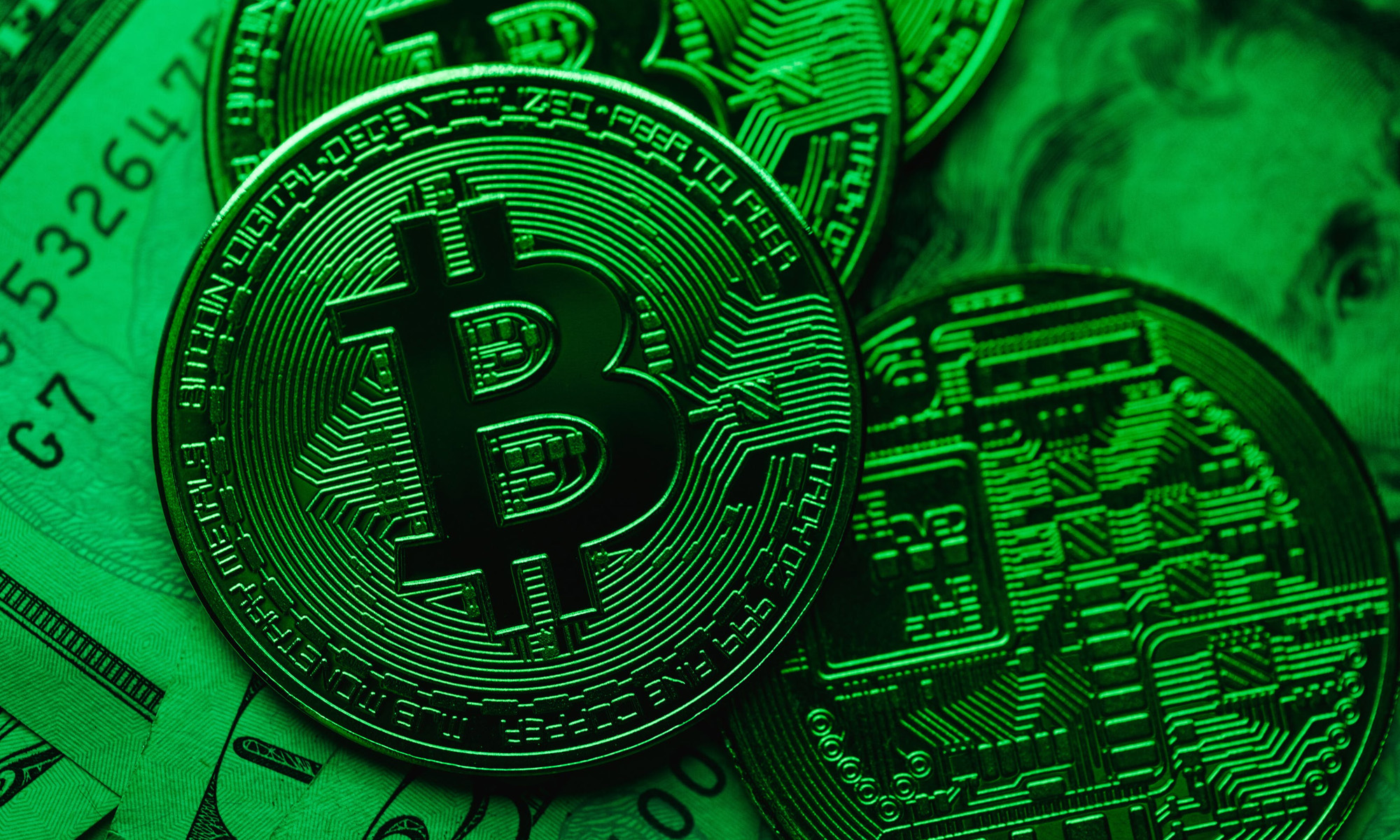
Lebanon is in a deep economic crisis, and the country’s citizens are exploring alternatives to traditional banking that would free them from the strict restrictions imposed by their government. As the world’s largest and oldest cryptocurrency, Bitcoin is an obvious choice, but there are some hurdles to overcome if you would like to purchase it from Lebanon.
What Is Bitcoin?
Bitcoin is a cryptocurrency created by an unknown person called Satoshi Nakamoto in 2008. Since then, its market capitalization has reached an all-time high of more than $1 trillion, which is roughly half the value of all cryptocurrencies combined.
The main aspect that separates Bitcoin from other similar projects is the technology behind it, called Blockchain. Bitcoin’s blockchain is basically a public distributed database of transactions, which are verified by network nodes through cryptography, ensuring their immutability. In other words, once a transaction is recorded, it can’t be retroactively changed.
The process of transaction verification is referred to as mining, and it requires a substantial amount of computing power. Those who participate in it are rewarded with newly created bitcoins and transaction fees. If you would like to understand how Bitcoin actually works under the hood, then we highly recommend you watch the video explanation by 3Blue1Brown.
As a user, you just need to know that Bitcoin is a convenient (albeit volatile) alternative to fiat currency, allowing you to quickly and securely send and receive payments across borders without having to go through any third party.
How To Buy Bitcoin In Lebanon?
Unfortunately, buying Bitcoin in Lebanon is not as easy as buying Bitcoin in most other countries. Due to the United States embargo over Lebanon and the banking restrictions imposed by Lebanese authorities, almost all reputable cryptocurrency exchanges refuse to serve Lebanese customers.
While you could technically create an account on exchanges like Coinbase, Kraken, or Gemini, features such as account verification and fund deposits (as well as crypto purchases) will not work even if you have an international credit card or bank account abroad.
Binance In Lebanon
One of the very few respected exchanges that does offer its services in Lebanon is called Binance.
Binance is an excellent option for buying Bitcoin as well as hundreds of altcoins (including the popular Dogecoin). Creating an account is fairly straightforward. Use your email or Lebanese phone number to sign up, fill in your basic information, and upload your Lebanese passport or ID card to complete the verification process. Once your account has been verified (this process may take a couple of hours), you’ll be able to make your first Bitcoin purchase. It’s important to mention that you will only be able to make purchases using a “fresh” dollar account credit/debit card.
Use this link to create a Binance account and get $100 USD of free credit when you make your first trade.
If cryptocurrency exchanges aren’t your thing, there are at least three alternative options available, so let’s take a closer look at them.
Peer-To-Peer
As we’ve already explained, Bitcoin makes it possible for any two people to trade directly without the involvement of a centralized financial authority. This means that you can simply find someone in Lebanon who already has BTC and purchase some from the person in exchange for cash.
You can find local traders on peer-to-peer Bitcoin marketplaces like:
- LocalBitcoins.com
- HodlHodl.com
Alternatively, you can join a Bitcoin community such as @lbbtcm on Telegram and find someone willing to trade with you that way. Just make sure to verify the person’s trading reputation to avoid getting scammed.
Bitcoin Retailers
If person-to-person trading seems a bit too daunting to you, then you should consider buying BTC from a retailer like Bitcoins Lebanon, BTCLeb, or CryptoLeb. Lebanese Bitcoin retailers typically accept payments in person or via Western Union, and they offer professional customer support to put your worries at ease during the buying process.
Mine Them Yourself
New BTC is issued as a reward to those who verify Bitcoin transactions by solving extremely complex computational math problems in a process called mining. To participate in Bitcoin mining, you actually don’t need any specialized equipment, but don’t expect to earn any significant amount of BTC unless your computer is extremely powerful — the competition these days is simply too steep.
While you can increase your profitability by investing in specialized mining hardware and joining a mining pool, which is basically just a large group of miners who evenly split their rewards, you may not be able to break even unless you have access to free or nearly free electricity.
Tips To Avoid Bitcoin Scams
Money attracts scammers — that’s how it’s always been. The cryptocurrency space is, unfortunately, full of them, so you really need to take some time to learn how to protect yourself. Here are five tips to help you avoid Bitcoin scams:
- Verify, verify, verify: You should never send money to anyone you don’t 100% trust. Remember that screenshots can be faked, email addresses spoofed, and security credentials stolen.
- Don’t put all your eggs in one basket: If this is your first time buying Bitcoin, we recommend you start small and avoid putting all your eggs in just one basket. That way, you won’t lose all your money even if you make a serious mistake and fall for a scam.
- Use two-factor authentication: When trading BTC online, always enable two-factor authentication whenever possible. 2FA is the most effective protection against password-based attacks.
- Never let anyone remotely use your computer: Even if you really could use IT support, we strongly urge you to not let anyone remotely access your computer unless you know the person and fully trust them.
- Buy a hardware wallet: A hardware wallet is a special device that resembles a USB thumb drive. It lets you store your Bitcoin private keys in a secure manner, protecting them against malware and hackers.
Conclusion
Unfortunately, people who live in Lebanon don’t have the same options when it comes to buying Bitcoin as people living in most other countries. But having fewer options to choose from is still better than having no options at all. Peer-to-peer trading, for example, is easy to get into, making it a great choice for those who would like to bet on Bitcoin’s steadily growing (at least in the long-term) price.
If you found this guide helpful, you’ll definitely want to check out our beginner’s guide on how to make money with NFTs (Non-Fungible Tokens).






Web3
2026 Crypto Trends: Bitcoin, ETFs & The Future Of Payments
From Bitcoin ETF flows to the rise of stablecoin payments, here are the key 2026 crypto trends shaping the future of digital finance.
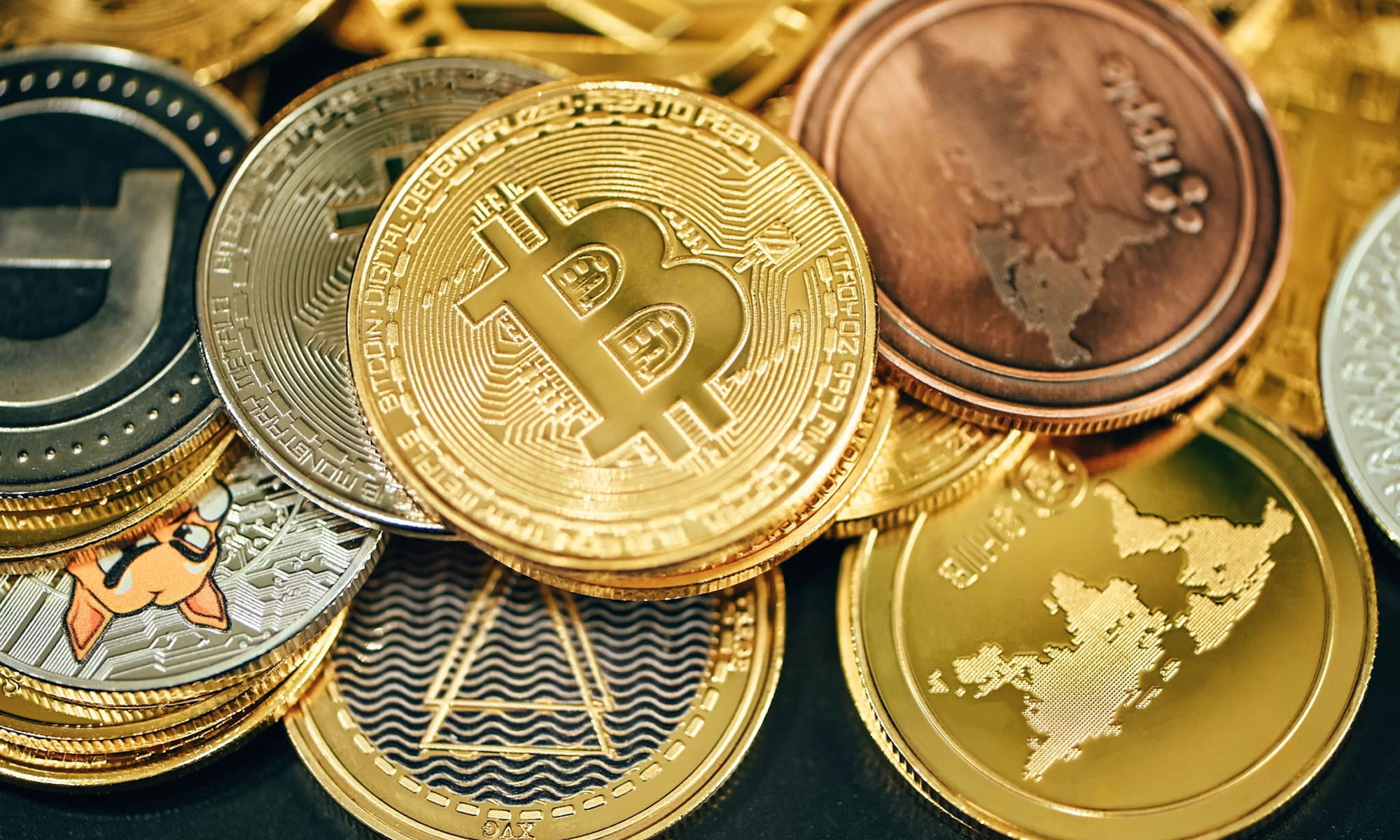
Heading into 2026, crypto doesn’t really move in one clear rhythm anymore, especially the kind that used to be driven by retail cycles or news flow. In Bitcoin, price action is now more tied to ETF-related capital flows and shifting liquidity conditions, with institutional positioning feeding through the market. At the same time, parts of the system are changing function: stablecoins are gradually moving into settlement and payment infrastructure, while speculative activity continues to exist but no longer defines the structure of the market on its own.
Crypto Market Trends In 2026
Bitcoin tends to react less to headlines now and more to ETF-driven flows. Since US spot Bitcoin ETFs launched in January 2024, periods of sustained net inflows have often been followed by continued price strength after a short delay, with the move reflecting fund rebalancing cycles rather than immediate trading pressure.
For example, during strong inflow phases in early 2024, when cumulative ETF inflows across issuers reached multi-billion-dollar levels within a few weeks, price trends kept extending even through intraday volatility. ETF-related flows don’t translate into price immediately, since execution and hedging processes introduce a delay between the initial allocation and visible market impact.
During the 2024-2025 rate swings, Bitcoin often moved in step with U.S. equities during risk-off periods. In several pullbacks, BTC declined alongside the Nasdaq, while on-chain activity stayed relatively steady. That pattern suggests portfolio rebalancing played a larger role than selling pressure originating inside the crypto market.
Institutional Structure And Liquidity
Liquidity is increasingly distributed beyond spot exchanges. Execution is increasingly routed through ETF issuers, custodians, and broker platforms such as Coinbase Institutional and Fidelity Digital Assets. This reduces the impact of single exchange order books and increases sensitivity to aggregated macro flows.
This became more visible during 2025 rate-sensitive phases. Bitcoin declines often coincided with equity drawdowns, but exchange volumes showed fewer sharp spikes compared to retail capitulation phases in 2021-2022. Price action unfolded more gradually, with behavior more consistent with portfolio reallocation than forced liquidation events.
Utility Beyond Trading
Stablecoins are already embedded in real settlement flows. In Latin America, USDT is widely used by freelancers and small exporters for USD payments, largely due to banking delays that can extend 2-5 business days and higher cross-border transfer costs compared to on-chain settlement.
The same pattern appears in Southeast Asia, where stablecoins are used in contractor payments and trade settlement layers.
Entry into Bitcoin is also shifting closer to payment infrastructure. Instead of exchange-first onboarding, users increasingly encounter crypto through fintech apps where fiat conversion is embedded in payment flows. In some cases, users can buy crypto assets with any card as part of the transaction process, without opening a separate exchange account or using a dedicated trading interface.
Bitcoin’s Pricing Drivers In 2026
Bitcoin’s price is influenced by ETF flows, the reduced supply after the 2024 halving, and global liquidity conditions. These forces rarely peak at the same time, so the market tends to move in uneven phases rather than along a steady trend, with periods of ETF-driven momentum followed by slower, liquidity-sensitive consolidation and short supply-driven interruptions from miners.
ETF flows remain the main directional signal in most observed periods. Since the launch of US spot ETFs in 2024, multi-day inflow streaks have often been followed by upward extensions after a short delay, while outflows usually cap momentum rather than causing immediate reversals.
Post-halving miner supply is lower but uneven. Selling pressure clusters around specific conditions:
- Weaker transaction fee periods during low network activity.
- Hash price compression when mining profitability declines.
- Difficulty adjustments that affect marginal operators during profitability stress.
On-chain miner data in 2024-2025 shows these outflows are episodic rather than continuous, which is why supply pressure appears in bursts.
Liquidity conditions determine how these flows translate into price. During looser phases in 2024, ETF inflows were absorbed with limited disruption. In tighter periods during 2025 rate volatility, Bitcoin increasingly moved in sync with equity drawdowns as portfolio risk reduction occurred across markets.
Compared to 2021-2022, recent corrections show less retail-driven volume expansion and fewer liquidation spikes, indicating a shift toward institutional flow mechanics rather than exchange-led stress.
Bitcoin Price Outlook For 2026
Bitcoin’s outlook in 2026 reflects the same structure seen in its drivers, but expressed through different regimes depending on how ETF flows, supply pressure, and liquidity overlap.
Base Case
The dominant structure remains a wide range with directional phases driven by ETF flow cycles. This pattern is visible in 2024-2025 ETF data, where multi-week inflow periods tend to coincide with upward extensions, while pauses in flows lead to consolidation rather than sharp reversals.
Miner supply creates short interruptions, typically aligning with fee weakness or hash price compression observed in 2024-2025.
Upside Case
A stronger outcome depends on sustained ETF inflows combined with stable macro liquidity conditions similar to early ETF expansion phases in 2024.
In that environment:
- Inflows persist across multiple weeks rather than short bursts.
- Miner distribution is absorbed without visible disruption.
- Drawdowns remain shallow due to faster supply clearance.
Downside Case
The stress scenario is driven by macro liquidity contraction rather than crypto-specific shocks.
During rate-sensitive periods in 2024-2025, Bitcoin showed higher correlation with equity indices in risk-off phases. If liquidity tightens again:
- ETF outflows align with equity and credit de-risking.
- Downside moves accelerate in parallel with traditional risk assets.
- Separation between crypto and macro markets narrows.
Unlike 2021-2022, where retail leverage and exchange liquidations amplified volatility, recent stress phases have been driven more by ETF flows and cross-asset portfolio adjustments.
Across scenarios, Bitcoin’s 2026 behavior is defined by timing gaps between ETF demand, miner supply, and liquidity conditions — with price emerging from how these forces overlap rather than any single catalyst. This dynamic is also why entry timing becomes more dependent on flow regimes than on headline events; research on Bitcoin price behavior in 2026 entry strategies highlights how positioning decisions increasingly follow these structural shifts rather than isolated price signals.
Stablecoins And Payment Rails In 2026
Stablecoins are increasingly used for settlement rather than trading, particularly where banking rails are slow or costly.
In Latin America, USDT is widely used for freelancer and SME payments because cross-border bank transfers often take 2-5 business days and involve intermediary fees. Stablecoins settle within minutes and are usually converted via exchanges or fintech on-ramps, improving USD liquidity access rather than serving as an investment tool. A similar pattern appears in Southeast Asia, including Vietnam and the Philippines, where stablecoins support contractor payments and trade settlements.
Payments Embedded In Onboarding
Crypto access is moving into payment flows instead of separate exchange platforms.
Users increasingly encounter crypto inside fintech apps and neobanks where fiat-to-crypto conversion happens at the payment layer. Card-based purchase flows are one example, where crypto is acquired during a transaction without additional onboarding or switching platforms.
This makes crypto entry a byproduct of payment activity rather than a separate investment step.
Split In Usage
Stablecoins are concentrated in settlement flows where speed and cost matter. Bitcoin remains outside this layer and continues to behave as a macro asset shaped by ETF flows and liquidity conditions.
Usage data increasingly shows this split: stablecoins are concentrated in payment corridors, while Bitcoin activity tracks more closely with ETF-driven cycles and broader market risk sentiment.
Bitcoin’s Pricing Drivers In 2026
Bitcoin’s price structure in 2026 is shaped by ETF flows, post-2024 halving supply, and global liquidity. These forces rarely line up at the same time, so price tends to unfold in phases rather than a steady trend.
ETF flows remain the main short-term signal. Since US spot ETF approval in 2024, price has typically reacted with a delay to sustained inflow or outflow periods. Multi-day inflows tend to support continuation moves, while flow slowdown first appears in momentum before any broader price reversal, reflecting allocation cycles inside ETF structures rather than spot trading.
Miner supply is lower after the 2024 halving, but not smooth. Selling pressure appears in short bursts tied to stress conditions:
- Weaker transaction fee environments.
- Hash price compression and reduced profitability.
- Difficulty adjustments impacting marginal miners.
These episodes show up intermittently in miner flow data, which is why supply pressure is irregular rather than persistent.
Liquidity conditions determine how these flows translate into price. In looser phases, ETF demand absorbs miner distribution and trends extend. In tighter phases, Bitcoin reacts more directly to macro risk-off moves, with ETF outflows and equity de-risking occurring in parallel.
Compared to 2021-2022, recent corrections show fewer retail liquidation spikes and more flow-driven repositioning across institutional channels.
Where The Market Converges In 2026
Bitcoin in 2026 behaves less like a directional asset and more like a sequence of shifting regimes. The same price level can reflect different conditions — accumulation, short-term supply pressure, or liquidity-driven repricing — depending on which flow dominates at that moment.
ETF activity is most informative at the edges of its cycles — when inflows start losing consistency or outflows begin to cluster. Miner supply matters mainly in short bursts and rarely defines direction on its own. Liquidity conditions decide how strongly either of these translates into price movement.
For positioning, the key distinction is not trend versus reversal, but whether the market is in absorption or de-risking. Most mispricing tends to emerge during these transitions rather than in clearly established phases.
Disclaimer: This article is for informational purposes only and does not constitute financial, investment, or trading advice. Cryptocurrency markets are highly volatile, and past performance or observed trends do not guarantee future results. Readers should conduct their own research and consider their individual financial situation before making any decisions related to digital assets.

Abu Dhabi’s Robot Kitchen Is Serving Up Biryani, Not Burgers

Sennheiser’s MOMENTUM 5 Series Bets On Batteries You Can Swap

UAE’s 3-Minute University Registration Runs On Government Data

How Online Ads Became A Delivery System For Zero-Click Spyware

Shokz OpenDots 2 Review: Clip-On Audio Gets A Bass-Heavy Makeover

Dubai Says Its Deepfake Detector Needs Just 7 Seconds Of Video

New Disney+ Streaming App Has Officially Launched In The UAE

NEOPAY Wants To Follow Merchants Across Channels And Borders

RØDE’s Low-Profile Studio Arm Is Designed To Stay Out Of Shot

G42’s Inception42 Wants AI To Show Its Work Before Investors Commit


-
 News3 weeks ago
Dubai Says Its Deepfake Detector Needs Just 7 Seconds Of Video
-
 News2 weeks ago
New Disney+ Streaming App Has Officially Launched In The UAE
-
 News3 weeks ago
NEOPAY Wants To Follow Merchants Across Channels And Borders
-
 News3 weeks ago
RØDE’s Low-Profile Studio Arm Is Designed To Stay Out Of Shot