
News
Dubai Says Its Deepfake Detector Needs Just 7 Seconds Of Video
The Dubai Electronic Security Center plans to release SARAAB publicly, letting outside researchers test its accuracy claims for themselves.

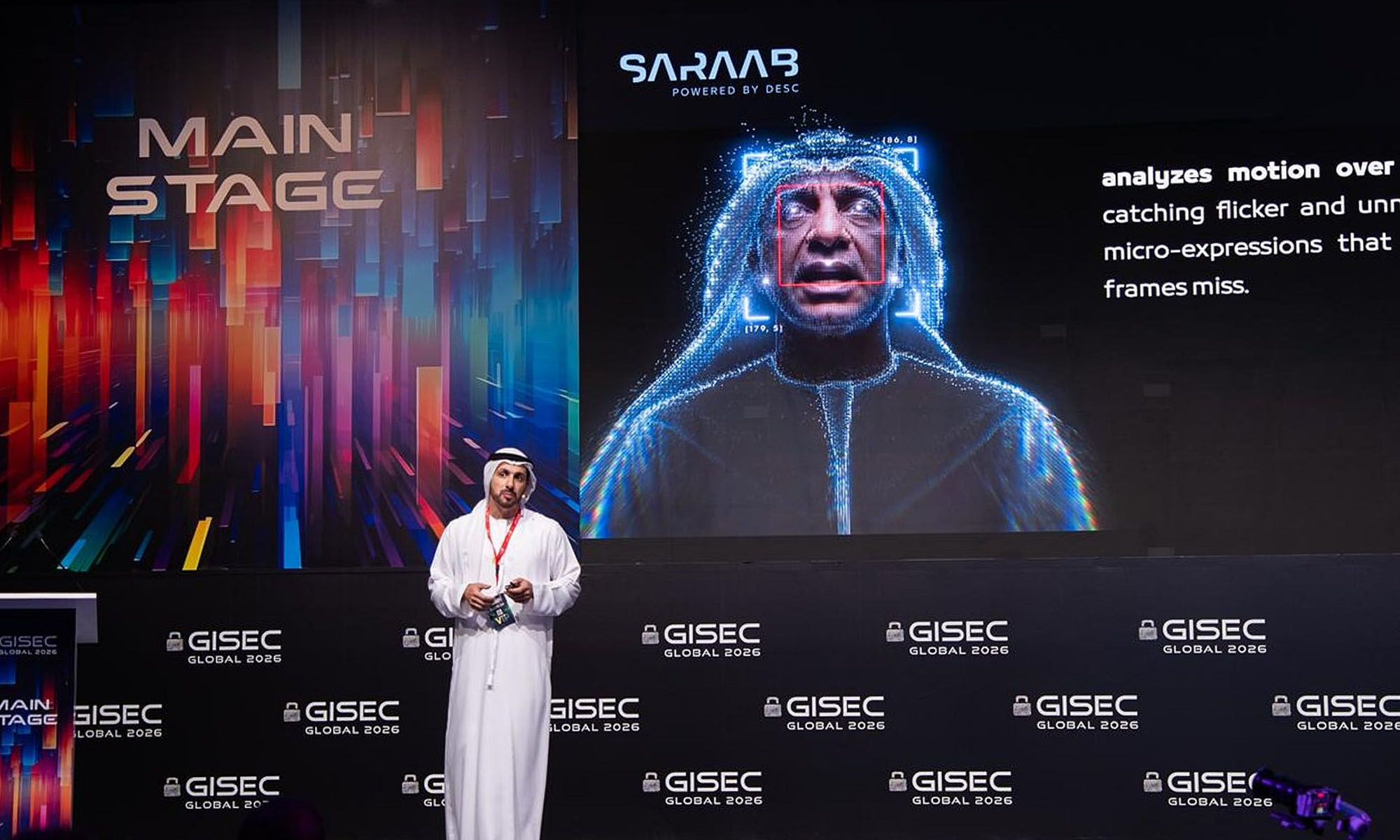
Manipulated video doesn’t have to be long to travel. Short clips spread quickly across social media, and as AI-generated footage becomes more realistic, it is getting harder for users, organizations and platforms to separate the authentic from the fake.
The Dubai Electronic Security Center (DESC) says its new AI model, SARAAB, can detect deepfakes in video clips as short as seven seconds. In the center’s tests, other open-source models generally needed at least 15 seconds of footage to analyze a video effectively.
SARAAB was unveiled on September 16, the opening day of GISEC Global 2026 at the Dubai Exhibition Centre in Expo City Dubai. It was built entirely by an Emirati team at the center, in line with the UAE’s drive to develop homegrown cybersecurity capabilities.
DESC’s headline figure is up to 91 percent accuracy in detecting deepfakes. The model scored 89 percent on data it had never seen during training – which is a closer match for the conditions a detector faces once properly deployed.
Those numbers come from DESC itself, and the center also says SARAAB recorded the highest accuracy of the open-source detection models it evaluated, though the announcement did not name those models or identify the datasets used. Without that information, outsiders have no way to judge how demanding the comparison was.
Also Read: RØDE’s Low-Profile Studio Arm Is Designed To Stay Out Of Shot
That’s where the planned public release comes in: DESC describes SARAAB as the first open-source deepfake detection AI model developed by a government entity in the Arab region, and intends to publish it on both Hugging Face and GitHub. AI engineers, cybersecurity professionals and researchers will then be able to test the model on their own footage and build on it.
On social media, a clip’s length may decide whether a detector can assess it at all. DESC says SARAAB needs just seven seconds of footage. Publishing the model means that claim, like the accuracy figures, will not rest on the center’s word alone.





News
alkalma And BeehiveX Team Up To Turn Health Awareness Into Action
The UAE partnership will test what actually gets people to screen early, seek support and keep up healthier habits.


Awareness is only the first step when it comes to health. The harder part is getting people to act on it, and that’s the problem alkalma and BeehiveX have agreed to examine together.
Leaders from the two organizations signed a Memorandum of Understanding (MoU) at Future Health in Abu Dhabi today. The agreement will explore how health programs can better support participation in screening, earlier support-seeking and healthier behaviors. Work will begin in the UAE, with opportunities elsewhere in the region considered jointly.
For Dr. Omar Najim, Chairman, BeehiveX, the gap is clear: “Awareness alone does not change behavior. Real impact comes from understanding people, removing barriers to action and making healthier choices easier”.
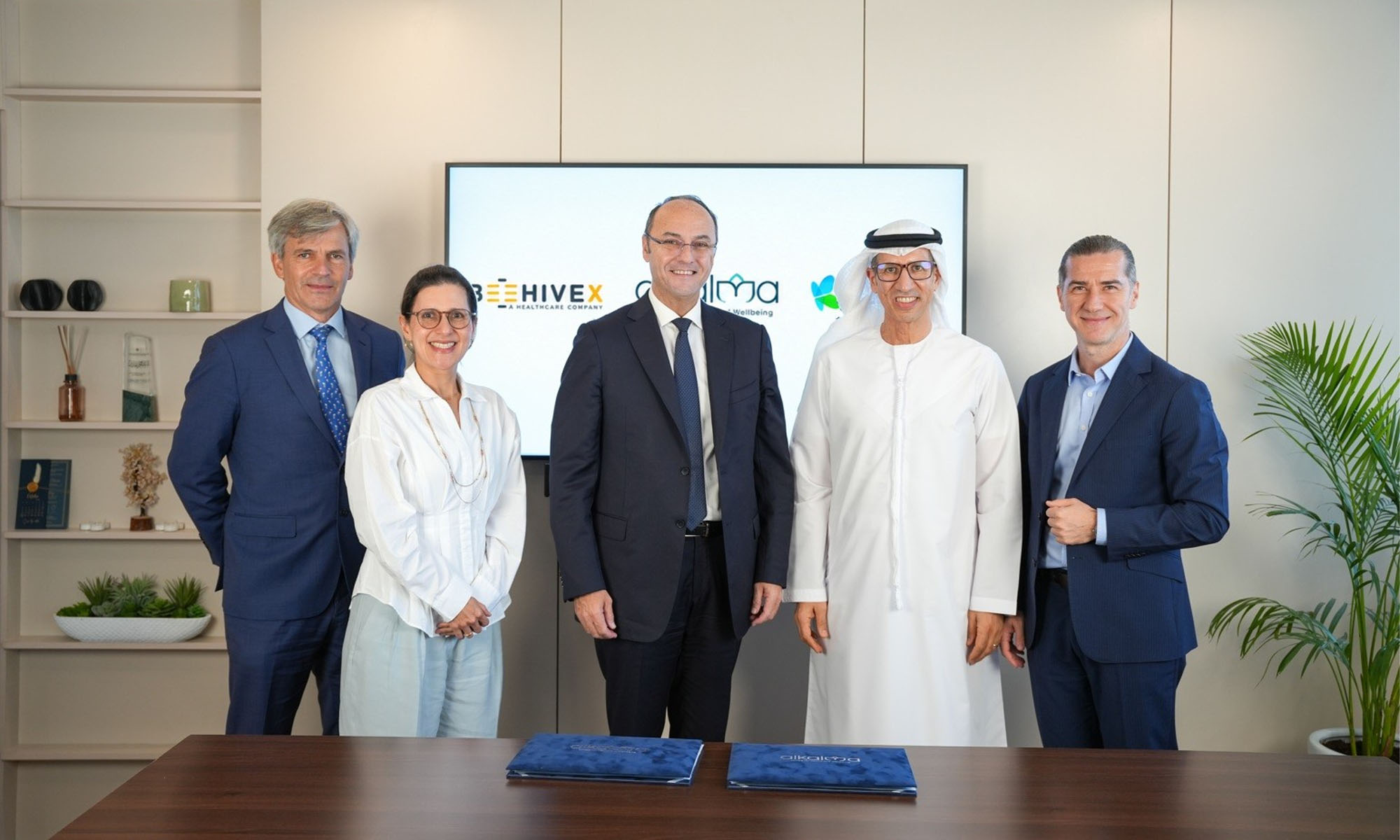
The partners each bring complementary tools. alkalma provides mental health and wellbeing services built on Keralty’s Population Health Management expertise, using it to identify the health needs and risks of different population groups and to run programs focused on prevention, early detection and coordinated care. BeehiveX adds behavioral science, research and communication expertise, studying people’s motivations, the barriers they face and their readiness to change.
The aim is to link how programs are designed with how people actually respond to them. Possible areas of collaboration include community wellbeing initiatives, school and workplace programs, and support for people managing long-term health conditions. The partners will also explore jointly designing, piloting and evaluating behavioral interventions, building evidence on what works and shaping programs that can scale.
Also Read: WHOOP Goes Arabic, Betting On The Gulf’s Appetite For Health Data
Dr. Emilio Herrera, CEO of alkalma and Keralty MENA, said: “A health program needs to do more than identify a risk or explain what someone should do. It also needs to understand their circumstances and help them take the next step”.
In the near future, specific initiatives will be developed and agreed jointly by the two organizations.

alkalma And BeehiveX Team Up To Turn Health Awareness Into Action

Mastercard And LiaPay Bring Earned Wage Access To GCC Workers

Dubai Residential Lets Tenants Break Up First Rent Installment

ESET Bets On Specialized Security AI At 0.5% The Training Cost

Whish Money Opens A Montreal Flagship To Enter The Canadian Market

Checkout.com Reports 20% Higher Payment Acceptance For PRYPCO

Apple Acknowledges iPhone Duo Display Issue After Viral Reports

Dubai Doubles Its AI Campus Target To 1,000 Companies By 2030

Robinhood Receives Approval To Launch In The Middle East

Binance Reportedly Loses $6.3 Billion In Record Crypto Heist


-
 News4 weeks ago
Checkout.com Reports 20% Higher Payment Acceptance For PRYPCO
-
 News3 weeks ago
Apple Acknowledges iPhone Duo Display Issue After Viral Reports
-
 News3 weeks ago
Dubai Doubles Its AI Campus Target To 1,000 Companies By 2030
-
 News3 weeks ago
Robinhood Receives Approval To Launch In The Middle East