
News
Dubai’s aradus Wants AI To Run The Back Office Of Physical Trade
The startup says it already automates over 90% of orders and inquiries for MENA manufacturers, leaving humans with only the decisions that matter.


While much of the market is still piloting AI chatbots, a Dubai-based startup called aradus says it is way past that stage. Launched in May 2026, the platform deploys AI agents to handle the operational grind of manufacturers, distributors and importers – the businesses that make and move physical goods rather than software.
The aradus pitch is based around a familiar problem: A distributor’s working day is spread across an ERP, email threads, WhatsApp groups and spreadsheets. Orders arrive in one place, shipping documents in another, and someone has to find the information, re-enter it and chase whatever is missing.
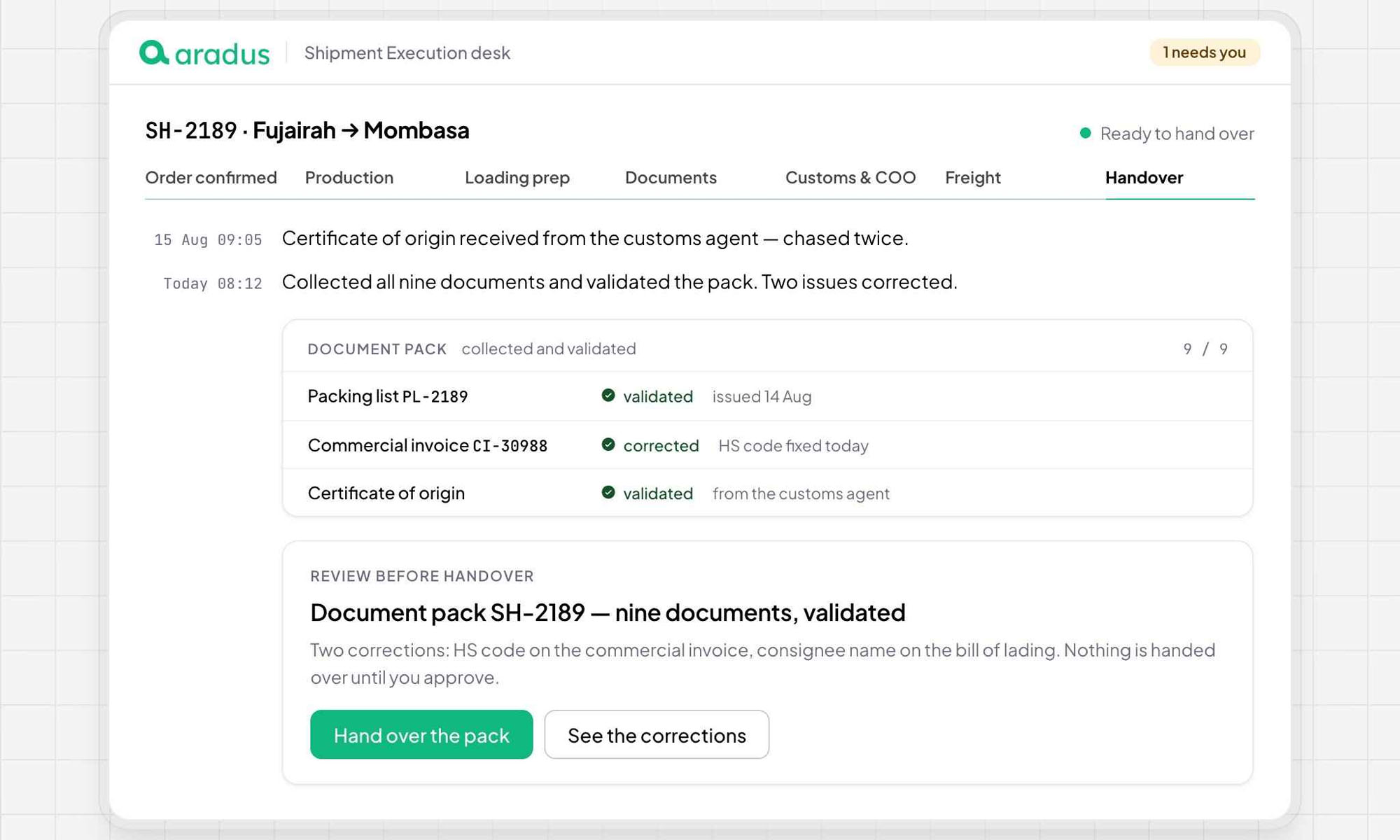
aradus sits on top of those existing systems, whether ERP, TMS or WMS, rather than replacing them. Its agents read and validate incoming documents, manage purchase orders and inventory, track shipments, follow up on missing paperwork, draft routine messages, flag discrepancies and keep records current. When a decision needs a human, the platform routes it to a Command Center with the relevant context and a recommended action already attached. The person approves; the system executes.
Across live customer workflows in the MENA region, aradus says it has automated more than 90% of customer orders and inbound inquiries. Shipment tracking alone, it estimates, avoids USD 100 to 200 in demurrage charges per container – a cost familiar to anyone importing by sea.
Also Read: Qatar Is Getting Its First EV Plant, Built To Cope With Gulf Heat
“Manufacturers and distributors across different sectors deal with thousands of operational tasks to keep the goods moving every day. We built aradus to take the burden off their teams by providing an AI workforce that can execute routine operational tasks across the systems they already rely on daily,” says Karam El Assaad, Co-Founder and CEO of aradus.
Target sectors for aradus include pharma and medical, food and beverage, cosmetics and personal care, electronics, plastics and packaging, auto parts and industrial. The company’s bet is that with humans doing final approvals, its machines can handle everything else.


News
Microsoft Plans $10 Billion-Plus Gulf Expansion Despite Iran Conflict
Security is shaping Microsoft’s approach, from resilience work with governments to what it will say about how the money splits by country.

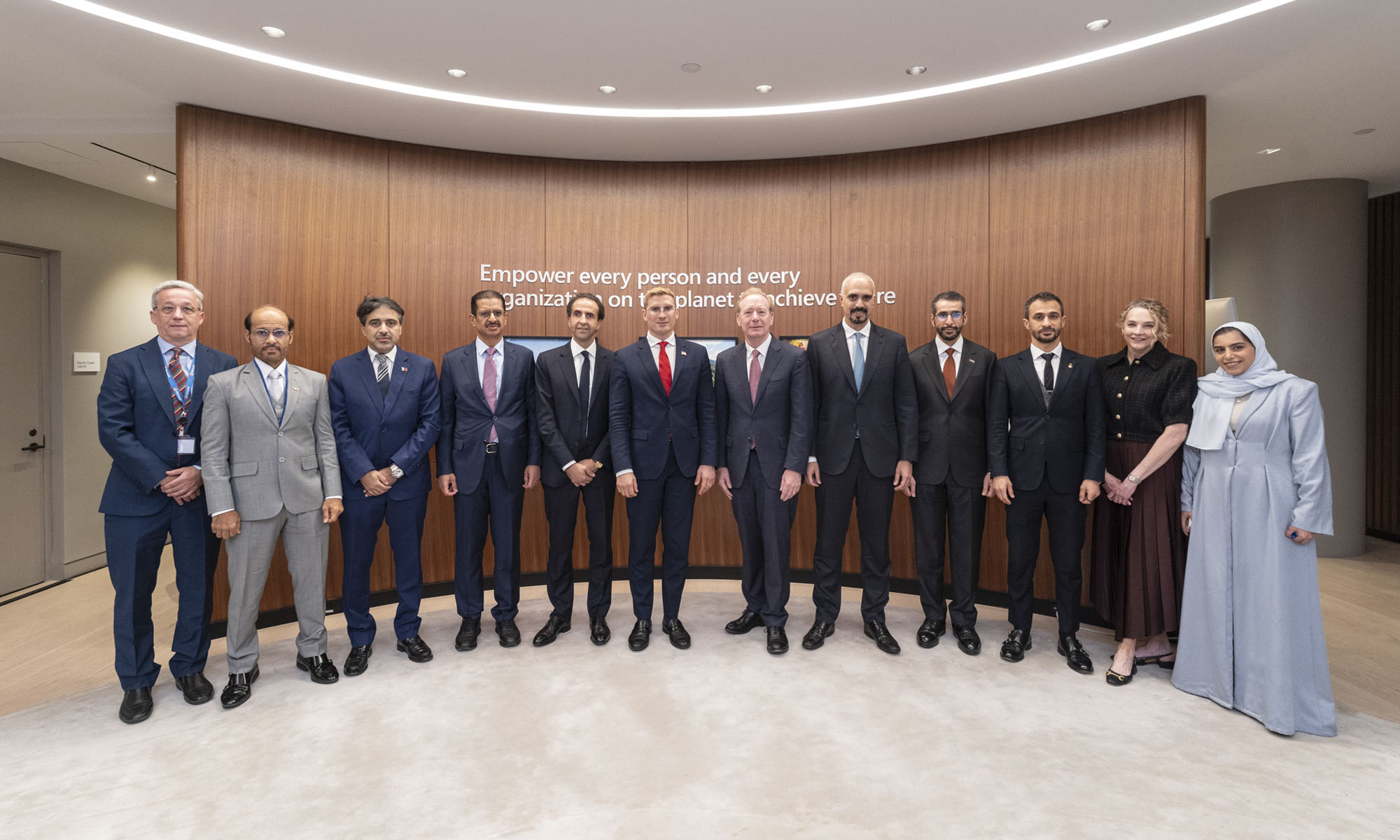
Microsoft is planning more than $10 billion of investment across the UAE, Saudi Arabia, Qatar and Kuwait through 2030, Vice Chair and President Brad Smith told Reuters, calling the spending schedule aggressive. The Iranian conflict that began on February 28 has not persuaded the company to scale back.
“We’re sustaining all the investments we planned to make before this conflict started, and we are in fact adding to them,” Smith said. The $10 billion-plus total does not, however, show how large those additions are.
The investment, which Smith described as part of Microsoft’s continued infrastructure expansion, is aimed at cloud and AI infrastructure and at the company’s growing regional operations. Microsoft also intends to put more than $400 million into subsea and terrestrial connectivity across the Middle East by 2030.
The spending fits the region’s own ambitions too. Gulf governments have been investing heavily in AI infrastructure as part of a push to diversify their economies beyond oil and gas and turn themselves into global technology hubs. Major cloud and AI providers have been drawn in part by the land and relatively low-cost energy on offer.
Microsoft is widening its partnerships with regional AI companies, though not on identical terms. In 2024, it invested $1.5 billion in Abu Dhabi-based G42 for a minority stake, and Smith currently sits on G42’s board. Saudi Arabia’s Humain and Qatar’s Qai are working with Microsoft on selected priority areas, but Smith said the company does not plan to make capital investments in either.
Also Read: Egypt’s Mobile Wallets Are Booming, But Cash Still Has Power
The conflict has added another strand to Microsoft’s work in the region. Since it began, Smith said, the company has supported regional partners with digital resilience assessments, and it is now working with Gulf countries through a digital resilience initiative focused on preparedness and the protection of critical data.
So far, the company has given no country-by-country breakdown of the investment, citing security among other factors. So while the headline figure is public, how Microsoft divides the spending among the four countries is not.

Microsoft Plans $10 Billion-Plus Gulf Expansion Despite Iran Conflict

In Kuwait, Your Surgeon Might Be Operating From Another Country

Qatar Folds 45 State Companies Into A Single Investment Platform

Trip.com Is Betting An AI Agent Will Book Your Next Vacation

Meta’s New $499 Plan Puts A Price On Reaching A Real Person
Trip.com Is Betting An AI Agent Will Book Your Next Vacation

Apple’s First Folding iPhone Arrives Late To A Shrinking Market

Egypt’s Mobile Wallets Are Booming, But Cash Still Has Power

OKX Bets Streaming Perks Can Take Crypto Mainstream Across MENA

Musk’s Boring Company Wants To Dig 150 KM Of Tunnel Under The UAE


-
 News2 weeks ago
Trip.com Is Betting An AI Agent Will Book Your Next Vacation
-
 News3 weeks ago
Apple’s First Folding iPhone Arrives Late To A Shrinking Market
-
 News2 weeks ago
Egypt’s Mobile Wallets Are Booming, But Cash Still Has Power
-
 News2 weeks ago
OKX Bets Streaming Perks Can Take Crypto Mainstream Across MENA