
News
Lebanon’s 5G Era Begins With 150 Stations And A $1M Budget
First lit for a papal visit, Alfa’s 5G in and around Beirut is now permanent — timed for the summer expat influx, with 70 percent of Lebanon the eventual target.

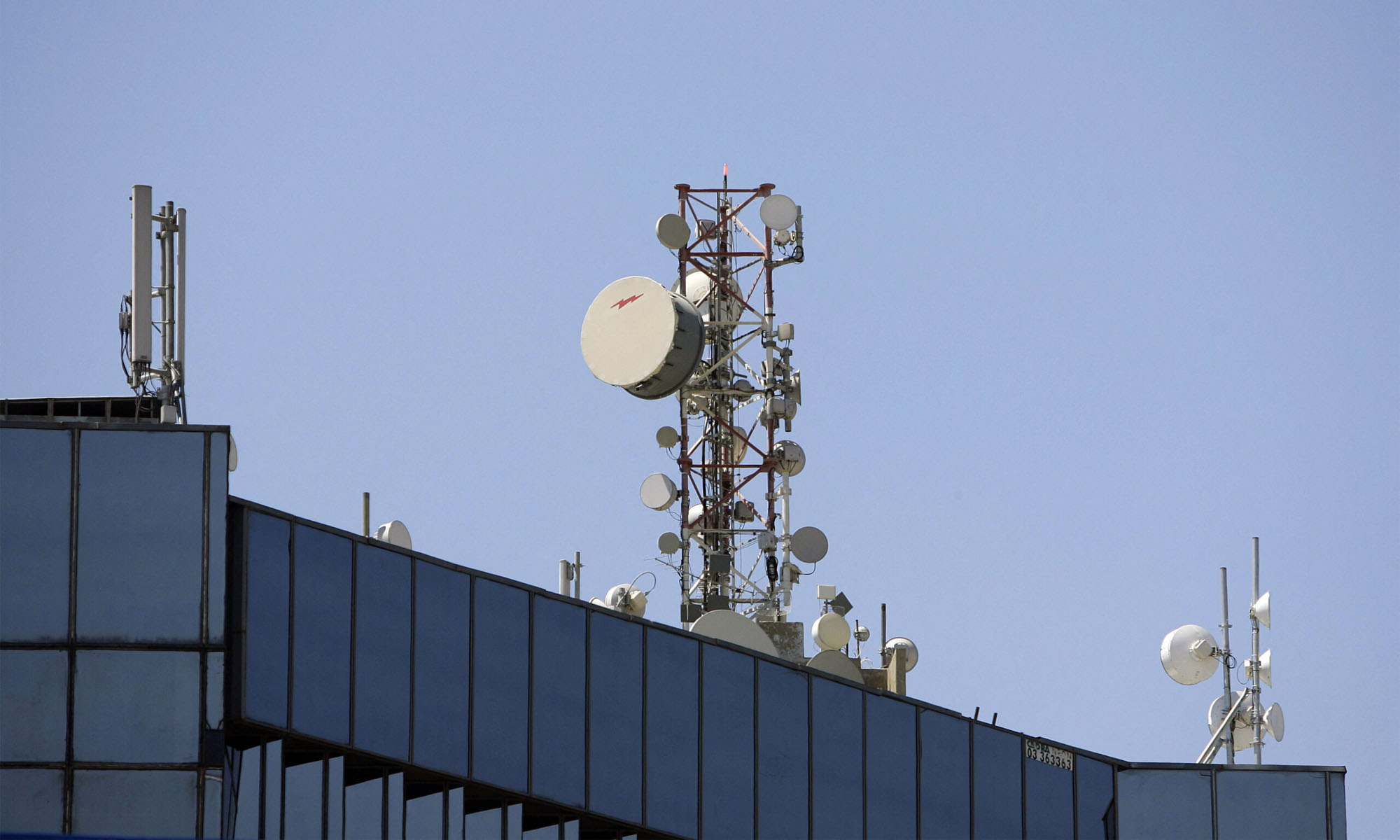
Lebanon is switching on 5G, seven years after South Korea launched the world’s first nationwide commercial network. Touch and Alfa, the country’s two mobile operators, announced last week that they are expanding fifth-generation services in coordination with the Telecommunications Ministry, part of a three-year project to install 150 base stations split equally between them.
Alfa made the first move by permanently restoring the 5G stations it originally activated for Pope Leo XIV’s visit to Lebanon in late November 2025, bringing coverage to downtown Beirut, Antelias, Dekwaneh, the Beirut Port area, and the vicinity of the Presidential Palace in Baabda. The timing is deliberate: summer brings a wave of Lebanese expatriates home, and internet consumption spikes with them. Stations in Dbayeh, the airport area, Adlieh, and Jounieh come next, followed by 75 more across the country.
The Touch network is close behind, according to its chairman Karim Salam. “Today, we are moving from the preparation phase to the actual implementation phase ahead of the commercial launch of the service,” Salam stated, as the first batch of equipment arrived in Beirut.
Also Read: Shokz OpenFit Pro Review: Open-Ear Audio Finally Grows Up
Touch, which selected technology from Huawei and Nokia, plans to activate 15 5G sites covering key areas of the capital before the end of August, with 60 more due between September and November in Beirut, Greater Beirut, the area around Beirut-Rafic Hariri International Airport, Batroun, Jbeil, Jounieh, Tripoli, Zahle, and several other areas outside the capital. A second phase will extend the network across the rest of the country, including the south, the area most affected by the war between Hezbollah and Israel since October 2023. Touch also intends to upgrade 75 sites to 4.5G and build 75 new rural sites before the end of 2026.
A Telecommunications Ministry source told L’Orient-Le Jour the project’s total cost is around $1 million, covering installation, license activation, and network upgrades. The first 150 stations are expected to reach 20 to 25 percent of subscribers; in later phases, the ministry says, that could rise to around 70 percent of the Lebanese population.





News
alkalma And BeehiveX Team Up To Turn Health Awareness Into Action
The UAE partnership will test what actually gets people to screen early, seek support and keep up healthier habits.


Awareness is only the first step when it comes to health. The harder part is getting people to act on it, and that’s the problem alkalma and BeehiveX have agreed to examine together.
Leaders from the two organizations signed a Memorandum of Understanding (MoU) at Future Health in Abu Dhabi today. The agreement will explore how health programs can better support participation in screening, earlier support-seeking and healthier behaviors. Work will begin in the UAE, with opportunities elsewhere in the region considered jointly.
For Dr. Omar Najim, Chairman, BeehiveX, the gap is clear: “Awareness alone does not change behavior. Real impact comes from understanding people, removing barriers to action and making healthier choices easier”.
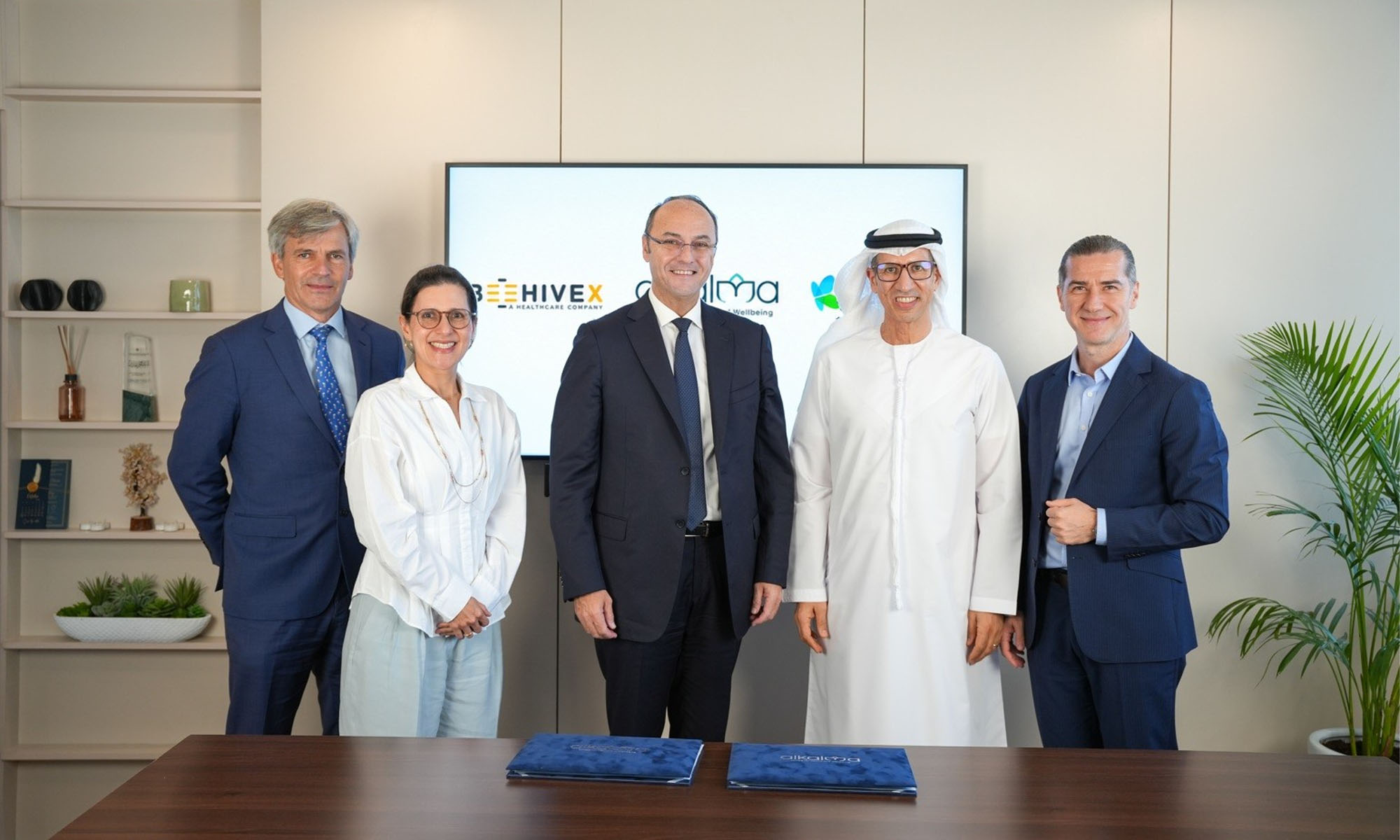
The partners each bring complementary tools. alkalma provides mental health and wellbeing services built on Keralty’s Population Health Management expertise, using it to identify the health needs and risks of different population groups and to run programs focused on prevention, early detection and coordinated care. BeehiveX adds behavioral science, research and communication expertise, studying people’s motivations, the barriers they face and their readiness to change.
The aim is to link how programs are designed with how people actually respond to them. Possible areas of collaboration include community wellbeing initiatives, school and workplace programs, and support for people managing long-term health conditions. The partners will also explore jointly designing, piloting and evaluating behavioral interventions, building evidence on what works and shaping programs that can scale.
Also Read: WHOOP Goes Arabic, Betting On The Gulf’s Appetite For Health Data
Dr. Emilio Herrera, CEO of alkalma and Keralty MENA, said: “A health program needs to do more than identify a risk or explain what someone should do. It also needs to understand their circumstances and help them take the next step”.
In the near future, specific initiatives will be developed and agreed jointly by the two organizations.

alkalma And BeehiveX Team Up To Turn Health Awareness Into Action

Mastercard And LiaPay Bring Earned Wage Access To GCC Workers

Dubai Residential Lets Tenants Break Up First Rent Installment

ESET Bets On Specialized Security AI At 0.5% The Training Cost

Whish Money Opens A Montreal Flagship To Enter The Canadian Market

Checkout.com Reports 20% Higher Payment Acceptance For PRYPCO

Apple Acknowledges iPhone Duo Display Issue After Viral Reports

Dubai Doubles Its AI Campus Target To 1,000 Companies By 2030

Robinhood Receives Approval To Launch In The Middle East

Binance Reportedly Loses $6.3 Billion In Record Crypto Heist


-
 News4 weeks ago
Checkout.com Reports 20% Higher Payment Acceptance For PRYPCO
-
 News3 weeks ago
Apple Acknowledges iPhone Duo Display Issue After Viral Reports
-
 News3 weeks ago
Dubai Doubles Its AI Campus Target To 1,000 Companies By 2030
-
 News3 weeks ago
Robinhood Receives Approval To Launch In The Middle East