
News
Beirut Wins US Flight Access, But Carriers Aren’t Sold Yet
Lebanese President Joseph Aoun has pressed Washington for reconstruction funds and army backing in a recent White House meeting.


US carriers can fly to Lebanon again, 41 years after Washington closed the route. What they cannot yet do is sell tickets.
President Donald Trump directed his administration on July 21 to lift the ban on direct US–Lebanon services, reversing restrictions that have been in force since 1985. The order followed a White House meeting with Lebanese President Joseph Aoun — the first visit by a Lebanese head of state in nearly two decades — and Trump framed it as a way for Americans to reach Lebanon more easily.
The distance between permission and first departures is wide, however. The Federal Aviation Administration said it “looks forward to working with airlines and our interagency partners” to carry out the directive safely, but published no timetable. Before any carrier receives clearance, Beirut’s airport must satisfy US security requirements. Neither Trump nor the agency set an implementation date.
The case of Venezuela shows how long that process can run. Trump ordered passenger restrictions on Caracas lifted in January, but American Airlines did not restart Miami flights until late April, roughly three months later. So although presidential clearance is enough to begin a regulatory process, it’s not enough to create a firm operating schedule.
The commercial decision for operators is a separate hurdle. American, Delta and United have all suspended Tel Aviv services amid regional instability, keeping aircraft and crew planning under constant review. Each will weigh demand, security and fleet availability before committing a jet to Beirut. So far none has named a gateway, frequency or launch month.
Also Read: Gulf AI Job Vacancies Nearly Triple, But Hiring Stays Lopsided
For Aoun, aviation was one thread in a broader appeal. He pressed Washington for reconstruction aid, economic support and backing for the Lebanese Armed Forces — which he called “the backbone of security and stability,” and which has drawn more than $3 billion (AED11 billion) in US military assistance since 2006. Trump said officials had “concrete plans” to help operations in southern Lebanon.
Direct flights would strip a mandatory extra connection from every itinerary and cut the missed-connection risk that comes with intermediate hubs. Whether that access arrives as daily, weekly or seasonal service now rests with the airlines.






News
G42’s Inception42 Wants AI To Show Its Work Before Investors Commit
Launched at SuperReturn Middle East, Alpha is pitched at sovereign wealth funds and private equity firms underwriting bigger deals on tighter timelines.
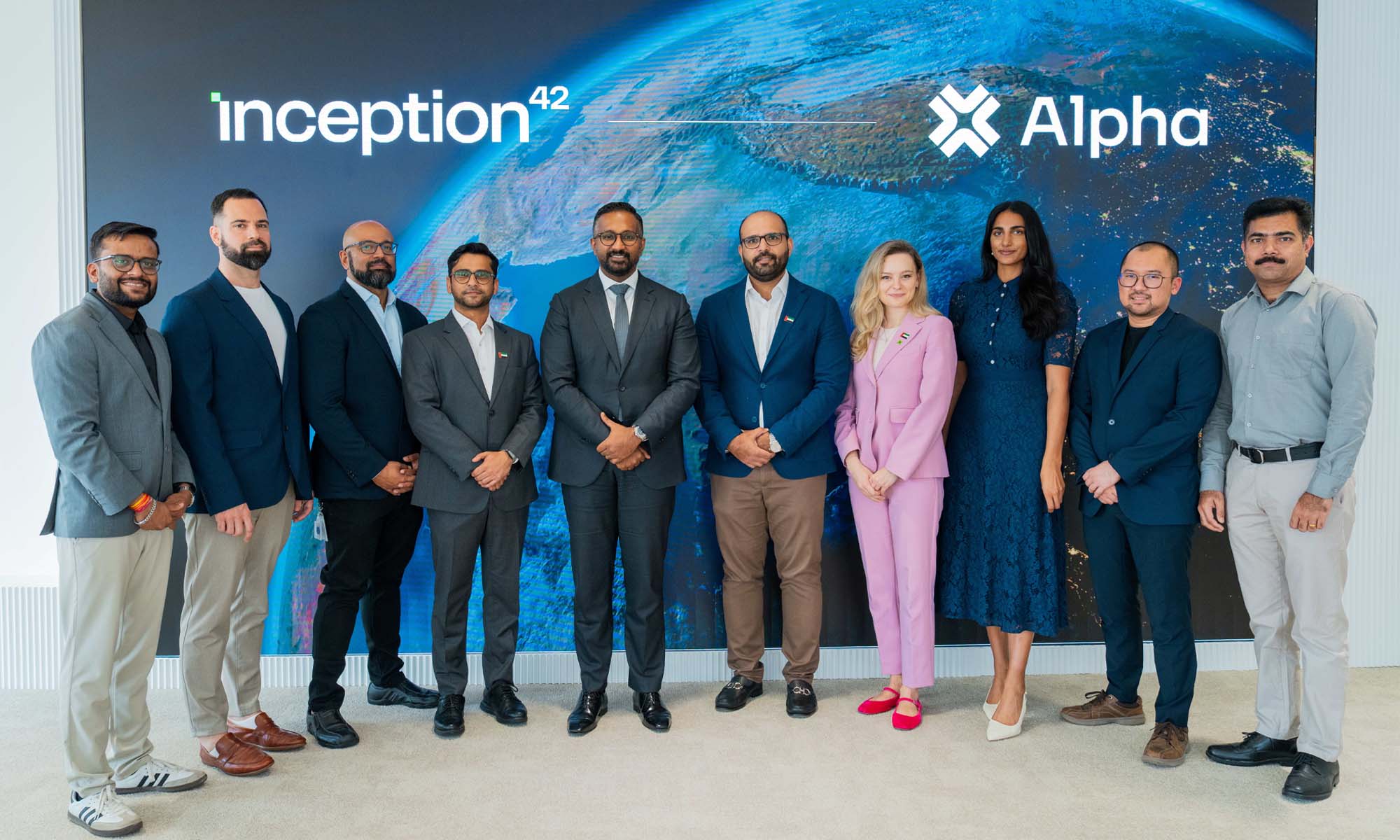
Inception42, G42’s agentic AI company, believes that institutional investors want AI they can check, not just AI that saves time. Its new tool, Alpha, launched at SuperReturn Middle East, is designed to draft investment memos in which every claim points back to its source.
Alpha is aimed at private equity firms, sovereign wealth funds and institutional allocators, which Inception42 says are underwriting larger, more complex positions under tighter timelines. Most AI tools, it argues, speed up individual tasks such as a memo draft or a comps table but leave the investment strategy scattered across files, inboxes and committee decks.
Teams upload Confidential Information Memoranda, diligence packs and portfolio data, which Alpha turns into insights grounded in that material. It checks how complete the diligence is, flagging gaps before they become late-stage surprises, then scores the deal against criteria the institution sets and drafts the memo.
Sourcing every claim is the core of Inception42’s Alpha pitch. Investment committees, the company says, have little time to challenge the evidence, and the audit trail is meant to give them more certainty. The company also promises institutions proof that their own strategy was applied consistently on every deal.
Also Read: Dubai Says Its Deepfake Detector Needs Just 7 Seconds Of Video
“Every investment committee wants the same thing: the full picture of a deal and the confidence to act on it,” says Ashish Koshy, CEO of Inception42. “Alpha gives deal teams and committee members that picture, with every insight traceable to its source, so speed and rigor finally pull in the same direction”.
Alpha is available as SaaS, and investment data, Inception42 says, stays under the institution’s control at every step. Firms can tailor the tool with custom agents, and Alpha Skills will eventually add reusable, practitioner-designed workflows for tasks such as comparables analysis and credit assessment.
The company says Alpha is already proven in the region’s most significant financial institutions. If the tool works as described, committees get an investment memo they can interrogate rather than simply take on trust.

Shokz OpenDots 2 Review: Clip-On Audio Gets A Bass-Heavy Makeover

G42’s Inception42 Wants AI To Show Its Work Before Investors Commit

WHOOP Goes Arabic, Betting On The Gulf’s Appetite For Health Data

New Disney+ Streaming App Has Officially Launched In The UAE

Dubai Says Its Deepfake Detector Needs Just 7 Seconds Of Video

In Kuwait, Your Surgeon Might Be Operating From Another Country

Microsoft Plans $10 Billion-Plus Gulf Expansion Despite Iran Conflict

Qatar Folds 45 State Companies Into A Single Investment Platform

NEOPAY Wants To Follow Merchants Across Channels And Borders

RØDE’s Low-Profile Studio Arm Is Designed To Stay Out Of Shot


-
 News3 weeks ago
In Kuwait, Your Surgeon Might Be Operating From Another Country
-
 News3 weeks ago
Microsoft Plans $10 Billion-Plus Gulf Expansion Despite Iran Conflict
-
 News3 weeks ago
Qatar Folds 45 State Companies Into A Single Investment Platform
-
 News2 weeks ago
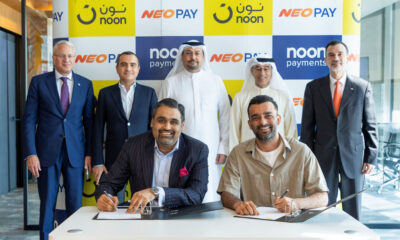
NEOPAY Wants To Follow Merchants Across Channels And Borders