
News
RemotePass Launches Debit Card Service For Digital Nomads
The new service will enable remote workers with an active RemotePass contract to receive instant payments.

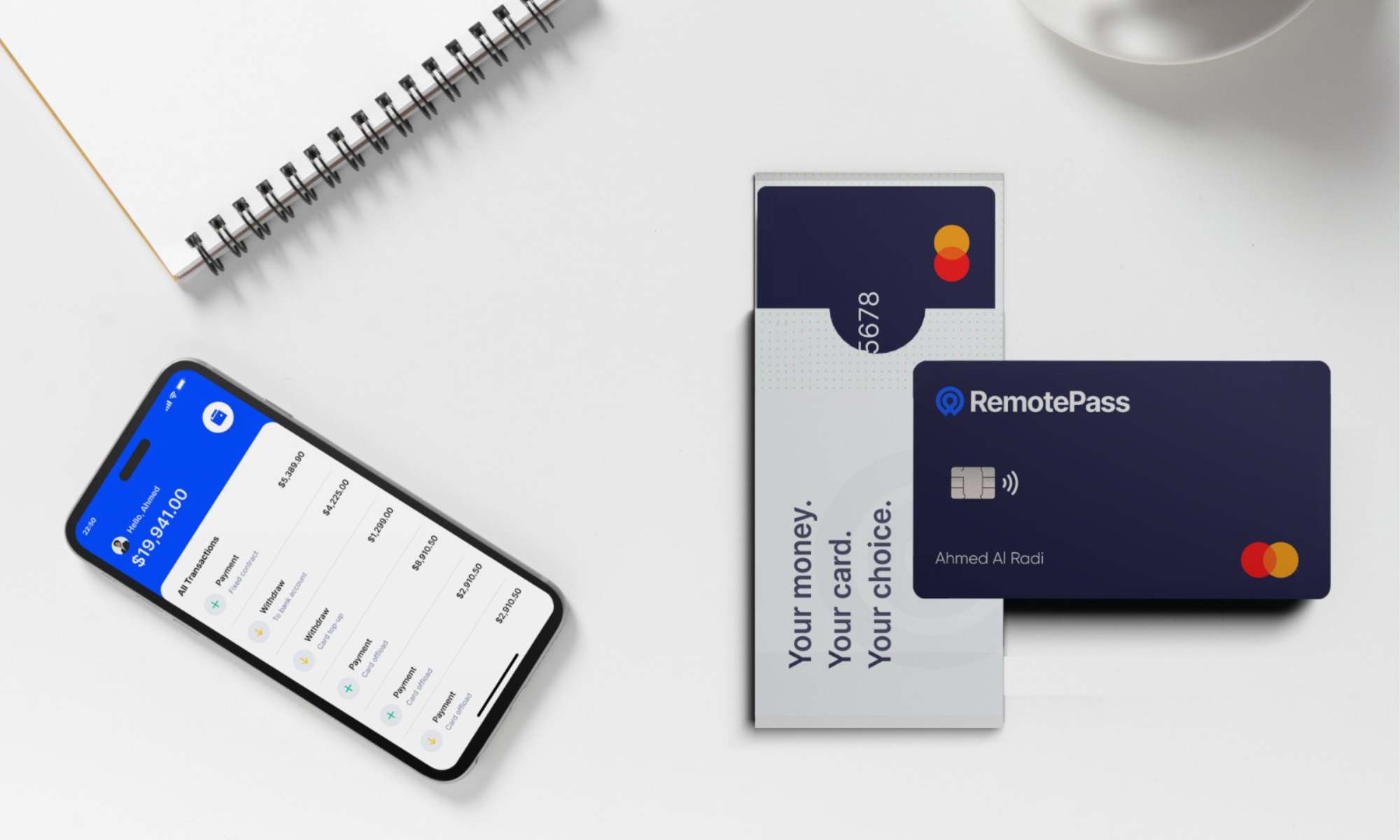
The leading remote work platform, RemotePass, has launched a physical debit card for remote workers in emerging markets. The new service allows digital nomads with an active RemotePass contract to receive instant payments with zero fees, avoiding high SWIFT charges and the lengthy wait times typically associated with international transfers.
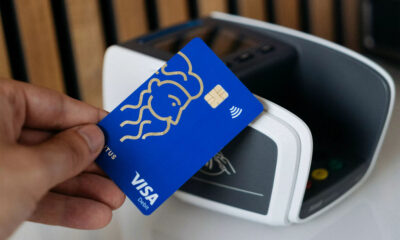
The new card service will allow users to hold funds in USD and can be used both online and offline globally, wherever Mastercard is accepted. The card forms part of the RemotePass Super App. It enables users to manage their contracts, subscribe to premium health insurance plans, track expenses, and access physical and virtual payroll cards for instant payment.

The new product offering is in line with the UAE government’s vision of attracting global talent and establishing the country as a leading hub for remote work. Through its Employer of Record services, RemotePass handles the entire relocation, visa, and insurance process for foreign companies seeking to hire and/or relocate employees or contractors in the UAE.
The UAE has become a sought-after destination for cross-border remote hiring, with companies from the US, the UK, and Saudi Arabia benefiting from access to a vast pool of highly skilled job seekers seeking full-time remote work. In addition, the UAE introduced a digital nomad visa in March 2021, allowing expatriates to reside in the country while working for their employers in their home country.
To get started with the new service, RemotePass users simply need to upload documents via the app for verification and then request a card. Once an application has been approved — usually within 48 hours — users will have complete control of their card through the mobile app, enabling them to freeze, terminate, view, and manage transactions. The RemotePass card uses 3-D Secure, which provides additional authentication for online transactions. For offline use, cardholders are required to enter their PIN for extra security.
Also Read: A Guide To Digital Payment Methods In The Middle East
“Our physical card is just one of the many ways we’re helping remote workers get the financial freedom they need to thrive. We are working with different partners to bring more localized financial services and benefits such as a reward program, advance pay and pension plans,” says Kamal Reggad, co-founder & CEO of RemotePass.
A global survey conducted by Prudential found that 42% of remote workers would consider seeking new employment if their current employer removed work-from-home options. Meanwhile, FlexJobs reported a 105% rise in searches for “remote, part-time jobs” last year, proving the need for an efficient means of receiving cross-border funds.



News
Egypt’s Mobile Wallets Are Booming, But Cash Still Has Power
Egypt’s telecom regulator says $57.6 billion moved through more than 57 million wallets in six months. And one operator handled 77% of the value.
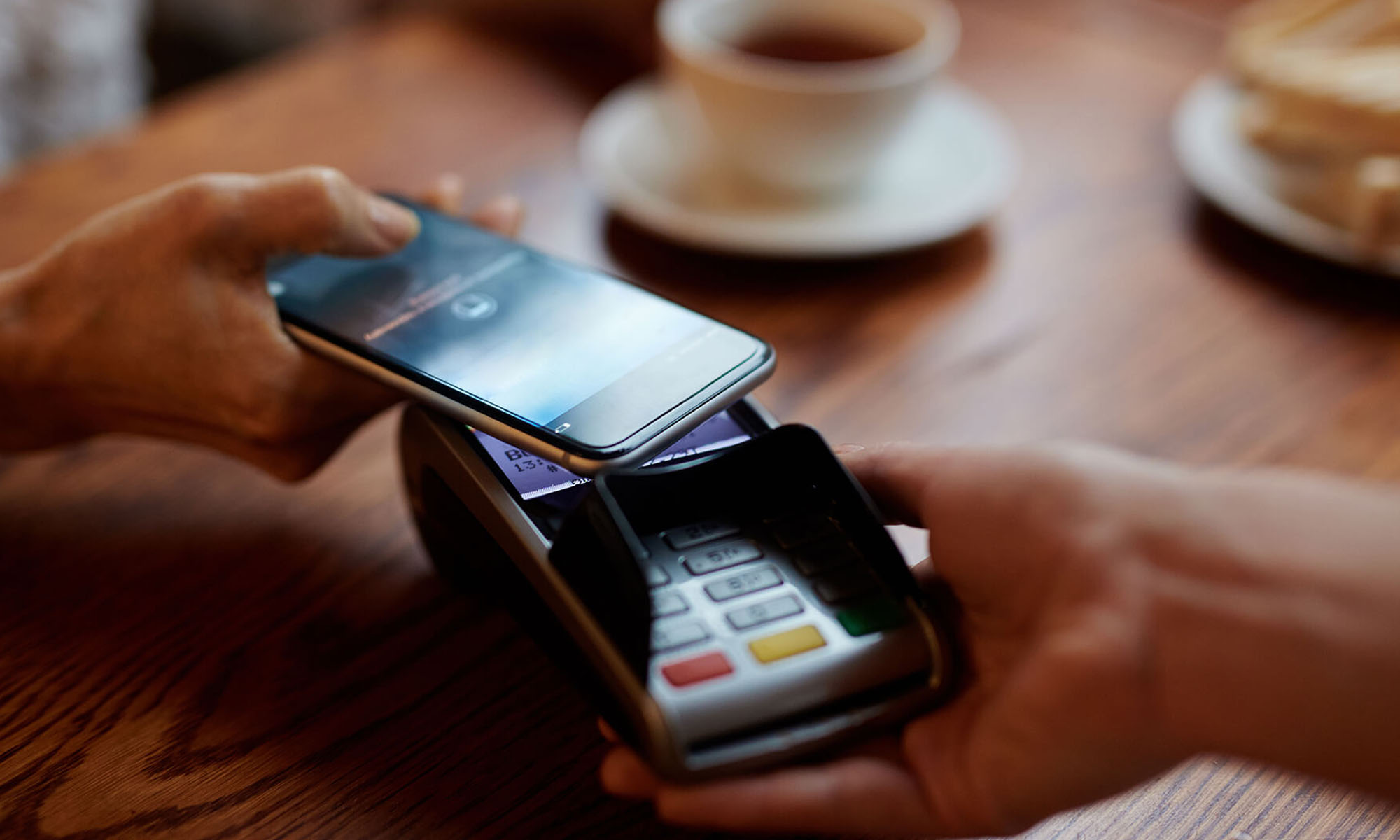
Egypt’s mobile wallets handled EGP 2.96 trillion ($57.6 billion) in transactions in the first half of 2026, according to the National Telecom Regulatory Authority – a 56% rise on the EGP 1.90 trillion ($36.9 billion) recorded a year earlier. Transactions grew faster still, up 62% to 2.22 billion, while registered wallets climbed 23% to 57.01 million.
On one reading, that is exactly what Egypt’s regulators have been pushing for: a payments system that runs through telecom-linked wallets rather than banknotes. But the same data shows how far cash still reaches into it. Cash withdrawals made up just 12% of the transactions taking money out of wallets, yet 75% of the value withdrawn or spent.
Money arrives mostly from bank accounts: transfers through InstaPay accounted for 78% of deposit transactions and 58% of the value deposited, while incoming remittances from abroad made up 3% of deposit transactions but 10% of their value. Once inside, it largely moves between wallets – wallet-to-wallet transfers accounted for 54% of all transactions and 67% of total value, with mobile and internet top-ups a distant second at 25% of volume. In effect, the wallet is serving as a transfer layer: the place money passes through between the bank account and the banknote.
That layer also runs predominantly through one operator. Vodafone Cash held 53% of registered wallets and 57% of active ones, but handled 69% of transactions and 77% of their value. Its nearest rival, e& money, held 23% of registered wallets but 14% of transaction value; Orange Cash 20% and 8%; WE Pay 4% of wallets. How many of the 57.01 million are active is not stated.
Also Read: Visa’s Return To Syria Starts With A Test And A Bank In Lebanon
Adoption is rather uneven in other respects. Men held 38 million wallets, or 67% of the total, against 19 million held by women. Users aged 26 to 45 accounted for half of all wallets, and Cairo alone had 10.6 million, or 19% of the national total, with Giza next at 6.5 million.
The NTRA says it is continuing to work with telecom operators on the regulatory framework for wallet services, part of a wider effort to expand electronic payments and financial inclusion. Its own figures show that effort succeeding on the way in. On the way out, three-quarters of the value still leaves as cash.

Egypt’s Mobile Wallets Are Booming, But Cash Still Has Power

Apple’s First Folding iPhone Arrives Late To A Shrinking Market

Apple’s Latest Product Releases Make The Headlines

Visa’s Return To Syria Starts With A Test And A Bank In Lebanon

RØDE’s New DS3 Studio Arm Is Built For Heavier Creator Setups

Anghami’s New Elite Program Starts With A Three-Decade Catalog

Dubai’s aradus Wants AI To Run The Back Office Of Physical Trade

Qatar Is Getting Its First EV Plant, Built To Cope With Gulf Heat

Qatar Airways Flies The World’s First Starlink-Equipped 787-9

Former Rockstar Director Dismisses GTA 6 Leaks As “Nothing Burger”


-
 News3 weeks ago
Former Rockstar Director Dismisses GTA 6 Leaks As “Nothing Burger”
-
 News3 weeks ago
RØDE’s New DS3 Studio Arm Is Built For Heavier Creator Setups
-

 News3 weeks ago
Dubai Turns AI On Its Own Civil Service To Measure Productivity
-
 News3 weeks ago
Visa’s Return To Syria Starts With A Test And A Bank In Lebanon