
News
Protecting Your WhatsApp Account From Hackers: Kaspersky Expert Tips
Cybercriminals can hijack WhatsApp accounts using linked devices or re-registration. Cybersecurity experts from Kaspersky explain how to protect yourself.


Your WhatsApp account isn’t just a way to chat with friends — unfortunately it’s also a potential target for cybercriminals. Stolen accounts are often used for everything from spamming to elaborate scams. Hackers are always looking for ways to hijack accounts, and understanding their methods is the first step to protecting yourself.
How Hackers Can Take Over Your WhatsApp Account
Cybercriminals typically use two main tactics to gain access to WhatsApp accounts: One method involves linking a new device to an existing account using the “Linked devices” feature. In this case, the original user can still use their account, but attackers can see recent messages.
The second method is more aggressive — hackers re-register the account on their own device, as if setting up a new phone. When this happens, the original user is locked out, and all control is transferred to the attacker. While past messages remain inaccessible to the hacker, they can still exploit the account for scams and fraud.
Also Read: Is Your Phone Hacked? How To Find Out & Protect Yourself
Seifallah Jedidi, Head of Consumer Channel, META, at cybersecurity firm Kaspersky, highlights the risks: “Messengers are a private space, as they often contain personal information about our lives and relationships with family and friends. They can also contain information about work and, in some cases, confidential information. If you notice any unusual activity, such as receiving replies to messages that you didn’t send, or if your friends complain about strange messages coming from your account, it’s important to take steps to protect your privacy immediately”.
How To Keep Your WhatsApp Account Secure
If your account has already been compromised, you’ll need to follow WhatsApp’s recovery steps. However, according to Kaspersky, the best defense is prevention.
Here’s what you should do:
- Enable two-step verification and memorize your PIN: This is a permanent code, not a one-time password. You can set it up in WhatsApp by navigating to Settings → Account → Two-step verification.
- Don’t share your PIN or registration codes: Legitimate services will never ask for them — only scammers do.
- Use passkeys for added security: WhatsApp recently introduced support for passkeys, which replace PINs with biometric authentication. To activate this, go to Settings → Account → Passkeys.
- Set up a backup email address to help recover your account if needed: You can do this by going to Settings → Account → Email address.
- Secure your email account: If you’ve already linked an email, update your password to a strong, unique one. Consider using a password manager to store it safely.
- Enable two-factor authentication (2FA) for your email: This adds an extra layer of protection.
- Watch out for SIM swap scams: Contact your mobile carrier — preferably in person — to confirm that no unauthorized SIM cards have been issued for your number. Also, check that call forwarding hasn’t been set up without your consent. If any suspicious activity is detected, ask about additional security measures such as requiring an extra password for authentication.
Finally, ensure that your computer or phone are fully protected from malware, as no amount of security settings will help if a device is compromised. During Ramadan, Kaspersky is offering a 30% discount on its Premium solution, which also includes a one-month complimentary OSN Plus subscription with access to a vast selection of 4K, ad-free movies and series.



News
Visa’s Return To Syria Starts With A Test And A Bank In Lebanon
Foreign visitors will be the first users to benefit, but whether Syria’s own banks and cardholders follow is still an open question.

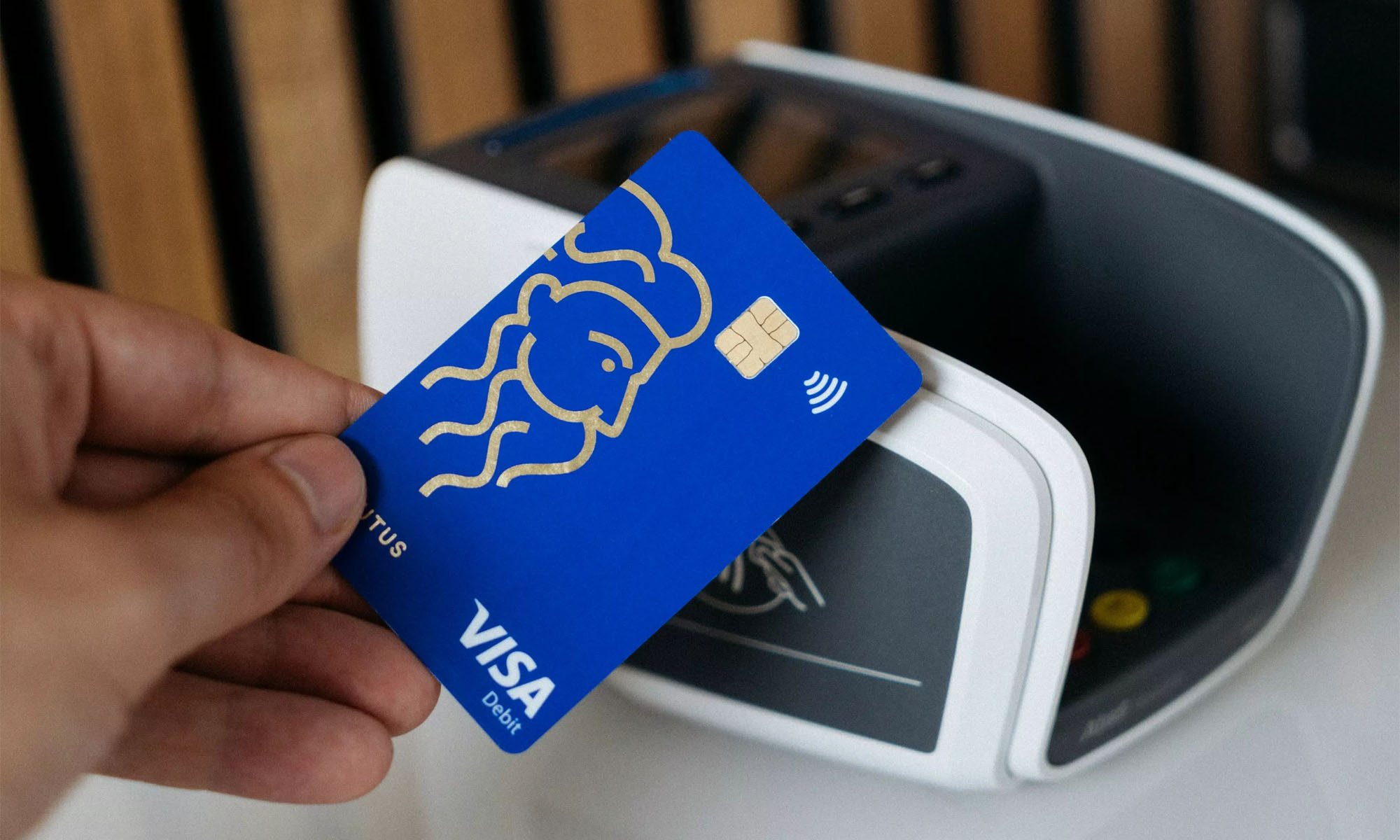
Visa is returning to Syria. Its first live international card transaction in the country was a test rather than a launch, and the milestone event ran through a Lebanese bank.
The acquirer (the bank on the merchant’s side of a card payment) was Fransabank Lebanon, with Paymera as the other named partner. Nadim Moujaes, who heads a Fransabank Group subsidiary, describes the test as both the culmination of “longstanding efforts to link Syria back to international payment networks” and “the first step in a larger path”.
Syrian President Ahmed Al-Sharaa makes the first electronic payment in Syria using a @Visa card at a store in Damascus, following the lifting of US sanctions on Syria. pic.twitter.com/lpAN7nQ6Fc
— Tech Magazine (@TechMGZN) August 27, 2026
“We are excited to have successfully tested live transactions today as we plan to enable international visitors to use their Visa cards while in Syria,” says Leila Serhan, Visa’s senior vice president and group country manager for the North Africa, Levant and Pakistan region. Although a significant first step, that plan doesn’t come with a hard date for when a visitor’s card will work normally.
Mohammed Safwat Raslan, governor of the Central Bank of Syria, says the test paves the way for international card acceptance in Syria and that maintaining strong compliance, risk management and operational controls will remain essential. Serhan likewise stresses that Visa has worked within applicable legal, regulatory and compliance requirements. For a test transaction, it seems there was a great deal of attention paid to the rules, with the entire operation being carefully managed.
Also Read: Lebanon’s 5G Era Begins With 150 Stations And A $1M Budget
The test is the latest step in a sequence that began in December 2025, when Visa announced a strategic roadmap to support Syria’s integration into the global digital economy. In February 2026 it hosted its first industry gathering of banks, ecosystem partners and policymakers in Damascus and, the same month, signed an agreement with Syria’s Ministry of Communications and Information Technology in San Francisco.
Michel Kattouah, Paymera’s CEO, called the test “the return of international card acceptance,” but while that’s positive news, there’s no word yet on when a Syrian bank will issue a Visa card to a Syrian customer.

Visa’s Return To Syria Starts With A Test And A Bank In Lebanon

RØDE’s New DS3 Studio Arm Is Built For Heavier Creator Setups

Dubai Turns AI On Its Own Civil Service To Measure Productivity

Former Rockstar Director Dismisses GTA 6 Leaks As “Nothing Burger”

Qatar Airways Flies The World’s First Starlink-Equipped 787-9

Spotify Will Now Tell You If Your Favorite Artist Isn’t Real

Instagram Redraws Its Wordmark And The Internet Reads “Instagzam”

Anghami’s New Elite Program Starts With A Three-Decade Catalog

Qatar Is Getting Its First EV Plant, Built To Cope With Gulf Heat

Dubai’s aradus Wants AI To Run The Back Office Of Physical Trade


-
 News3 weeks ago
Instagram Redraws Its Wordmark And The Internet Reads “Instagzam”
-
 News3 weeks ago
Anghami’s New Elite Program Starts With A Three-Decade Catalog
-
 News3 weeks ago
Qatar Is Getting Its First EV Plant, Built To Cope With Gulf Heat
-
 News3 weeks ago
Dubai’s aradus Wants AI To Run The Back Office Of Physical Trade