
News
Apple’s iPhone 17 Launch: Air, Pro, AirPods Pro 3, And More
Apple’s September event unveiled iPhone 17, iPhone Air, Pro models, AirPods Pro 3, and new Apple Watches. Pre-orders open September 12.


Apple’s September showcase delivered the expected iPhone refresh — and a few surprises. The headline was the new iPhone Air, joined by the iPhone 17 and 17 Pro ranges, updated Apple Watches, and the AirPods Pro 3. All products land later this month, with pre-orders opening Friday, September 12.
iPhone 17

The standard iPhone 17 line gets a 6.3-inch, 120Hz display with slimmer bezels and Ceramic Shield 2, which is now three times more scratch-resistant.
The A19 chip brings a six-core CPU, five-core GPU and upgraded neural engine. Apple claims it’s faster, more efficient, and stretches battery life by up to eight hours.
The rear system pairs a 48MP Fusion main camera with a 12MP telephoto, while the new square-sensor front camera improves stabilization and removes the need to rotate for landscape shots.
Pricing starts at $799 (256GB).
iPhone Air
The thinnest iPhone to date, the 5.6mm iPhone Air uses a titanium frame with Ceramic Shield 2 on both sides. The 6.5-inch always-on display supports ProMotion and peaks at 3,000 nits.
It runs on the A19 Pro chip and Apple’s new N1 wireless silicon, adding Wi-Fi 7 and Bluetooth 6, alongside a faster C1X modem. Despite a slim design, it carries a dual-lens setup hidden behind a single housing: 48MP Fusion plus 12MP telephoto.
Adaptive Power Mode manages use patterns for longer runtimes, though Apple still frames it as an “all-day” battery. Apple has also built a thinner MagSafe pack to match.
Launch price: $999 (256GB).
iPhone 17 Pro
The 17 Pro is pitched as Apple’s most powerful iPhone to date, introducing an anodized aluminum unibody, a vapor-chamber cooling system and the largest iPhone battery so far.
The camera array sits on a raised “plateau” and includes a 48MP telephoto (up to 8x optical-quality zoom), plus 48MP wide and ultra-wide sensors. The front “center stage” camera jumps to 18MP. Display sizes are 6.3-inch (Pro) and 6.9-inch (Pro Max), both using Ceramic Shield 2. Battery life stretches to 39 hours of video playback on the Pro Max.
Pricing starts at $1,099 (256GB).
AirPods Pro 3
The third-gen AirPods Pro add heart-rate tracking, improved active noise cancellation (four times stronger than the original), foam-infused ear tips and spatial audio refinements. A headline feature is live translation, triggered by a new gesture and powered by Apple Intelligence. Battery life is rated at eight hours.
Available now for $249.
Apple Watch Series 11, Ultra 3 And SE
- Series 11: Slimmer, more durable, 5G-enabled and with hypertension alerts via improved sensors. Battery life extends to 24 hours. From $399.
- Ultra 3: Larger LTPO 3 display, satellite connectivity and Emergency SOS. From $799.
- Watch SE: Gains always-on display, optional 5G and new gestures. Adds Sleep Score and sleep apnea alerts but keeps an 18-hour battery. From $249.
Availability
Pre-orders for all major devices open Friday, September 12, with general availability on September 19.



News
Visa’s Return To Syria Starts With A Test And A Bank In Lebanon
Foreign visitors will be the first users to benefit, but whether Syria’s own banks and cardholders follow is still an open question.

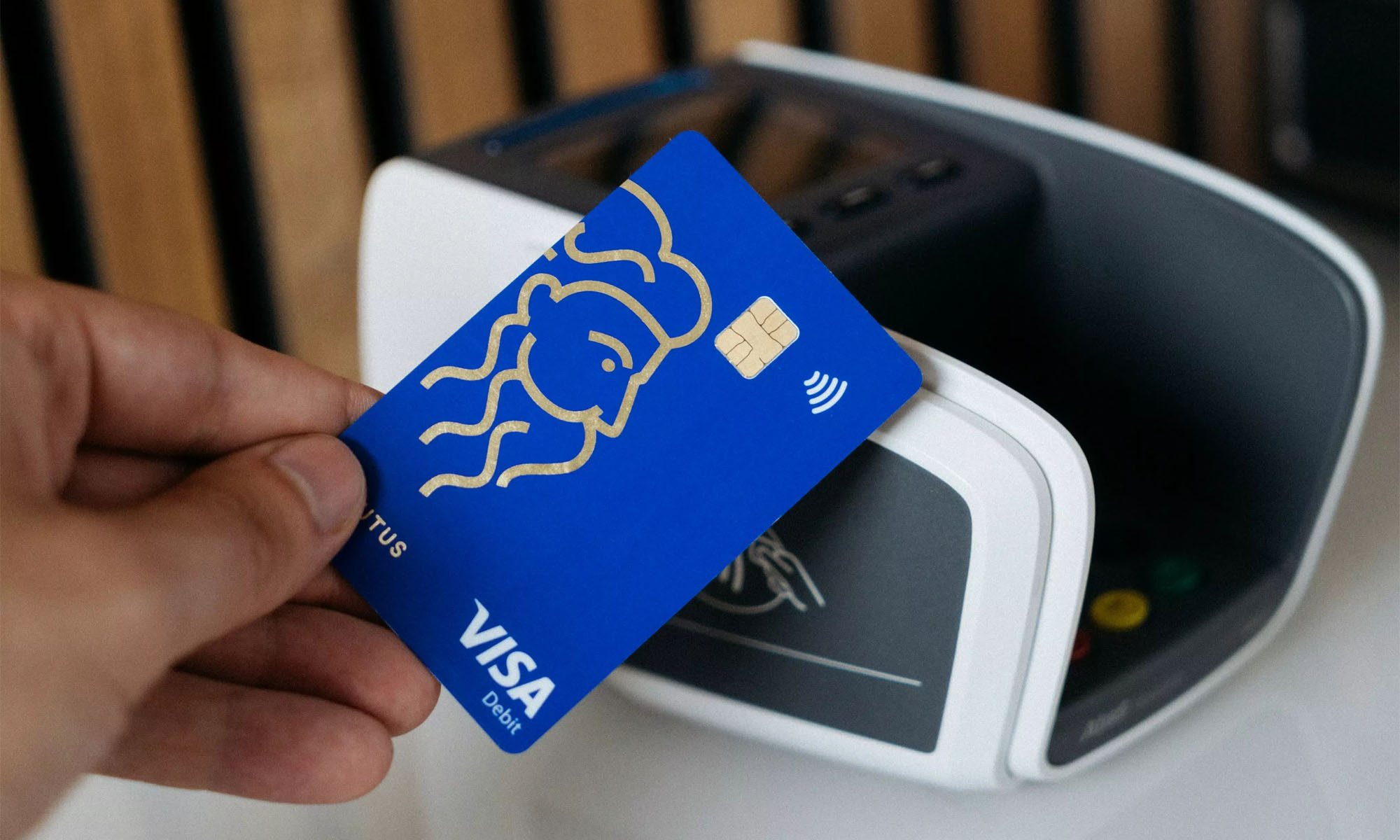
Visa is returning to Syria. Its first live international card transaction in the country was a test rather than a launch, and the milestone event ran through a Lebanese bank.
The acquirer (the bank on the merchant’s side of a card payment) was Fransabank Lebanon, with Paymera as the other named partner. Nadim Moujaes, who heads a Fransabank Group subsidiary, describes the test as both the culmination of “longstanding efforts to link Syria back to international payment networks” and “the first step in a larger path”.
Syrian President Ahmed Al-Sharaa makes the first electronic payment in Syria using a @Visa card at a store in Damascus, following the lifting of US sanctions on Syria. pic.twitter.com/lpAN7nQ6Fc
— Tech Magazine (@TechMGZN) August 27, 2026
“We are excited to have successfully tested live transactions today as we plan to enable international visitors to use their Visa cards while in Syria,” says Leila Serhan, Visa’s senior vice president and group country manager for the North Africa, Levant and Pakistan region. Although a significant first step, that plan doesn’t come with a hard date for when a visitor’s card will work normally.
Mohammed Safwat Raslan, governor of the Central Bank of Syria, says the test paves the way for international card acceptance in Syria and that maintaining strong compliance, risk management and operational controls will remain essential. Serhan likewise stresses that Visa has worked within applicable legal, regulatory and compliance requirements. For a test transaction, it seems there was a great deal of attention paid to the rules, with the entire operation being carefully managed.
Also Read: Lebanon’s 5G Era Begins With 150 Stations And A $1M Budget
The test is the latest step in a sequence that began in December 2025, when Visa announced a strategic roadmap to support Syria’s integration into the global digital economy. In February 2026 it hosted its first industry gathering of banks, ecosystem partners and policymakers in Damascus and, the same month, signed an agreement with Syria’s Ministry of Communications and Information Technology in San Francisco.
Michel Kattouah, Paymera’s CEO, called the test “the return of international card acceptance,” but while that’s positive news, there’s no word yet on when a Syrian bank will issue a Visa card to a Syrian customer.

Visa’s Return To Syria Starts With A Test And A Bank In Lebanon

RØDE’s New DS3 Studio Arm Is Built For Heavier Creator Setups

Dubai Turns AI On Its Own Civil Service To Measure Productivity

Former Rockstar Director Dismisses GTA 6 Leaks As “Nothing Burger”

Qatar Airways Flies The World’s First Starlink-Equipped 787-9

Spotify Will Now Tell You If Your Favorite Artist Isn’t Real

Instagram Redraws Its Wordmark And The Internet Reads “Instagzam”

Anghami’s New Elite Program Starts With A Three-Decade Catalog

Qatar Is Getting Its First EV Plant, Built To Cope With Gulf Heat

Dubai’s aradus Wants AI To Run The Back Office Of Physical Trade


-
 News3 weeks ago
Instagram Redraws Its Wordmark And The Internet Reads “Instagzam”
-
 News3 weeks ago
Anghami’s New Elite Program Starts With A Three-Decade Catalog
-
 News3 weeks ago
Qatar Is Getting Its First EV Plant, Built To Cope With Gulf Heat
-
 News3 weeks ago
Dubai’s aradus Wants AI To Run The Back Office Of Physical Trade