
News
iPhone 17 Models Launch Tomorrow: Here’s What To Expect
Apple unveils the iPhone 17 series tomorrow, at Apple Park. Rumors point to a new slim Air model, 24MP front cameras, and iOS 26 with Liquid Glass.


Apple will hold its much-anticipated launch event at Apple Park tomorrow, September 9, unveiling the iPhone 17 lineup — which executives have reportedly described as the “most ambitious in the product’s history”.
One of the biggest shifts is the rumored replacement of the struggling Plus variant with a new iPhone 17 Air, also referred to as the Slim model. At just 6.25mm thick, it could become Apple’s thinnest phone yet, overtaking the iPhone 6. The Air is expected to feature a 6.6-inch display, a single 48MP rear camera, and at least 8GB of RAM to support Apple Intelligence. But leaks also warn of drawbacks: a smaller 2,800mAh battery and concerns about durability. Apple is reportedly allocating only 10% of production to this model.
The Pro Max may also be renamed the iPhone 17 Ultra, and could introduce three 48MP rear cameras with periscope-style Tetraprism zoom. All four models are rumored to get 24MP front-facing cameras, dual video recording, and possibly smaller Dynamic Islands thanks to new Face ID “metalens” technology.
On design, the series will reportedly bring bigger changes than recent generations. Camera bumps are expected to become horizontal and stretch across the back of the Pro models, with color-matched finishes rather than two-tone designs. Color leaks suggest new options: Light Blue and Gold for the Air, Orange for the Pro line, and a mix of familiar shades like Silver, Black, and Green across the range.
iOS 26 also debuts alongside the new phones, introducing a translucent “Liquid Glass” theme, a new Games app, spam-blocking tools, and enhanced battery insights. Analysts say it could also pave the way for Apple’s eventual smart glasses interface.
On displays, rumors indicate 120Hz refresh rates for all models, though it’s unclear if the base and Air will receive adaptive ProMotion panels. The Pro and Ultra are expected to retain 6.3- and 6.9-inch displays, while the standard iPhone 17 may grow slightly to 6.3 inches.
Also Read: Samsung One UI 8 Set To Usher In AI-Powered Galaxy Revolution
Battery life could diverge sharply: reports suggest a massive 5,000mAh unit for the Pro Max — the largest ever on an iPhone — but a below-3,000mAh battery for the slim Air. Faster 35W charging and possible reverse wireless charging may come to Pro models.
Pricing rumors are mixed, but consensus points to Apple largely holding steady, with only the Pro model seeing a hike due to a new 256GB minimum storage tier.
In summary, tomorrow’s event is expected to confirm Apple’s thinnest iPhone ever, its biggest battery to date, and an AI-driven OS overhaul — making the iPhone 17 series one of the company’s most closely watched launches yet.



News
Microsoft Plans $10 Billion-Plus Gulf Expansion Despite Iran Conflict
Security is shaping Microsoft’s approach, from resilience work with governments to what it will say about how the money splits by country.
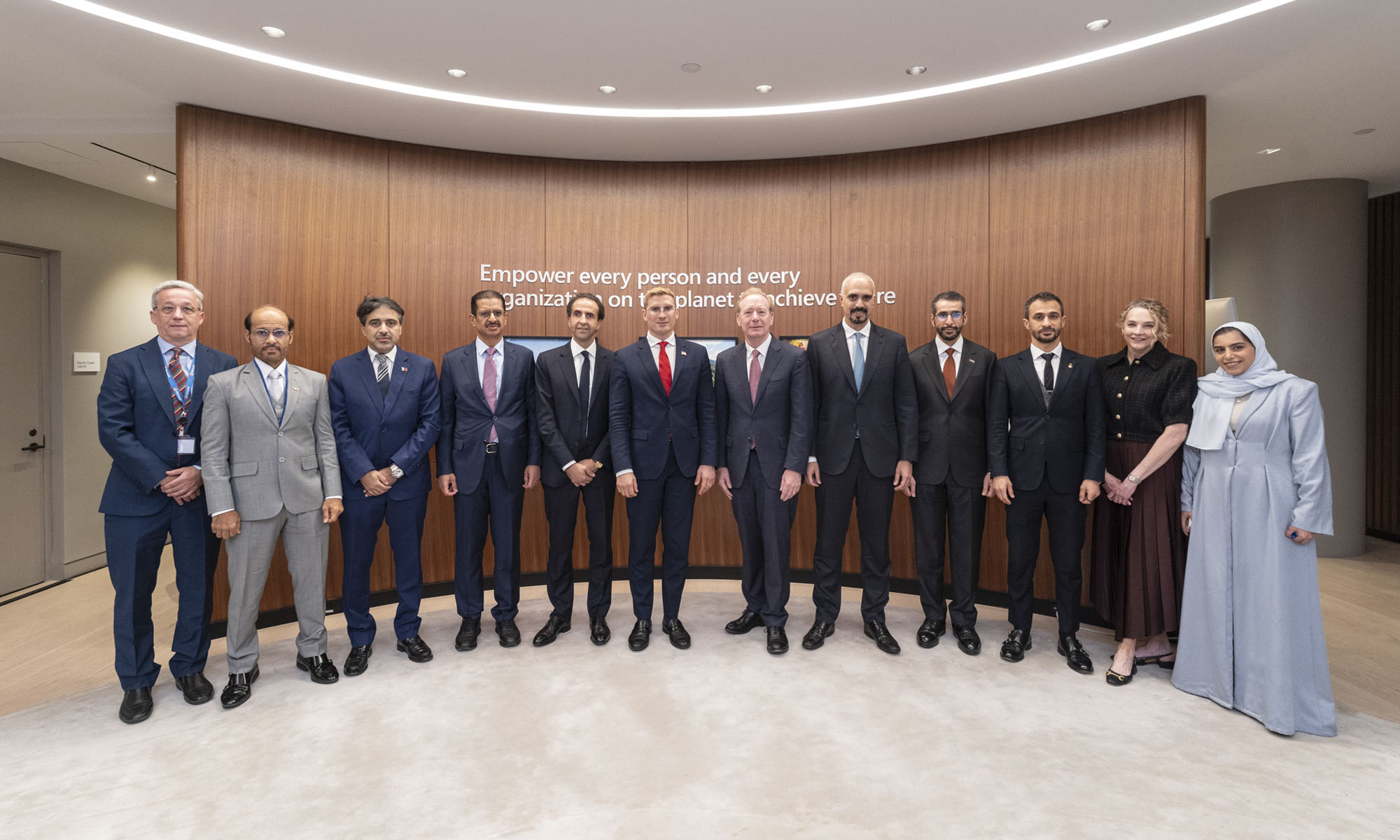
Microsoft is planning more than $10 billion of investment across the UAE, Saudi Arabia, Qatar and Kuwait through 2030, Vice Chair and President Brad Smith told Reuters, calling the spending schedule aggressive. The Iranian conflict that began on February 28 has not persuaded the company to scale back.
“We’re sustaining all the investments we planned to make before this conflict started, and we are in fact adding to them,” Smith said. The $10 billion-plus total does not, however, show how large those additions are.
The investment, which Smith described as part of Microsoft’s continued infrastructure expansion, is aimed at cloud and AI infrastructure and at the company’s growing regional operations. Microsoft also intends to put more than $400 million into subsea and terrestrial connectivity across the Middle East by 2030.
The spending fits the region’s own ambitions too. Gulf governments have been investing heavily in AI infrastructure as part of a push to diversify their economies beyond oil and gas and turn themselves into global technology hubs. Major cloud and AI providers have been drawn in part by the land and relatively low-cost energy on offer.
Microsoft is widening its partnerships with regional AI companies, though not on identical terms. In 2024, it invested $1.5 billion in Abu Dhabi-based G42 for a minority stake, and Smith currently sits on G42’s board. Saudi Arabia’s Humain and Qatar’s Qai are working with Microsoft on selected priority areas, but Smith said the company does not plan to make capital investments in either.
Also Read: Egypt’s Mobile Wallets Are Booming, But Cash Still Has Power
The conflict has added another strand to Microsoft’s work in the region. Since it began, Smith said, the company has supported regional partners with digital resilience assessments, and it is now working with Gulf countries through a digital resilience initiative focused on preparedness and the protection of critical data.
So far, the company has given no country-by-country breakdown of the investment, citing security among other factors. So while the headline figure is public, how Microsoft divides the spending among the four countries is not.

Microsoft Plans $10 Billion-Plus Gulf Expansion Despite Iran Conflict

In Kuwait, Your Surgeon Might Be Operating From Another Country

Qatar Folds 45 State Companies Into A Single Investment Platform

Trip.com Is Betting An AI Agent Will Book Your Next Vacation

Meta’s New $499 Plan Puts A Price On Reaching A Real Person

Apple’s First Folding iPhone Arrives Late To A Shrinking Market
Trip.com Is Betting An AI Agent Will Book Your Next Vacation

Egypt’s Mobile Wallets Are Booming, But Cash Still Has Power

OKX Bets Streaming Perks Can Take Crypto Mainstream Across MENA

Musk’s Boring Company Wants To Dig 150 KM Of Tunnel Under The UAE


-
 News3 weeks ago
Apple’s First Folding iPhone Arrives Late To A Shrinking Market
-
 News2 weeks ago
Trip.com Is Betting An AI Agent Will Book Your Next Vacation
-
 News2 weeks ago
Egypt’s Mobile Wallets Are Booming, But Cash Still Has Power
-
 News2 weeks ago
OKX Bets Streaming Perks Can Take Crypto Mainstream Across MENA