
News
At I/O 2026, Sundar Pichai Concedes AI Must Deliver Real Value
Gemini 3.5, a personal agent called Spark, agentic shopping, and Android XR eyewear are all aimed at making AI feel useful, not just impressive.

Google’s annual I/O developer conference (I/O 2026) has recently become a status update on the same question: can the company turn its AI spending into products people use every day? This year, chief executive Sundar Pichai described Google as being in a phase of hyper progress, while conceding this is the part of the cycle where people want to see real value in the products they use on a day-to-day basis.
The strategy on display was to push agents — AI systems that act on a user’s behalf — into nearly every Google product at once. Search now has an “intelligent search box” that returns generated explainer videos alongside links. Gmail, Docs, YouTube and Maps are gaining their own agent layers, including a Docs Live feature that turns spoken instructions into drafted text with citations.
Two new models, Gemini 3.5 and a cheaper Gemini 3.5 Flash, arrived the same day. Google says 900 million people now use Gemini, and that more than 50 billion images have been generated with it. The pricing tier names are likely to confuse buyers: a new AI Ultra plan launches at $100 a month, while the older Gemini AI Ultra drops from $250 to $200.
The flashier announcements were Gemini Omni, a video generator pitched as a more realistic answer to OpenAI’s discontinued Sora 2, and Gemini Spark, a personal agent that handles recurring tasks across a user’s Google account. A new universal shopping cart lets agents complete purchases across multiple retailers from inside Google itself, placing the company between the merchant and the buyer, and also owning the checkout.
Also Read: DJI Teases Dual-Camera Osmo Pocket 4P For 2026 Launch
Google also confirmed its Android XR eyewear, built with Samsung and frames from Warby Parker and Gentle Monster. Audio-only glasses ship this autumn; a display-equipped version, which would superimpose live translations into the wearer’s field of view, is still in development. Both sets translate, however only the display version shows you the result.
What Pichai did not resolve is the bargain underneath all this. An agent is only useful to the degree it knows your calendar, your inbox, your shopping history and your physical surroundings. Google has now confirmed that, in time, the same context may carry advertising.



News
Ooredoo Qatar’s 5G+ Network Is Built For Machines As Much As People
Built on 5G Standalone and 5G Advanced, the upgrade lays the groundwork for Qatar’s 2030 digital ambitions.

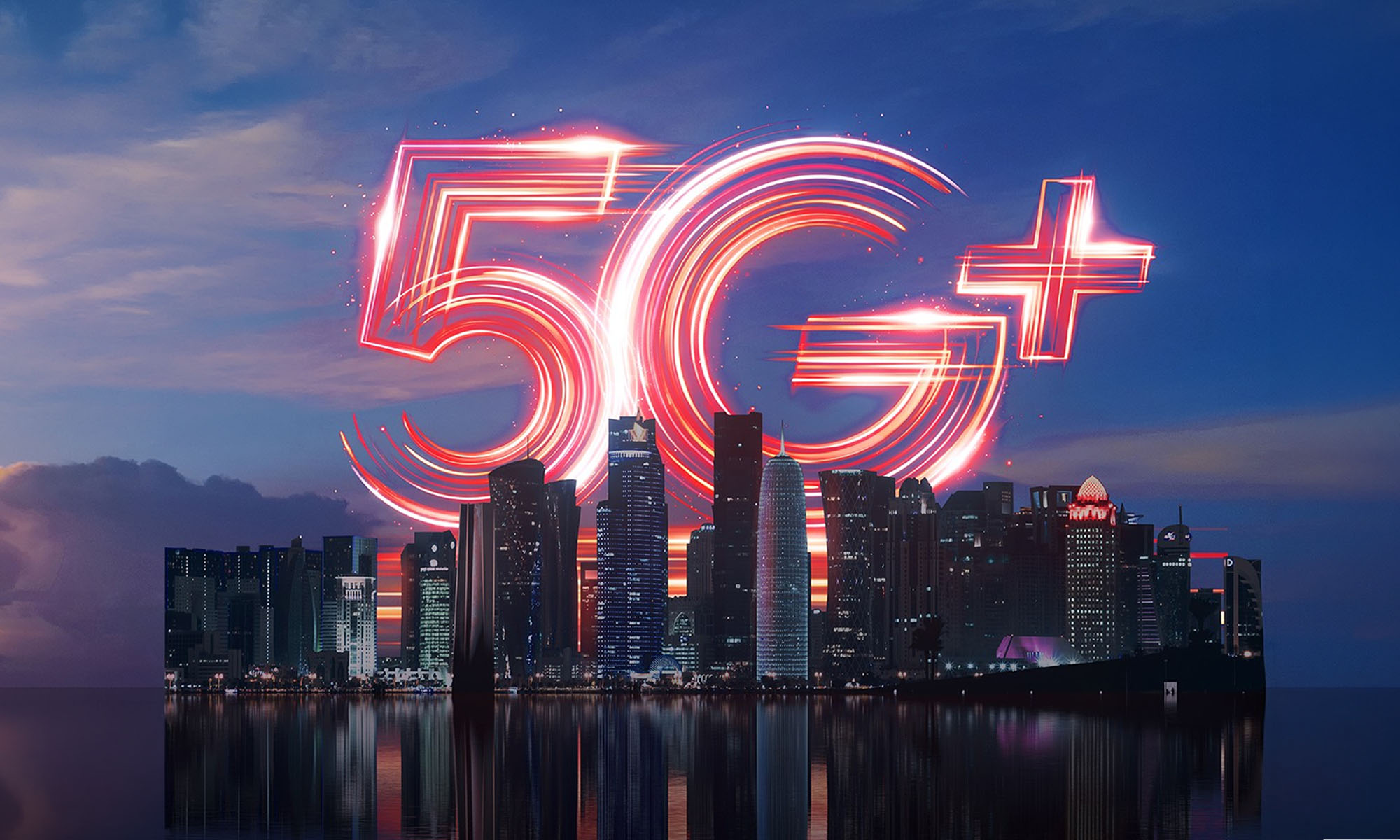
Ooredoo Qatar has launched what it calls the country’s first 5G+ mobile network. Customers get faster connections, but much of what the operator is promising is aimed at machines.
5G+ isn’t a new generation of mobile technology so much as a layering of upgrades, building on 5G Standalone and 5G Advanced. The result is the familiar trio of higher speeds, greater capacity and lower latency.
For consumers, Ooredoo promises smoother streaming, more responsive gaming and steadier connections on the move. The service is commercially available through mobile broadband in 5G+ coverage areas, and the operator is aiming it at campers during the camping season. The network has been deployed at locations across Qatar, but the announcement doesn’t name them, say whether smartphone plans are included or put figures on the speed and latency gains.
The business case is more detailed: Greater capacity lets more devices connect and exchange data efficiently, while shorter response times support real-time equipment monitoring and automated processes. Network slicing tailors connectivity to specific uses, and 5G Advanced combined with edge computing targets mission-critical applications that require rapid responses. Expanded IoT capabilities cover industrial sensors, asset trackers and utility meters, the building blocks for automation and future smart city services. The company also cites AI-enabled services and complex digital workloads.
Also Read: WHOOP Goes Arabic, Betting On The Gulf’s Appetite For Health Data
“With the 5G+ network, we are enhancing everyday digital experiences for our consumers, enabling innovation, and strengthening the competitiveness of businesses across the country,” said Sheikh Ali bin Jabor bin Mohammad Al Thani, chief executive officer of Ooredoo Qatar.
“From launching the world’s first 5G network in 2018 to deploying Qatar’s first 5G Standalone core network, we have consistently advanced connectivity,” he added.
Ooredoo ties the rollout to Qatar National Vision 2030 and the Digital Agenda 2030, framing it as part of the country’s effort to strengthen its position as a leading regional digital hub. For that ambition, the devices that matter most may be the ones without screens.

Shokz OpenDots 2 Review: Clip-On Audio Gets A Bass-Heavy Makeover

Ooredoo Qatar’s 5G+ Network Is Built For Machines As Much As People

G42’s Inception42 Wants AI To Show Its Work Before Investors Commit

WHOOP Goes Arabic, Betting On The Gulf’s Appetite For Health Data

New Disney+ Streaming App Has Officially Launched In The UAE

In Kuwait, Your Surgeon Might Be Operating From Another Country

Microsoft Plans $10 Billion-Plus Gulf Expansion Despite Iran Conflict

Qatar Folds 45 State Companies Into A Single Investment Platform

NEOPAY Wants To Follow Merchants Across Channels And Borders

RØDE’s Low-Profile Studio Arm Is Designed To Stay Out Of Shot


-
 News3 weeks ago
In Kuwait, Your Surgeon Might Be Operating From Another Country
-
 News3 weeks ago
Microsoft Plans $10 Billion-Plus Gulf Expansion Despite Iran Conflict
-
 News4 weeks ago
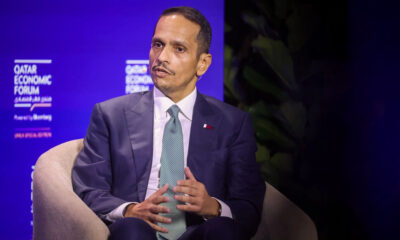
Qatar Folds 45 State Companies Into A Single Investment Platform
-
 News2 weeks ago
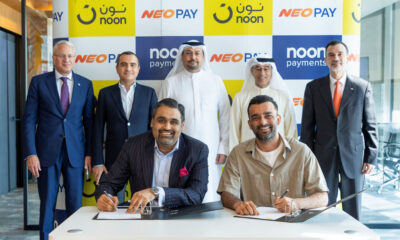
NEOPAY Wants To Follow Merchants Across Channels And Borders