
News
LEGO Unveils Smart Brick Platform At CES 2026
The toy giant is embedding sensors and wireless tech directly into a classic 2×4 brick, starting with app-free Star Wars sets launching in March.


LEGO is pushing deeper into connected play, revealing a sensor-packed “Smart Brick” at CES 2026 that bakes intelligence into a standard 2×4 form factor.
The new brick anchors SMART Play, a platform from LEGO that lets physical builds respond to movement, orientation and context without phones, apps or internet access. The system combines the Smart Brick with Smart Tags and Smart Minifigures, all designed to recognize one another and exchange data locally.
Inside the brick is a custom 4.1mm ASIC chip running what LEGO calls its Play Engine. The hardware stack includes an accelerometer, LED array, speaker and copper coils that detect motion, direction and the proximity of other Smart Bricks. Audio is generated dynamically during play, rather than triggered from fixed sound clips.
Smart Tags — thin 2×2 tiles with embedded digital IDs — and Smart Minifigures provide context. They tell the brick what role it is meant to play inside a build, whether that’s a vehicle, character or structure. “The role of the Smart Tag is to tell the Smart Brick how it should play back with you,” LEGO said.

To tie the system together, LEGO has built a local wireless layer called BrickNet, based on Bluetooth and a proprietary positioning method it calls Neighbor Position Measurement. The goal is for Smart components to communicate directly, with no external controller and no setup. LEGO is positioning the experience as closer to traditional play than to app-driven toys.
Power comes from long-life internal batteries designed to survive years of inactivity. Charging is wireless, with shared pads capable of topping up multiple bricks at once.
Also Read: Clicks Bets On Physical Keyboards With CES 2026 Launch
The company is launching SMART Play through its largest licensed franchise, Star Wars. Three initial sets skew smaller and younger than LEGO’s recent adult-focused releases. Pricing runs from $70 for a 473-piece Darth Vader TIE Fighter to $160 for a 962-piece Throne Room Duel & A-wing set.
Pre-orders open January 9, with shelves set for March 1. The debut at CES 2026 lands as toy makers experiment with embedding intelligence directly into physical products — while LEGO makes a clear bet that play should stay off-screen.



News
New Disney+ Streaming App Has Officially Launched In The UAE
The app’s recommendations now factor in what’s popular in the UAE, and a dedicated Junior Mode gives kids their own corner of Disney+.

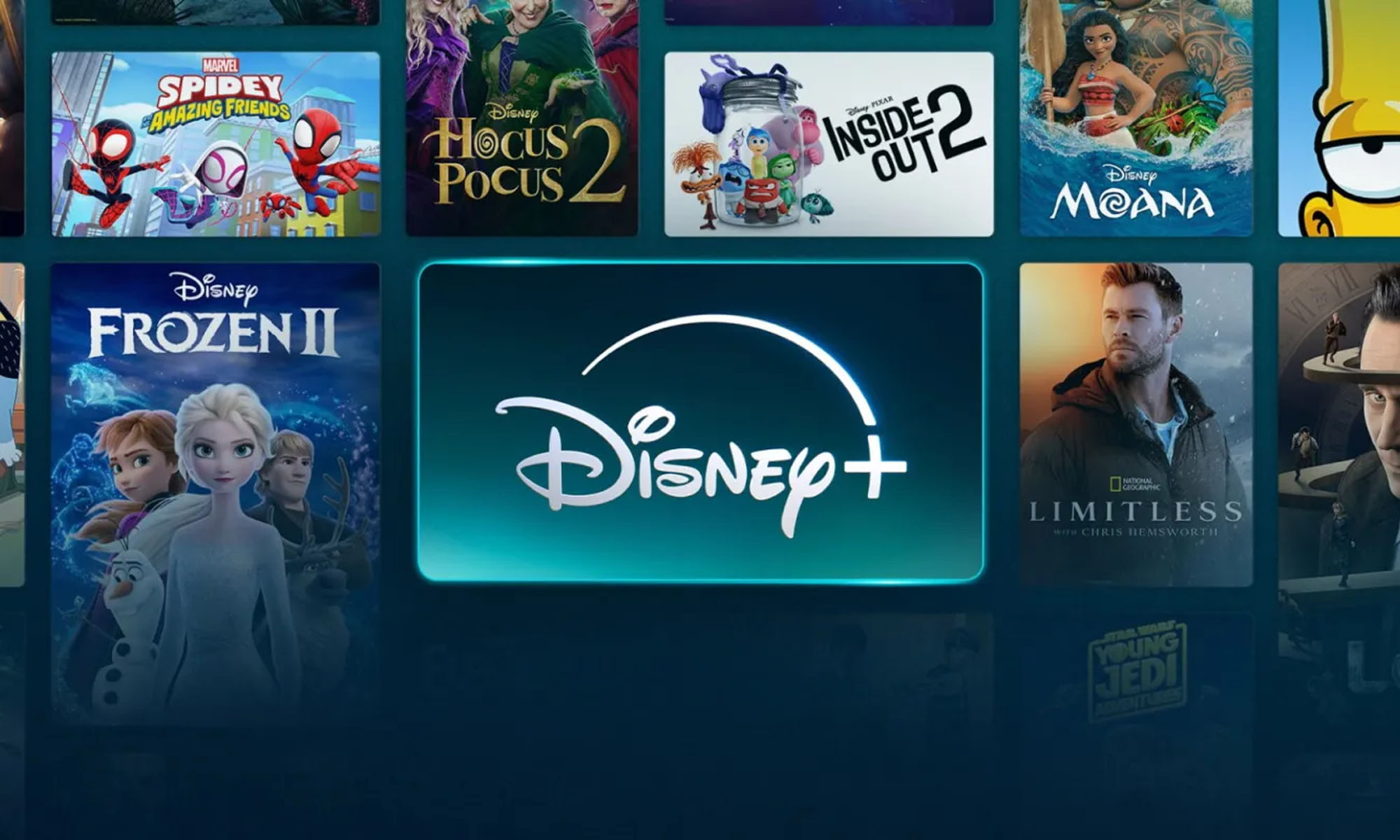
A new Disney+ app has officially launched in the UAE, and subscribers can now keep watching their favorite titles when they travel. Disney+ says access extends across supported markets in Europe, the United States and beyond.
The app is built around a dynamic homepage and simpler navigation, with recommendations drawn from each customer’s viewing habits and what’s popular in the UAE. Content from Hulu and ESPN is now easier to find alongside Disney+’s own library, the company says. Audio and subtitles come in up to 25 languages, and supported devices get high-quality video and sound.
For families, the app includes Junior Mode, a dedicated, simplified version of Disney+ for younger viewers, built around age-appropriate shows and movies. It sits alongside existing controls such as PIN-protected profiles, customizable content ratings and account notifications when a profile is changed.
The catalog still spans Disney, Pixar, Marvel, Star Wars, National Geographic, Hulu and FX. Returning series include Season 8 of “The Kardashians,” Season 23 of “Grey’s Anatomy” and Season 38 of “The Simpsons”. Also on the service are the second season of International Emmy and BAFTA Award-winning series “Rivals,” comedy “Only Murders in the Building,” Walt Disney Animation Studios’ “Zootropolis 2” and 20th Century Studios’ “Send Help”.
Also Read: Best Video Streaming Services In The Middle East
Marvel Television’s “VisionQuest” is on the way, and Disney’s live-action “Moana” is due later this autumn. Beyond Hollywood, the Turkish title “Halef” is coming to the platform alongside a lineup of Korean entertainment: Korean-Japanese romantic comedy “Merry Berry Love” is streaming now, and “The Remarried Empress” arrives November 4.
Existing subscribers will be prompted to download the new app and sign in with their current credentials, with on-screen steps covering account confirmation and profile setup. Subscriptions start at AED 49.99 per month and can be canceled at any time.
For UAE subscribers planning to travel, the update will likely be well received, but Disney has left one question open. It confirms Europe and the United States as supported markets but doesn’t yet say which others fall under and beyond.

New Disney+ Streaming App Has Officially Launched In The UAE

Dubai Says Its Deepfake Detector Needs Just 7 Seconds Of Video

OpenAI Has Announced A Visual Ad Format For ChatGPT

For etisalat, More Bandwidth Is A Matter Of Digital Sovereignty

NEOPAY Wants To Follow Merchants Across Channels And Borders

Trip.com Is Betting An AI Agent Will Book Your Next Vacation

Musk’s Boring Company Wants To Dig 150 KM Of Tunnel Under The UAE

OKX Bets Streaming Perks Can Take Crypto Mainstream Across MENA

Meta’s New $499 Plan Puts A Price On Reaching A Real Person

Apple’s First Folding iPhone Arrives Late To A Shrinking Market


-
 News3 weeks ago
Trip.com Is Betting An AI Agent Will Book Your Next Vacation
-
 News4 weeks ago
Musk’s Boring Company Wants To Dig 150 KM Of Tunnel Under The UAE
-
 News3 weeks ago
OKX Bets Streaming Perks Can Take Crypto Mainstream Across MENA
-
 News3 weeks ago
Meta’s New $499 Plan Puts A Price On Reaching A Real Person