
News
UAE Prepares To Launch Two Satellites: Thuraya-2 And MBZ-SAT
HH Sheikh Hamdan bin Mohammed bin Rashid Al Maktoum chaired the first meeting of the Supreme Space Council yesterday.

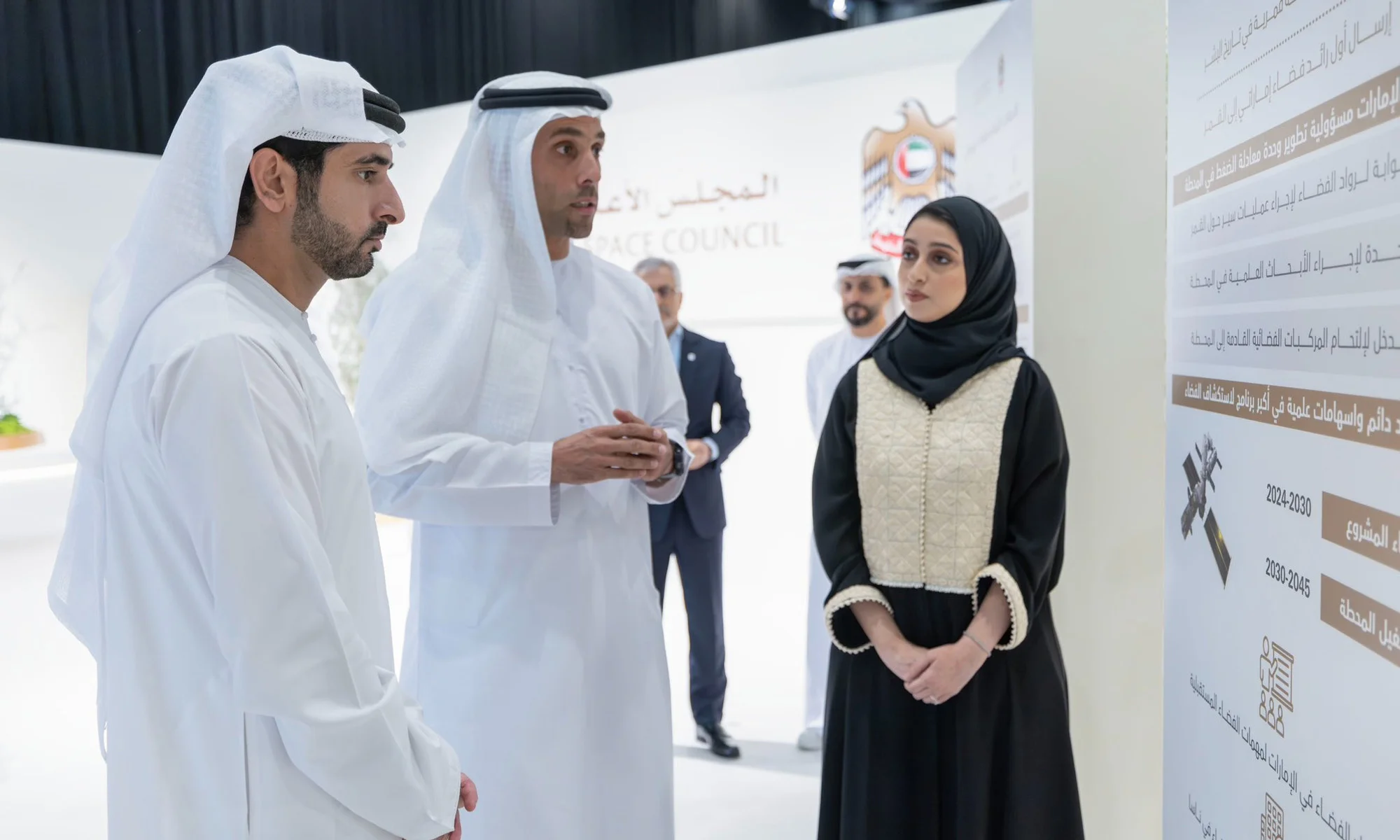
HH Sheikh Hamdan bin Mohammed bin Rashid Al Maktoum, Crown Prince of Dubai and Deputy Prime Minister of the UAE, chaired the first meeting of the Supreme Space Council in Dubai on December 16, 2024. The session highlighted the UAE’s ambitious space plans and took stock of the sector’s economic progress.
The council emphasized the growing role of private companies in advancing space technologies, noting that their contributions are now equal to that of the public sector. Members also praised initiatives like the Space Economic Zones Programme, which are designed to fuel innovation and investment in the space industry.
خلال ترؤسنا الاجتماع الأول للمجلس الأعلى للفضاء، بحثنا الاستثمارات الوطنية والمشاريع المقبلة في قطاع الفضاء والذي يشهد تطوراً مستمراً… وجددنا التزامنا بدعم ومواصلة تنفيذ برامج طموحة لاستكشاف الفضاء الخارجي حيث وصل حجم الاستثمارات في هذا القطاع إلى 40 مليار درهم خلال السنوات… pic.twitter.com/etJ33OnuSu
— Hamdan bin Mohammed (@HamdanMohammed) December 16, 2024
Discussing the UAE’s space journey, HH Sheikh Hamdan bin Mohammed bin Rashid Al Maktoum remarked, “The national space sector continues to grow and advance, and we take immense pride in the remarkable achievements we have accomplished over the years”.
Sheikh Hamdan also received updates on two upcoming satellite projects: Thuraya-2 and MBZ-SAT. Thuraya-2, developed by Space42, is slated for launch this December. Meanwhile, the MBZ-SAT, created by the Mohammed Bin Rashid Space Centre (MBRSC), will soon follow. MBRSC, a major driver of the UAE National Space Programme, continues to lead the nation’s space-related developments.
Space42 took the opportunity to showcase its advancements, including ongoing collaborations between public and private entities. The company also outlined strategies to promote innovation, boost revenue streams, and create new opportunities for growth in the sector.
Also Read: IBM Opens New Doha Office To Support Qatar’s Digital Growth
The UAE’s current projects build on a growing legacy of space exploration. Back in 2020, the nation made headlines with its Mars mission, successfully sending a probe into the planet’s orbit in 2021. This mission, which is now in its second phase as of June 2024, has been collecting critical data to develop a comprehensive diurnal image of Mars.
The UAE also ventured into lunar exploration with an unmanned mission aimed at studying untouched regions of the Moon’s surface. While the probe ultimately crashed during its landing attempt after communication was lost seconds before touchdown, the effort represented a significant step in the country’s exploration ambitions.





News
Microsoft Plans $10 Billion-Plus Gulf Expansion Despite Iran Conflict
Security is shaping Microsoft’s approach, from resilience work with governments to what it will say about how the money splits by country.
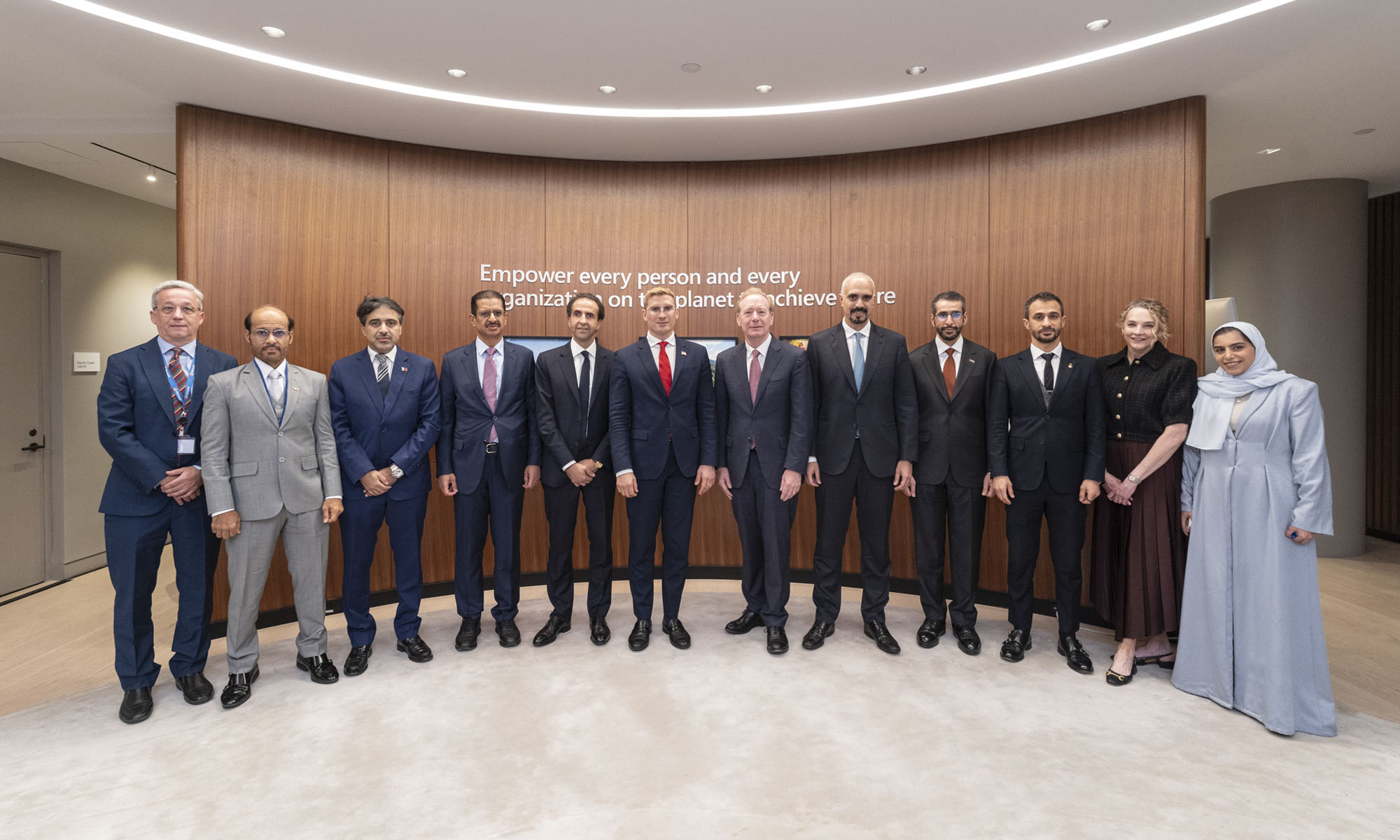
Microsoft is planning more than $10 billion of investment across the UAE, Saudi Arabia, Qatar and Kuwait through 2030, Vice Chair and President Brad Smith told Reuters, calling the spending schedule aggressive. The Iranian conflict that began on February 28 has not persuaded the company to scale back.
“We’re sustaining all the investments we planned to make before this conflict started, and we are in fact adding to them,” Smith said. The $10 billion-plus total does not, however, show how large those additions are.
The investment, which Smith described as part of Microsoft’s continued infrastructure expansion, is aimed at cloud and AI infrastructure and at the company’s growing regional operations. Microsoft also intends to put more than $400 million into subsea and terrestrial connectivity across the Middle East by 2030.
The spending fits the region’s own ambitions too. Gulf governments have been investing heavily in AI infrastructure as part of a push to diversify their economies beyond oil and gas and turn themselves into global technology hubs. Major cloud and AI providers have been drawn in part by the land and relatively low-cost energy on offer.
Microsoft is widening its partnerships with regional AI companies, though not on identical terms. In 2024, it invested $1.5 billion in Abu Dhabi-based G42 for a minority stake, and Smith currently sits on G42’s board. Saudi Arabia’s Humain and Qatar’s Qai are working with Microsoft on selected priority areas, but Smith said the company does not plan to make capital investments in either.
Also Read: Egypt’s Mobile Wallets Are Booming, But Cash Still Has Power
The conflict has added another strand to Microsoft’s work in the region. Since it began, Smith said, the company has supported regional partners with digital resilience assessments, and it is now working with Gulf countries through a digital resilience initiative focused on preparedness and the protection of critical data.
So far, the company has given no country-by-country breakdown of the investment, citing security among other factors. So while the headline figure is public, how Microsoft divides the spending among the four countries is not.

Microsoft Plans $10 Billion-Plus Gulf Expansion Despite Iran Conflict

In Kuwait, Your Surgeon Might Be Operating From Another Country

Qatar Folds 45 State Companies Into A Single Investment Platform

Trip.com Is Betting An AI Agent Will Book Your Next Vacation

Meta’s New $499 Plan Puts A Price On Reaching A Real Person

Apple’s First Folding iPhone Arrives Late To A Shrinking Market
Trip.com Is Betting An AI Agent Will Book Your Next Vacation

Egypt’s Mobile Wallets Are Booming, But Cash Still Has Power

OKX Bets Streaming Perks Can Take Crypto Mainstream Across MENA

Musk’s Boring Company Wants To Dig 150 KM Of Tunnel Under The UAE


-
 News3 weeks ago
Apple’s First Folding iPhone Arrives Late To A Shrinking Market
-
 News2 weeks ago
Trip.com Is Betting An AI Agent Will Book Your Next Vacation
-
 News2 weeks ago
Egypt’s Mobile Wallets Are Booming, But Cash Still Has Power
-
 News2 weeks ago
OKX Bets Streaming Perks Can Take Crypto Mainstream Across MENA