
News
Saudi Arabia’s Hajj 2023 Expo Promises A High-Tech Pilgrimage
The Saudi Arabian government and private tech companies have shown off the latest solutions to help pilgrims enjoy a smooth experience during their journey.

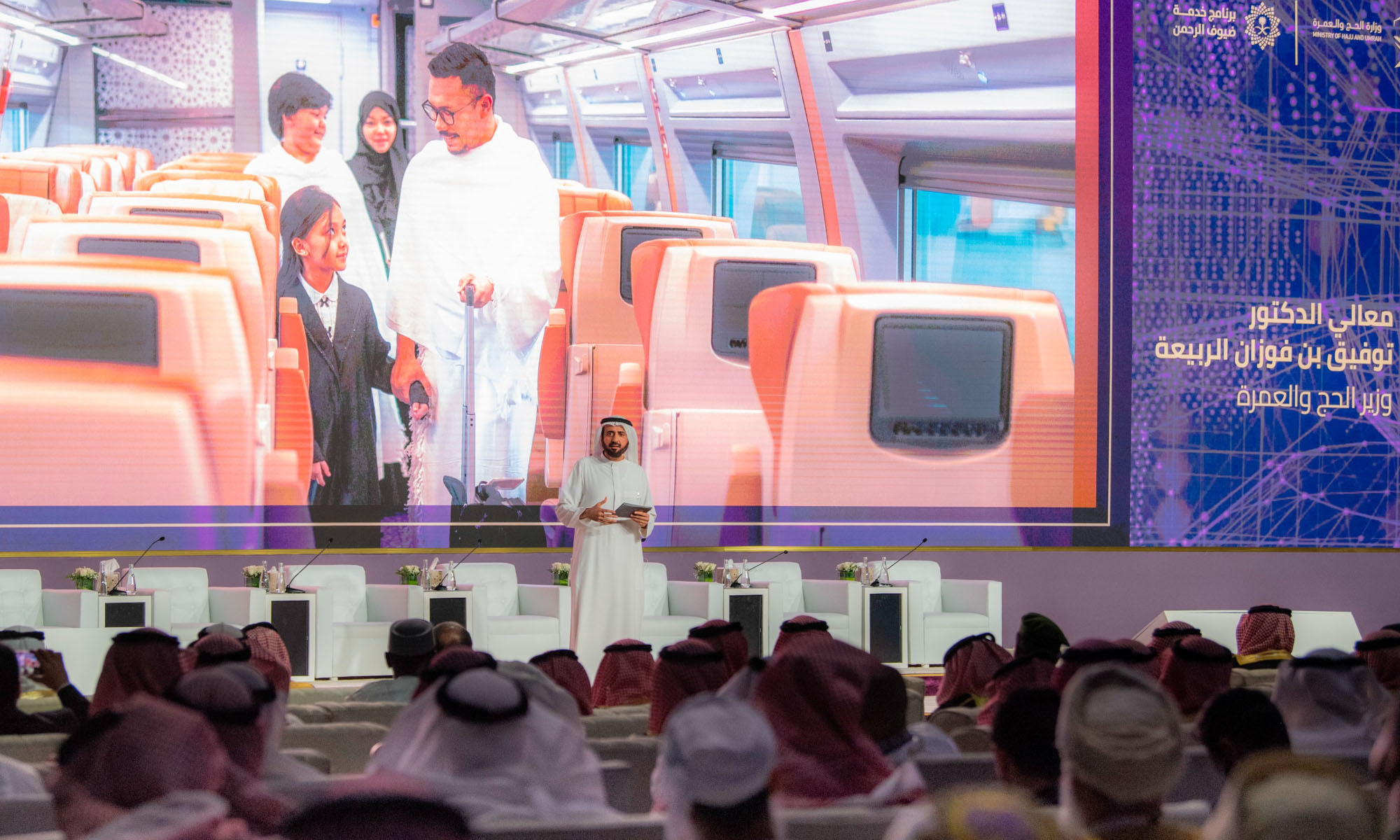
Hajj is one of Islam’s most important pilgrimages, with around 2.5 million people making the journey in 2019, before COVID-19 travel restrictions forced officials to limit numbers.
This year, Dr. Tawfiq Al Rabiah, Minister of Hajj and Umrah, revealed that the number of pilgrims would be allowed to return to pre-pandemic levels. Due to the enormous scale of the annual Mecca festival, Saudi Arabian authorities must do everything in their power to ensure everything runs smoothly and safely.
During the Hajj Expo 2023, service providers from various fields came together to demonstrate their solutions, many of which involved emerging technologies.
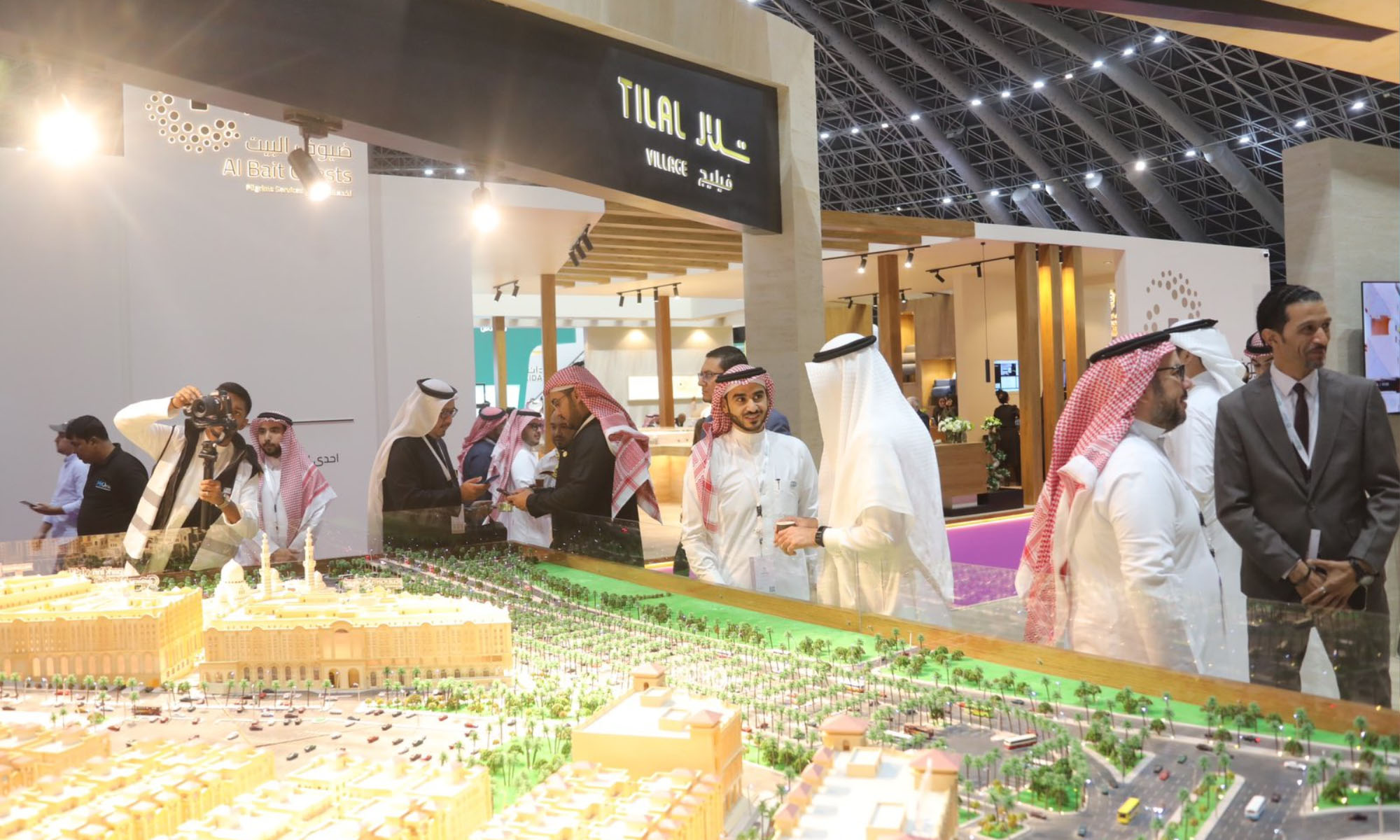
One of the most notable new developments is the launch of a smartcard which, with the help of the Nusuk foundation, will store a user’s personal, residential, and health information in the Nusuk app. In addition, artificial intelligence (AI) will also help with “everything from performing the rituals to leaving the holy sites and the Kingdom”. Last week, the Saudi government announced that registrations would open on the ministry’s website and the Nusuk application.
Along with official service providers, private companies also exhibited their solutions. The Tawkeel application was created by a Saudi-based tech startup and aims to help pilgrims “delegate rituals”. Often, worshippers cannot travel to Mecca due to disabilities or financial reasons. The new app will allow those people to track the progress of the person performing rituals on their behalf and can also be used to ask them to recite specific prayers.
Also Read: New Tech Allows Faster Breast Cancer Detection In Middle East
Due to the scale of the event, Hajj officials often have to deal with severe accidents, including stampedes and crushes that have injured hundreds or even thousands of people. With that in mind, Tuwaiq ambulance showcased their latest vehicle, capable of evacuating 10 patients during an emergency, complete with onboard oxygen and medical supplies.
As well as emergency vehicles, site infrastructure also needs careful consideration. This year’s event will see the addition of 25 km of new ring roads around the site, which will link “the First Ring Road with the Masar project and the Makkah Reconstruction and Development project”, according to Saleh Al Rasheed, chief executive of the Royal Commission for Makkah City and Holy Sites.
The Hajj expo 2023 has shown how seriously the Kingdom is taking digital transformation. This year’s pilgrimage is shaping up to be more technologically advanced than ever before, blending traditional and modern values without diluting the importance of this sacred event.




News
Qatar Folds 45 State Companies Into A Single Investment Platform
Doha Investment names AI, manufacturing and healthcare among its priorities – and pitches a state-owned vehicle as a boost for private enterprise.

The Qatar Investment Authority has spent two decades deploying Qatari wealth at home and abroad, and now its domestic holdings have a vehicle of their own.
Qatar has placed 45 state-owned companies under a new platform, Doha Investment, as it seeks to accelerate its next phase of economic growth. Wholly owned by the QIA, the platform will run the sovereign wealth fund’s domestic portfolio under its own mandate and board, with artificial intelligence, advanced technology, manufacturing and healthcare among its priorities.
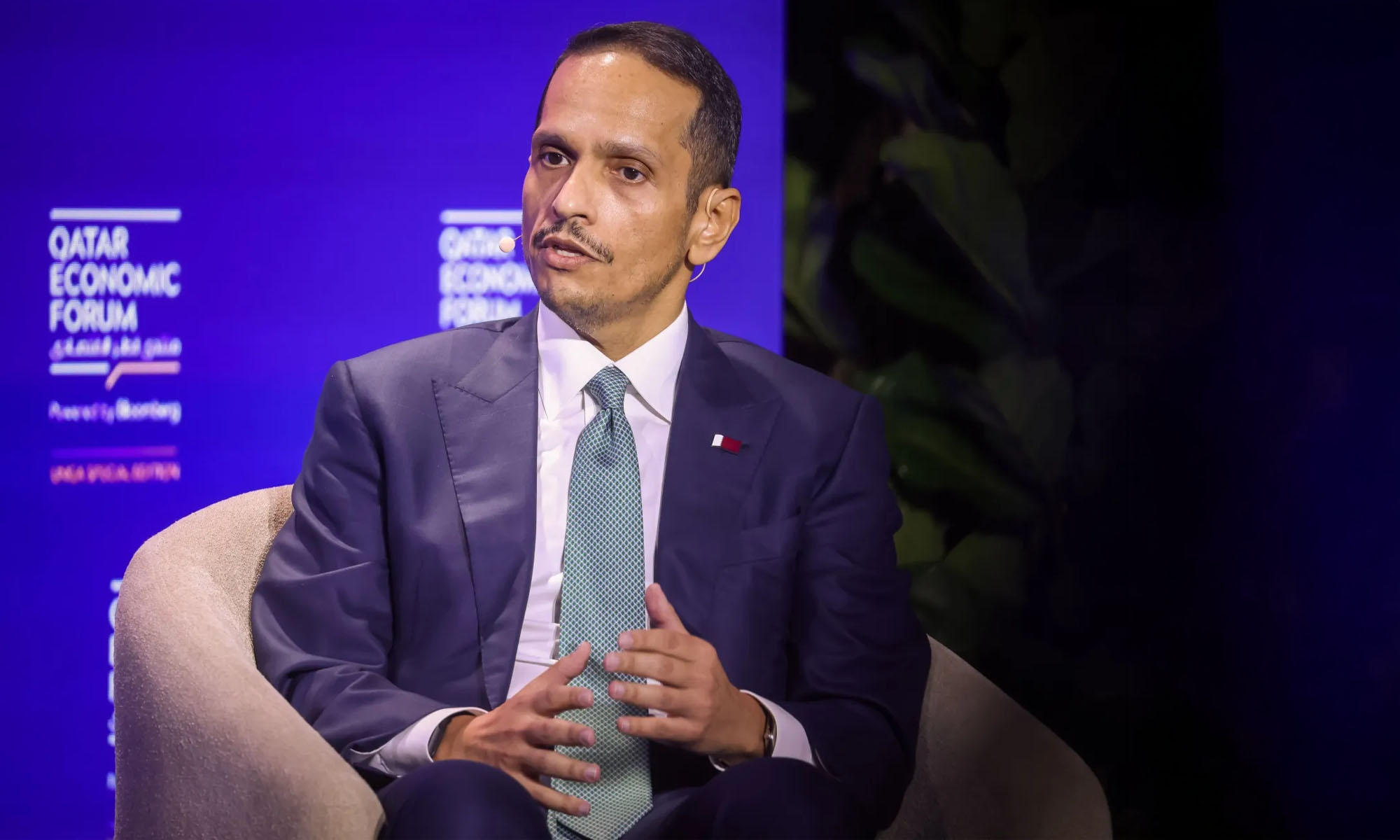
Prime Minister Sheikh Mohammed bin Abdulrahman Al Thani announced the plans on Sunday at a special edition of the Qatar Economic Forum in New York. “Through this platform, we aim to expand the role of the private sector in driving Qatar’s economic growth,” he said, adding that it would also deepen capital markets and bring in new international capital and expertise.
The companies operate across more than 80 markets and include Qatar Airways, QNB, Ooredoo, Qatari Diar, Katara Hospitality and Hassad Food. Together they span finance, transport and logistics, telecoms and technology, real estate, hospitality, food and agriculture. Aside from those familiar national names, other companies the platform will target include those operating in advanced technology, manufacturing, supply chains and healthcare.
Qai, Qatar’s national AI platform, set up to support the deployment of AI across businesses and wider society, is also included in the portfolio.
Also Read: OKX Bets Streaming Perks Can Take Crypto Mainstream Across MENA
Sheikh Faisal bin Thani Al Thani, the minister of commerce and industry, will serve as managing director and vice-chairman. He described the step as a consolidation rather than a new creation, one under consideration for more than a decade. “Strong economies are built company by company,” he said. “Doha Investment will be an active, long-term partner to the businesses in its portfolio, working alongside management teams to unlock new sources of value and support their growth and competitiveness in the region and internationally”.
The platform forms part of Qatar’s Third National Development Strategy, which aims to make the private sector a primary driver of a more sustainable and diversified economy. The QIA manages about $580 billion in assets, according to Global SWF.

Qatar Folds 45 State Companies Into A Single Investment Platform

Trip.com Is Betting An AI Agent Will Book Your Next Vacation

Meta’s New $499 Plan Puts A Price On Reaching A Real Person

OKX Bets Streaming Perks Can Take Crypto Mainstream Across MENA

Musk’s Boring Company Wants To Dig 150 KM Of Tunnel Under The UAE

Visa’s Return To Syria Starts With A Test And A Bank In Lebanon

RØDE’s New DS3 Studio Arm Is Built For Heavier Creator Setups

Apple’s Latest Product Releases Make The Headlines

Apple’s First Folding iPhone Arrives Late To A Shrinking Market
OKX Bets Streaming Perks Can Take Crypto Mainstream Across MENA


-
 News2 weeks ago
Apple’s Latest Product Releases Make The Headlines
-
 News2 weeks ago
Apple’s First Folding iPhone Arrives Late To A Shrinking Market
-
 News1 week ago
OKX Bets Streaming Perks Can Take Crypto Mainstream Across MENA
-

 News2 weeks ago
Egypt’s Mobile Wallets Are Booming, But Cash Still Has Power