
News
Digital Tech Will Help Saudi Arabia Host 30 Million Pilgrims By 2030
For the last two decades, the Hajj pilgrimage has been typically attended by 2 to 3 millions of pilgrims.

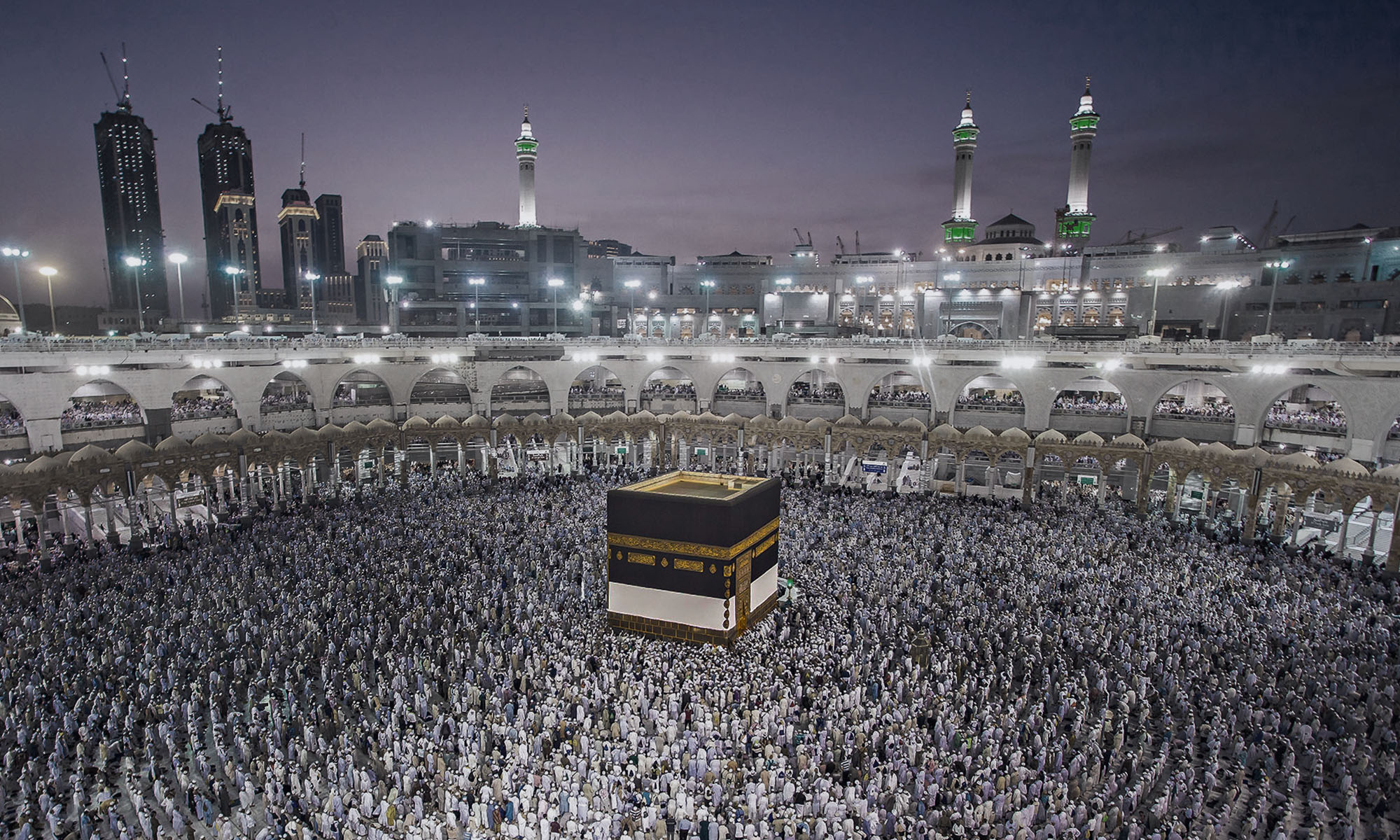
This year’s Hajj pilgrimage was open to 1 million pilgrims from Saudi Arabia. By 2030, Saudi Arabia would like to host as many as 30 million pilgrims. To make this ambitious goal possible, the Kingdom is betting on digital technology.
One tech initiative that was launched by the Saudi Ministry of Hajj and Umrah earlier this year is Hajj Smart ID, a smart ID card with barcodes containing pilgrim’s personal information and documentation. The card frees pilgrims from having to carry official documents, and it also helps guide pilgrims to their residences, among other things.
Last year, Saudi Data and Artificial Intelligence Authority (SDAIA) and Doyof Al Rahman Program (DARP) launched the Pilgrim’s Smart Bracelet (NUSK) project. The bracelet is intended to help organizers track pilgrim’s health information and vaccination records.
Tech initiatives like Hajj Smart ID and the smart bracelet project are guided by the Pilgrim Experience Program, a core component of Saudi Vision 2030. The program strives to give as many Muslims as possible the opportunity to perform Hajj and Umrah to the fullest extent while working on enhancing their experience.
Also Read: Cisco Unveils Strategic Vision For Enterprise Cloud Security In MENA
“These technological solutions can help attract more Muslims to the two holy mosques, ultimately achieving the Kingdom’s goals in the Saudi Vision 2030 to welcome millions of pilgrims and help them with high-quality services and enrich their experience in the kingdom,” said Amr Al-Madah, Deputy Minister of Hajj and Umrah.
For the last two decades, the Hajj pilgrimage has been typically attended by 2 to 3 millions of pilgrims. The last three years were exceptions caused by the COVID-19 pandemic, with the year 2020 seeing a record low attendance of just 1,000 pilgrims. It will be interesting to see how this new digital technology will be able to effectively handle almost 30x the amount of pilgrims by the end of the decade.




News
Microsoft Plans $10 Billion-Plus Gulf Expansion Despite Iran Conflict
Security is shaping Microsoft’s approach, from resilience work with governments to what it will say about how the money splits by country.

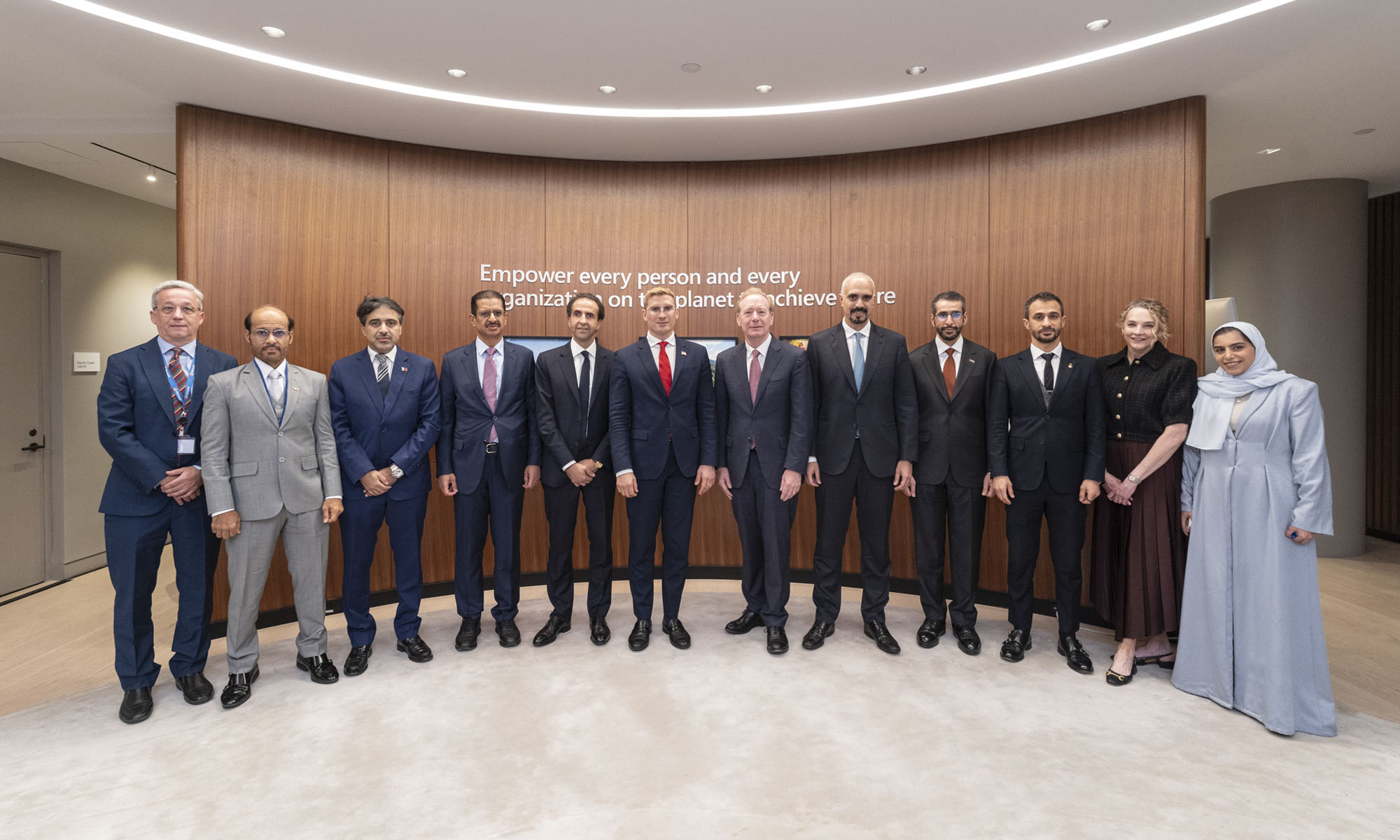
Microsoft is planning more than $10 billion of investment across the UAE, Saudi Arabia, Qatar and Kuwait through 2030, Vice Chair and President Brad Smith told Reuters, calling the spending schedule aggressive. The Iranian conflict that began on February 28 has not persuaded the company to scale back.
“We’re sustaining all the investments we planned to make before this conflict started, and we are in fact adding to them,” Smith said. The $10 billion-plus total does not, however, show how large those additions are.
The investment, which Smith described as part of Microsoft’s continued infrastructure expansion, is aimed at cloud and AI infrastructure and at the company’s growing regional operations. Microsoft also intends to put more than $400 million into subsea and terrestrial connectivity across the Middle East by 2030.
The spending fits the region’s own ambitions too. Gulf governments have been investing heavily in AI infrastructure as part of a push to diversify their economies beyond oil and gas and turn themselves into global technology hubs. Major cloud and AI providers have been drawn in part by the land and relatively low-cost energy on offer.
Microsoft is widening its partnerships with regional AI companies, though not on identical terms. In 2024, it invested $1.5 billion in Abu Dhabi-based G42 for a minority stake, and Smith currently sits on G42’s board. Saudi Arabia’s Humain and Qatar’s Qai are working with Microsoft on selected priority areas, but Smith said the company does not plan to make capital investments in either.
Also Read: Egypt’s Mobile Wallets Are Booming, But Cash Still Has Power
The conflict has added another strand to Microsoft’s work in the region. Since it began, Smith said, the company has supported regional partners with digital resilience assessments, and it is now working with Gulf countries through a digital resilience initiative focused on preparedness and the protection of critical data.
So far, the company has given no country-by-country breakdown of the investment, citing security among other factors. So while the headline figure is public, how Microsoft divides the spending among the four countries is not.

Microsoft Plans $10 Billion-Plus Gulf Expansion Despite Iran Conflict

In Kuwait, Your Surgeon Might Be Operating From Another Country

Qatar Folds 45 State Companies Into A Single Investment Platform

Trip.com Is Betting An AI Agent Will Book Your Next Vacation

Meta’s New $499 Plan Puts A Price On Reaching A Real Person

Apple’s First Folding iPhone Arrives Late To A Shrinking Market
Trip.com Is Betting An AI Agent Will Book Your Next Vacation

Egypt’s Mobile Wallets Are Booming, But Cash Still Has Power

OKX Bets Streaming Perks Can Take Crypto Mainstream Across MENA

Musk’s Boring Company Wants To Dig 150 KM Of Tunnel Under The UAE


-
 News3 weeks ago
Apple’s First Folding iPhone Arrives Late To A Shrinking Market
-
 News2 weeks ago
Trip.com Is Betting An AI Agent Will Book Your Next Vacation
-
 News2 weeks ago
Egypt’s Mobile Wallets Are Booming, But Cash Still Has Power
-
 News2 weeks ago
OKX Bets Streaming Perks Can Take Crypto Mainstream Across MENA