
News
Saudi Arabian Fintech Hakbah Partners With Tawuniya Insurance
The duo plans to revolutionize financial savings in the Kingdom while revealing an extensive life insurance coverage plan for Hakbah members.

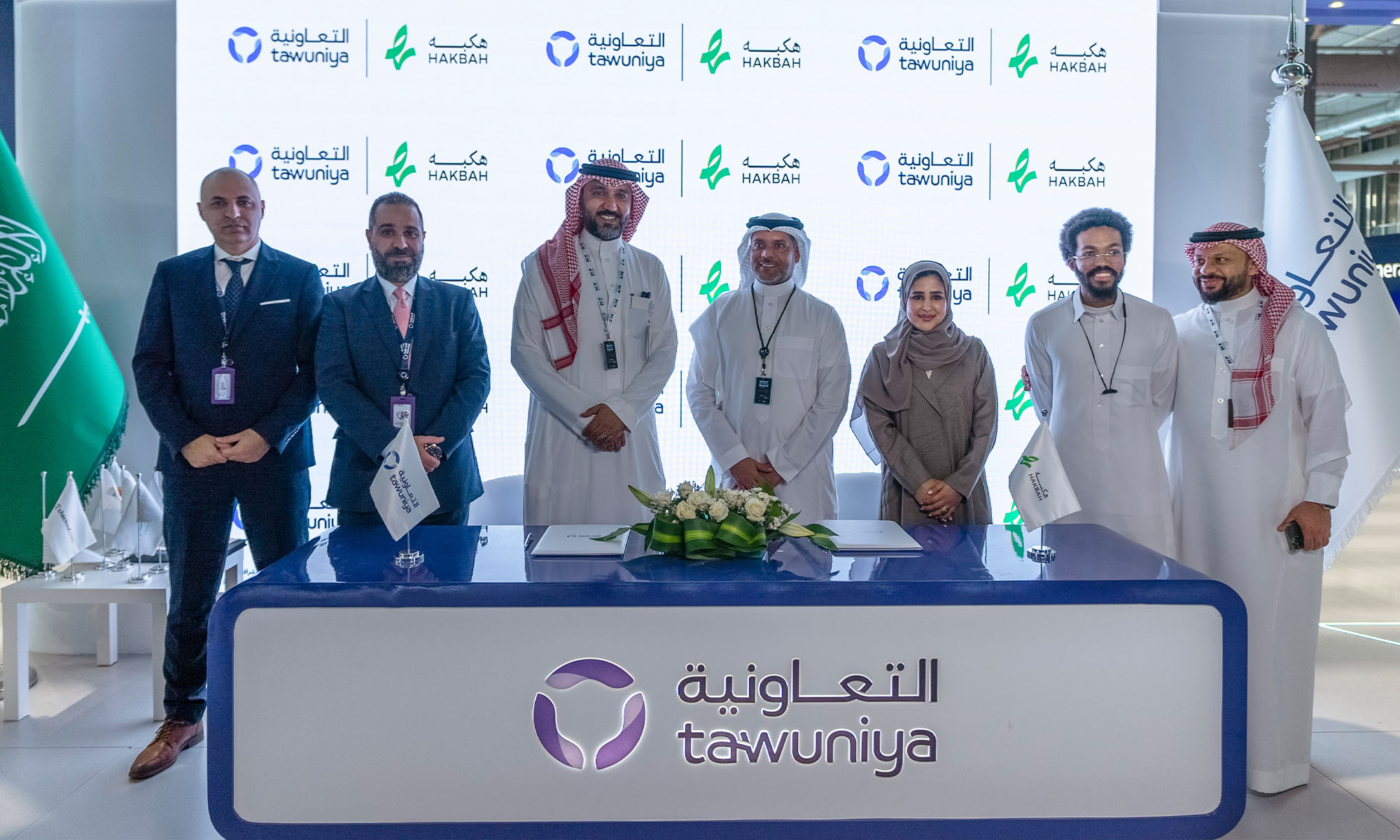
Saudi fintech savings platform Hakbah has announced a revolutionary partnership with national insurance company Tawuniya at 24Fintech in Riyadh.
The strategic alliance will shake up the financial savings landscape in Saudi Arabia and address a significant gap in the market by offering Hakbah customers comprehensive life insurance during their Jameya time.
Key benefits will include:
- Extensive insurance coverage, including Death of Any Cause (DAC) to Passive War Risk (PWR).
- Enhanced financial security that lets customers focus on saving without worry.
- Alignment with Saudi Arabia’s Vision 2030 to support the government’s goal of boosting savings rates and promoting financial inclusion.
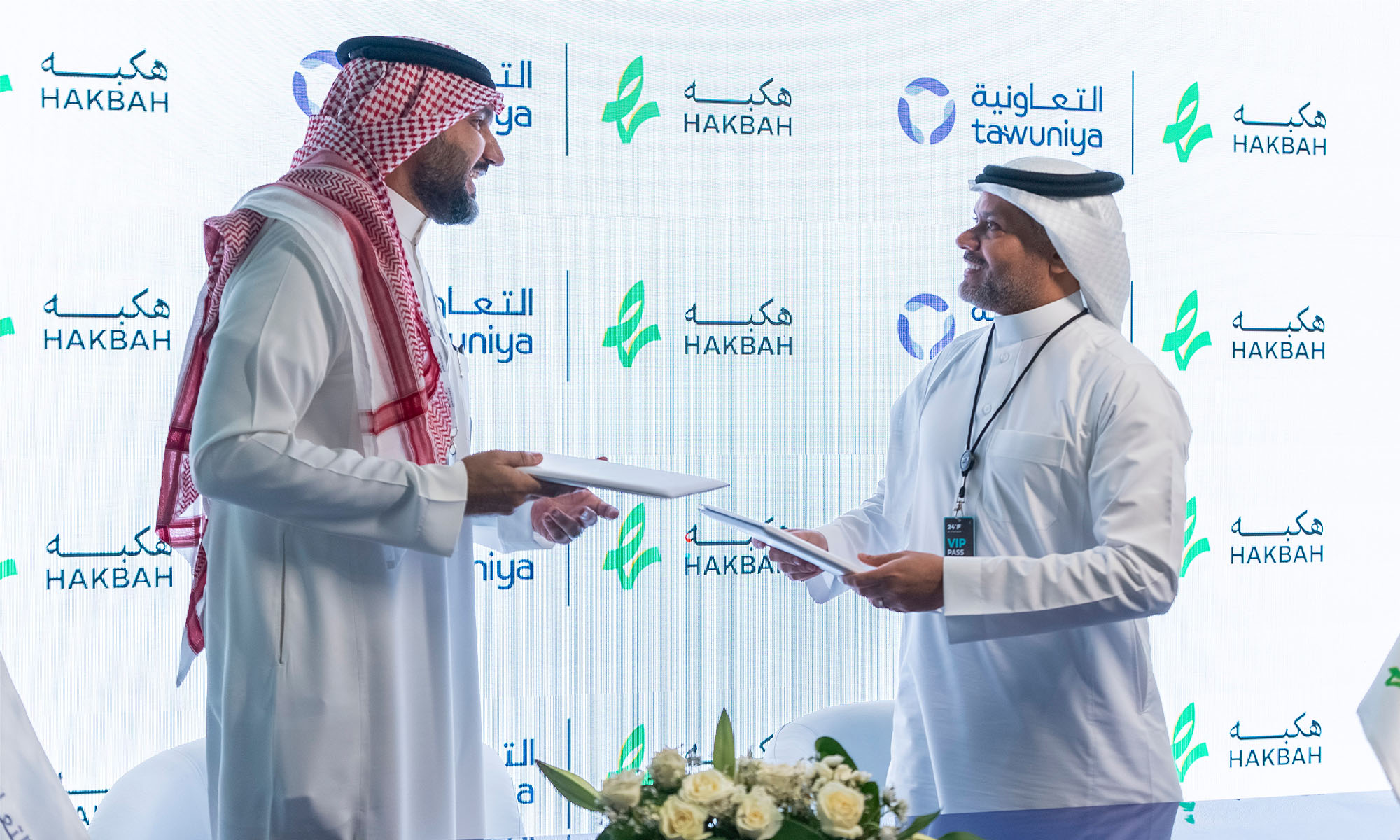
Hakbah founder Naif AbuSaida has expressed his enthusiasm for the collaboration, stating:
“We are thrilled to partner with Tawuniya to provide our customers with unparalleled financial security through life insurance coverage for all Hakbah’s members during the Jameya duration. Hakbah prides itself on its unyielding commitment to savings, driven by cutting-edge savings-engine technology. We look forward to exploring more collaboration with Tawuniya to benefit our customers and unleash the full potential of increased financial savings”.
Mohammed Bin Salma, Senior Executive Director for Life Sector of Tawuniya, added:
“The new partnership with Hakbah builds on Tawuniya’s commitment to promoting a culture of financial savings in the Kingdom, especially among the youth segment that constitutes the majority of the country’s population. Tawuniya […] will expand its reach to new horizons and cater to a broader customer base. By offering insured products, Tawuniya empowers individuals across every segment to embrace a positive savings culture”.
Also Read: Workplace Study Reveals Middle Eastern AI Use Is Skyrocketing
With around 70% of Saudi citizens requiring more emergency savings and household savings rates averaging just 1.6%, Hakbah hopes to make a lasting impact on this $20.5 billion market. The company is growing rapidly and has already exceeded its total revenue for 2023 in the first half of 2024. With a user base of 750,000+ and strategic partnerships with Riyad Bank, Fransi Bank, ANB, flynas, and Tawuniya, Hakbah is now extremely well-positioned to continue its impressive growth.


News
Egypt’s Mobile Wallets Are Booming, But Cash Still Has Power
Egypt’s telecom regulator says $57.6 billion moved through more than 57 million wallets in six months. And one operator handled 77% of the value.
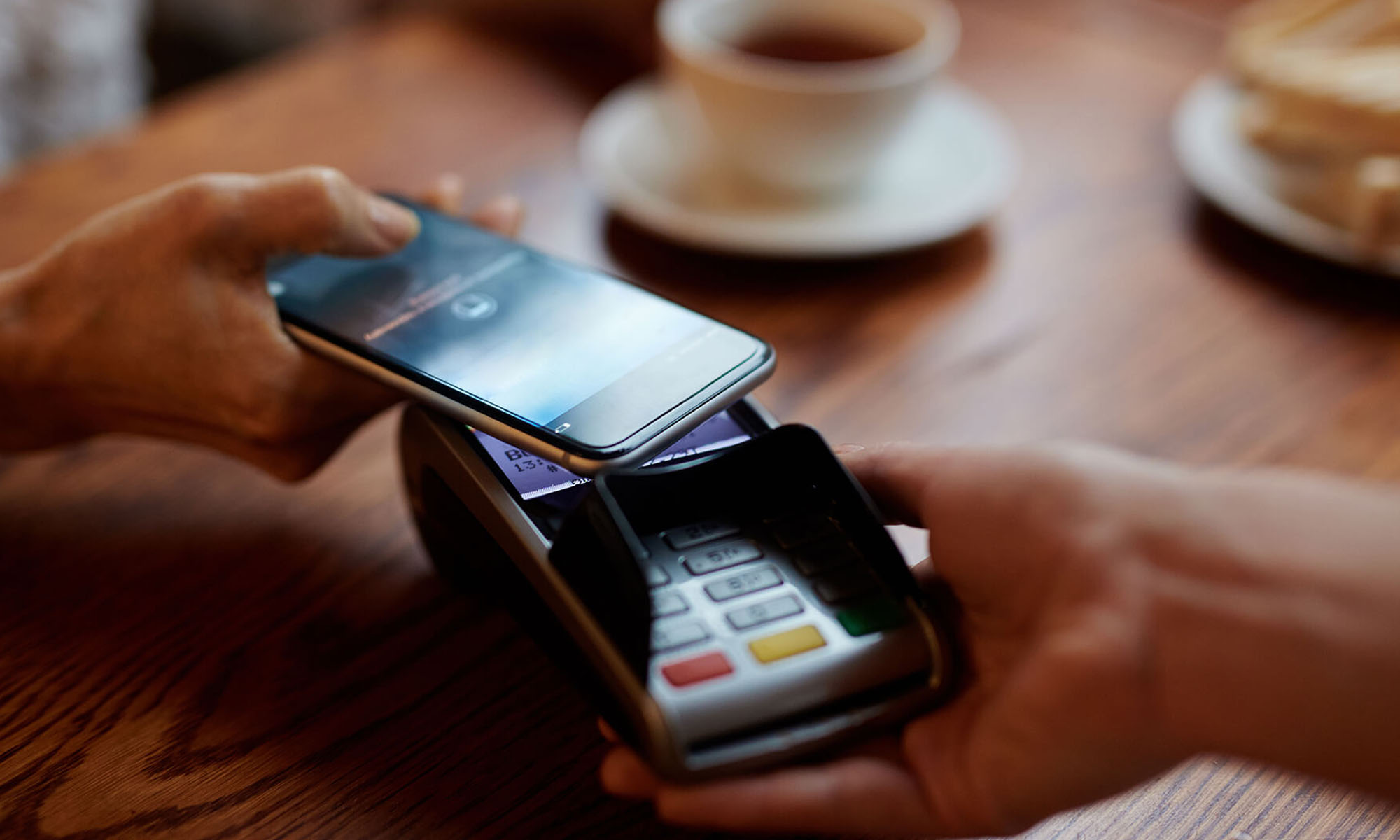
Egypt’s mobile wallets handled EGP 2.96 trillion ($57.6 billion) in transactions in the first half of 2026, according to the National Telecom Regulatory Authority – a 56% rise on the EGP 1.90 trillion ($36.9 billion) recorded a year earlier. Transactions grew faster still, up 62% to 2.22 billion, while registered wallets climbed 23% to 57.01 million.
On one reading, that is exactly what Egypt’s regulators have been pushing for: a payments system that runs through telecom-linked wallets rather than banknotes. But the same data shows how far cash still reaches into it. Cash withdrawals made up just 12% of the transactions taking money out of wallets, yet 75% of the value withdrawn or spent.
Money arrives mostly from bank accounts: transfers through InstaPay accounted for 78% of deposit transactions and 58% of the value deposited, while incoming remittances from abroad made up 3% of deposit transactions but 10% of their value. Once inside, it largely moves between wallets – wallet-to-wallet transfers accounted for 54% of all transactions and 67% of total value, with mobile and internet top-ups a distant second at 25% of volume. In effect, the wallet is serving as a transfer layer: the place money passes through between the bank account and the banknote.
That layer also runs predominantly through one operator. Vodafone Cash held 53% of registered wallets and 57% of active ones, but handled 69% of transactions and 77% of their value. Its nearest rival, e& money, held 23% of registered wallets but 14% of transaction value; Orange Cash 20% and 8%; WE Pay 4% of wallets. How many of the 57.01 million are active is not stated.
Also Read: Visa’s Return To Syria Starts With A Test And A Bank In Lebanon
Adoption is rather uneven in other respects. Men held 38 million wallets, or 67% of the total, against 19 million held by women. Users aged 26 to 45 accounted for half of all wallets, and Cairo alone had 10.6 million, or 19% of the national total, with Giza next at 6.5 million.
The NTRA says it is continuing to work with telecom operators on the regulatory framework for wallet services, part of a wider effort to expand electronic payments and financial inclusion. Its own figures show that effort succeeding on the way in. On the way out, three-quarters of the value still leaves as cash.

Egypt’s Mobile Wallets Are Booming, But Cash Still Has Power

Apple’s First Folding iPhone Arrives Late To A Shrinking Market

Apple’s Latest Product Releases Make The Headlines

Visa’s Return To Syria Starts With A Test And A Bank In Lebanon

RØDE’s New DS3 Studio Arm Is Built For Heavier Creator Setups

Anghami’s New Elite Program Starts With A Three-Decade Catalog

Dubai’s aradus Wants AI To Run The Back Office Of Physical Trade

Qatar Is Getting Its First EV Plant, Built To Cope With Gulf Heat

Qatar Airways Flies The World’s First Starlink-Equipped 787-9

Former Rockstar Director Dismisses GTA 6 Leaks As “Nothing Burger”


-
 News3 weeks ago
Former Rockstar Director Dismisses GTA 6 Leaks As “Nothing Burger”
-
 News3 weeks ago
RØDE’s New DS3 Studio Arm Is Built For Heavier Creator Setups
-

 News3 weeks ago
Dubai Turns AI On Its Own Civil Service To Measure Productivity
-
 News3 weeks ago
Visa’s Return To Syria Starts With A Test And A Bank In Lebanon