
News
Google Releases Veo 2 AI Video Tool To MENA Users
The state-of-the-art video generation model is now available in Gemini, offering realistic AI-generated videos with better physics, motion, and detail.


Starting today, users of Gemini Advanced in the MENA region — and globally — can tap into Veo 2, Google’s next-generation video model.
Originally unveiled in 2024, Veo 2 has now been fully integrated into Gemini, supporting multiple languages including Arabic and English. The rollout now brings Google’s most advanced video AI directly into the hands of everyday users.
Veo 2 builds on the foundations of its predecessor with a more sophisticated understanding of the physical world. It’s designed to produce high-fidelity video content with cinematic detail, realistic motion, and greater visual consistency across a wide range of subjects and styles. Whether recreating natural landscapes, human interactions, or stylized environments, the model is capable of interpreting and translating written prompts into eight-second 720p videos that feel almost handcrafted.
Users can generate content directly through the Gemini platform — either via the web or mobile apps. The experience is pretty straightforward: users enter a text-based prompt, and Veo 2 returns a video in 16:9 landscape format, delivered as an MP4 file. These aren’t just generic clips — they can reflect creative, abstract, or highly specific scenarios, making the tool especially useful for content creators, marketers, or anyone experimenting with visual storytelling.
Also Read: Getting Started With Google Gemini: A Beginner’s Guide
To ensure transparency, each video is embedded with SynthID — a digital watermark developed by Google’s DeepMind. The watermark is invisible to the human eye but persists across editing, compression, and sharing. It identifies the video as AI-generated, addressing concerns around misinformation and media authenticity.
While Veo 2 is still in its early phases of public rollout, the technology is part of a broader push by Google to democratize advanced AI tools. With text-to-image, code generation, and now video creation integrated into Gemini, Google is positioning the platform as a full-spectrum creative assistant.
Access to Veo 2 starts today and will continue expanding in the coming weeks. Interested users can try it out at gemini.google.com or through the Gemini app on Android and iOS.


News
Samsung’s Galaxy Watch 9 And Ultra 2 Specs Leak Ahead Of Unpacked
An 800mAh Ultra 2 battery and a switch from Exynos to Qualcomm silicon headline the expected changes for Samsung’s next smartwatches.
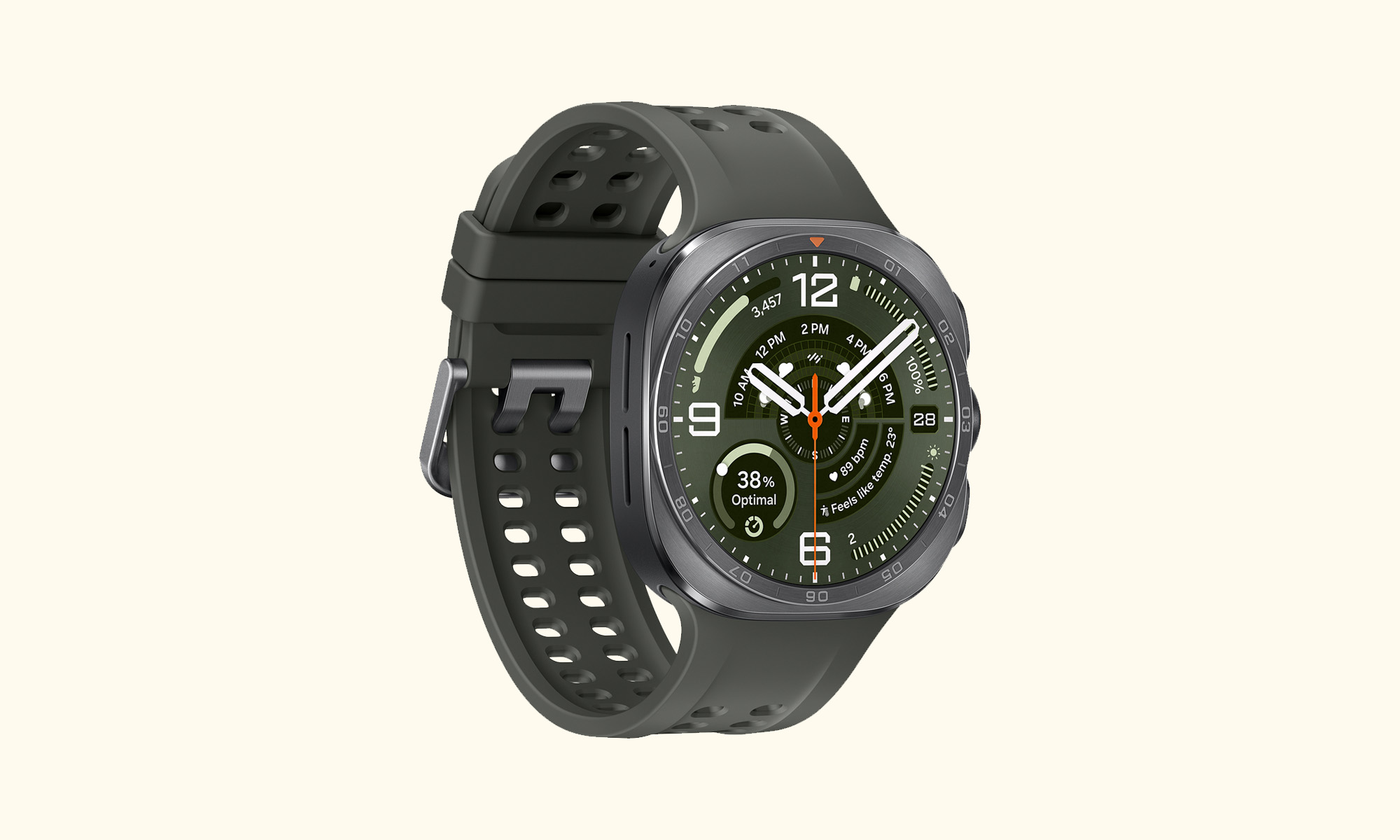
Samsung’s next smartwatches have little left to hide. A new leak reported by Android Authority has surfaced most of the remaining details about the Galaxy Watch 9 and Galaxy Watch Ultra 2, just over a week before the company’s Galaxy Unpacked event on July 22.
The biggest change is an invisible one: Samsung is expected to drop its own Exynos W1000 chip in favor of Qualcomm’s Snapdragon Wear Elite SW6100, a chipset unveiled only this year, according to the outlet.
Battery capacity looks like the other notable upgrade. Citing a report from Winfuture, Android Authority says the Watch Ultra 2 could reach 800mAh, well beyond the 590mAh cell in the current Watch Ultra. The 44mm Watch 9 reportedly gets a 445mAh cell — the same capacity as last year’s Watch 8 Classic — while the 40mm model stays at 325mAh.
The 40mm Watch 9 will reportedly feature a 438 x 438-pixel panel, with the 44mm Watch 9 and the Watch Ultra 2 sharing a larger 480 x 480-pixel screen. Samsung leaker Ice Universe has separately claimed the Ultra 2’s display could reach a peak brightness of 5,000 nits. RAM and storage vary by model, topping out at 2GB and 64GB.
Also Read: Tamper With The Recording LED & Meta’s Glasses Kill Camera
The Ultra 2 keeps its titanium case and 100-meter water resistance; the standard Watch 9 remains aluminum, rated to 5 ATM. All models are said to include Bluetooth 6.0, NFC, and dual-band WiFi, with the usual LTE variants, and ship with One UI 9 Watch running on Wear OS 7.
A separate leak puts the Galaxy Watch 9 at €409 (about $468) for the 40mm Bluetooth model, rising to €489 (about $560) for the 44mm LTE version, with the Watch Ultra 2 LTE at €749 (about $857) — figures Android Authority said were partially corroborated by Winfuture. Confirmation arrives on stage on July 22.

Samsung’s Galaxy Watch 9 And Ultra 2 Specs Leak Ahead Of Unpacked

TikTok Hopes Labels And Literacy Will Tame AI-Generated Content

A Three-Clinic Network Bets Dubai Is Ready For Longevity Medicine

YouTube Rolls Out Supervised Children’s Accounts Across MENA

Meta’s New AI Tool Builds Images From Public Instagram Photos

LUVED Is A New Curated Preloved Marketplace For The UAE

Can AI Save Your Relationship? This New “Wingman” App Thinks It Can

WhatsApp Usernames Are Coming: Here’s How To Claim Yours

Dubai Certifies The World’s First Purpose-Built Air Taxi Vertiport

OpenAI Cleared To Launch GPT-5.6 Publicly After Government Review


-
 News2 months ago
DJI Teases Dual-Camera Osmo Pocket 4P For 2026 Launch
-

 Web32 months ago
2026 Crypto Trends: Bitcoin, ETFs & The Future Of Payments
-

 News2 months ago
Lebanon Ministers Meet Visa Over National Digital Payment Platform
-
 News2 months ago
At I/O 2026, Sundar Pichai Concedes AI Must Deliver Real Value