
News
Adobe Releases Firefly Generative AI Video Tools In Beta
The model powers new features such as Generative Extend and text-to-video, with tools also coming to Photoshop and Frame.io.

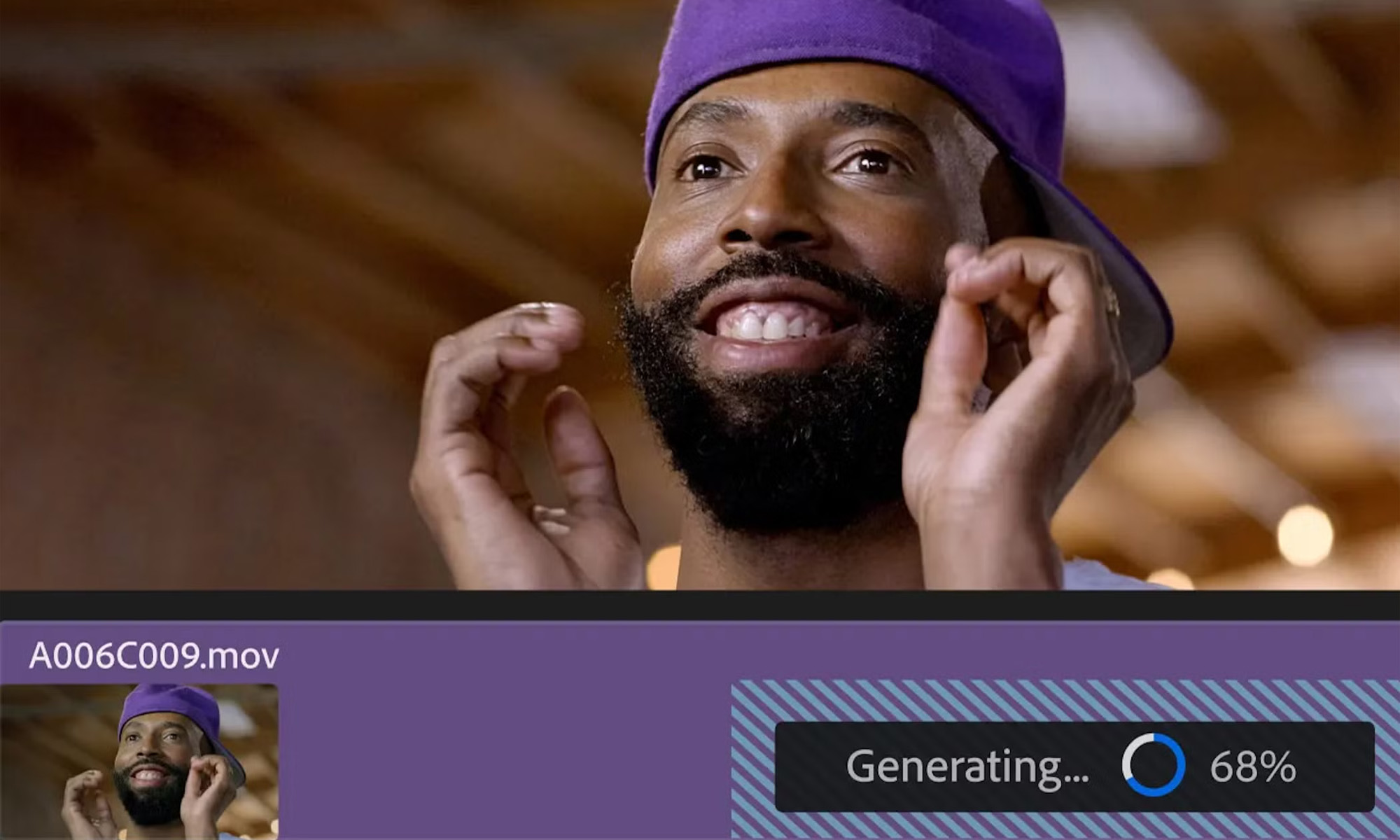
Adobe has officially entered the generative AI (GAI) arena by rolling out its Firefly Video Model, designed to power various features across the company’s extensive suite of apps. At Adobe MAX, the company announced that several of these new tools are now available in beta.
One of the standout features, known as Generative Extend, was first previewed earlier this year within Adobe Premiere Pro. The tool enables editors to add AI-generated footage or audio to either the start or end of a clip, which can be particularly helpful when a necessary shot is missing, or the transition feels incomplete.
In September, Adobe also showcased additional tools, including a text-to-video feature similar to those from OpenAI and Meta, as well as image-to-video capabilities. Both of these tools are now available in beta within the Firefly web app — though access may require joining a waitlist.
Like other Firefly models, the Firefly Video Model and its associated features are designed with commercial safety in mind. Content Credentials watermarks are automatically applied to any AI-generated content.
On the Photoshop front, Adobe has also rolled out features that were previewed earlier this year. The latest Firefly Image Model powers Generative Fill and Generative Expand, which Adobe says can create images up to four times faster than before. There’s also the new Generate Similar tool, which allows users to create alternate versions of an object in a photo until they find the ideal match.
Also Read: Best Video Streaming Services In The Middle East
Additionally, Photoshop’s Remove tool has been enhanced with a feature called Distraction Removal. This new option lets users quickly erase certain elements, such as wires, cables, or even people, from images — similar to Google’s Magic Eraser.
Finally, Frame.io V4 has launched, marking the largest update to Adobe’s collaborative platform since its debut nearly a decade ago. With a full redesign aimed at enhancing workflows and improving the video player, the update also introduces support for Canon, Nikon, and Leica’s Camera to Cloud (C2C) feature, meaning most major manufacturers now support direct uploads of photos and videos to Frame.io.



News
Microsoft Plans $10 Billion-Plus Gulf Expansion Despite Iran Conflict
Security is shaping Microsoft’s approach, from resilience work with governments to what it will say about how the money splits by country.
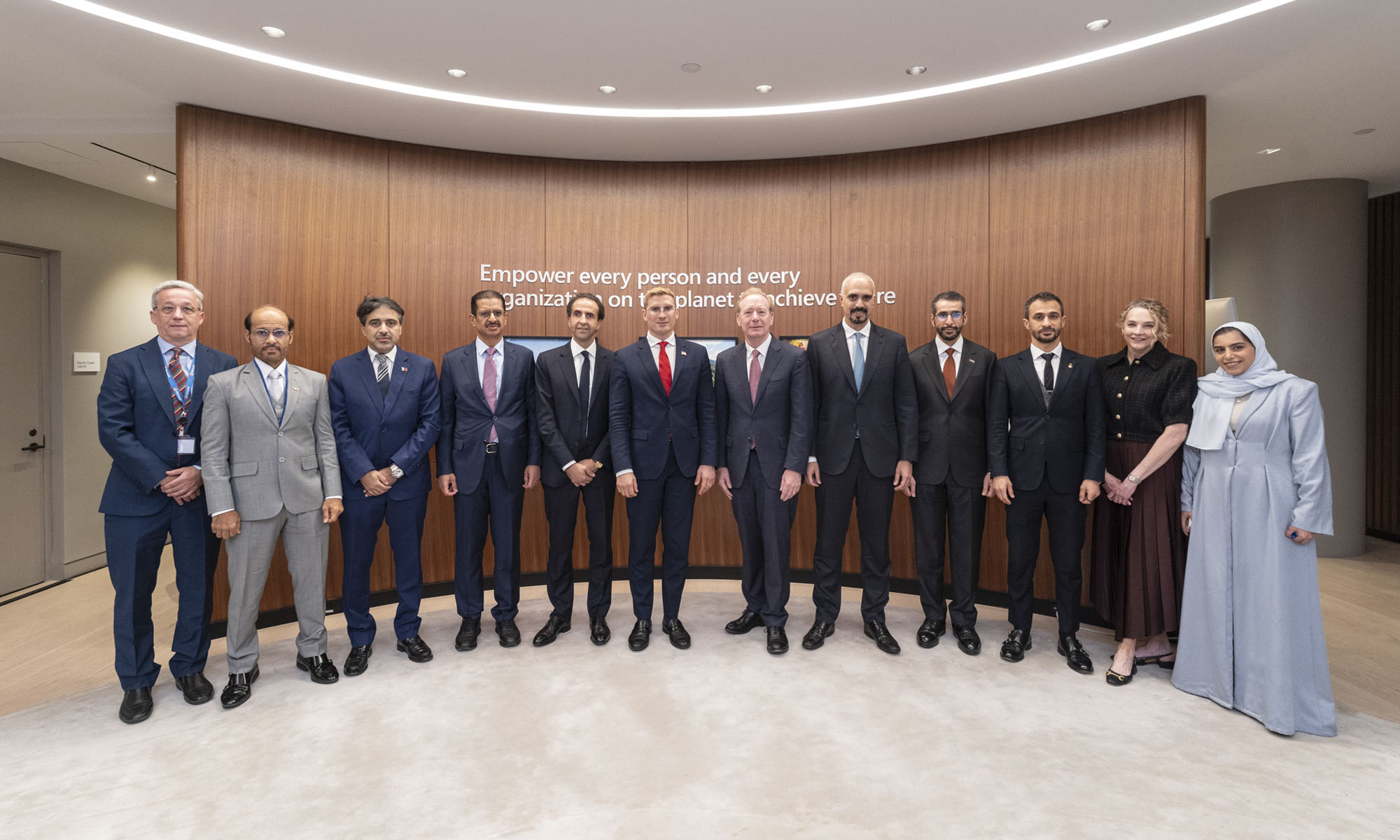
Microsoft is planning more than $10 billion of investment across the UAE, Saudi Arabia, Qatar and Kuwait through 2030, Vice Chair and President Brad Smith told Reuters, calling the spending schedule aggressive. The Iranian conflict that began on February 28 has not persuaded the company to scale back.
“We’re sustaining all the investments we planned to make before this conflict started, and we are in fact adding to them,” Smith said. The $10 billion-plus total does not, however, show how large those additions are.
The investment, which Smith described as part of Microsoft’s continued infrastructure expansion, is aimed at cloud and AI infrastructure and at the company’s growing regional operations. Microsoft also intends to put more than $400 million into subsea and terrestrial connectivity across the Middle East by 2030.
The spending fits the region’s own ambitions too. Gulf governments have been investing heavily in AI infrastructure as part of a push to diversify their economies beyond oil and gas and turn themselves into global technology hubs. Major cloud and AI providers have been drawn in part by the land and relatively low-cost energy on offer.
Microsoft is widening its partnerships with regional AI companies, though not on identical terms. In 2024, it invested $1.5 billion in Abu Dhabi-based G42 for a minority stake, and Smith currently sits on G42’s board. Saudi Arabia’s Humain and Qatar’s Qai are working with Microsoft on selected priority areas, but Smith said the company does not plan to make capital investments in either.
Also Read: Egypt’s Mobile Wallets Are Booming, But Cash Still Has Power
The conflict has added another strand to Microsoft’s work in the region. Since it began, Smith said, the company has supported regional partners with digital resilience assessments, and it is now working with Gulf countries through a digital resilience initiative focused on preparedness and the protection of critical data.
So far, the company has given no country-by-country breakdown of the investment, citing security among other factors. So while the headline figure is public, how Microsoft divides the spending among the four countries is not.

Microsoft Plans $10 Billion-Plus Gulf Expansion Despite Iran Conflict

In Kuwait, Your Surgeon Might Be Operating From Another Country

Qatar Folds 45 State Companies Into A Single Investment Platform

Trip.com Is Betting An AI Agent Will Book Your Next Vacation

Meta’s New $499 Plan Puts A Price On Reaching A Real Person

Apple’s First Folding iPhone Arrives Late To A Shrinking Market
Trip.com Is Betting An AI Agent Will Book Your Next Vacation

Egypt’s Mobile Wallets Are Booming, But Cash Still Has Power

OKX Bets Streaming Perks Can Take Crypto Mainstream Across MENA

Musk’s Boring Company Wants To Dig 150 KM Of Tunnel Under The UAE


-
 News3 weeks ago
Apple’s First Folding iPhone Arrives Late To A Shrinking Market
-
 News2 weeks ago
Trip.com Is Betting An AI Agent Will Book Your Next Vacation
-
 News2 weeks ago
Egypt’s Mobile Wallets Are Booming, But Cash Still Has Power
-
 News2 weeks ago
OKX Bets Streaming Perks Can Take Crypto Mainstream Across MENA