
News
Binance Enters Syrian Market As Sanctions Lifted
The crypto exchange has granted full trading access to Syrian residents in a bid to promote financial inclusion and economic revival.


Global cryptocurrency giant Binance has officially entered the Syrian market, offering residents unrestricted access to its extensive suite of products and services after the recent lifting of international sanctions on the country.
Effective immediately, Syrian users can engage in spot and futures trading, access over 300 tokens and stablecoins — including Bitcoin, XRP, and Dogecoin — and utilize Binance Pay. This development positions Binance, currently the world’s largest cryptocurrency exchange by trading volume, as a significant catalyst in Syria’s economic recovery efforts.
“For years, people in Syria have watched the crypto world evolve, unable to participate not by choice but by circumstance,” Binance noted in a statement. “Syrian residents can now securely participate in the digital asset economy,” the company stated.
Binance also stressed the role cryptocurrency can play in financial inclusion, combating inflation, facilitating cross-border remittances, and reconnecting Syrian businesses with global customers. CEO Richard Teng described the initiative as “opening futures and horizons … to build, invest and connect”.
Previously, global crypto exchanges, including Binance, restricted services in Syria in compliance with international sanctions. However, the political landscape shifted dramatically following the fall of Bashar Al Assad’s regime last December. Since then, the US and EU have gradually lifted economic restrictions, facilitating Syria’s reintegration into the global economy.
Also Read: Whish Money Launches Region’s First Cardless Shopify Checkout
This move comes amid a broader wave of positive developments for Syria’s economic recovery. Recent milestones include significant investments from Gulf countries, notably a $7 billion energy infrastructure deal backed by Qatar’s UCC Holding, an $800 million port agreement with UAE-based DP World, and a $6.5 billion aid commitment from international donors. Additionally, in May, the World Bank cleared Syria’s outstanding $15.5 million debt following payments from Saudi Arabia and Qatar.
Binance’s entry into Syria underscores cryptocurrency’s potential as a vital tool for economic revitalization, offering citizens an efficient and secure alternative to traditional financial systems weakened by prolonged conflict and isolation. As Binance opens its doors to Syrian residents, it marks a significant step toward reconnecting Syria with the global digital economy and fostering long-term financial stability.



News
New Disney+ Streaming App Has Officially Launched In The UAE
The app’s recommendations now factor in what’s popular in the UAE, and a dedicated Junior Mode gives kids their own corner of Disney+.

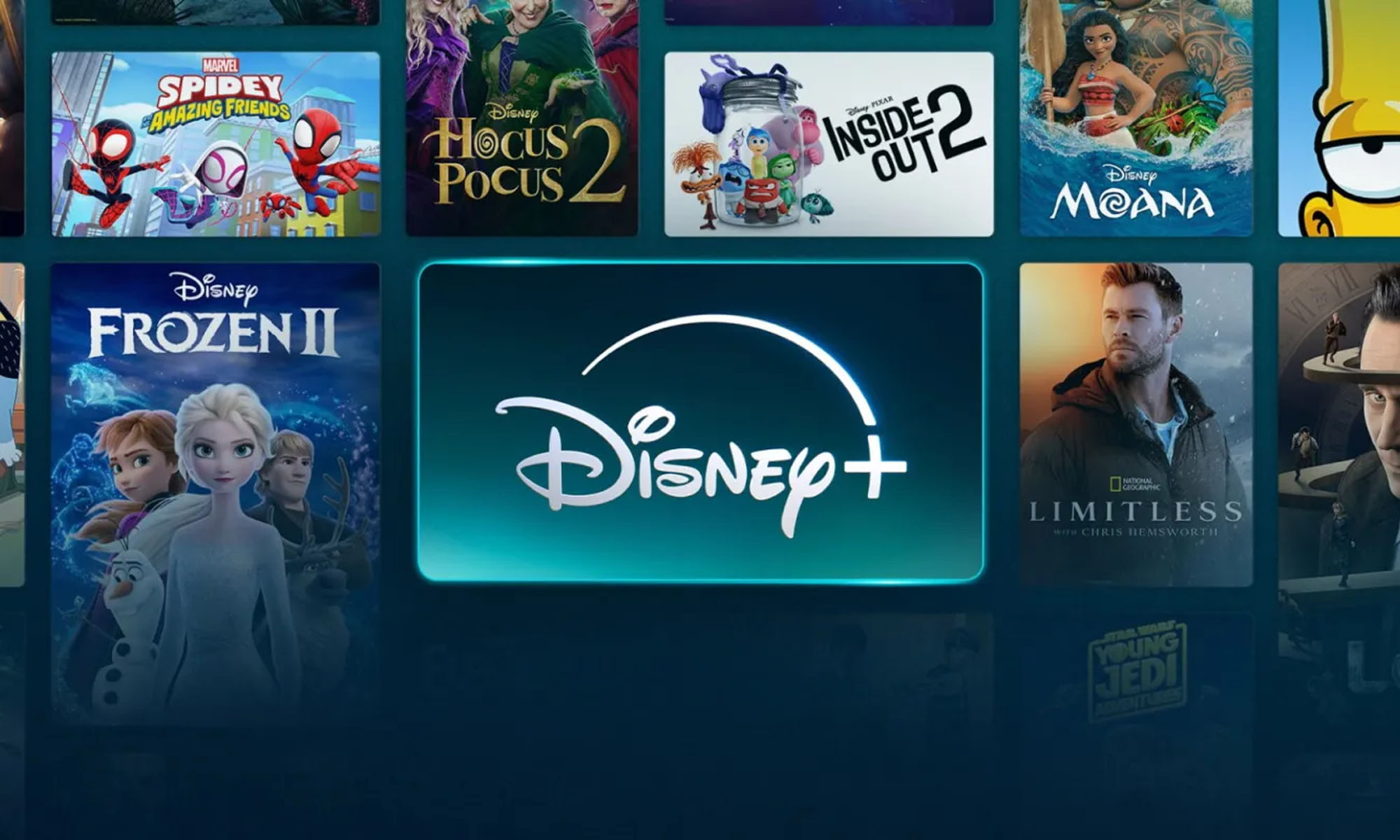
A new Disney+ app has officially launched in the UAE, and subscribers can now keep watching their favorite titles when they travel. Disney+ says access extends across supported markets in Europe, the United States and beyond.
The app is built around a dynamic homepage and simpler navigation, with recommendations drawn from each customer’s viewing habits and what’s popular in the UAE. Content from Hulu and ESPN is now easier to find alongside Disney+’s own library, the company says. Audio and subtitles come in up to 25 languages, and supported devices get high-quality video and sound.
For families, the app includes Junior Mode, a dedicated, simplified version of Disney+ for younger viewers, built around age-appropriate shows and movies. It sits alongside existing controls such as PIN-protected profiles, customizable content ratings and account notifications when a profile is changed.
The catalog still spans Disney, Pixar, Marvel, Star Wars, National Geographic, Hulu and FX. Returning series include Season 8 of “The Kardashians,” Season 23 of “Grey’s Anatomy” and Season 38 of “The Simpsons”. Also on the service are the second season of International Emmy and BAFTA Award-winning series “Rivals,” comedy “Only Murders in the Building,” Walt Disney Animation Studios’ “Zootropolis 2” and 20th Century Studios’ “Send Help”.
Also Read: Best Video Streaming Services In The Middle East
Marvel Television’s “VisionQuest” is on the way, and Disney’s live-action “Moana” is due later this autumn. Beyond Hollywood, the Turkish title “Halef” is coming to the platform alongside a lineup of Korean entertainment: Korean-Japanese romantic comedy “Merry Berry Love” is streaming now, and “The Remarried Empress” arrives November 4.
Existing subscribers will be prompted to download the new app and sign in with their current credentials, with on-screen steps covering account confirmation and profile setup. Subscriptions start at AED 49.99 per month and can be canceled at any time.
For UAE subscribers planning to travel, the update will likely be well received, but Disney has left one question open. It confirms Europe and the United States as supported markets but doesn’t yet say which others fall under and beyond.

New Disney+ Streaming App Has Officially Launched In The UAE

Dubai Says Its Deepfake Detector Needs Just 7 Seconds Of Video

OpenAI Has Announced A Visual Ad Format For ChatGPT

For etisalat, More Bandwidth Is A Matter Of Digital Sovereignty

NEOPAY Wants To Follow Merchants Across Channels And Borders

Trip.com Is Betting An AI Agent Will Book Your Next Vacation

Musk’s Boring Company Wants To Dig 150 KM Of Tunnel Under The UAE

OKX Bets Streaming Perks Can Take Crypto Mainstream Across MENA

Meta’s New $499 Plan Puts A Price On Reaching A Real Person

Apple’s First Folding iPhone Arrives Late To A Shrinking Market


-
 News3 weeks ago
Trip.com Is Betting An AI Agent Will Book Your Next Vacation
-
 News4 weeks ago
Musk’s Boring Company Wants To Dig 150 KM Of Tunnel Under The UAE
-
 News3 weeks ago
OKX Bets Streaming Perks Can Take Crypto Mainstream Across MENA
-
 News3 weeks ago
Meta’s New $499 Plan Puts A Price On Reaching A Real Person