
News
Emirates And Etihad Soar In 2025 Global Airline Safety Ranking
Emirates, Etihad Airways, flydubai, and Air Arabia earn top safety rankings for 2025, positioning UAE airlines among the safest carriers globally.


Safety remains the paramount concern in global aviation, shaping traveler confidence in airlines around the world. In the latest 2025 airline safety rankings by AirlineRatings.com, UAE carriers — including Emirates, Etihad Airways, flydubai, and Air Arabia — have achieved outstanding results, cementing their positions among the safest airlines globally.
AirlineRatings.com evaluated 385 airlines across key safety metrics such as incident records, fleet age, pilot training, fleet size, financial health, and compliance with international safety standards including IOSA and ICAO audits. The UAE airlines’ high rankings underscore the region’s continued commitment to advanced safety protocols, operational excellence, and fleet modernization.
In the closely contested full-service airline category, Air New Zealand edged out Qantas by just 1.50 points to secure first place, thanks to a younger fleet. Emirates tied for third place alongside Cathay Pacific and Qatar Airways, with all three airlines receiving identical high scores across fleet management, pilot skill, safety practices, and incident records.
Etihad Airways, the UAE’s national carrier based in Abu Dhabi, also secured a fifth place position in the full-service category, sharing the spotlight with renowned global airlines like ANA, Virgin Australia, and Korean Air.
In the low-cost carrier segment, flydubai and Air Arabia were recognized among the safest budget airlines worldwide, joining internationally respected brands such as easyJet, Ryanair, Southwest Airlines, and JetBlue Airways.
Also Read: ALJ & Joby Aviation To Bring Electric Air Taxis To Saudi Arabia
Sharon Petersen, CEO of AirlineRatings.com, emphasized the tight competition at the top of the rankings, noting that the difference often comes down to fleet age and operational consistency.
The strong performance by UAE airlines highlights the nation’s strategic investment in aviation infrastructure, rigorous pilot training programs, and adoption of cutting-edge aircraft technology. It also reinforces the UAE’s pivotal role in connecting global air routes and maintaining standards that travelers around the world trust.
As global air travel continues its post-pandemic recovery, passengers choosing UAE carriers can feel reassured by their reputation for world-leading safety and operational excellence.





News
Microsoft Plans $10 Billion-Plus Gulf Expansion Despite Iran Conflict
Security is shaping Microsoft’s approach, from resilience work with governments to what it will say about how the money splits by country.
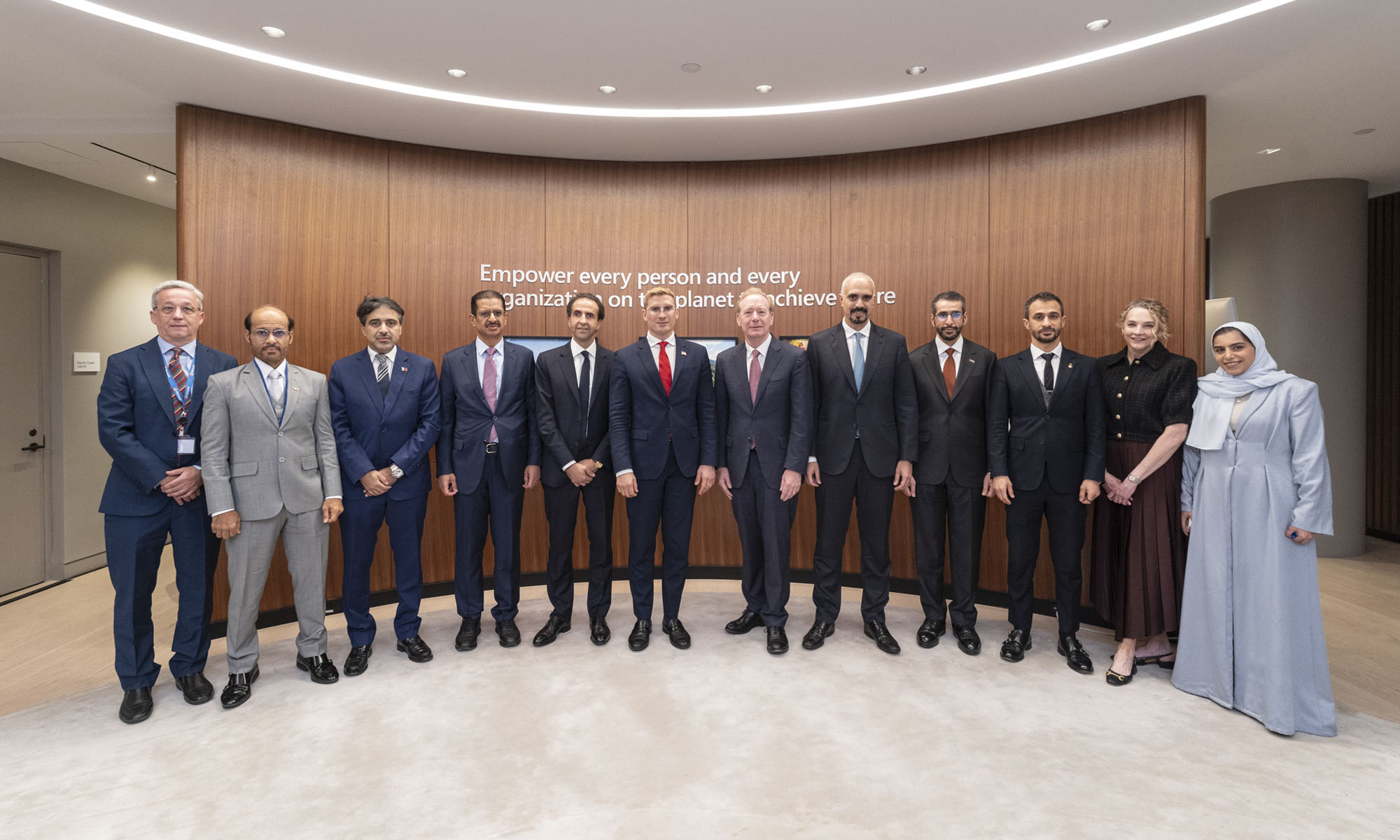
Microsoft is planning more than $10 billion of investment across the UAE, Saudi Arabia, Qatar and Kuwait through 2030, Vice Chair and President Brad Smith told Reuters, calling the spending schedule aggressive. The Iranian conflict that began on February 28 has not persuaded the company to scale back.
“We’re sustaining all the investments we planned to make before this conflict started, and we are in fact adding to them,” Smith said. The $10 billion-plus total does not, however, show how large those additions are.
The investment, which Smith described as part of Microsoft’s continued infrastructure expansion, is aimed at cloud and AI infrastructure and at the company’s growing regional operations. Microsoft also intends to put more than $400 million into subsea and terrestrial connectivity across the Middle East by 2030.
The spending fits the region’s own ambitions too. Gulf governments have been investing heavily in AI infrastructure as part of a push to diversify their economies beyond oil and gas and turn themselves into global technology hubs. Major cloud and AI providers have been drawn in part by the land and relatively low-cost energy on offer.
Microsoft is widening its partnerships with regional AI companies, though not on identical terms. In 2024, it invested $1.5 billion in Abu Dhabi-based G42 for a minority stake, and Smith currently sits on G42’s board. Saudi Arabia’s Humain and Qatar’s Qai are working with Microsoft on selected priority areas, but Smith said the company does not plan to make capital investments in either.
Also Read: Egypt’s Mobile Wallets Are Booming, But Cash Still Has Power
The conflict has added another strand to Microsoft’s work in the region. Since it began, Smith said, the company has supported regional partners with digital resilience assessments, and it is now working with Gulf countries through a digital resilience initiative focused on preparedness and the protection of critical data.
So far, the company has given no country-by-country breakdown of the investment, citing security among other factors. So while the headline figure is public, how Microsoft divides the spending among the four countries is not.

Microsoft Plans $10 Billion-Plus Gulf Expansion Despite Iran Conflict

In Kuwait, Your Surgeon Might Be Operating From Another Country

Qatar Folds 45 State Companies Into A Single Investment Platform

Trip.com Is Betting An AI Agent Will Book Your Next Vacation

Meta’s New $499 Plan Puts A Price On Reaching A Real Person

Apple’s First Folding iPhone Arrives Late To A Shrinking Market
Trip.com Is Betting An AI Agent Will Book Your Next Vacation

Egypt’s Mobile Wallets Are Booming, But Cash Still Has Power

Apple’s Latest Product Releases Make The Headlines

OKX Bets Streaming Perks Can Take Crypto Mainstream Across MENA


-
 News2 weeks ago
Apple’s First Folding iPhone Arrives Late To A Shrinking Market
-
 News2 weeks ago
Trip.com Is Betting An AI Agent Will Book Your Next Vacation
-
 News2 weeks ago
Egypt’s Mobile Wallets Are Booming, But Cash Still Has Power
-
 News2 weeks ago
Apple’s Latest Product Releases Make The Headlines