
News
Lebanon In Talks With Elon Musk’s Starlink To Enhance Internet Services
The government has initiated discussions to bring satellite internet to the country, aiming to boost connectivity and attract international investment.


Lebanon’s government has entered formal discussions with Elon Musk’s satellite internet provider, Starlink, to explore bringing the high-speed service to the country. The talks were confirmed on Thursday following a meeting between Prime Minister Nawaf Salam, Starlink’s Director of Licensing and Development Sam Turner, and U.S. Ambassador Lisa Johnson, according to a statement shared via Musk’s social platform X.
President Joseph Aoun also met separately with Turner, receiving updates from Telecoms Minister Charles Hage about the ongoing negotiations with SpaceX, Starlink’s famous parent company. The introduction of Starlink would position Lebanon among the 136 countries globally benefiting from the company’s satellite-driven connectivity, enhancing internet services across various sectors.

Minister Hage emphasized the potential for Starlink’s presence in Lebanon to transform the country into a regional communications hub, stating this could significantly boost the nation’s attractiveness to global businesses and investors. Starlink’s services, known for their reliability and speed, promise substantial improvements to connectivity in critical areas such as banking, industry, education, and government operations, according to the Lebanese presidency.
Lebanon’s telecom infrastructure has faced persistent challenges, plagued by outdated technologies, high costs, and systemic issues linked to years of economic turmoil and mismanagement. Starlink’s entry could provide a much-needed upgrade, delivering faster and more dependable internet at a time when mobile data plans in Lebanon are among the most expensive in the world.
Also Read: UAE Introduces Region’s First License For “Finfluencers”
Previous efforts to bring Starlink to Lebanon stalled under former Telecoms Minister Johnny Corm, who cited security concerns and commercial disagreements as significant hurdles. Specifically, negotiations encountered legal and technical barriers relating to data storage and privacy. SpaceX initially requested data servers to be based in Qatar or Germany, a demand incompatible with Lebanon’s personal data protection laws (Law No. 81).
If current talks overcome these challenges, the successful integration of Starlink’s satellite internet could mark a pivotal shift in Lebanon’s digital landscape, opening new avenues for economic recovery, innovation, and global investment.






News
New Disney+ Streaming App Has Officially Launched In The UAE
The app’s recommendations now factor in what’s popular in the UAE, and a dedicated Junior Mode gives kids their own corner of Disney+.

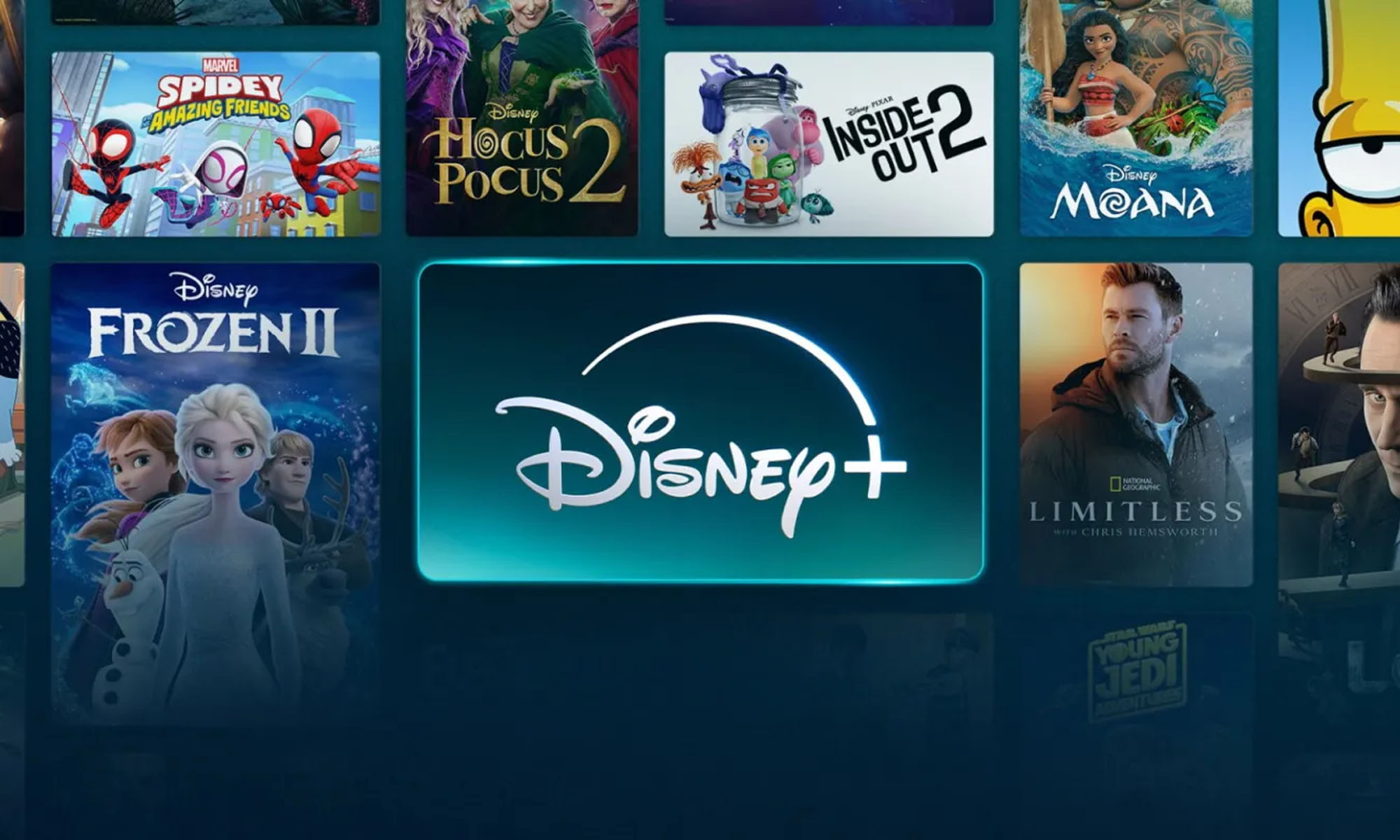
A new Disney+ app has officially launched in the UAE, and subscribers can now keep watching their favorite titles when they travel. Disney+ says access extends across supported markets in Europe, the United States and beyond.
The app is built around a dynamic homepage and simpler navigation, with recommendations drawn from each customer’s viewing habits and what’s popular in the UAE. Content from Hulu and ESPN is now easier to find alongside Disney+’s own library, the company says. Audio and subtitles come in up to 25 languages, and supported devices get high-quality video and sound.
For families, the app includes Junior Mode, a dedicated, simplified version of Disney+ for younger viewers, built around age-appropriate shows and movies. It sits alongside existing controls such as PIN-protected profiles, customizable content ratings and account notifications when a profile is changed.
The catalog still spans Disney, Pixar, Marvel, Star Wars, National Geographic, Hulu and FX. Returning series include Season 8 of “The Kardashians,” Season 23 of “Grey’s Anatomy” and Season 38 of “The Simpsons”. Also on the service are the second season of International Emmy and BAFTA Award-winning series “Rivals,” comedy “Only Murders in the Building,” Walt Disney Animation Studios’ “Zootropolis 2” and 20th Century Studios’ “Send Help”.
Also Read: Best Video Streaming Services In The Middle East
Marvel Television’s “VisionQuest” is on the way, and Disney’s live-action “Moana” is due later this autumn. Beyond Hollywood, the Turkish title “Halef” is coming to the platform alongside a lineup of Korean entertainment: Korean-Japanese romantic comedy “Merry Berry Love” is streaming now, and “The Remarried Empress” arrives November 4.
Existing subscribers will be prompted to download the new app and sign in with their current credentials, with on-screen steps covering account confirmation and profile setup. Subscriptions start at AED 49.99 per month and can be canceled at any time.
For UAE subscribers planning to travel, the update will likely be well received, but Disney has left one question open. It confirms Europe and the United States as supported markets but doesn’t yet say which others fall under and beyond.

New Disney+ Streaming App Has Officially Launched In The UAE

Dubai Says Its Deepfake Detector Needs Just 7 Seconds Of Video

OpenAI Has Announced A Visual Ad Format For ChatGPT

For etisalat, More Bandwidth Is A Matter Of Digital Sovereignty

NEOPAY Wants To Follow Merchants Across Channels And Borders

Trip.com Is Betting An AI Agent Will Book Your Next Vacation

Musk’s Boring Company Wants To Dig 150 KM Of Tunnel Under The UAE

OKX Bets Streaming Perks Can Take Crypto Mainstream Across MENA

Meta’s New $499 Plan Puts A Price On Reaching A Real Person

Apple’s First Folding iPhone Arrives Late To A Shrinking Market


-
 News3 weeks ago
Trip.com Is Betting An AI Agent Will Book Your Next Vacation
-
 News4 weeks ago
Musk’s Boring Company Wants To Dig 150 KM Of Tunnel Under The UAE
-
 News3 weeks ago
OKX Bets Streaming Perks Can Take Crypto Mainstream Across MENA
-
 News3 weeks ago
Meta’s New $499 Plan Puts A Price On Reaching A Real Person