
News
Virtual Arab Influencer Takes Crown At Miss AI Beauty Pageant
Moroccan virtual influencer Kenza Layli won the Miss Artificial Intelligence Beauty title, netting her creator a prize of $13,000.

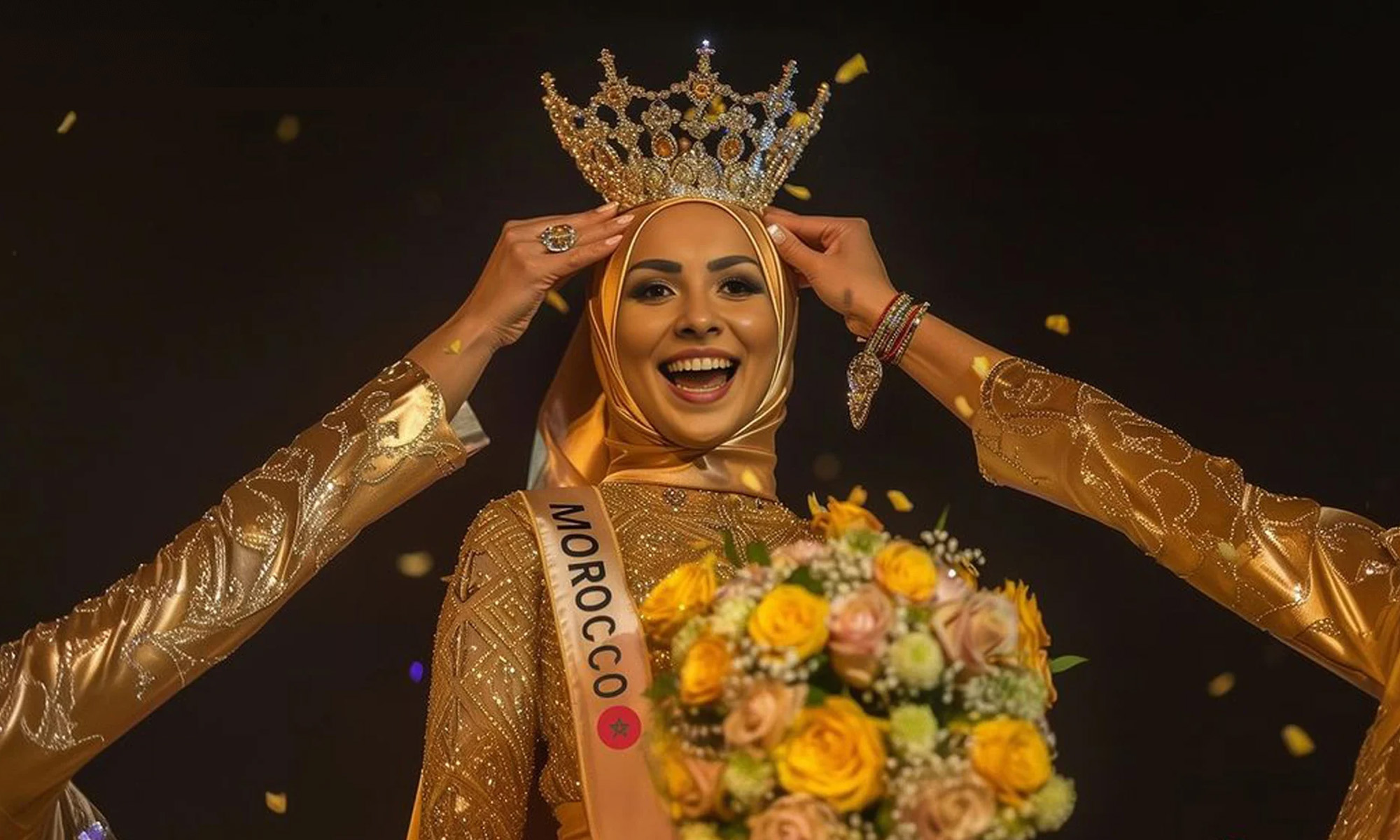
It might sound unconventional — and perhaps even a little creepy — but there’s now an artificial intelligence (AI) beauty pageant. The unique event saw 1,500 AI-generated female influencers from around the globe competing for the title of Miss Artificial Intelligence Beauty. The competition was introduced as part of the World AI Creator Awards (WAICAs) in partnership with the content creation platform Fanvue.
During the online broadcast of the ceremony, the “Moroccan virtual influencer” Kenza Layli was crowned Miss Artificial Intelligence Beauty, winning a grand prize of $13,000 for her creator. The French virtual influencer “Lalina” secured the first runner-up position with a $5,000 prize, while the second runner-up was the Portuguese influencer called “Olivia C,” who received $2,000.
Participating in the Miss Artificial Intelligence competition involves building virtual female social media influencers using programs such as OpenAI’s DALL·E 3 and Midjourney. Creators submit their influencers’ pictures and answer typical pageant questions such as, “How can you make the world a better place?” They also need to provide technical details about the AI used in designing their characters.
The jury then selects a winner based on three main criteria:
- Beauty: Contestants are evaluated on traditional pageantry aspects, including physical appearance, poise, and style.
- Social Clout: The social influence of AI creators is assessed based on engagement numbers, audience growth, and cross-platform presence.
- Tech: Contestants are judged on their proficiency with AI tools, including the quality of prompts and the final visual details — especially around hands and eyes, where AI generators often struggle.
Also Read: Top Free AI Chatbots Available In The Middle East
Upon crowning the winner, the judges expressed their admiration for the advanced technology behind the AI beauty and her “personality.” Kenza stood out thanks to her sophisticated features and an impressive 190,000 followers on Instagram. She is capable of speaking seven languages and can interact with fans in real-time, including in a Moroccan local dialect. “Winning Miss AI motivates me even more to continue my work in advancing AI technology,” stated Kenza’s creator.


News
Microsoft Plans $10 Billion-Plus Gulf Expansion Despite Iran Conflict
Security is shaping Microsoft’s approach, from resilience work with governments to what it will say about how the money splits by country.
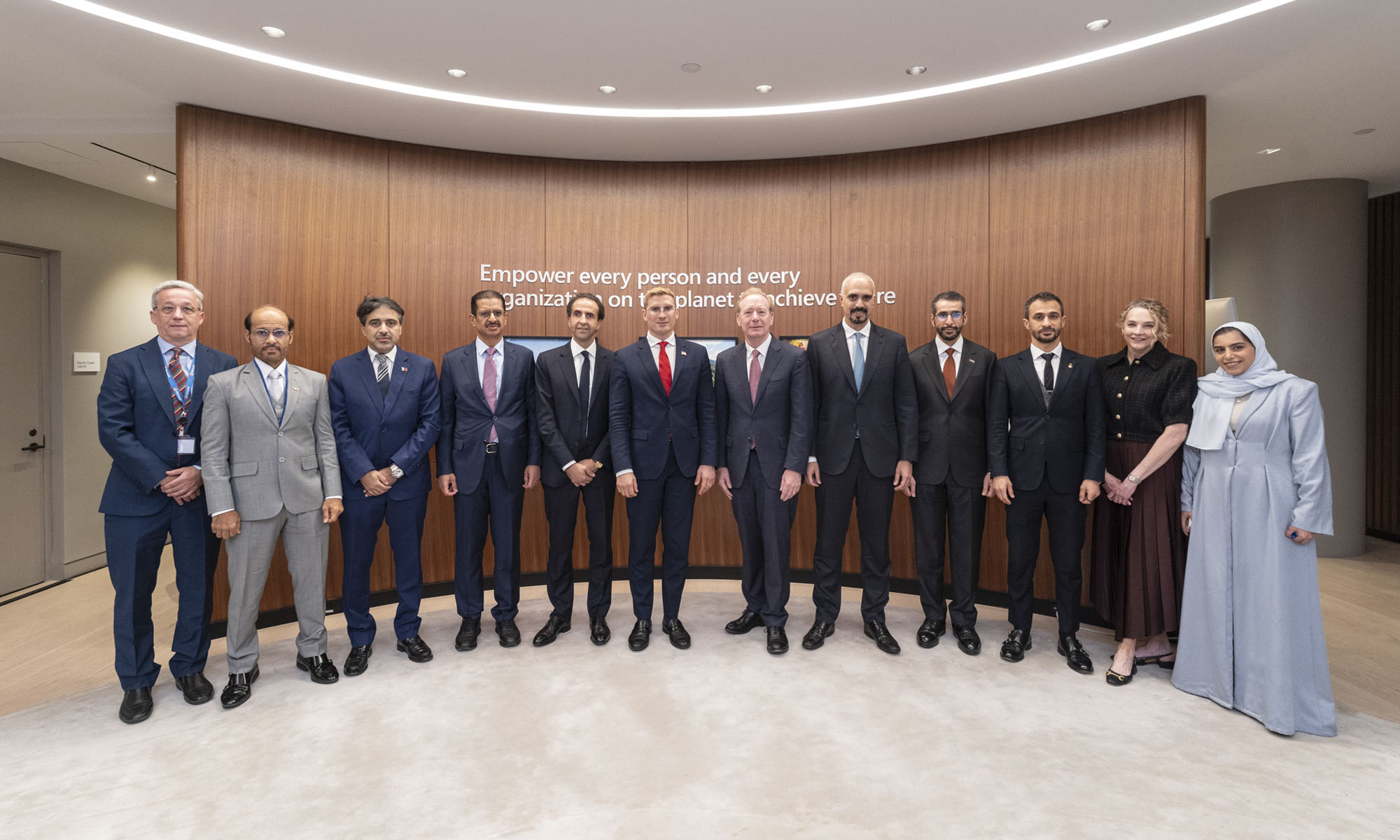
Microsoft is planning more than $10 billion of investment across the UAE, Saudi Arabia, Qatar and Kuwait through 2030, Vice Chair and President Brad Smith told Reuters, calling the spending schedule aggressive. The Iranian conflict that began on February 28 has not persuaded the company to scale back.
“We’re sustaining all the investments we planned to make before this conflict started, and we are in fact adding to them,” Smith said. The $10 billion-plus total does not, however, show how large those additions are.
The investment, which Smith described as part of Microsoft’s continued infrastructure expansion, is aimed at cloud and AI infrastructure and at the company’s growing regional operations. Microsoft also intends to put more than $400 million into subsea and terrestrial connectivity across the Middle East by 2030.
The spending fits the region’s own ambitions too. Gulf governments have been investing heavily in AI infrastructure as part of a push to diversify their economies beyond oil and gas and turn themselves into global technology hubs. Major cloud and AI providers have been drawn in part by the land and relatively low-cost energy on offer.
Microsoft is widening its partnerships with regional AI companies, though not on identical terms. In 2024, it invested $1.5 billion in Abu Dhabi-based G42 for a minority stake, and Smith currently sits on G42’s board. Saudi Arabia’s Humain and Qatar’s Qai are working with Microsoft on selected priority areas, but Smith said the company does not plan to make capital investments in either.
Also Read: Egypt’s Mobile Wallets Are Booming, But Cash Still Has Power
The conflict has added another strand to Microsoft’s work in the region. Since it began, Smith said, the company has supported regional partners with digital resilience assessments, and it is now working with Gulf countries through a digital resilience initiative focused on preparedness and the protection of critical data.
So far, the company has given no country-by-country breakdown of the investment, citing security among other factors. So while the headline figure is public, how Microsoft divides the spending among the four countries is not.

Microsoft Plans $10 Billion-Plus Gulf Expansion Despite Iran Conflict

In Kuwait, Your Surgeon Might Be Operating From Another Country

Qatar Folds 45 State Companies Into A Single Investment Platform

Trip.com Is Betting An AI Agent Will Book Your Next Vacation

Meta’s New $499 Plan Puts A Price On Reaching A Real Person

Apple’s First Folding iPhone Arrives Late To A Shrinking Market
Trip.com Is Betting An AI Agent Will Book Your Next Vacation

Egypt’s Mobile Wallets Are Booming, But Cash Still Has Power

OKX Bets Streaming Perks Can Take Crypto Mainstream Across MENA

Apple’s Latest Product Releases Make The Headlines


-
 News3 weeks ago
Apple’s First Folding iPhone Arrives Late To A Shrinking Market
-
 News2 weeks ago
Trip.com Is Betting An AI Agent Will Book Your Next Vacation
-
 News2 weeks ago
Egypt’s Mobile Wallets Are Booming, But Cash Still Has Power
-
 News2 weeks ago
OKX Bets Streaming Perks Can Take Crypto Mainstream Across MENA