
News
Saudi-Based Mozn Uses AI To Detect Money Laundering & Fraud
The company combats a wide range of financial crimes using pattern recognition and advanced algorithms.


Saudi Arabia’s Mozn, an AI platform founded by Dr. Mohammed Alhussein, uses advanced artificial intelligence algorithms to detect and prevent financial crimes and increase compliance.
The company’s advanced platform is known as FOCAL. It can sift through masses of financial data using pattern recognition and other advanced techniques to spot fraud and money laundering in real time.
Dr. Alhussein developed the FOCAL platform by studying anti-money-laundering and anti-terrorism legislation and compliance and quickly realized that traditional (often manual) checks and safeguards were too slow to act.
Mozn’s AI technology uses name-matching algorithms uniquely optimized for the Arabic language and reconciles its findings against 1,300 international and regional sanctions. Meanwhile, the system’s anti-fraud functionality detects suspicious patterns by confirming payee identities against the records of destination accounts — a process that is said to reduce investigation times by up to 95%.
Also Read: A Guide To Digital Payment Methods In The Middle East
Although the platform was launched in Saudi Arabia, CEO Dr. Mohammed Alhussein recently announced plans to expand into the UAE, noting that the company’s long-term goal would be to develop operations further across the GCC. “The UAE has been making significant strides in enhancing its AML compliance and combating financial fraud, and Mozn entering UAE market will help accelerate these efforts,” Alhussein stated in a press release. “We are excited to begin this next chapter in Mozn’s growth journey as we enter the broader GCC market through our UAE office”.

News
Instagram Redraws Its Wordmark And The Internet Reads “Instagzam”
Instagram’s first wordmark refresh in a decade arrives with new fonts, a restrained gradient — and a Reddit verdict of sidegrade.
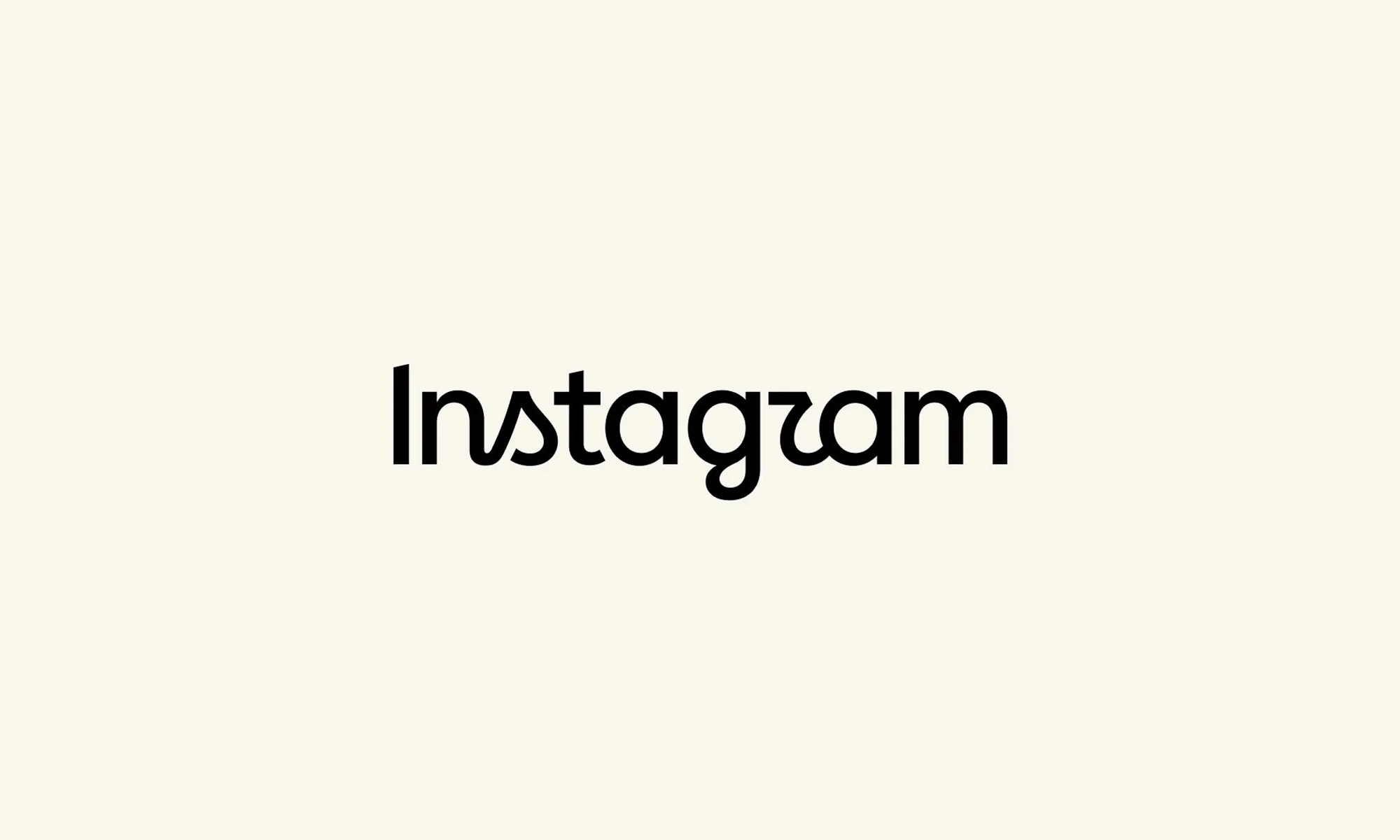
Although Instagram’s famous camera icon hasn’t changed, the company has refreshed the handwritten wordmark at the top of its app. This is the first redesign we’ve seen in ten years, and one the internet promptly set about renaming.
“The wordmark at the top of the app hasn’t changed in 10 years, so it was time for a refresh,” Instagram head Adam Mosseri wrote in a post on August 13, describing the new version as “cleaner and more modern” while keeping references to the original design.
Instagram says its team explored hundreds of options — all-caps lettering, camera-inspired concepts, even literal handwriting — before returning to script. “Script reflects individuality, so referencing that felt right,” Instagram director of product design Jasmine Probst said in Meta’s announcement. “The new wordmark is bolder and simpler, with touches of unexpectedness. It cues individual expression, a personal voice, both of which have always been core to Instagram”.
The wordmark is part of a broader brand overhaul: an updated Instagram Sans typeface, two new fonts — the hand-drawn Instagram Pen and Instagram Mono — plus refreshed motion and layouts, and more restrained use of the signature gradient. The wordmark is rolling out globally now, with the rest arriving throughout 2026 and beyond.
Also Read: Spotify Will Now Tell You If Your Favorite Artist Isn’t Real
The design mixes cursive and print lettering, some characters connected and others floating free. That hybrid approach, combined with unusually shaped “s” and “r” characters, led some users to conclude the logo actually reads “Instagzam”. On the r/logodesign subreddit, one user said the wordmark looked “fan-made,” like something built in Canva; another called it “an unsettling mix of manuscript and cursive”; a third summarized it as a “sidegrade” — or, inevitably, a “zidegrade”.
Not everyone was hostile to the new look. Some found the half-cursive design stylish and surprisingly readable, while others called it an improvement on its predecessor, and one commenter argued Instagram was simply adopting minimalist branding later than everyone else. Either way, the platform now has a refreshed identity, three updated fonts, and an unofficial new pronunciation.

Instagram Redraws Its Wordmark And The Internet Reads “Instagzam”

Spotify Will Now Tell You If Your Favorite Artist Isn’t Real

Samsung And Spotify Offer Free Premium Deal In MENA

Lebanon’s 5G Era Begins With 150 Stations And A $1M Budget

Syria Just Got Its First Super App Featuring Built-In Digital Payments

Dubai Police Finishes 65 Projects, Says AI Is The Next Priority

Beirut Wins US Flight Access, But Carriers Aren’t Sold Yet

Samsung’s Fold Goes Wide, And The Whole Galaxy Range Gets Pricier

Gulf AI Job Vacancies Nearly Triple, But Hiring Stays Lopsided

This UAE Platform Wants To Replace Fashion Photo Shoots With AI


-
 News3 weeks ago
This UAE Platform Wants To Replace Fashion Photo Shoots With AI
-

 News3 weeks ago
Nike And Hyperice’s New Slides Heat And Vibrate Your Feet
-
 Product Reviews3 weeks ago
Shokz OpenFit Pro Review: Open-Ear Audio Finally Grows Up
-
 News2 weeks ago
Syria Just Got Its First Super App Featuring Built-In Digital Payments