
Security
Free VPNs: Should You Be Using Them?
Paid VPNs more than justify their cost simply because of how effective and — most importantly — secure they are, especially compared to their free counterparts.

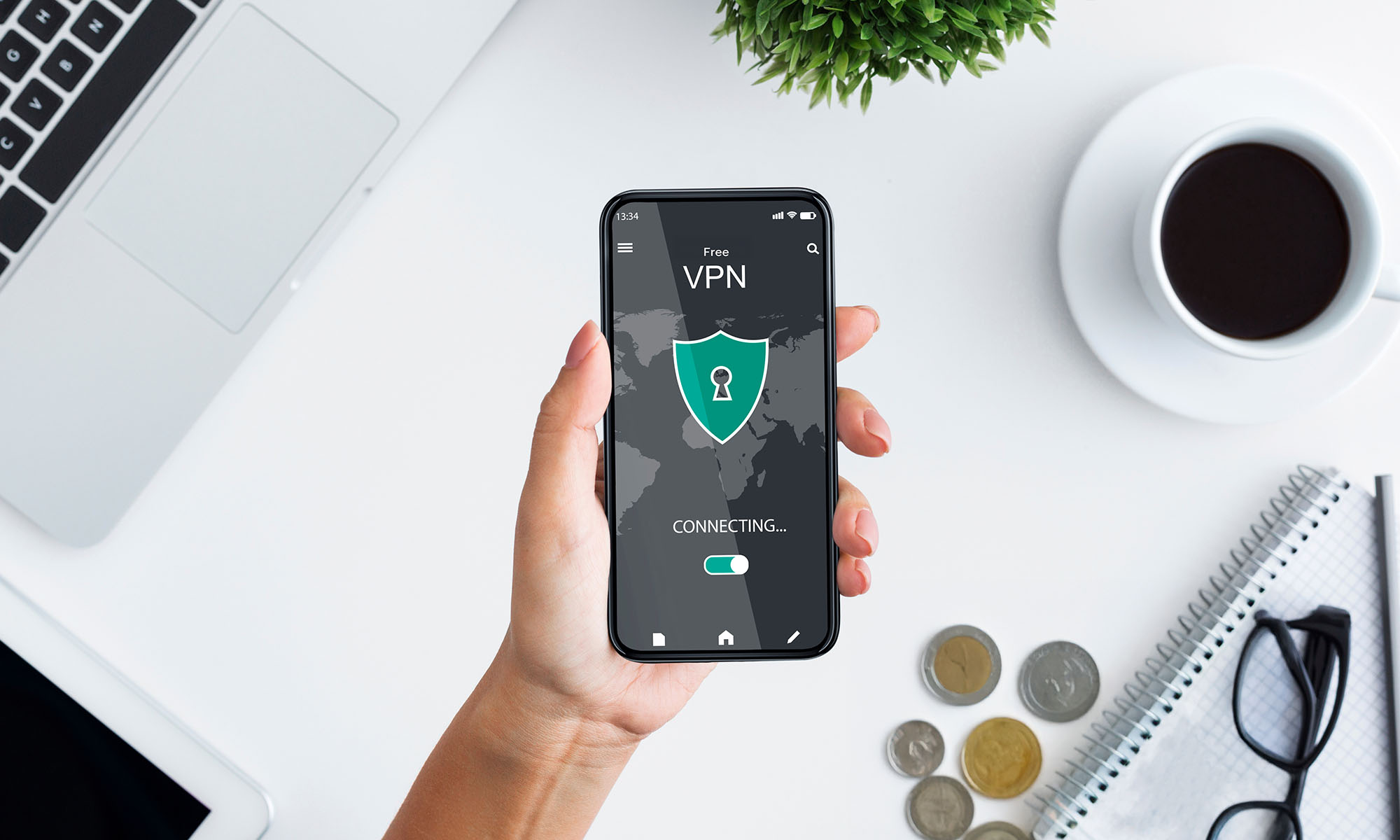
“If something’s free, you are the product”.
Corporations aren’t charities. When they offer you a free service, there’s almost always a catch. This catch usually manifests in the form of data mining, where your online activity is not only tracked but also sold to ad agencies for targeted advertising. They’ve got to make money somehow, right? This isn’t a secret, either. Most people are fully aware that they are being tracked to some extent. That’s the price of free software, after all.
Where this becomes especially concerning is when software that’s used specifically for the express purpose of avoiding tracking itself tracks your activity. And that’s one of the many issues with using free VPNs.
Paid Is Always Better, Right?
While there is no denying that free VPNs are certainly functional, it’s always better to stick with a reputed, well-known, and paid VPN service, especially if you value your privacy. However, it’s also important to remember that just because particular software is paid doesn’t necessarily mean that it’s better or even effective on a fundamental level. We can’t stress this point enough: Do your research — read plenty of reviews and use free trials whenever possible to test these services out for yourself.
The Freemium Problem
Free VPNs are plagued by the same problems as most free apps: advertisements, paywalls, and privacy concerns. Most “free” VPNs aren’t completely free, either, usually following a freemium model where the base package features reduced performance, speed, inadequate privacy protections, and a severely limited ability to bypass content restrictions. You’re expected to pay for a subscription to unlock higher performance. At that point, if you are considering paying, why not just opt for a more well-known paid VPN service with a proven track record?
Free Doesn’t Mean Risk-Free
Running a reliable VPN service demands a significant investment of resources. It involves setting up a large global network of VPN servers to ensure seamless service delivery, regardless of the location of the user. These servers must be equipped to handle heavy traffic loads and comply with strict privacy standards while also being able to bypass content restrictions, as several content providers and websites actively detect and block VPN usage.
Free VPNs, lacking a steady revenue stream, often don’t have the resources to maintain and upgrade a vast server network. This results in a subpar user experience — slower speeds, inconsistent connections, and, more concerningly, weaker security. Even worse, free VPN services have been caught leaking private user data. Such service providers may also resort to tracking and selling your data to third-party ad agencies, which defeats the entire purpose of using a VPN in the first place. As we’ve already mentioned, they’ve got to make money somehow, right? So, with these risks in mind, it’s worth asking: Are free VPNs really worth it?
Do Your Due Diligence
As with any software, especially one involving sensitive data like a VPN service, it’s important to do your due diligence before choosing an option. Don’t just install the first free service you find on the app store. Because, despite the many issues with free VPNs, there are still a few decent options out there (such as ProtonVPN, which has a relatively effective and feature-rich free tier). And it’s only when you do your homework that you’ll come across such services. But the point still stands: Paid VPN services are always an improvement over their free counterparts in terms of speed, security, and effectiveness, and we’ll always recommend going paid.





Security
Why More Data Doesn’t Automatically Mean Better Decisions
More data doesn’t automatically lead to better IT decisions. This article explores why context, relevance, and proper governance matter more than sheer volume.

In today’s buzzword-heavy tech landscape, it’s easy to get caught up in catchphrases without fully appreciating what goes into a specific function or operation. One common belief in tech circles is that more data invariably leads to better decision-making. While this idea isn’t entirely misguided, the reality is more complicated — more data doesn’t always result in better decisions. It’s not the volume of data that matters, but how it’s used.
Organizations generate vast amounts of data, with nearly every action quantified in some way. Social media platforms, for example, track likes, clicks, and search history to measure interest in specific topics. Often, data is collected simply because it can be, not because there’s a clear plan for using it.
Anyone who’s worked in IT can point to examples where all that data led to confusion rather than clarity: Conflicting reports and noisy dashboards leading to irrelevant and unactionable information. The fact that most IT teams can easily point to examples of poorly managed data highlights an important issue: The existence of large volumes of data is no guarantee of better outcomes. Extracting actionable insights, while also remaining compliant with regulations, is a complex process. In fact, it’s complex enough to be its own discipline: data governance.
Effective data governance doesn’t mean collecting as much data as possible, it’s about collecting the right data. The right data, in this case, refers to data that is complete, contextualized, and relevant to the task in which it will be used.
Data, Data Everywhere..
A dashboard might alert you to sudden resource usage spikes, but without context i.e., what triggered the spike, whether it’s temporary or sustained, and whether it’s actually impacting users, that information doesn’t get you very far. Data like that raises more questions than it answers. When that missing context is available, teams can respond quickly and proportionately instead of reacting to every spike as if it’s a crisis.
Too much data can also lead to decision fatigue. IT teams are already stretched thin, and constantly dealing with noisy or conflicting information quickly becomes counterproductive.
Quality Over Quantity
In IT especially, more data isn’t always the answer. Going back to dashboards, when they feel overwhelming or stressful instead of helpful, that’s usually a sign that something has gone wrong upstream. At that point, collecting more data isn’t the solution, rethinking how that data is governed and presented is. Clarity beats quantity every time. The goal isn’t to see absolutely everything, it’s to see what matters and use that information to make better decisions.

Abu Dhabi’s Robot Kitchen Is Serving Up Biryani, Not Burgers

Sennheiser’s MOMENTUM 5 Series Bets On Batteries You Can Swap

UAE’s 3-Minute University Registration Runs On Government Data

How Online Ads Became A Delivery System For Zero-Click Spyware

Shokz OpenDots 2 Review: Clip-On Audio Gets A Bass-Heavy Makeover

Dubai Says Its Deepfake Detector Needs Just 7 Seconds Of Video

New Disney+ Streaming App Has Officially Launched In The UAE

NEOPAY Wants To Follow Merchants Across Channels And Borders

RØDE’s Low-Profile Studio Arm Is Designed To Stay Out Of Shot

G42’s Inception42 Wants AI To Show Its Work Before Investors Commit


-
 News3 weeks ago
Dubai Says Its Deepfake Detector Needs Just 7 Seconds Of Video
-
 News3 weeks ago
New Disney+ Streaming App Has Officially Launched In The UAE
-
 News3 weeks ago
NEOPAY Wants To Follow Merchants Across Channels And Borders
-
 News4 weeks ago
RØDE’s Low-Profile Studio Arm Is Designed To Stay Out Of Shot