News
WhatsApp Introduces Flows For Improved In-App Shopping
The company plans to build rich experiences for other business types, too.

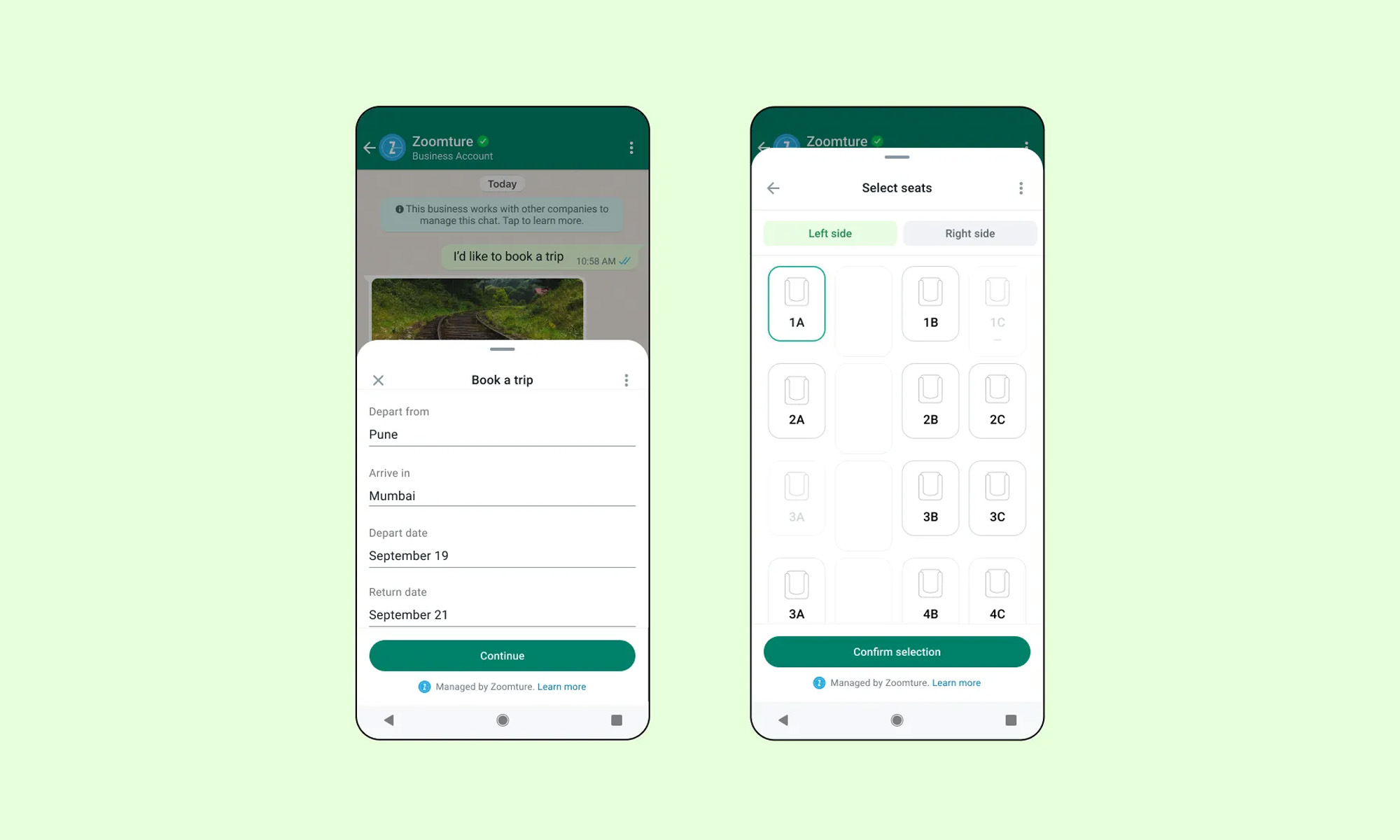
WhatsApp is improving shopping experiences for both e-commerce merchants and their customers through a new feature called Flows. The add-on lets WhatsApp users complete tasks such as booking a seat on a flight or making an appointment without leaving the messaging app.
When using Flows, merchants will benefit from tools such as text boxes, calendars and a seat picker. These features will allow e-commerce companies to build rich experiences while improving booking and payment workflows. The Flows support page gives multiple examples of how the new service can be used, including booking appointments, product customization, account logins, form filling, and signing up for events.
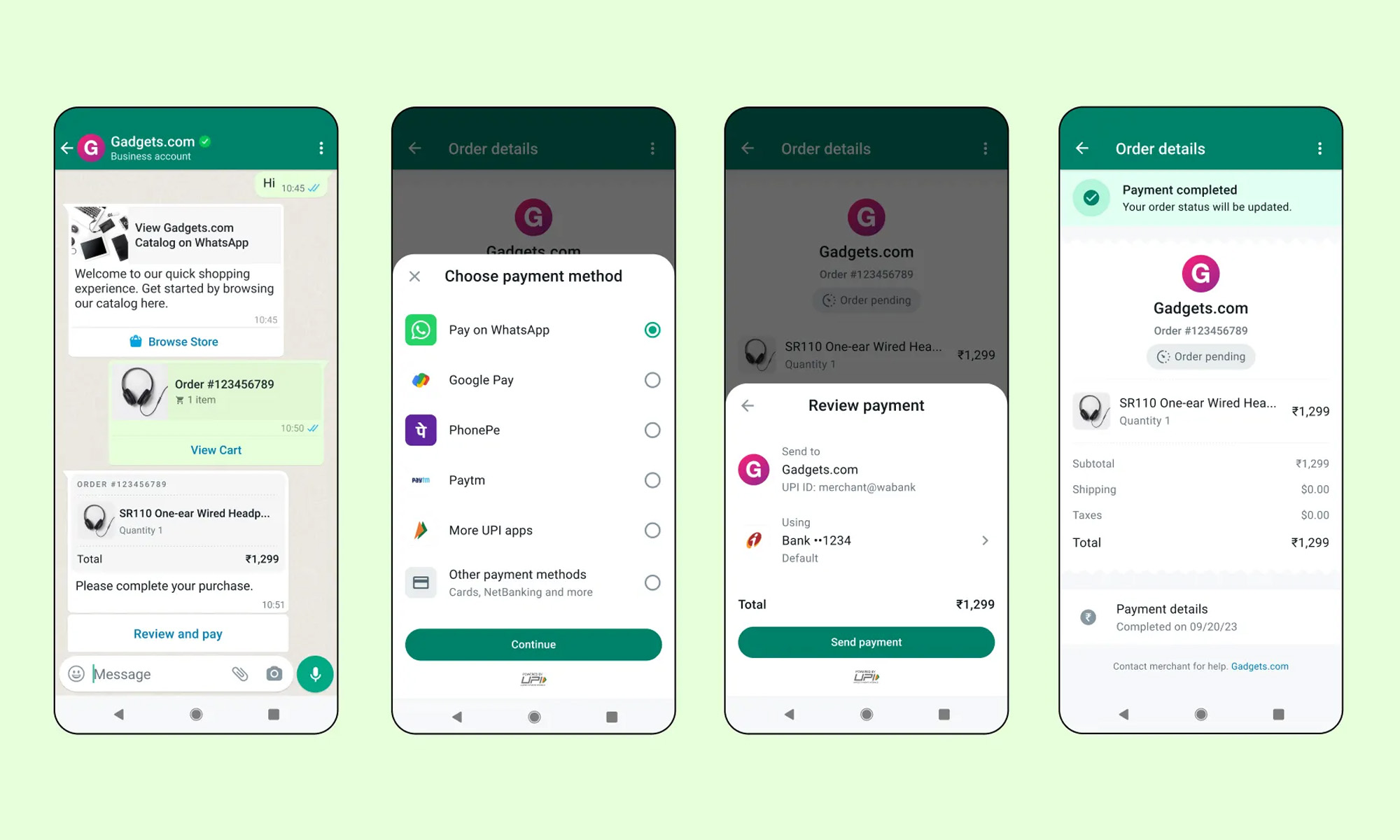
WhatsApp said it had been testing Flows with businesses including Brazilian bank Banco Pan, retailer MagaLu, tech giant Lenovo, Indian travel service redBus, and car-reselling platform Spinny.
“Shopping and e-commerce is one of the biggest verticals we want to focus on. The goal is to enable business messaging in a way that businesses and people can do a lot more right in the chat thread. We are trying to build rich experiences within the chat, and that’s where Flows comes in,” said Nikila Srinivasan, Meta’s VP of business messaging.

Flows will become available over the coming months, and Meta will not initially charge merchants separately for the service. Currently, only e-commerce businesses can utilize Flows’ features, though WhatsApp has plans to develop rich experiences for other business verticals as well.
Also Read: A Guide To Digital Payment Methods In The Middle East
Earlier this year, WhatsApp’s business app surpassed the 200 million monthly active users mark. The messaging company said it had also started testing a personalized messages feature for merchants, which was announced this June. The service lets businesses send custom notifications such as discounts or offers to select patrons.



News
DJI Teases Dual-Camera Osmo Pocket 4P For 2026 Launch
Though most technical claims for the new gimbal come from industry leaks rather than DJI’s own announcement.
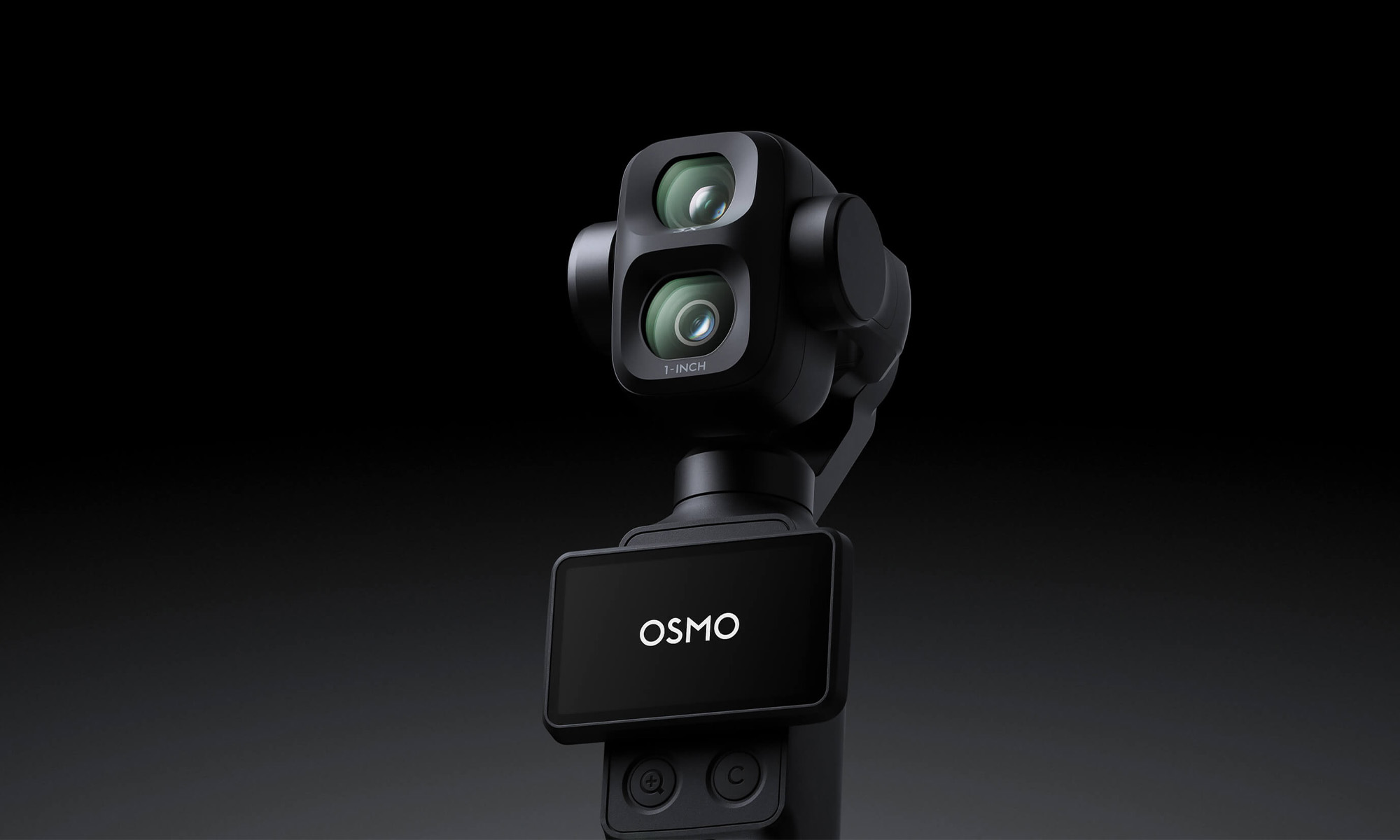
DJI has teased a dual-camera version of its Osmo Pocket gimbal, confirming that the Osmo Pocket 4P will launch in 2026. The teaser image is the company’s first preview of the device, following months of speculation about a more advanced model in its pocket camera range.
The image shows a slightly larger device than the existing Osmo Pocket 4, with two camera modules mounted above a compact three-axis gimbal. Reports suggest one camera may use a 1-inch sensor paired with a wide-angle lens, while the second may carry a 3x zoom lens — though DJI has not officially confirmed any of these details.
According to leaks circulating ahead of the launch, the Osmo Pocket 4P could support 4K video at up to 240 frames per second, offer 14 stops of dynamic range and include 10-bit D-Log color support. Those features are commonly used by filmmakers who require greater flexibility during color grading and post-production. Reports also point to Hasselblad color tuning, continuing a partnership that has already appeared in some of DJI’s drone cameras, along with up to 128GB of built-in storage that would reduce reliance on external memory cards during longer shoots.
Also Read: AltoVolo Releases Sigma Footage & Sets Date For Demonstrator
The device is expected to retain features from the existing Osmo Pocket 4, including a three-axis mechanical gimbal, updated ActiveTrack subject tracking and a flip-out touchscreen display. The Osmo Pocket line is aimed at content creators, vloggers, and independent filmmakers seeking compact equipment that can produce usable footage without a larger camera system.
DJI has not provided pricing or a specific launch date beyond the 2026 window. Industry observers expect the Osmo Pocket 4P to cost more than the standard Pocket 4 because of the dual-camera setup and expanded recording capabilities, though no figures have been disclosed. So far, most of the technical detail circulating around the product remains tied to leaks rather than official confirmation.

DJI Teases Dual-Camera Osmo Pocket 4P For 2026 Launch

Lebanon Ministers Meet Visa Over National Digital Payment Platform

AltoVolo Releases Sigma Footage & Sets Date For Demonstrator

Careem Launches Lebanon Aid Drive With WFP

United Arab Emirates To Quit OPEC After 59 Years

Deezer Says AI Tracks Now Make Up 44% Of Uploads

Yango Ride Introduces In-Chat Trip Planning In ChatGPT

NVIDIA Puts GPT-5.5 Codex In Hands Of 10,000 Staff

YouTube Tests Conversational AI Search Tool