News
NEOM Announces Luxury Tourism Destination Epicon
The glistening coastal tower will be situated on the Gulf of Aqaba and is billed as “a gateway to the future”.


Planners of NEOM, the sustainable urban development being built in northwest Saudi Arabia, have announced a new addition to the project named Epicon, a luxury coastal tourism destination on the Gulf of Aqaba.
Epicon will “set new standards of hospitality and architecture”, according to a recent NEOM press release. Rising from the desert like a glistening mirage, the facility will feature two huge towers, one 225 meters tall and the second a massive 275 meters. The towers will house 41 ultra-premium hotels and luxury residences comprising 14 suites and apartments. A short distance from the hotel, a separate resort complex will blend “tranquility with indulgence” with another 120 rooms and 45 residential beachside villas.
In the press release, NEOM officials describe Epicon as a place “designed as a gateway to the future [providing] an opportunity to escape the stresses of the every day”. Whether relaxing at the beachside club, taking a wellness treatment at the luxurious spa, or exploring the surrounding nature, the coastal tower resort will offer guests an unparalleled experience, along with a wide array of culinary options from its many restaurants and bistros.
Also Read: Top 10 Best Freelance Platforms In The Middle East
Epicon will also offer residential apartments, giving unrestricted access to world-class facilities and views of one of the most desirable shorelines in the region. Amenities will include a state-of-the-art gym, high-tech workspaces, a library, swimming pools, and club lounges.
News of the Epicon facility follows the recent announcement by NEOM of Leyja, a sustainable tourism destination situated in a beautiful natural valley. Overall, it appears that the development of Saudi Arabia’s northwest region will soon make it one of the world’s most desirable tourist locations.




News
Trip.com Is Betting An AI Agent Will Book Your Next Vacation
Abu Dhabi, Jazeera Airways and a run of hotel deals give the company more inventory. Its Mastercard demo says the most about where booking technology is headed.
Most of what Trip.com Group announced at Arabian Travel Market 2026 this week reads like the standard expansion playbook of an online travel agency: a new agreement with a tourism board, a run of hotel partnerships, an airline deal. However, one item was considerably more interesting: a demonstration built with Mastercard of an AI agent that doesn’t just suggest trips but also pays for them.
The showcase put TripGenie, the company’s AI travel assistant, to work searching, selecting and completing purchases inside a single booking flow, with Mastercard’s Agent Suite for Merchants handling the payment step and Network International processing the transactions on the merchant side. It’s limited for now to attractions and ancillary services, but the partners plan a phased commercial rollout from early 2027.
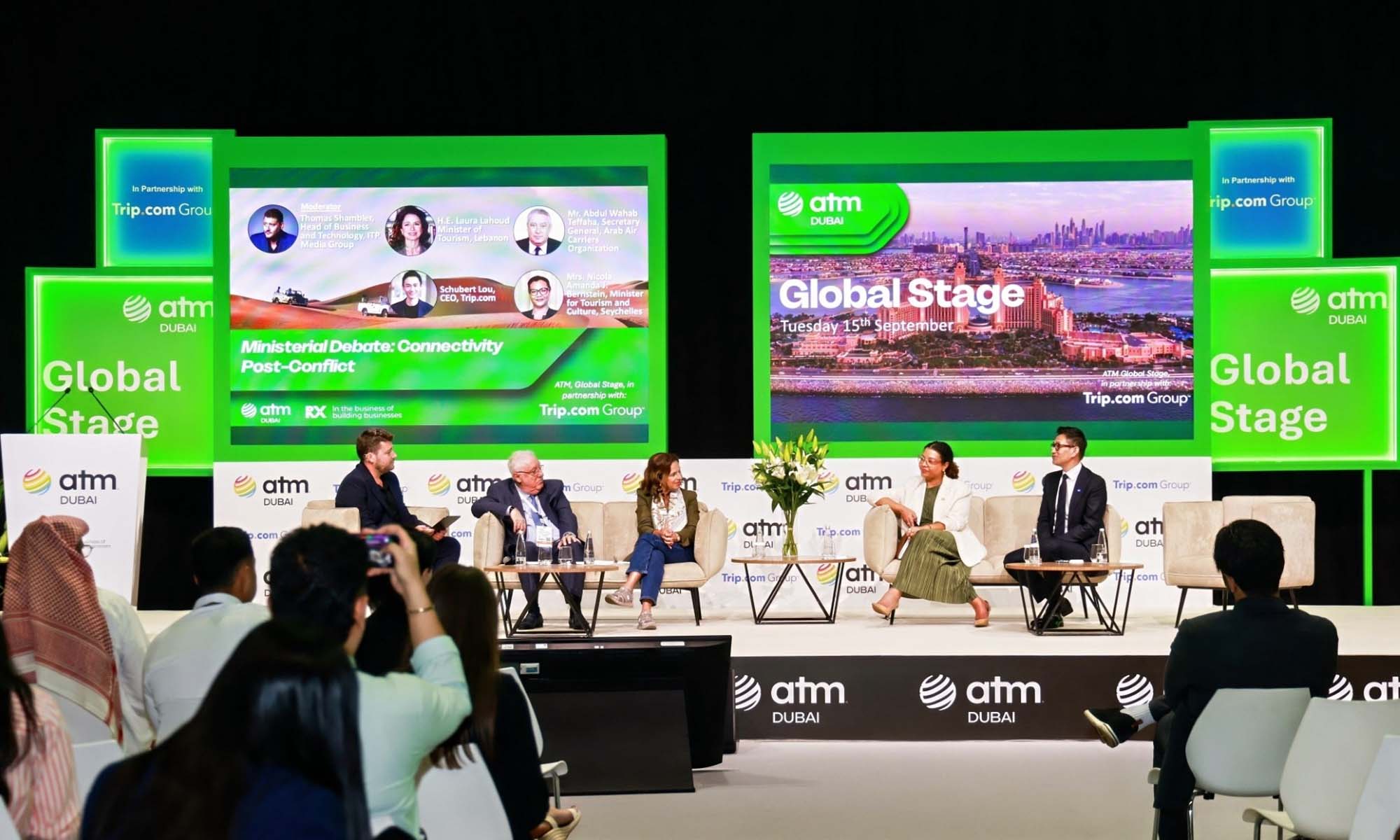
“As traveller expectations change, technology and AI will play an increasingly important role in how people plan their journeys,” says Schubert Lou, CEO of Trip.com.
Meanwhile, in more conventional news, CEO Lou and Saleh Mohamed Al Geziry (Director General for Tourism at the Department of Culture and Tourism – Abu Dhabi), signed an agreement building on the two organizations’ existing partnership, with joint marketing and Abu Dhabi destination content to be pushed across Trip.com Group’s platforms.
Also Read: Musk’s Boring Company Wants To Dig 150 KM Of Tunnel Under The UAE
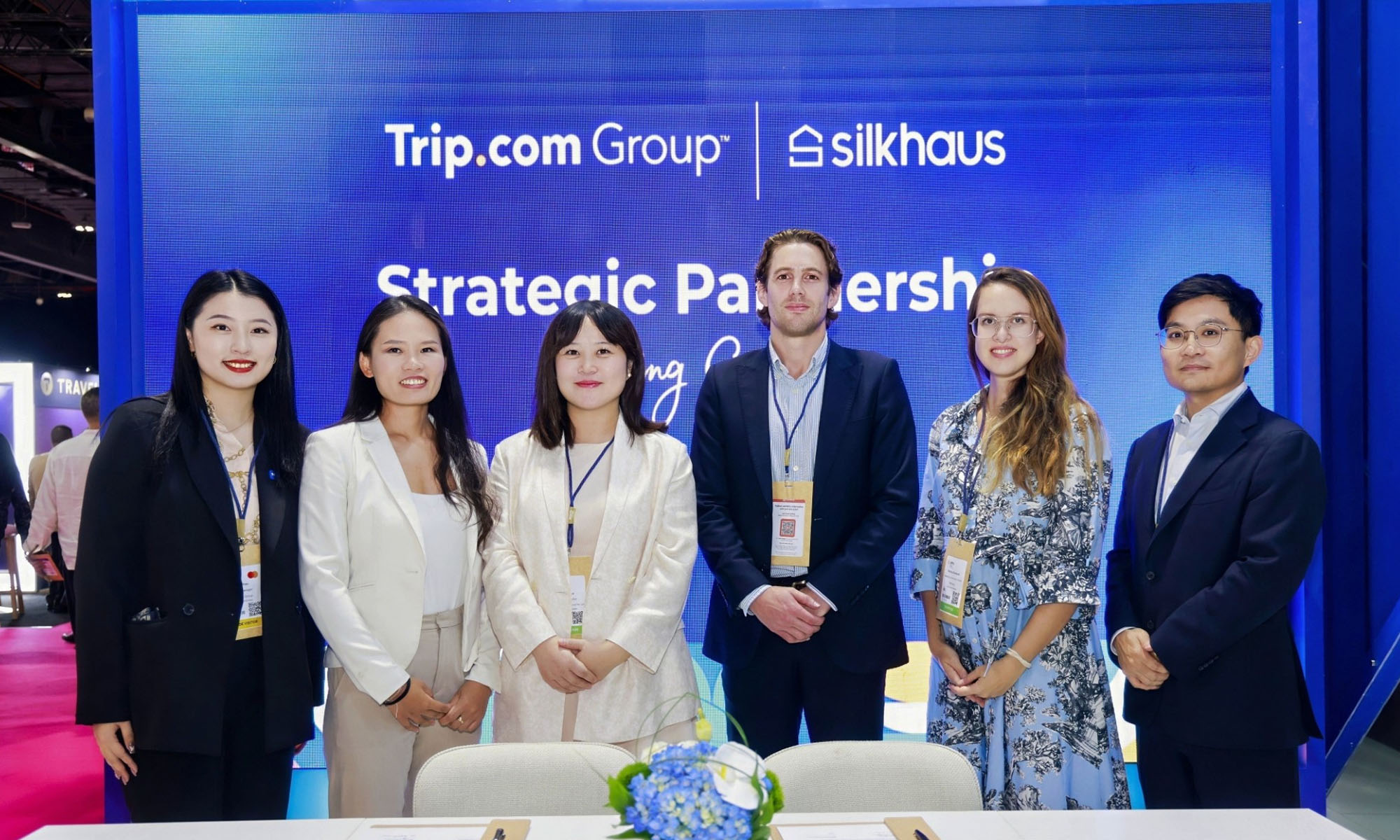
On accommodation, the group expanded its partnerships with JA Hotels & Resorts, Ishraq Hospitality and Aleph Hospitality and deepened its work with Silkhaus, which brings vacation homes into a portfolio that has so far leaned on hotels. Jazeera Airways signed a strategic partnership intended to widen the Kuwaiti carrier’s reach and encourage earlier bookings, tied to Kuwait’s own tourism ambitions.
The company moved into a larger Dubai office earlier this year and describes its long-term aim as a two-way ecosystem: sending Middle East travelers abroad while drawing international visitors in.

Trip.com Is Betting An AI Agent Will Book Your Next Vacation

Meta’s New $499 Plan Puts A Price On Reaching A Real Person

OKX Bets Streaming Perks Can Take Crypto Mainstream Across MENA

Musk’s Boring Company Wants To Dig 150 KM Of Tunnel Under The UAE

Egypt’s Mobile Wallets Are Booming, But Cash Still Has Power

RØDE’s New DS3 Studio Arm Is Built For Heavier Creator Setups

Visa’s Return To Syria Starts With A Test And A Bank In Lebanon

Former Rockstar Director Dismisses GTA 6 Leaks As “Nothing Burger”

Dubai Turns AI On Its Own Civil Service To Measure Productivity