
News
New WhatsApp Feature Is Set To Transform Voice Chats
An in-chat bubble will let up to 32 users join whenever they’re available.

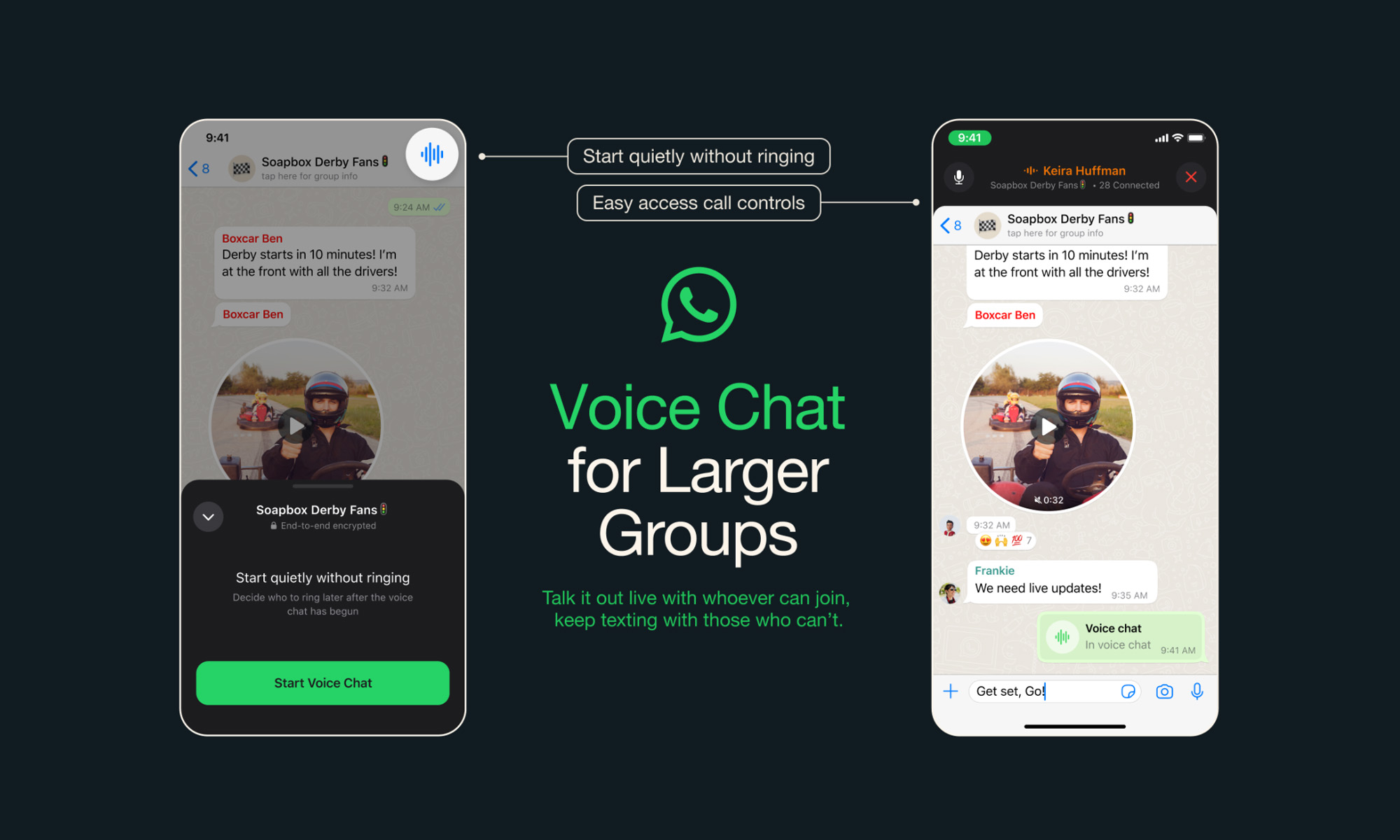
Whether you’re sharing family news or connecting with friends during a nail-biting sports event, there are often moments when you need to talk amongst yourselves in a WhatsApp group chat. Now, the Meta-owned company is introducing an exciting new feature that should revolutionize the messaging platform’s user experience by enabling up to 32 users to seamlessly join conversations without disruption.
Instead of intrusive automatic ringing, group participants will receive push notifications and can tap on a bubble to join the voice chat, offering a more user-friendly and less disruptive experience.
Once in a voice chat, participants can access call controls from the top of the interface. This ensures that users can manage call settings without hampering their ability to send and receive text messages simultaneously.
Voice chats will roll out on iOS and Android in the coming weeks, and in the early stages, WhatsApp will focus on larger group chats with participant ranges of 33 to 128. The latest update marks a significant stride towards refining WhatsApp’s user interface while enhancing group communication and adding an additional layer of security using end-to-end encryption.
Also Read: Top E-Commerce Websites In The Middle East In 2023
The latest WhatsApp update coincides with Meta CEO Mark Zuckerberg’s news during the company’s recent earnings report that interactions between users and businesses have surpassed 600 million daily occurrences, with revenue hitting $293 million in Q3 — a 53% year-on-year increase.
WhatsApp now has over 2 billion monthly active users, making it one of the most widely used messaging platforms worldwide.




News
Microsoft Plans $10 Billion-Plus Gulf Expansion Despite Iran Conflict
Security is shaping Microsoft’s approach, from resilience work with governments to what it will say about how the money splits by country.
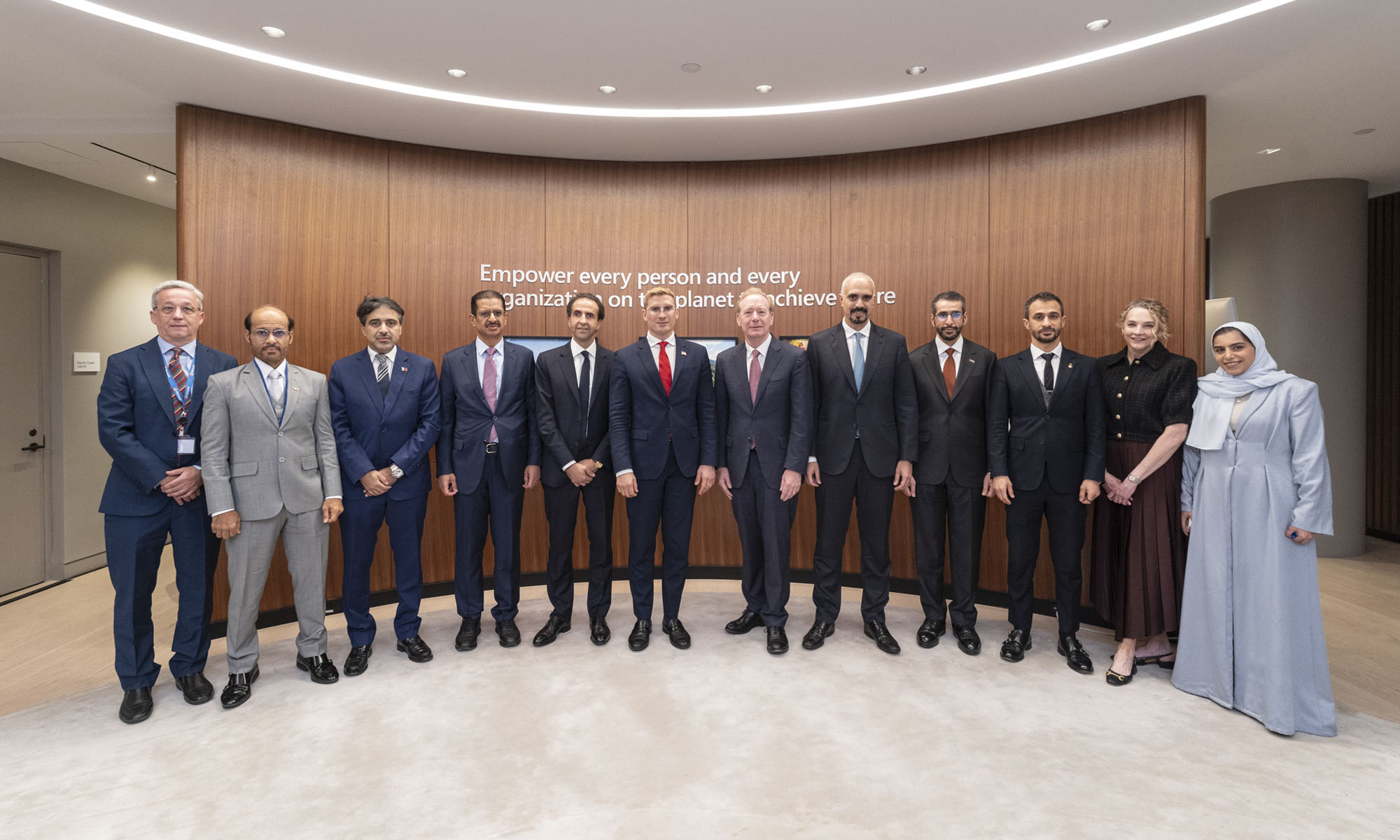
Microsoft is planning more than $10 billion of investment across the UAE, Saudi Arabia, Qatar and Kuwait through 2030, Vice Chair and President Brad Smith told Reuters, calling the spending schedule aggressive. The Iranian conflict that began on February 28 has not persuaded the company to scale back.
“We’re sustaining all the investments we planned to make before this conflict started, and we are in fact adding to them,” Smith said. The $10 billion-plus total does not, however, show how large those additions are.
The investment, which Smith described as part of Microsoft’s continued infrastructure expansion, is aimed at cloud and AI infrastructure and at the company’s growing regional operations. Microsoft also intends to put more than $400 million into subsea and terrestrial connectivity across the Middle East by 2030.
The spending fits the region’s own ambitions too. Gulf governments have been investing heavily in AI infrastructure as part of a push to diversify their economies beyond oil and gas and turn themselves into global technology hubs. Major cloud and AI providers have been drawn in part by the land and relatively low-cost energy on offer.
Microsoft is widening its partnerships with regional AI companies, though not on identical terms. In 2024, it invested $1.5 billion in Abu Dhabi-based G42 for a minority stake, and Smith currently sits on G42’s board. Saudi Arabia’s Humain and Qatar’s Qai are working with Microsoft on selected priority areas, but Smith said the company does not plan to make capital investments in either.
Also Read: Egypt’s Mobile Wallets Are Booming, But Cash Still Has Power
The conflict has added another strand to Microsoft’s work in the region. Since it began, Smith said, the company has supported regional partners with digital resilience assessments, and it is now working with Gulf countries through a digital resilience initiative focused on preparedness and the protection of critical data.
So far, the company has given no country-by-country breakdown of the investment, citing security among other factors. So while the headline figure is public, how Microsoft divides the spending among the four countries is not.

Microsoft Plans $10 Billion-Plus Gulf Expansion Despite Iran Conflict

In Kuwait, Your Surgeon Might Be Operating From Another Country

Qatar Folds 45 State Companies Into A Single Investment Platform

Trip.com Is Betting An AI Agent Will Book Your Next Vacation

Meta’s New $499 Plan Puts A Price On Reaching A Real Person

Apple’s First Folding iPhone Arrives Late To A Shrinking Market
Trip.com Is Betting An AI Agent Will Book Your Next Vacation

Egypt’s Mobile Wallets Are Booming, But Cash Still Has Power

OKX Bets Streaming Perks Can Take Crypto Mainstream Across MENA

Apple’s Latest Product Releases Make The Headlines


-
 News3 weeks ago
Apple’s First Folding iPhone Arrives Late To A Shrinking Market
-
 News2 weeks ago
Trip.com Is Betting An AI Agent Will Book Your Next Vacation
-
 News2 weeks ago
Egypt’s Mobile Wallets Are Booming, But Cash Still Has Power
-
 News2 weeks ago
OKX Bets Streaming Perks Can Take Crypto Mainstream Across MENA