
News
Robot UAVs Set To Revolutionize Abu Dhabi Maritime Patrols
In a few weeks, robotics experts will compete to create the best autonomous drone to detect criminals along Abu Dhabi’s coastline.

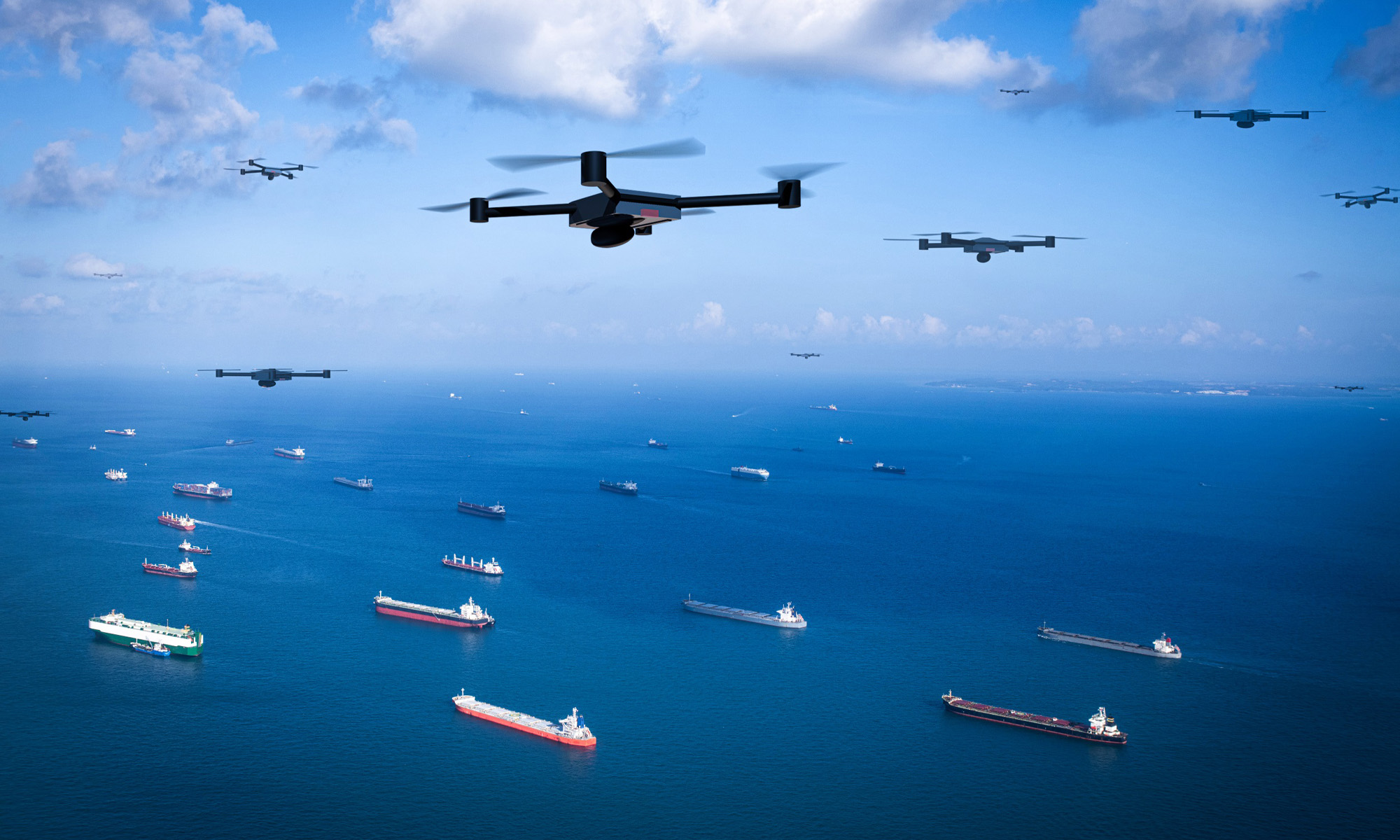
This year, the Mohammed bin Zayed International Robotics Challenge (MBZIRC) Maritime Grand Challenge will pit five elite teams of robotics specialists against one another in the ultimate showdown.
Handpicked from a pool of 52 contenders, the scientists will gather on Yas Island, Abu Dhabi, to solve real-world maritime issues, encompassing problems like illicit fishing, smuggling, and human trafficking, all through the deployment of autonomous drones. Launched in 2017 by Khalifa University, the competition is jointly hosted by ASPIRE and Abu Dhabi’s Advanced Technology Research Council (ATRC).
The scientists’ missions will include tasks such as autonomous target inspection and identification aboard vessels without relying on GPS, object retrieval via drones, and seamless collaboration between UAVs and robotic manipulators.
Professor Lakmal Seneviratne, Director of the Centre for Autonomous Robotic Systems (KUCARS) at Khalifa University, remarked, “We can train our robots and AI to do many things in a very controlled environment,” adding, “For example, factory automation has been around since the 1980s in highly controlled environments. But when you go out into the real world, the uncertainty is huge. So the adaptability and algorithms of our robots are the key aspects to look at in this challenge”.
Also Read: Saudi Arabia Plans Huge Adventure Tourism Oil Rig Facility
Dr. Irfan Hussain, team leader of Fly Eagle, one of the finalists, explained that adaptability will be crucial to win the contest. “They have only a few days to adapt to the environment here, and many parameters are still unknown until the day of the challenge,” says Dr. Hussain. “So their algorithms and their approach need to be robust enough to complete the task regardless of the conditions”.
The unpredictability of the scenarios mirror real-world conditions at sea, where turbulent weather could hamper the missions of autonomous drones tasked with detecting illicit vessels, and GPS signals might also falter in such circumstances.
Come the first week of February, the five finalists will vie for a coveted first-place prize of $2 million to bring their groundbreaking innovations to production.



News
Visa’s Return To Syria Starts With A Test And A Bank In Lebanon
Foreign visitors will be the first users to benefit, but whether Syria’s own banks and cardholders follow is still an open question.

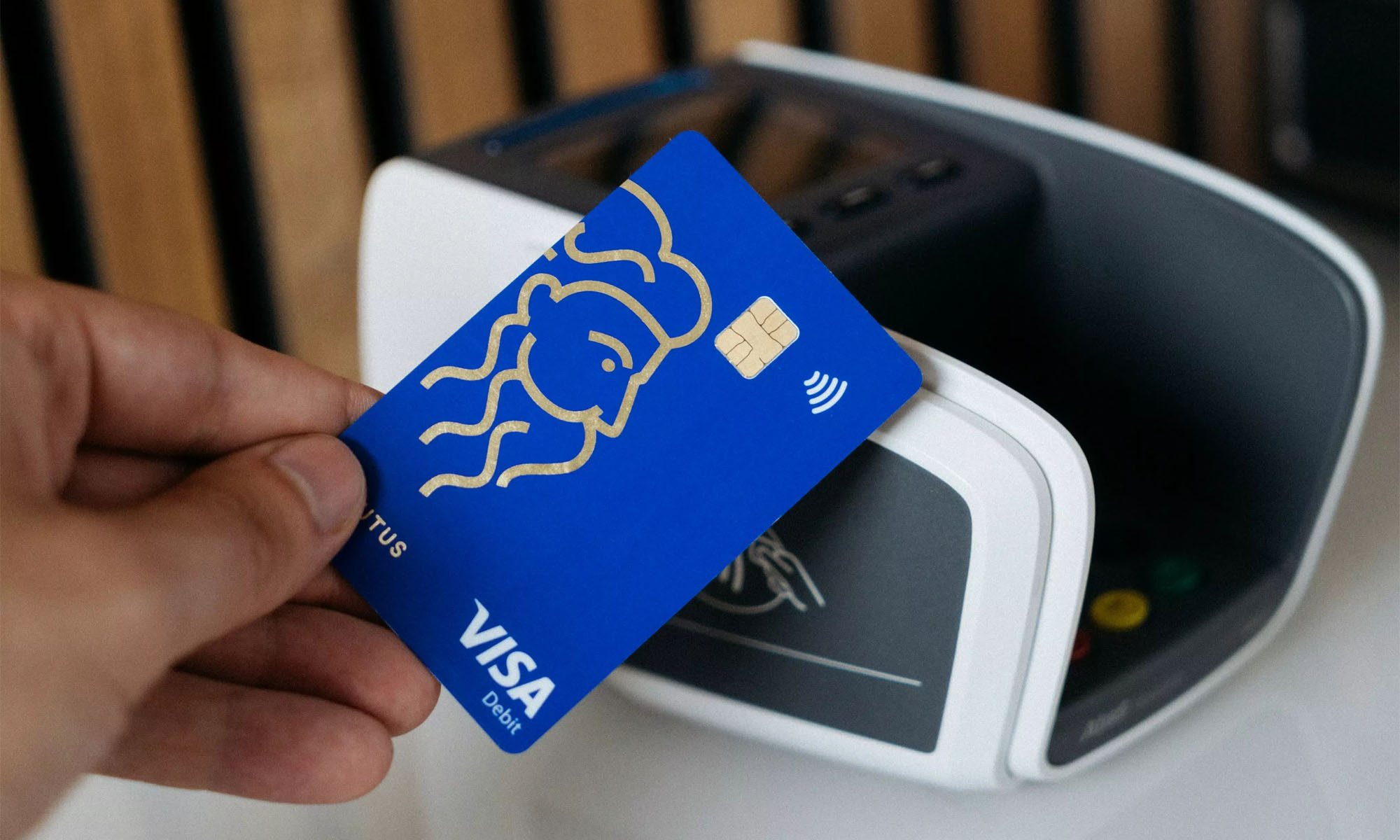
Visa is returning to Syria. Its first live international card transaction in the country was a test rather than a launch, and the milestone event ran through a Lebanese bank.
The acquirer (the bank on the merchant’s side of a card payment) was Fransabank Lebanon, with Paymera as the other named partner. Nadim Moujaes, who heads a Fransabank Group subsidiary, describes the test as both the culmination of “longstanding efforts to link Syria back to international payment networks” and “the first step in a larger path”.
Syrian President Ahmed Al-Sharaa makes the first electronic payment in Syria using a @Visa card at a store in Damascus, following the lifting of US sanctions on Syria. pic.twitter.com/lpAN7nQ6Fc
— Tech Magazine (@TechMGZN) August 27, 2026
“We are excited to have successfully tested live transactions today as we plan to enable international visitors to use their Visa cards while in Syria,” says Leila Serhan, Visa’s senior vice president and group country manager for the North Africa, Levant and Pakistan region. Although a significant first step, that plan doesn’t come with a hard date for when a visitor’s card will work normally.
Mohammed Safwat Raslan, governor of the Central Bank of Syria, says the test paves the way for international card acceptance in Syria and that maintaining strong compliance, risk management and operational controls will remain essential. Serhan likewise stresses that Visa has worked within applicable legal, regulatory and compliance requirements. For a test transaction, it seems there was a great deal of attention paid to the rules, with the entire operation being carefully managed.
Also Read: Lebanon’s 5G Era Begins With 150 Stations And A $1M Budget
The test is the latest step in a sequence that began in December 2025, when Visa announced a strategic roadmap to support Syria’s integration into the global digital economy. In February 2026 it hosted its first industry gathering of banks, ecosystem partners and policymakers in Damascus and, the same month, signed an agreement with Syria’s Ministry of Communications and Information Technology in San Francisco.
Michel Kattouah, Paymera’s CEO, called the test “the return of international card acceptance,” but while that’s positive news, there’s no word yet on when a Syrian bank will issue a Visa card to a Syrian customer.

Visa’s Return To Syria Starts With A Test And A Bank In Lebanon

RØDE’s New DS3 Studio Arm Is Built For Heavier Creator Setups

Dubai Turns AI On Its Own Civil Service To Measure Productivity

Former Rockstar Director Dismisses GTA 6 Leaks As “Nothing Burger”

Qatar Airways Flies The World’s First Starlink-Equipped 787-9

Samsung And Spotify Offer Free Premium Deal In MENA

Spotify Will Now Tell You If Your Favorite Artist Isn’t Real

Instagram Redraws Its Wordmark And The Internet Reads “Instagzam”

Anghami’s New Elite Program Starts With A Three-Decade Catalog

Qatar Is Getting Its First EV Plant, Built To Cope With Gulf Heat


-
 News3 weeks ago
Spotify Will Now Tell You If Your Favorite Artist Isn’t Real
-
 News3 weeks ago
Instagram Redraws Its Wordmark And The Internet Reads “Instagzam”
-
 News2 weeks ago
Anghami’s New Elite Program Starts With A Three-Decade Catalog
-
 News3 weeks ago
Qatar Is Getting Its First EV Plant, Built To Cope With Gulf Heat