
News
Saudi Arabia Plans Wide-Ranging Entertainment Ecosystem
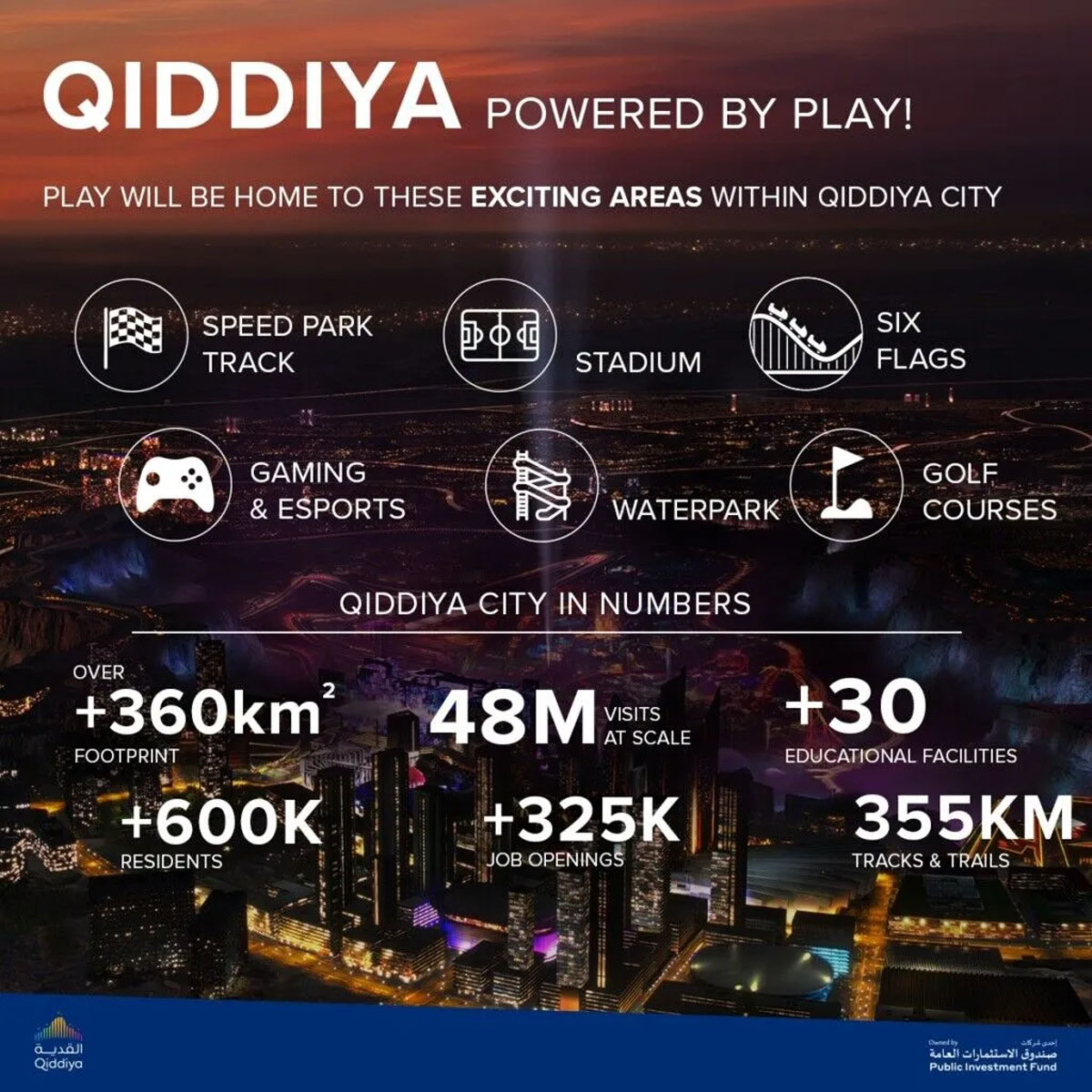
The global branding and urban planning for Qiddiya City aims to bring in 48 million visitors annually.


Qiddiya Investment Company has formed a merger with Saudi Entertainment Ventures (SEVEN) amid plans to comprehensively overhaul the entertainment sector. The new entity aims to construct a comprehensive entertainment ecosystem to further Saudi Arabia’s economic diversification and forge ahead with the construction of the multi-billion dollar Qiddiya project.
Managing director of Qiddiya and chairman of SEVEN Abdullah Aldawood, explained that the merger would “create a new concept of fun and improve the quality of life by building an integrated and unprecedented entertainment ecosystem”.
SEVEN brings vast experience to the ambitious plans after spearheading the development of 21 entertainment projects spanning 14 Saudi Arabian cities, with total investments exceeding $13 billion.
Among its many achievements, SEVEN was responsible for reintroducing cinemas to the Kingdom after a 35-year hiatus and has secured partnerships with global brands, including Transformers, Play-Doh, Hot Wheels, Clip’ n Climb, Discovery Adventures, and Flow House.
Also Read: Meet JAIS Chat: The AI-Powered Chatbot For Arabic Speakers
Qiddiya was envisioned as a giga-project and slated for a 2022 opening. However, the timeline has now shifted, with the opening of the eagerly anticipated Six Flags and Aqua Arabia theme parks now pushed back to 2025.




News
Abu Dhabi’s Robot Kitchen Is Serving Up Biryani, Not Burgers
Circus SE wants to put a tiny automated factory inside the buildings where Gulf residents live and work, bypassing part of last-mile delivery.
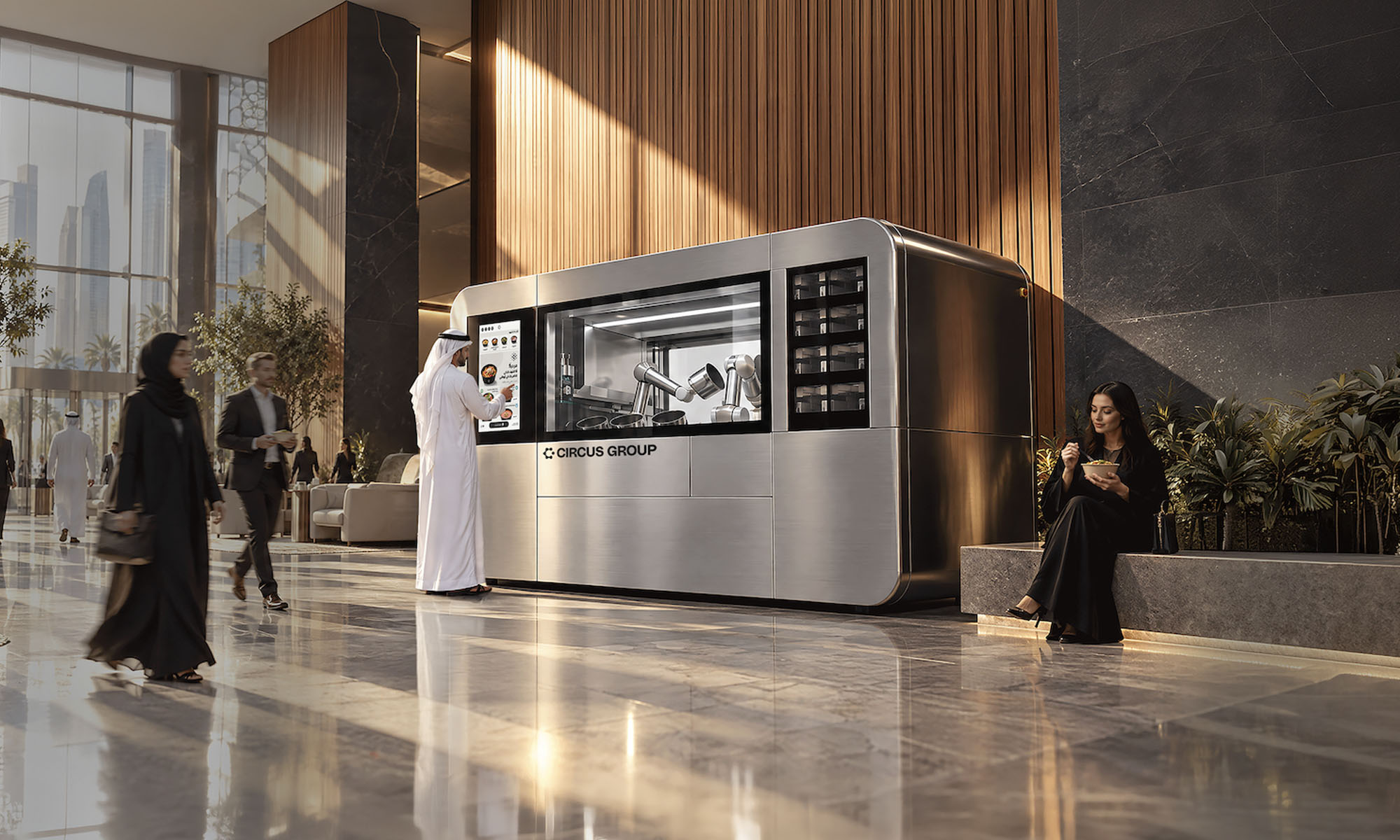
The most telling thing about a new autonomous kitchen now running in Abu Dhabi’s Marina Square is what it won’t cook:
“We don’t do fast food,” says Nikolas Bullwinkel, Founder and CEO of Circus SE. “We’ve actively decided not to build a machine that can only do burgers”.
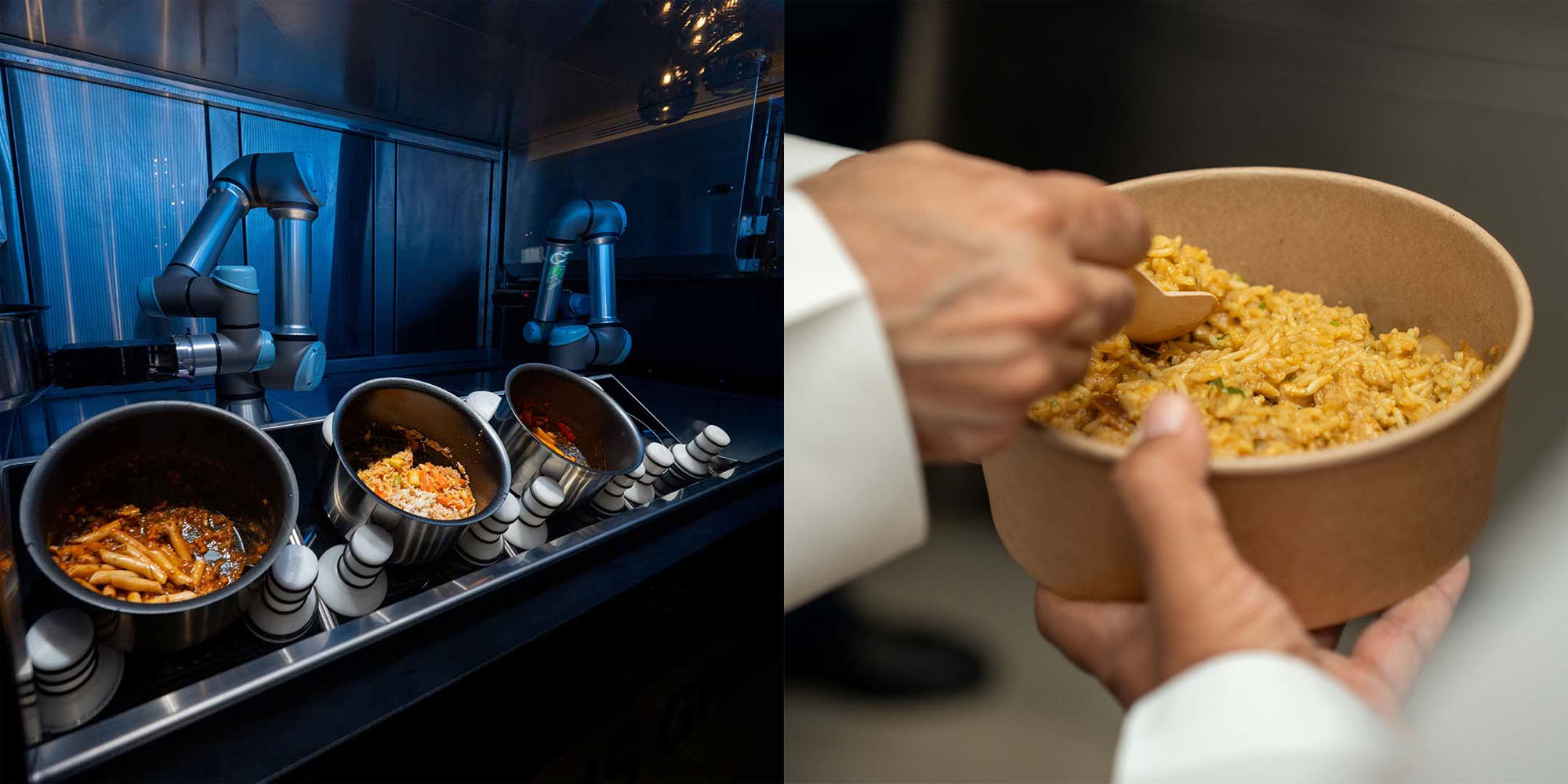
Instead, the CA-1 system is built around pot-based cooking: curries, pastas, soups and rice dishes. After experimenting with highly personalized recipes, Circus deliberately leaned back toward recognizable food. “We’re going with a chicken biryani because you know it,” Bullwinkel says of the AED 40 dish.
The Germany-based robotics and food technology company operates across eight countries, and Abu Dhabi is its first deployment outside Europe. More locations are expected there and in Dubai.
In Germany, its units can be placed in supermarkets, gas stations, airports and hospitals. In the Gulf, Bullwinkel wants them inside residential and office buildings, replacing some of the complexity of last-mile delivery. “We’re basically bringing a very tiny factory a few square meters into your building,” he says. Catering company Royal Prestige supplies the ingredients and knowledge of local tastes.
The CA-1 manages up to 36 refrigerated ingredient silos alongside automated induction cooking, robotic plating and a self-cleaning dishwasher. Two robotic arms move ingredients through the system with minimal human intervention. It can produce up to 120 hot meals an hour, and a meal such as rice and curry can take around three to four minutes.
Also Read: Ooredoo Qatar’s 5G+ Network Is Built For Machines As Much As People
Five cameras and multiple sensors monitor heat, temperature and consistency, an attempt to approximate what a chef perceives. “You can hear something gets burned, you can smell it, you can see it at some point,” Bullwinkel says. CircusOS, the company’s operating system, adjusts recipes in real time.
You might think of the platform as a threat to kitchen staff, but Bullwinkel frames Circus as a way for chefs to develop recipes and distribute them at scale. With that being said, rising labor costs and shortages are also part of his case for automation.

Abu Dhabi’s Robot Kitchen Is Serving Up Biryani, Not Burgers

Sennheiser’s MOMENTUM 5 Series Bets On Batteries You Can Swap

UAE’s 3-Minute University Registration Runs On Government Data

How Online Ads Became A Delivery System For Zero-Click Spyware

Shokz OpenDots 2 Review: Clip-On Audio Gets A Bass-Heavy Makeover

Dubai Says Its Deepfake Detector Needs Just 7 Seconds Of Video

NEOPAY Wants To Follow Merchants Across Channels And Borders

RØDE’s Low-Profile Studio Arm Is Designed To Stay Out Of Shot

New Disney+ Streaming App Has Officially Launched In The UAE

For etisalat, More Bandwidth Is A Matter Of Digital Sovereignty


-
 News2 weeks ago
Dubai Says Its Deepfake Detector Needs Just 7 Seconds Of Video
-
 News3 weeks ago
NEOPAY Wants To Follow Merchants Across Channels And Borders
-
 News3 weeks ago
RØDE’s Low-Profile Studio Arm Is Designed To Stay Out Of Shot
-
 News2 weeks ago
New Disney+ Streaming App Has Officially Launched In The UAE