
News
Influencer Growth Fuels Saudi Creator Economy Surge
The Kingdom’s creator economy grew over 32% in Q1 2025, fueled by TikTok, UGC, and cost-per-action (CPA) influencer models.

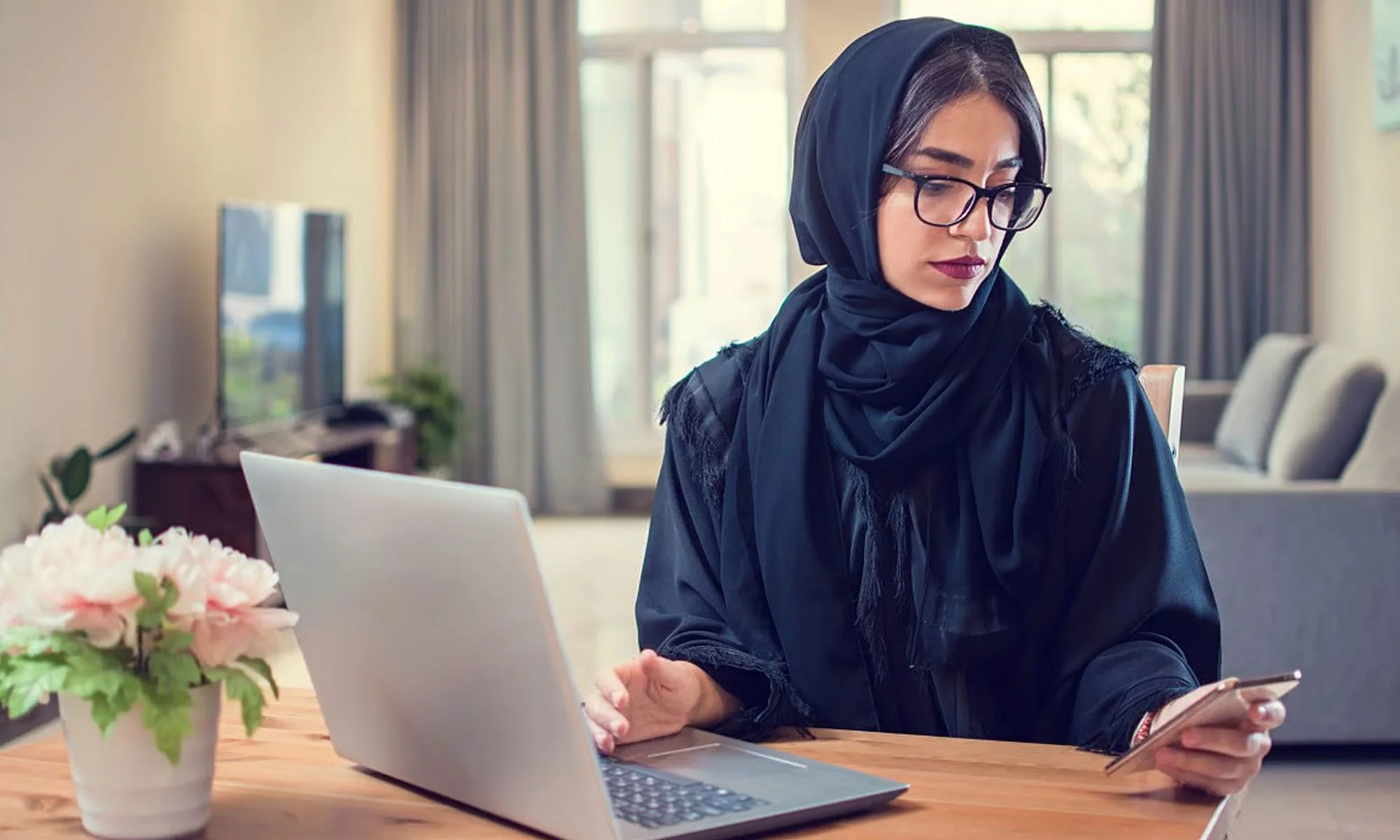
Saudi Arabia’s creator economy saw a significant 32.37% growth in the first quarter of 2025, driven by an uptick in influencer marketing, content-driven e-commerce, and the increasing influence of user-generated content (UGC). These insights come from a recent study by Admitad and the Stllr Network.
Much of this momentum is coming from video-based platforms, where brands are leaning on creators who feel more relatable than polished ad campaigns. The trend shows a clear preference for authenticity, as audiences gravitate toward content that feels real and personal.
Mohannad Alzahrani, Co-founder and VP KSA of Stllr Network, highlighted the shift: “The rise of user-generated content (UGC) is changing the way brands engage with consumers. Audiences trust real creators more than traditional advertising, making UGC a key driver of authenticity and sales”.
TikTok remains the dominant platform in this space, reportedly reaching 88% of the Saudi population. It also showed the sharpest rise in influencer-led transactions. Other platforms followed with solid, if less dramatic, growth: X was up 17%, Instagram increased by 12%, and Telegram by 10%.
In terms of content niches, beauty led the pack with a 56% growth rate, followed by lifestyle at 45.8% and fashion at 18.2%. Tech content also showed healthy traction at 10.6%, while entertainment, food, fitness, parenting, and gaming posted smaller — but still positive — gains.
Also Read: Top E-Commerce Websites In The Middle East In 2025
The report analyzed more than 300,000 influencer-driven purchases. These efforts translated into a 15% year-on-year jump in Gross Merchandise Value (GMV) and a 5% increase in the number of orders in 2024. Influencers themselves are seeing the benefit, with average order values hitting $54 and creator earnings rising by 14%.
A noticeable trend is the move away from fixed-rate deals. More influencers in Saudi Arabia are embracing hybrid compensation models — especially cost-per-action (CPA) setups that tie their earnings directly to performance.
As Anna Gidirim, CEO of Admitad, explains, “The CPA model brings much-needed transparency to influencer marketing. Brands only pay for actual results, and influencers benefit by securing long-term partnerships while offering their audiences exclusive promo codes and special discounts”.
However, the ecosystem still shows a gender imbalance. The data indicates that 63% of creators in Saudi Arabia are men, while women account for just 37%.




News
Microsoft Plans $10 Billion-Plus Gulf Expansion Despite Iran Conflict
Security is shaping Microsoft’s approach, from resilience work with governments to what it will say about how the money splits by country.
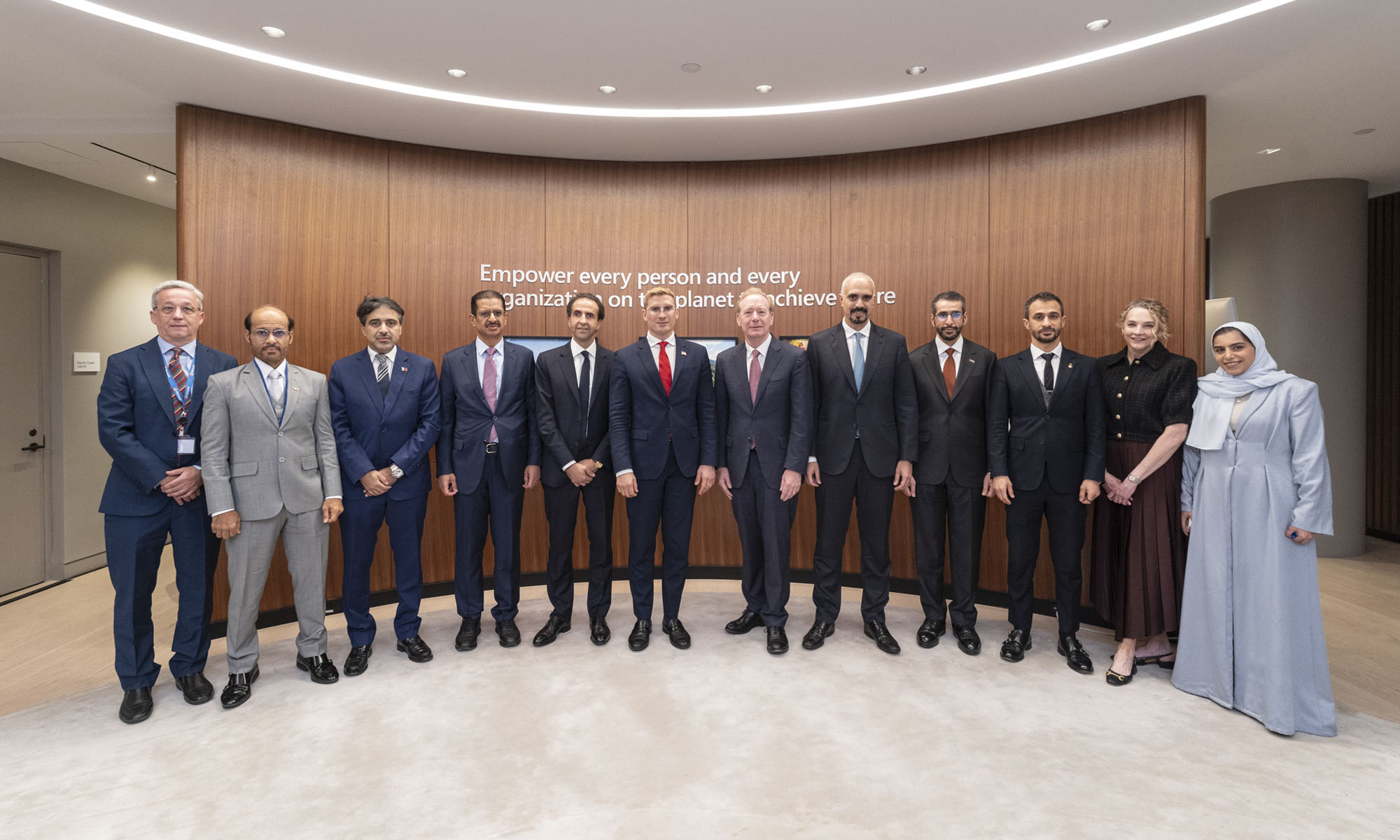
Microsoft is planning more than $10 billion of investment across the UAE, Saudi Arabia, Qatar and Kuwait through 2030, Vice Chair and President Brad Smith told Reuters, calling the spending schedule aggressive. The Iranian conflict that began on February 28 has not persuaded the company to scale back.
“We’re sustaining all the investments we planned to make before this conflict started, and we are in fact adding to them,” Smith said. The $10 billion-plus total does not, however, show how large those additions are.
The investment, which Smith described as part of Microsoft’s continued infrastructure expansion, is aimed at cloud and AI infrastructure and at the company’s growing regional operations. Microsoft also intends to put more than $400 million into subsea and terrestrial connectivity across the Middle East by 2030.
The spending fits the region’s own ambitions too. Gulf governments have been investing heavily in AI infrastructure as part of a push to diversify their economies beyond oil and gas and turn themselves into global technology hubs. Major cloud and AI providers have been drawn in part by the land and relatively low-cost energy on offer.
Microsoft is widening its partnerships with regional AI companies, though not on identical terms. In 2024, it invested $1.5 billion in Abu Dhabi-based G42 for a minority stake, and Smith currently sits on G42’s board. Saudi Arabia’s Humain and Qatar’s Qai are working with Microsoft on selected priority areas, but Smith said the company does not plan to make capital investments in either.
Also Read: Egypt’s Mobile Wallets Are Booming, But Cash Still Has Power
The conflict has added another strand to Microsoft’s work in the region. Since it began, Smith said, the company has supported regional partners with digital resilience assessments, and it is now working with Gulf countries through a digital resilience initiative focused on preparedness and the protection of critical data.
So far, the company has given no country-by-country breakdown of the investment, citing security among other factors. So while the headline figure is public, how Microsoft divides the spending among the four countries is not.

Microsoft Plans $10 Billion-Plus Gulf Expansion Despite Iran Conflict

In Kuwait, Your Surgeon Might Be Operating From Another Country

Qatar Folds 45 State Companies Into A Single Investment Platform

Trip.com Is Betting An AI Agent Will Book Your Next Vacation

Meta’s New $499 Plan Puts A Price On Reaching A Real Person

Apple’s First Folding iPhone Arrives Late To A Shrinking Market
Trip.com Is Betting An AI Agent Will Book Your Next Vacation

Egypt’s Mobile Wallets Are Booming, But Cash Still Has Power

OKX Bets Streaming Perks Can Take Crypto Mainstream Across MENA

Apple’s Latest Product Releases Make The Headlines


-
 News3 weeks ago
Apple’s First Folding iPhone Arrives Late To A Shrinking Market
-
 News2 weeks ago
Trip.com Is Betting An AI Agent Will Book Your Next Vacation
-
 News2 weeks ago
Egypt’s Mobile Wallets Are Booming, But Cash Still Has Power
-
 News2 weeks ago
OKX Bets Streaming Perks Can Take Crypto Mainstream Across MENA