
News
Meet JAIS Chat: The AI-Powered Chatbot For Arabic Speakers
The AI-driven mobile app was created by Core42 and offers seamless cross-language communication and advanced AI assistance.

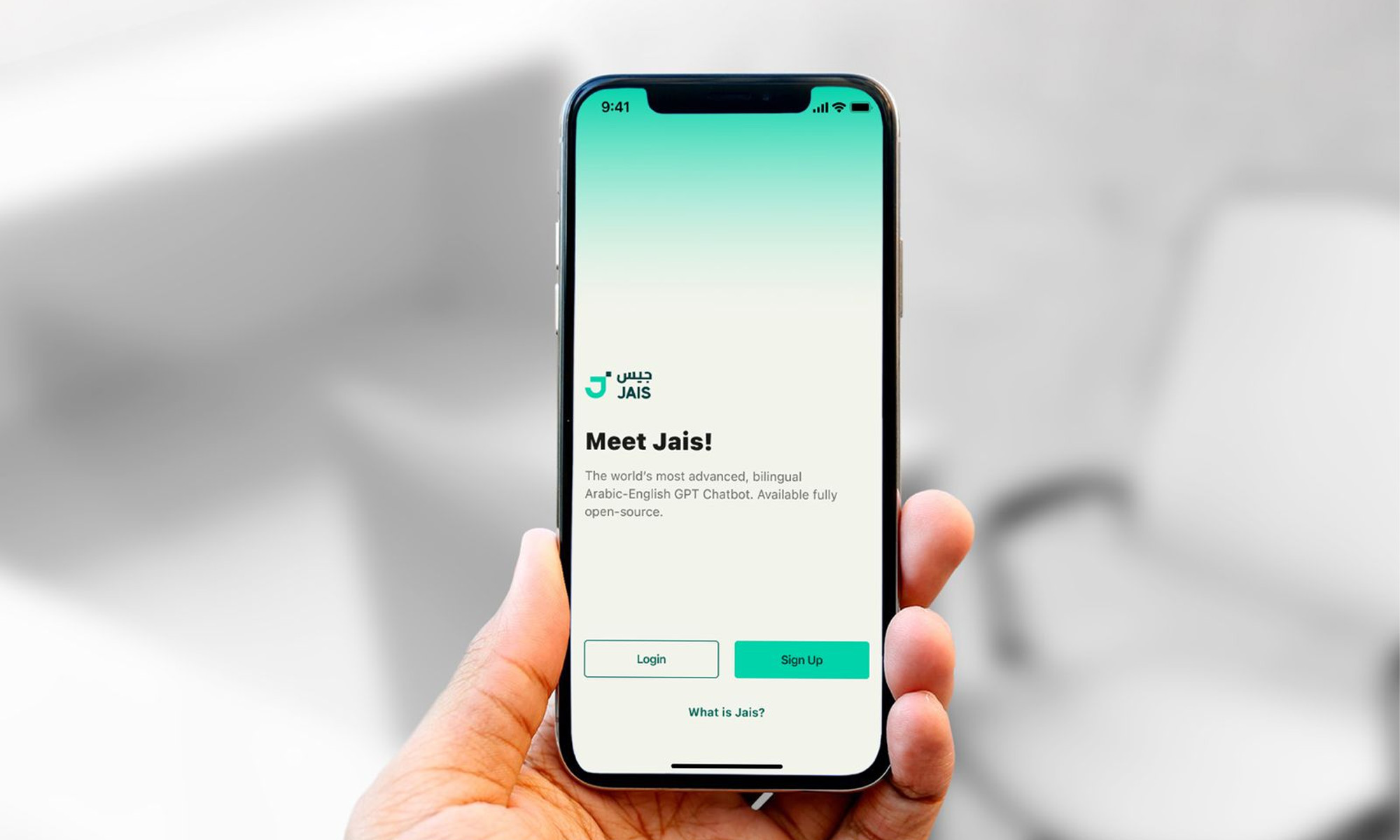
Core42, a subsidiary of Abu Dhabi’s G42 specializing in sovereign cloud solutions, cybersecurity, and AI infrastructure, has launched JAIS Chat, a mobile app for iOS.
Developed to cater to the increasing demand for Generative AI capabilities in the Middle East, the user-friendly chatbot serves both English and Arabic speakers, understanding various local dialects and cultural subtleties.
JAIS Chat allows seamless translation and cross-language communication on a large scale, leveraging AI to empower Arabic speakers worldwide. With its mobile version, JAIS Chat brings accessibility, efficiency, and convenience to users’ daily interactions, providing AI-driven assistance wherever they go.
Powered by JAIS 30B, the world’s leading Arabic Large Language Model (LLM), JAIS Chat boasts unparalleled Arabic language processing and accuracy. Core42 claims that the chatbot now rivals top-performing English language models of a similar size.
Andrew Jackson, Chief AI Officer at Core42, said, “Since the inception of JAIS in August 2023, the response has been overwhelmingly positive, and with the recent launch of JAIS 30B, we’ve witnessed a significant enhancement in its performance metrics compared to its predecessor, JAIS 13B. With its Arabic-first approach, JAIS reshapes how bilingual individuals interact with technology, and with JAIS Chat for mobile, we are delivering the next advancement in our mission to democratize AI access for the world”.
Also Read: Getting Started With Google Gemini: A Beginner’s Guide
JAIS Chat is now poised to revolutionize various sectors across the wider Middle East, from government communications to customer service automation with AI-powered functionalities that also include chat summarization and new content generation.
Future updates will integrate document processing, customizable user settings, voice conversation capabilities, and enterprise support for businesses seeking tailored AI solutions.
Apple users can download the chatbot on the App Store. If you’re interested in taking a more detailed look under the hood, click here.






News
Syria Just Got Its First Super App Featuring Built-In Digital Payments
Built by UAE-based Syrian founders with the Ministry of Tourism’s backing, My Syria lands as visitor numbers more than double.
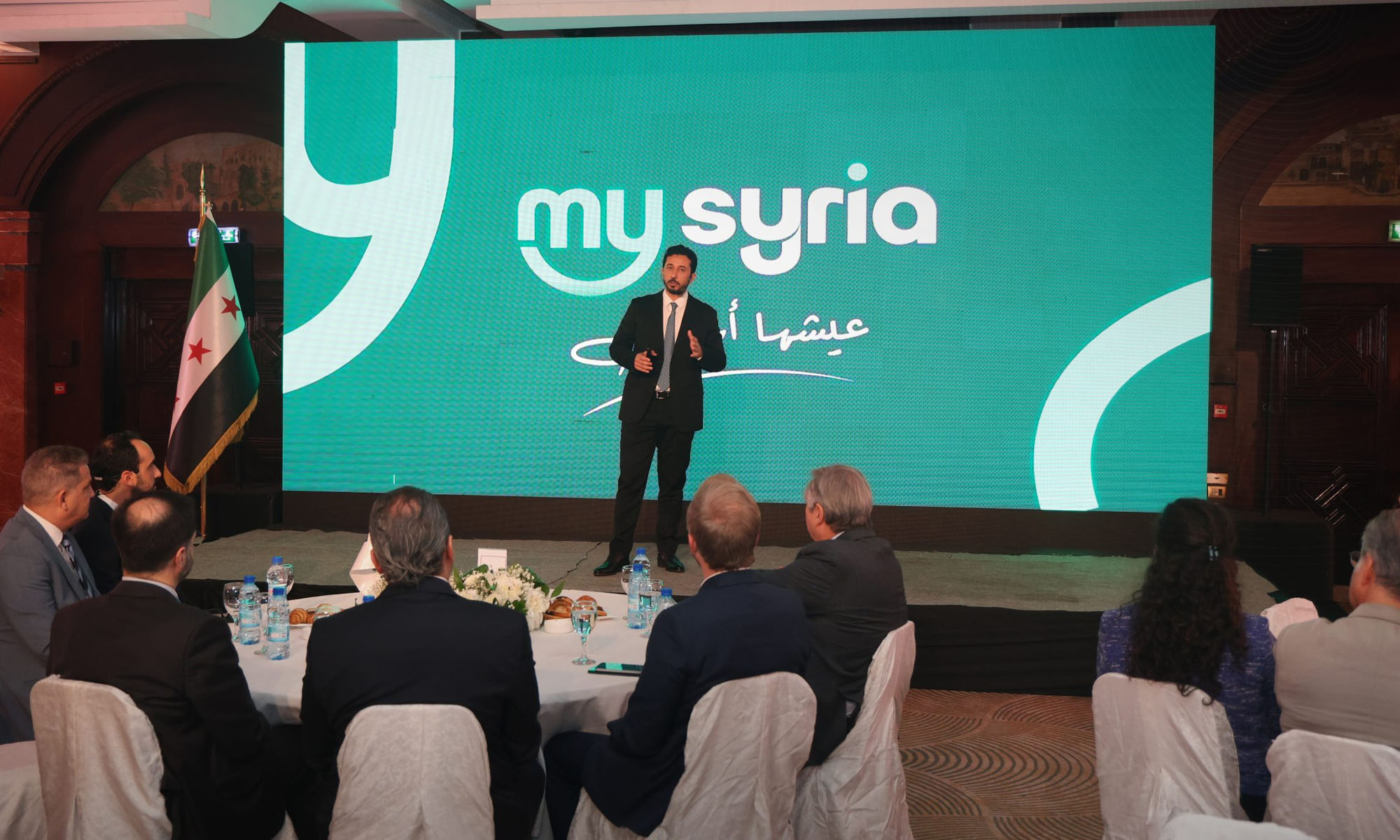
For most of the past decade, paying for anything in Syria with an international card was effectively impossible. Sanctions, a collapsed banking sector, and years of isolation left the country running on cash. That is what makes the launch of My Syria — the country’s first super app — more than a routine product announcement.
Developed by 121 Living, a company founded by four UAE-based Syrian entrepreneurs — Rami Kaiem, Feras Kaiem, Waseem Qudmani, and Kinan Madi — the app launched in Damascus on July 30 under the patronage of Minister of Tourism Mazen Al-Salhani. It bundles hotels, restaurants, transport, attractions, food delivery, and other lifestyle services into a single platform, currently offering eight services with plans to expand to more than 40 verified tourism and hospitality providers across the country.
Although the app already sounds enticing, the headline feature is its built-in payments. My Syria is the first platform in Syria to support cross-border digital payments through Apple Pay, Google Pay, Visa, Mastercard, and American Express — familiar tools for international visitors, and a route into the digital economy for local businesses that have long operated outside it.
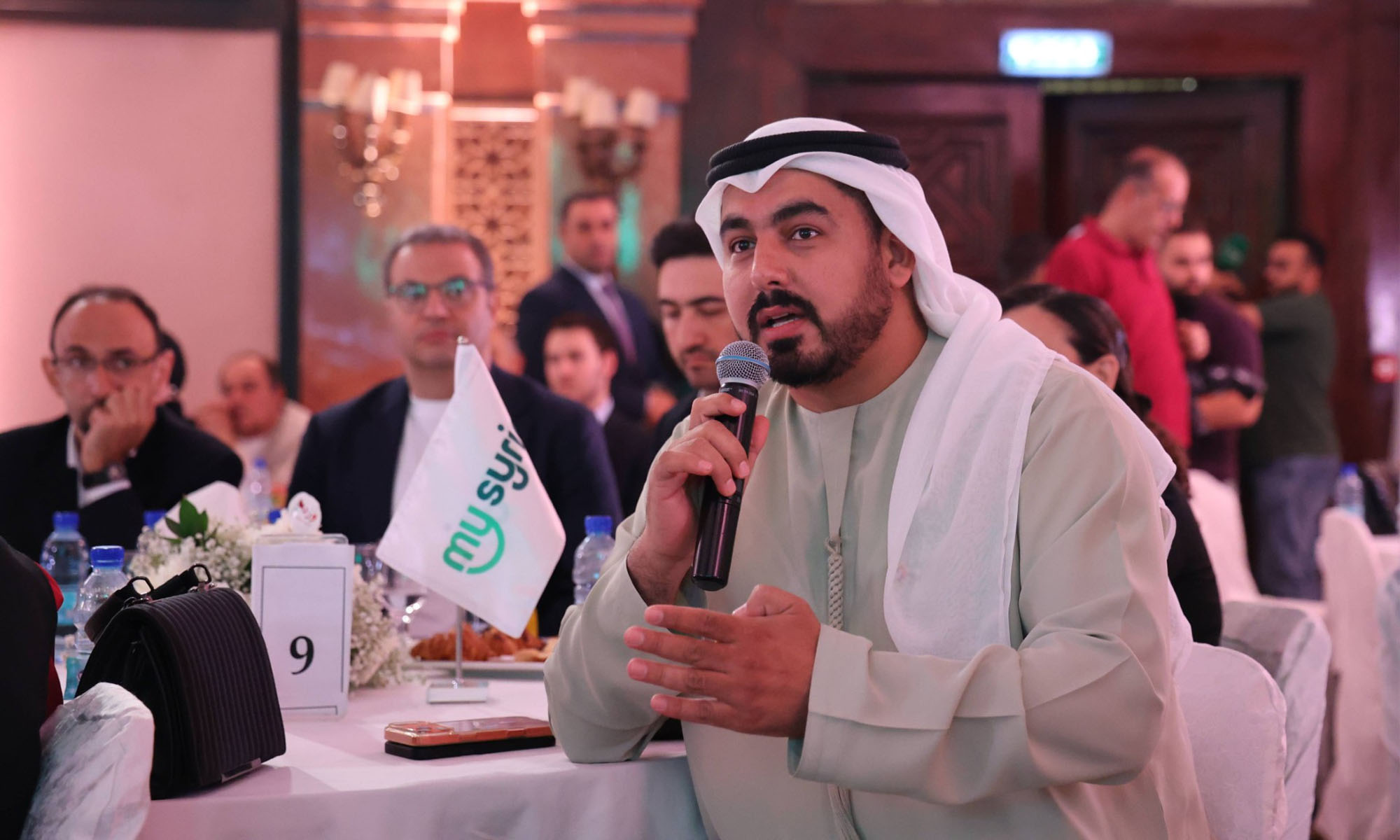
The launch rides on a sharp rebound for the troubled country. Syria’s tourism sector recorded 3.52 million visitor arrivals in the first half of 2026, a 111 percent increase over the 1.67 million during the same period in 2025 — a mix of returning expatriates, regional visitors, and international tourists.
Also Read: This UAE Platform Wants To Replace Fashion Photo Shoots With AI
The Ministry of Tourism, which supported and supervised the app’s development, frames the launch as proof of concept for a wider strategy. “Digital transformation is one of the Ministry’s strategic priorities because it enables us to build a more competitive, connected and investment-ready tourism sector,” Al-Salhani said, inviting technology companies “globally, regionally and locally” to explore opportunities across the wider economy.
For 121 Living, this is phase one, with additional services and expanded geographic coverage planned. Whether a super app can flourish in a market still rebuilding its infrastructure is an open question, but for the first time in years, a visitor to Damascus can pay for dinner with their phone.

Syria Just Got Its First Super App Featuring Built-In Digital Payments

Shokz OpenFit Pro Review: Open-Ear Audio Finally Grows Up

This UAE Platform Wants To Replace Fashion Photo Shoots With AI

Nike And Hyperice’s New Slides Heat And Vibrate Your Feet

Samsung’s Fold Goes Wide, And The Whole Galaxy Range Gets Pricier

Meta’s New AI Tool Builds Images From Public Instagram Photos

TikTok Hopes Labels And Literacy Will Tame AI-Generated Content

Tamper With The Recording LED & Meta’s Glasses Kill Camera

YouTube Rolls Out Supervised Children’s Accounts Across MENA

Samsung’s Galaxy Watch 9 And Ultra 2 Specs Leak Ahead Of Unpacked


-

 News2 months ago
LUVED Is A New Curated Preloved Marketplace For The UAE
-
 News2 months ago
Instagram Now Lets You Tune Its Algorithm, But There’s One Big Catch
-

 News2 months ago
Max Fashion Brings AI Virtual Try-Ons To Gulf Online Shoppers
-

 News2 months ago
Deezer’s Free AI Detector Reveals What’s Hiding In Your Playlists