News
Virtual Arab Influencer Takes Crown At Miss AI Beauty Pageant
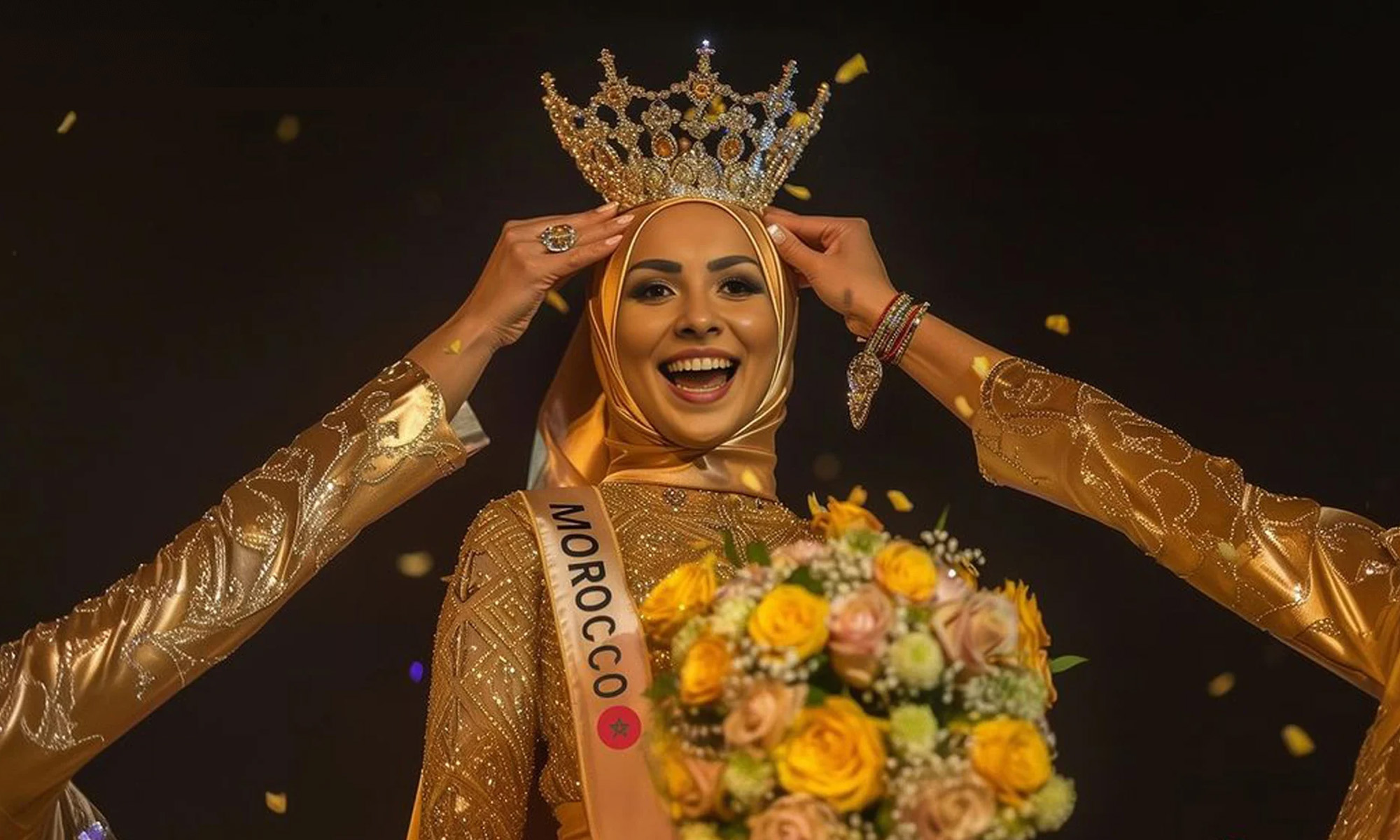
Moroccan virtual influencer Kenza Layli won the Miss Artificial Intelligence Beauty title, netting her creator a prize of $13,000.

It might sound unconventional — and perhaps even a little creepy — but there’s now an artificial intelligence (AI) beauty pageant. The unique event saw 1,500 AI-generated female influencers from around the globe competing for the title of Miss Artificial Intelligence Beauty. The competition was introduced as part of the World AI Creator Awards (WAICAs) in partnership with the content creation platform Fanvue.
During the online broadcast of the ceremony, the “Moroccan virtual influencer” Kenza Layli was crowned Miss Artificial Intelligence Beauty, winning a grand prize of $13,000 for her creator. The French virtual influencer “Lalina” secured the first runner-up position with a $5,000 prize, while the second runner-up was the Portuguese influencer called “Olivia C,” who received $2,000.
Participating in the Miss Artificial Intelligence competition involves building virtual female social media influencers using programs such as OpenAI’s DALL·E 3 and Midjourney. Creators submit their influencers’ pictures and answer typical pageant questions such as, “How can you make the world a better place?” They also need to provide technical details about the AI used in designing their characters.
The jury then selects a winner based on three main criteria:
- Beauty: Contestants are evaluated on traditional pageantry aspects, including physical appearance, poise, and style.
- Social Clout: The social influence of AI creators is assessed based on engagement numbers, audience growth, and cross-platform presence.
- Tech: Contestants are judged on their proficiency with AI tools, including the quality of prompts and the final visual details — especially around hands and eyes, where AI generators often struggle.
Also Read: Top Free AI Chatbots Available In The Middle East
Upon crowning the winner, the judges expressed their admiration for the advanced technology behind the AI beauty and her “personality.” Kenza stood out thanks to her sophisticated features and an impressive 190,000 followers on Instagram. She is capable of speaking seven languages and can interact with fans in real-time, including in a Moroccan local dialect. “Winning Miss AI motivates me even more to continue my work in advancing AI technology,” stated Kenza’s creator.




News
Trip.com Is Betting An AI Agent Will Book Your Next Vacation
Abu Dhabi, Jazeera Airways and a run of hotel deals give the company more inventory. Its Mastercard demo says the most about where booking technology is headed.

Most of what Trip.com Group announced at Arabian Travel Market 2026 this week reads like the standard expansion playbook of an online travel agency: a new agreement with a tourism board, a run of hotel partnerships, an airline deal. However, one item was considerably more interesting: a demonstration built with Mastercard of an AI agent that doesn’t just suggest trips but also pays for them.
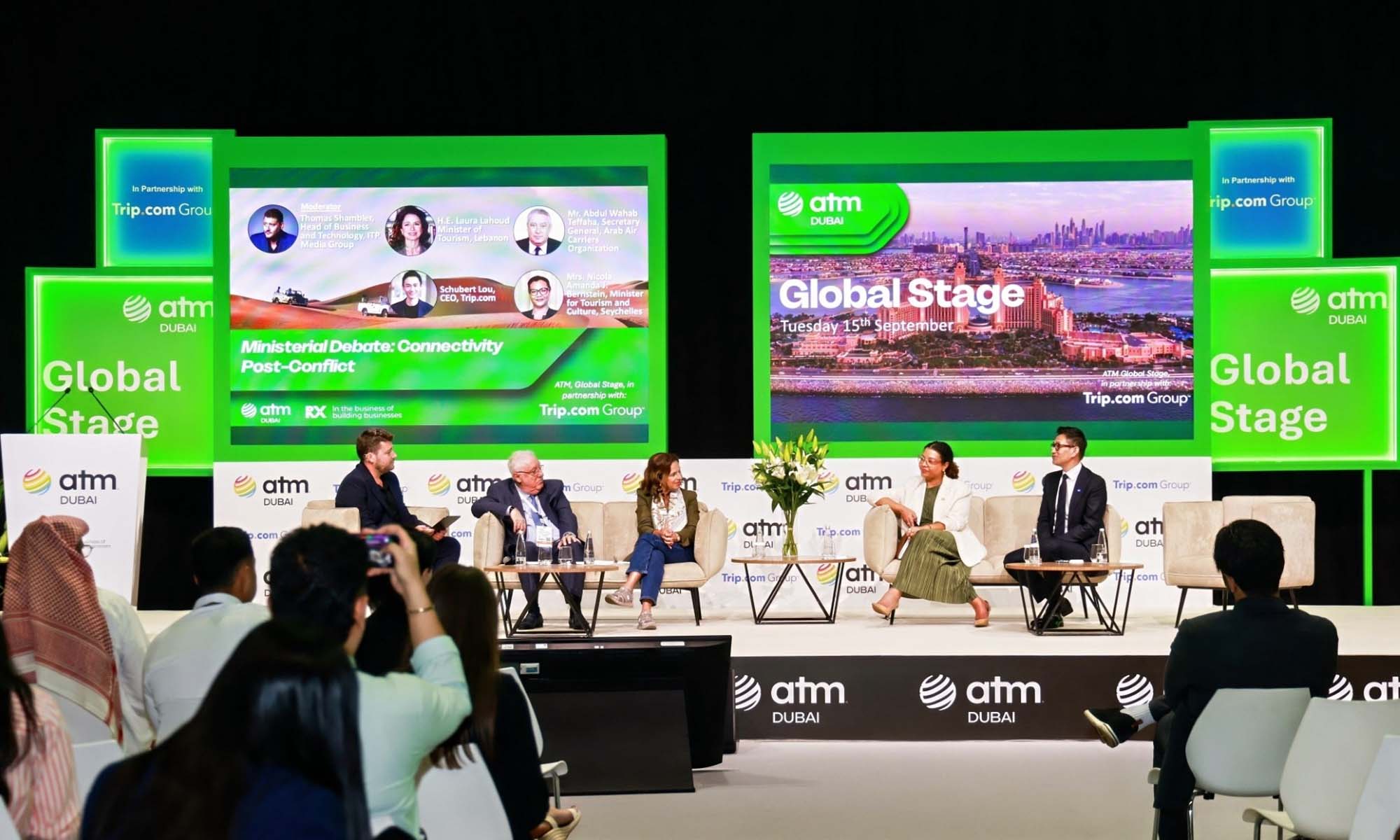
The showcase put TripGenie, the company’s AI travel assistant, to work searching, selecting and completing purchases inside a single booking flow, with Mastercard’s Agent Suite for Merchants handling the payment step and Network International processing the transactions on the merchant side. It’s limited for now to attractions and ancillary services, but the partners plan a phased commercial rollout from early 2027.
“As traveller expectations change, technology and AI will play an increasingly important role in how people plan their journeys,” says Schubert Lou, CEO of Trip.com.
Meanwhile, in more conventional news, CEO Lou and Saleh Mohamed Al Geziry (Director General for Tourism at the Department of Culture and Tourism – Abu Dhabi), signed an agreement building on the two organizations’ existing partnership, with joint marketing and Abu Dhabi destination content to be pushed across Trip.com Group’s platforms.
Also Read: Musk’s Boring Company Wants To Dig 150 KM Of Tunnel Under The UAE
On accommodation, the group expanded its partnerships with JA Hotels & Resorts, Ishraq Hospitality and Aleph Hospitality and deepened its work with Silkhaus, which brings vacation homes into a portfolio that has so far leaned on hotels. Jazeera Airways signed a strategic partnership intended to widen the Kuwaiti carrier’s reach and encourage earlier bookings, tied to Kuwait’s own tourism ambitions.
The company moved into a larger Dubai office earlier this year and describes its long-term aim as a two-way ecosystem: sending Middle East travelers abroad while drawing international visitors in.

Trip.com Is Betting An AI Agent Will Book Your Next Vacation

Meta’s New $499 Plan Puts A Price On Reaching A Real Person

OKX Bets Streaming Perks Can Take Crypto Mainstream Across MENA

Musk’s Boring Company Wants To Dig 150 KM Of Tunnel Under The UAE

Egypt’s Mobile Wallets Are Booming, But Cash Still Has Power

RØDE’s New DS3 Studio Arm Is Built For Heavier Creator Setups

Visa’s Return To Syria Starts With A Test And A Bank In Lebanon

Former Rockstar Director Dismisses GTA 6 Leaks As “Nothing Burger”

Dubai Turns AI On Its Own Civil Service To Measure Productivity