
News
Exploding Pagers Kill 12 & Injure Thousands In Lebanon & Syria
Several news agencies are now reporting that Israel’s Mossad was responsible for planting the devices used in the attack.

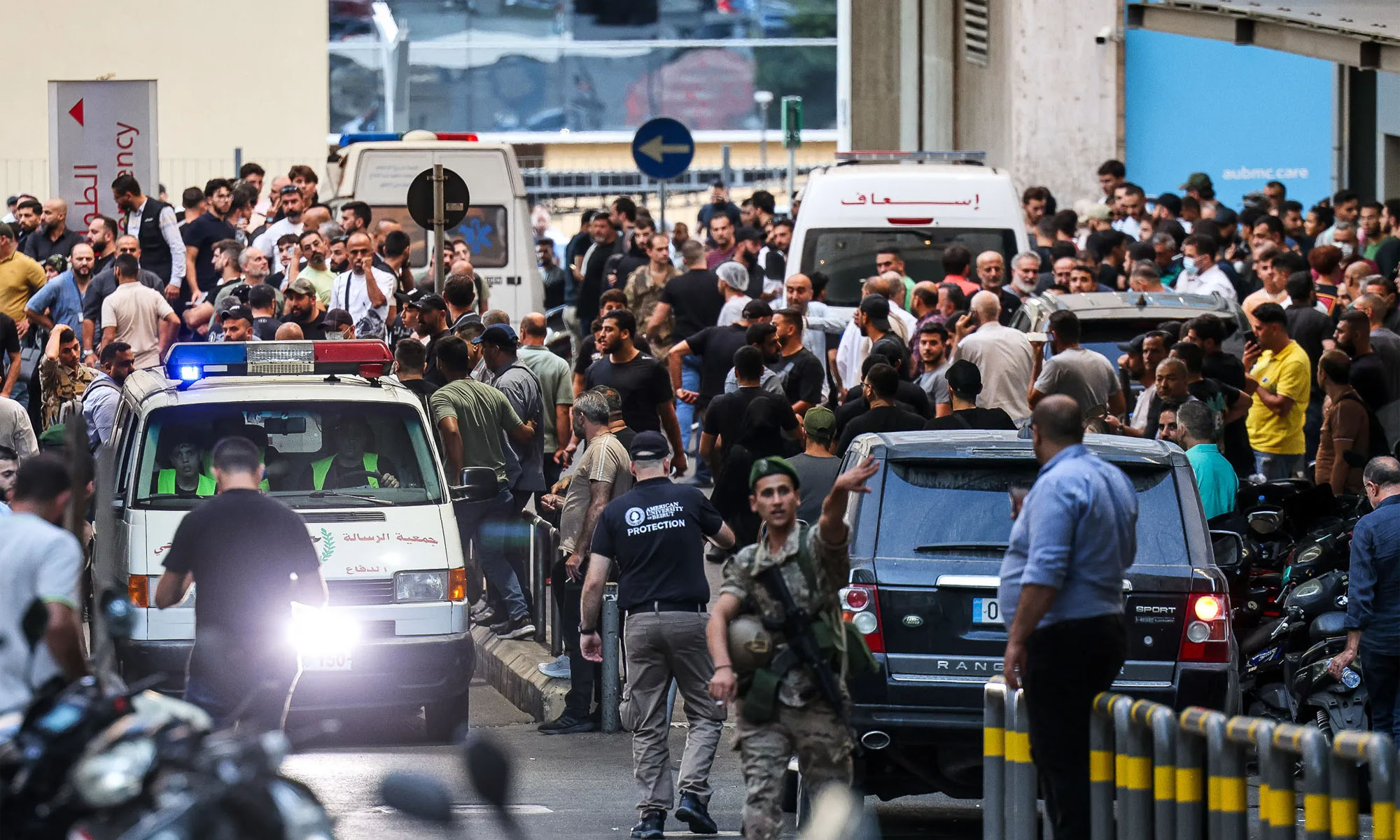
Thousands of Lebanese and Syrian citizens have been injured in an attack that used modified pagers loaded with explosives. Lebanon’s health minister, Firass Abiad, confirmed that twelve people, including a young child, had been killed. Meanwhile, the state media agency, NNA, announced that a further 2,800 people were injured.
By yesterday evening (Tuesday, September 17), the New York Times had reported that Israel was to blame for the attacks, stating: “Israel carried out its operation against Hezbollah on Tuesday by hiding explosive material within a new batch of Taiwanese-made pagers imported into Lebanon, according to American and other officials briefed on the operation”.
Israel's Mossad spy agency planted explosives inside 5,000 pagers imported by Lebanese group Hezbollah months before Tuesday's detonations, a senior Lebanese security source and another source told @Reuters https://t.co/8m4tTa4BSQ pic.twitter.com/O78WXLWUHp
— Reuters (@Reuters) September 18, 2024
Reuters also reported that it had gained information from a “senior Lebanese security source” and “another source” that Hezbollah had imported 5,000 pagers from Taiwanese manufacturer Gold Apollo. However, at some point in the supply chain, the units were intercepted and replaced with modified versions carrying explosives. The source also claimed that Israel’s Mossad spy agency was responsible, adding around three grams of high-explosive material inside the casing of each device.
The Importance Of Pagers To Hezbollah
As we have seen in both the Ukraine war and in places such as Afghanistan, smartphone communications can be deadly, as they’re relatively easy to intercept and give away the exact location of the person operating them.
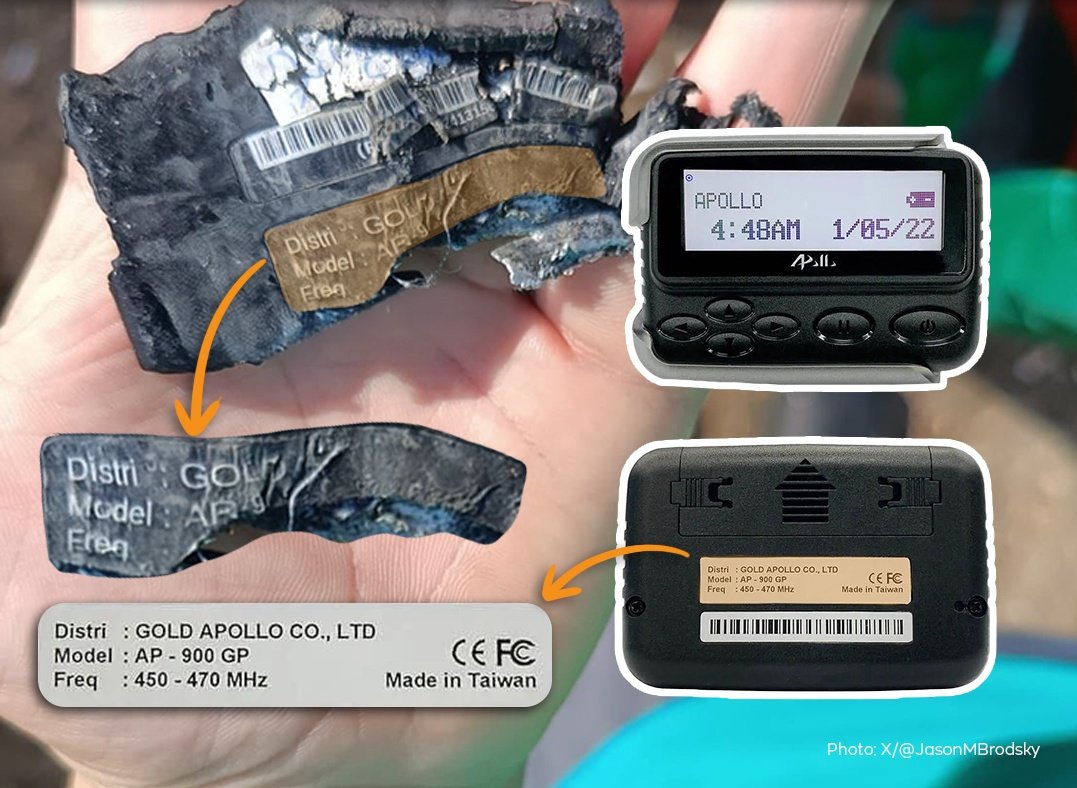
For that reason, groups waging asymmetric warfare prefer to use low-tech communication methods such as hand-delivered letters or, in this case, old-school devices like pagers.
Reuters sources said 3,000 pagers exploded after 15:00 local time after being triggered by receiving a coded message. According to the New York Times, the message “appeared as though it was coming from Hezbollah’s leadership”.
Also Read: The Top 10 Worst Cyberattacks In The Middle East Revealed
Videos of the exploding pagers have already spread like wildfire across news networks and social media platforms. One shows a man at a store checkout looking down to view his pager before it explodes, pushing him backwards. Another CCTV video from a market shows a man sustaining injuries after one of the modified devices explodes in his bag.




News
Instagram Redraws Its Wordmark And The Internet Reads “Instagzam”
Instagram’s first wordmark refresh in a decade arrives with new fonts, a restrained gradient — and a Reddit verdict of sidegrade.
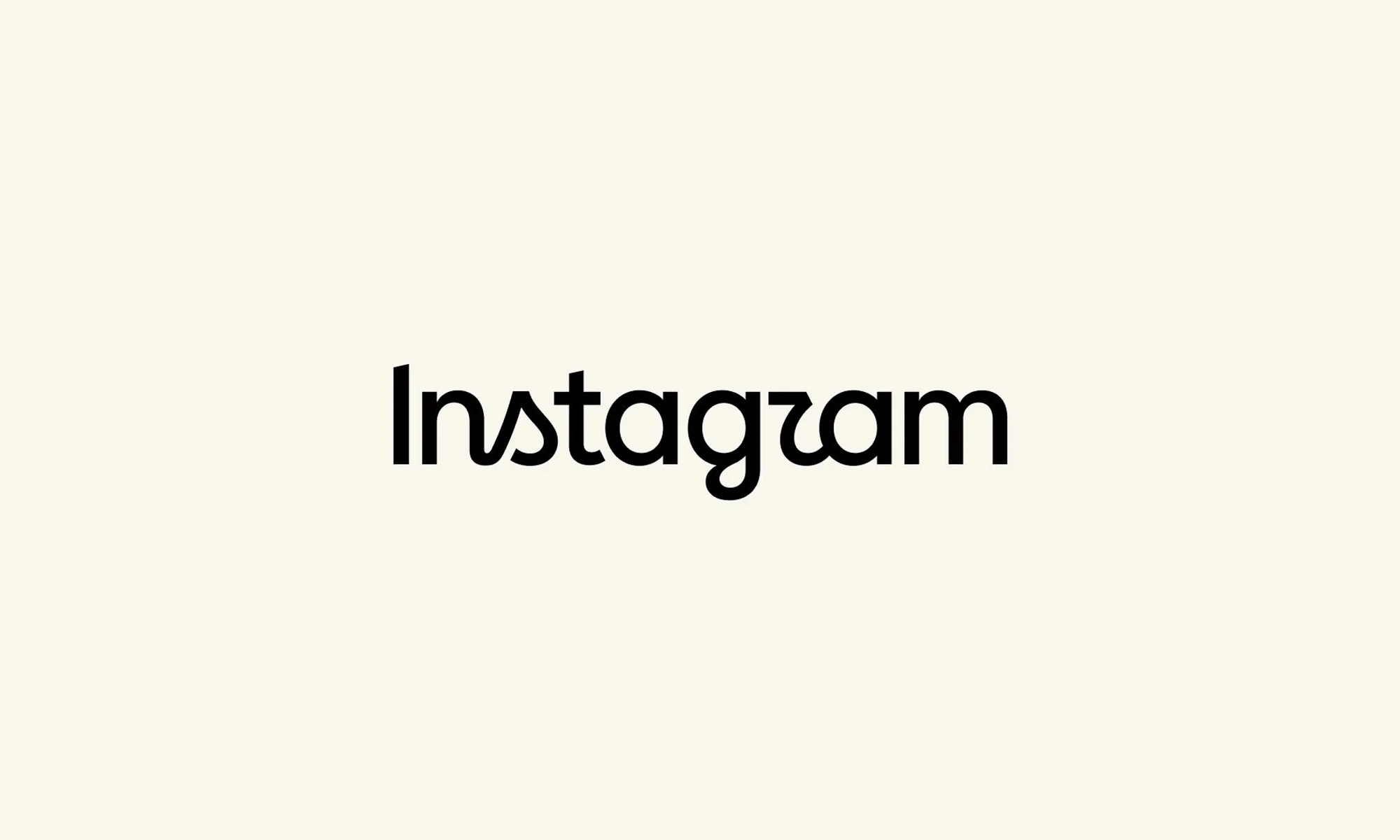
Although Instagram’s famous camera icon hasn’t changed, the company has refreshed the handwritten wordmark at the top of its app. This is the first redesign we’ve seen in ten years, and one the internet promptly set about renaming.
“The wordmark at the top of the app hasn’t changed in 10 years, so it was time for a refresh,” Instagram head Adam Mosseri wrote in a post on August 13, describing the new version as “cleaner and more modern” while keeping references to the original design.
Instagram says its team explored hundreds of options — all-caps lettering, camera-inspired concepts, even literal handwriting — before returning to script. “Script reflects individuality, so referencing that felt right,” Instagram director of product design Jasmine Probst said in Meta’s announcement. “The new wordmark is bolder and simpler, with touches of unexpectedness. It cues individual expression, a personal voice, both of which have always been core to Instagram”.
The wordmark is part of a broader brand overhaul: an updated Instagram Sans typeface, two new fonts — the hand-drawn Instagram Pen and Instagram Mono — plus refreshed motion and layouts, and more restrained use of the signature gradient. The wordmark is rolling out globally now, with the rest arriving throughout 2026 and beyond.
Also Read: Spotify Will Now Tell You If Your Favorite Artist Isn’t Real
The design mixes cursive and print lettering, some characters connected and others floating free. That hybrid approach, combined with unusually shaped “s” and “r” characters, led some users to conclude the logo actually reads “Instagzam”. On the r/logodesign subreddit, one user said the wordmark looked “fan-made,” like something built in Canva; another called it “an unsettling mix of manuscript and cursive”; a third summarized it as a “sidegrade” — or, inevitably, a “zidegrade”.
Not everyone was hostile to the new look. Some found the half-cursive design stylish and surprisingly readable, while others called it an improvement on its predecessor, and one commenter argued Instagram was simply adopting minimalist branding later than everyone else. Either way, the platform now has a refreshed identity, three updated fonts, and an unofficial new pronunciation.

Instagram Redraws Its Wordmark And The Internet Reads “Instagzam”

Spotify Will Now Tell You If Your Favorite Artist Isn’t Real

Samsung And Spotify Offer Free Premium Deal In MENA

Lebanon’s 5G Era Begins With 150 Stations And A $1M Budget

Syria Just Got Its First Super App Featuring Built-In Digital Payments

Dubai Police Finishes 65 Projects, Says AI Is The Next Priority

Beirut Wins US Flight Access, But Carriers Aren’t Sold Yet

Samsung’s Fold Goes Wide, And The Whole Galaxy Range Gets Pricier

Gulf AI Job Vacancies Nearly Triple, But Hiring Stays Lopsided

This UAE Platform Wants To Replace Fashion Photo Shoots With AI


-
 News3 weeks ago
This UAE Platform Wants To Replace Fashion Photo Shoots With AI
-

 News3 weeks ago
Nike And Hyperice’s New Slides Heat And Vibrate Your Feet
-
 Product Reviews3 weeks ago
Shokz OpenFit Pro Review: Open-Ear Audio Finally Grows Up
-
 News2 weeks ago
Syria Just Got Its First Super App Featuring Built-In Digital Payments