
News
Tech Startup Foodics Offers Smarter Restaurant Management
The Saudi company’s innovative solutions optimize restaurant operations, from ordering to payments, delivery, and more.

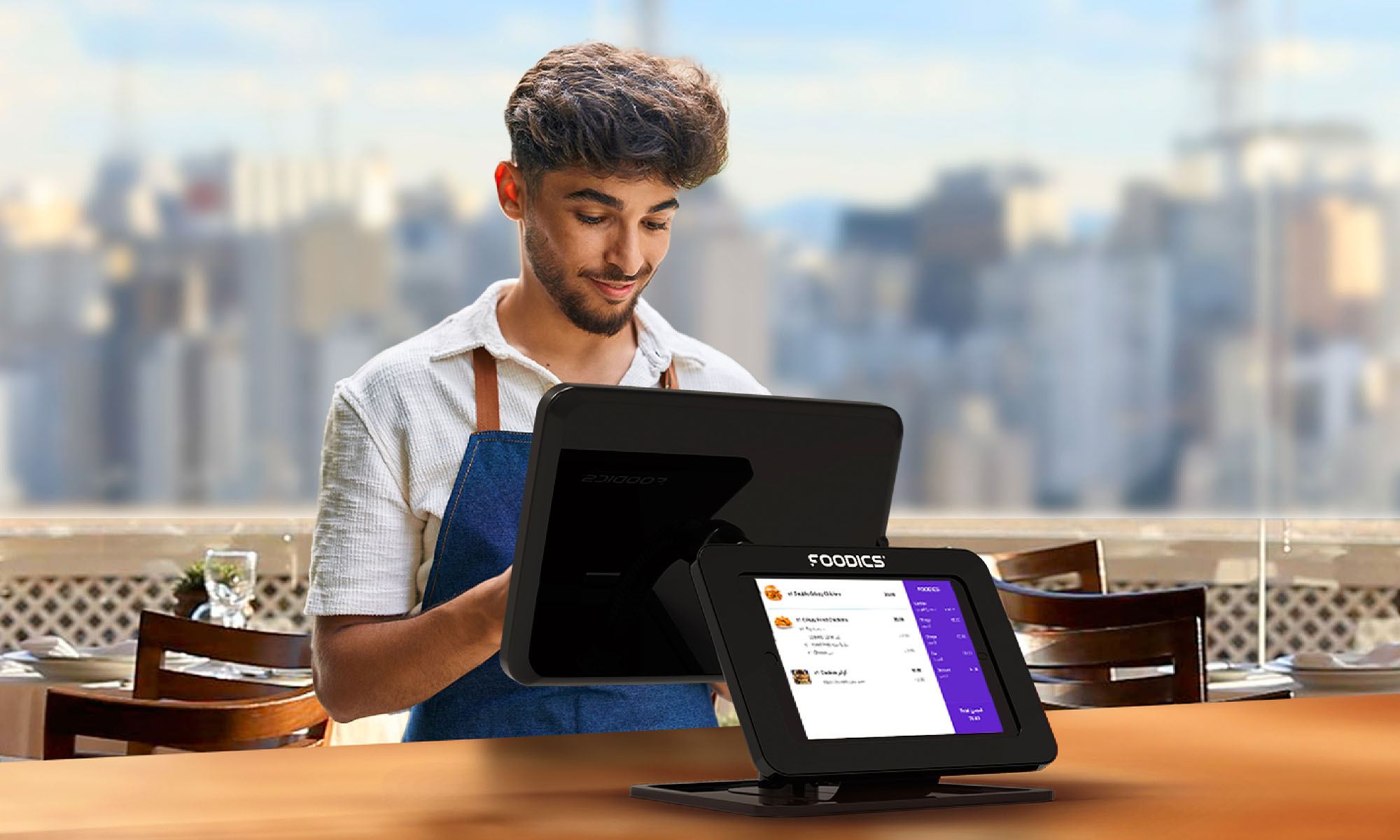
Foodics, a prominent player in the MENA restaurant management landscape, is transforming the food and beverage industry through its comprehensive, in-house developed Restaurant Management System (RMS).
Known for its strong presence within Saudi Arabia’s thriving startup ecosystem, Foodics already serves customers in over 35 countries. The company provides innovative hardware and software solutions designed to help restaurant owners optimize their operations.
Currently, Foodics offers more than 100 apps that seamlessly integrate into restaurant operations. These tools cover everything from front-of-house management and data collection to inventory tracking, menu creation, delivery coordination, and more.
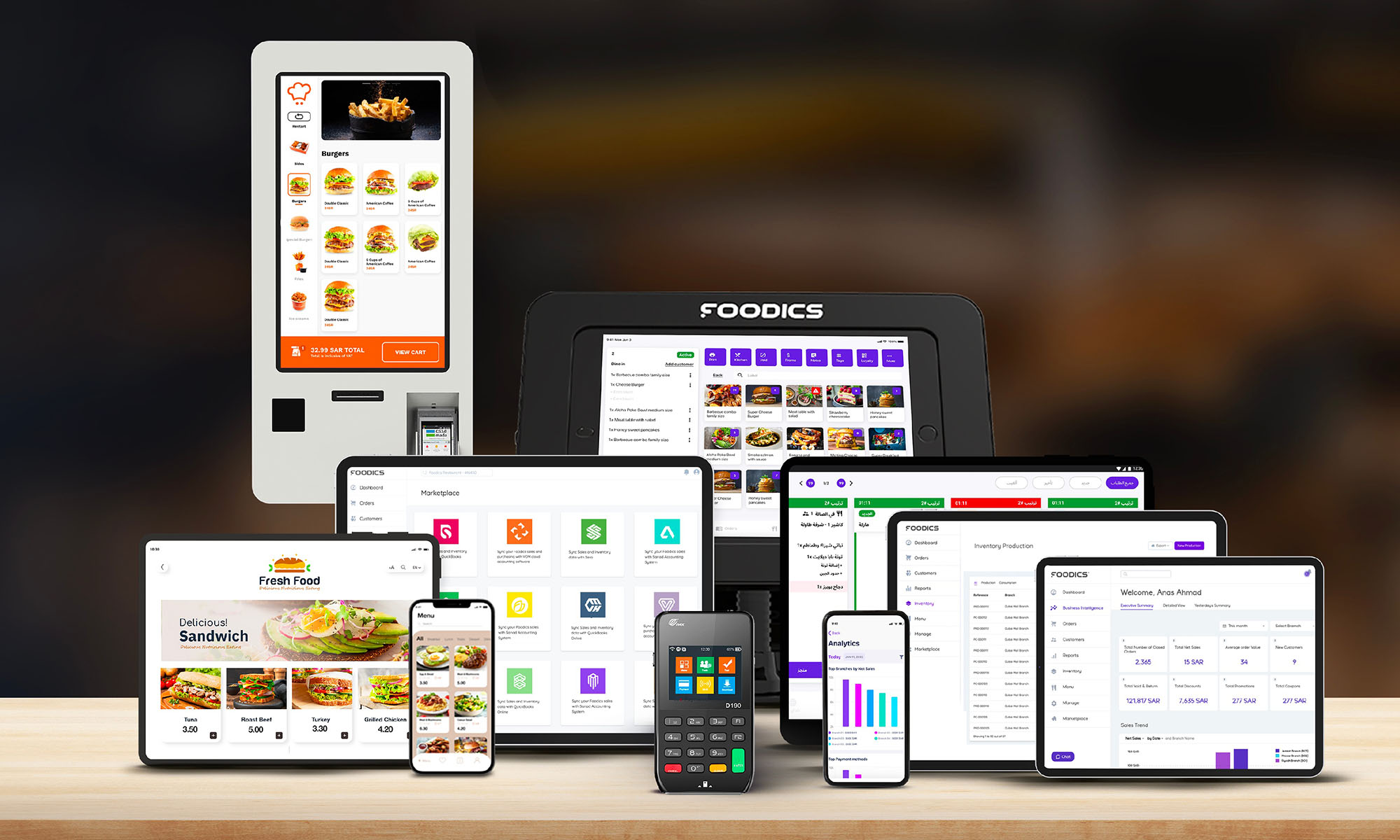
To further simplify customer ordering and payments, Foodics offers various specialized solutions. These include Foodics Online, a commission-free online ordering platform; Foodics Pay, which streamlines payment processes; Foodics Kiosk, a self-ordering and checkout system; Foodics Marketplace, a platform that partners with over 100 third-party apps for easy integration; and Foodics Accounting, a smart financial management tool designed to simplify accounting tasks.
“We sensed a lack of digitalization across the Saudi food and beverage sector in 2014, especially in the ordering process, including restaurants that were facing operational challenges. This inspired us to develop a fully integrated ecosystem to support the industry as we wanted to bring new technologies that change and enhance how people interact and connect with their favorite food brands,” comments Ahmad Al-Zaini, CEO and co-founder of Foodics.
Also Read: Healthtrip Expands Into Middle East To Boost Health Tourism
Today, more than 30,000 food and beverage outlets use the company’s services. In the UAE alone, approximately 1,850 restaurants rely on Foodics, with over 60% of these establishments having been clients for more than two years.
By focusing on creating efficiency and convenience, Foodics has had a significant impact on the Middle Eastern F&B sector. Their solutions have redefined the dining experience, from the moment customers place an order until the food is delivered to their table or doorstep.






News
Microsoft Plans $10 Billion-Plus Gulf Expansion Despite Iran Conflict
Security is shaping Microsoft’s approach, from resilience work with governments to what it will say about how the money splits by country.
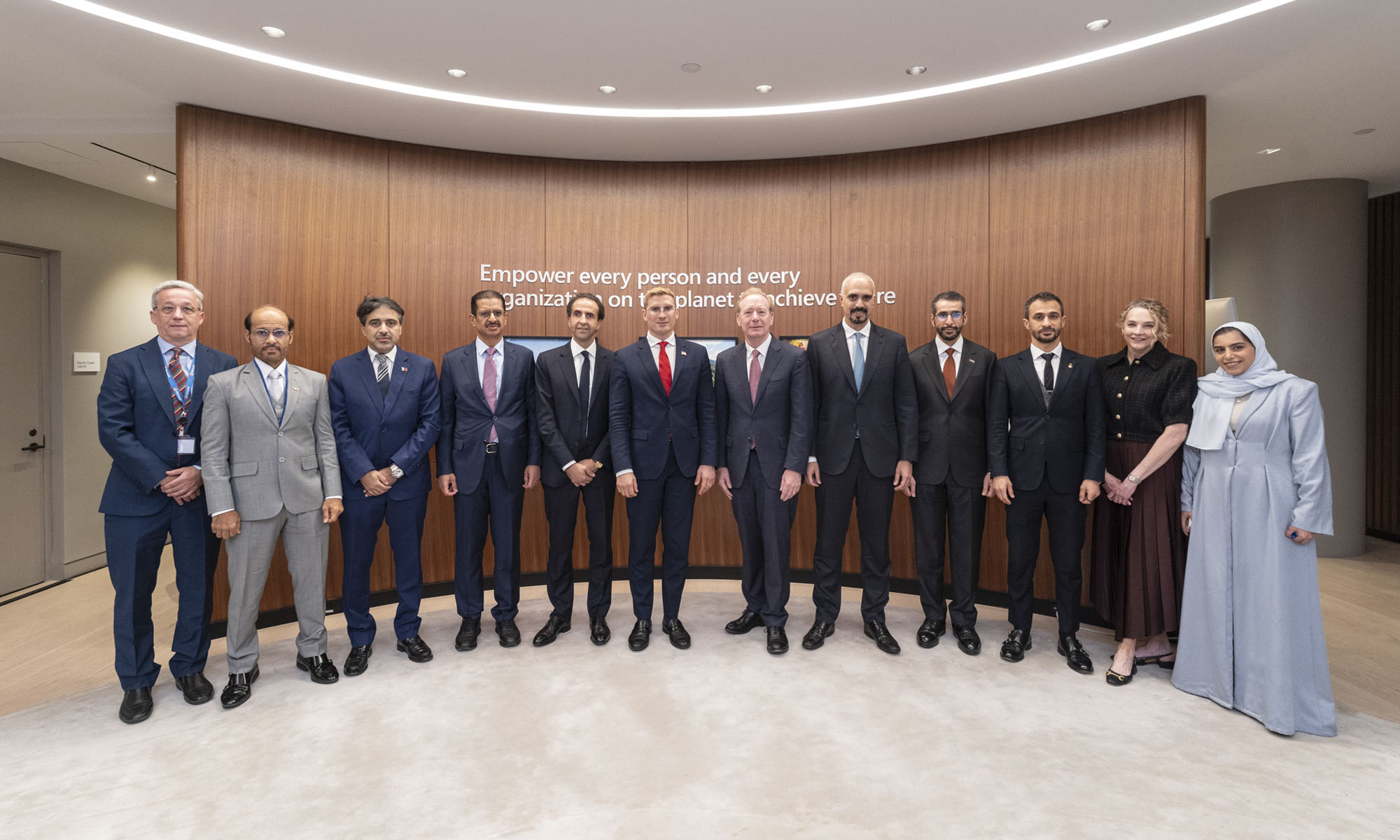
Microsoft is planning more than $10 billion of investment across the UAE, Saudi Arabia, Qatar and Kuwait through 2030, Vice Chair and President Brad Smith told Reuters, calling the spending schedule aggressive. The Iranian conflict that began on February 28 has not persuaded the company to scale back.
“We’re sustaining all the investments we planned to make before this conflict started, and we are in fact adding to them,” Smith said. The $10 billion-plus total does not, however, show how large those additions are.
The investment, which Smith described as part of Microsoft’s continued infrastructure expansion, is aimed at cloud and AI infrastructure and at the company’s growing regional operations. Microsoft also intends to put more than $400 million into subsea and terrestrial connectivity across the Middle East by 2030.
The spending fits the region’s own ambitions too. Gulf governments have been investing heavily in AI infrastructure as part of a push to diversify their economies beyond oil and gas and turn themselves into global technology hubs. Major cloud and AI providers have been drawn in part by the land and relatively low-cost energy on offer.
Microsoft is widening its partnerships with regional AI companies, though not on identical terms. In 2024, it invested $1.5 billion in Abu Dhabi-based G42 for a minority stake, and Smith currently sits on G42’s board. Saudi Arabia’s Humain and Qatar’s Qai are working with Microsoft on selected priority areas, but Smith said the company does not plan to make capital investments in either.
Also Read: Egypt’s Mobile Wallets Are Booming, But Cash Still Has Power
The conflict has added another strand to Microsoft’s work in the region. Since it began, Smith said, the company has supported regional partners with digital resilience assessments, and it is now working with Gulf countries through a digital resilience initiative focused on preparedness and the protection of critical data.
So far, the company has given no country-by-country breakdown of the investment, citing security among other factors. So while the headline figure is public, how Microsoft divides the spending among the four countries is not.

Microsoft Plans $10 Billion-Plus Gulf Expansion Despite Iran Conflict

In Kuwait, Your Surgeon Might Be Operating From Another Country

Qatar Folds 45 State Companies Into A Single Investment Platform

Trip.com Is Betting An AI Agent Will Book Your Next Vacation

Meta’s New $499 Plan Puts A Price On Reaching A Real Person

Apple’s First Folding iPhone Arrives Late To A Shrinking Market
Trip.com Is Betting An AI Agent Will Book Your Next Vacation

Egypt’s Mobile Wallets Are Booming, But Cash Still Has Power

OKX Bets Streaming Perks Can Take Crypto Mainstream Across MENA

Musk’s Boring Company Wants To Dig 150 KM Of Tunnel Under The UAE


-
 News3 weeks ago
Apple’s First Folding iPhone Arrives Late To A Shrinking Market
-
 News2 weeks ago
Trip.com Is Betting An AI Agent Will Book Your Next Vacation
-
 News2 weeks ago
Egypt’s Mobile Wallets Are Booming, But Cash Still Has Power
-
 News2 weeks ago
OKX Bets Streaming Perks Can Take Crypto Mainstream Across MENA