
News
Fiverr Cuts 250 Jobs In Shift To “AI-First Company” Strategy
The gig-economy platform will cut 30% of its staff in the upcoming pivot, citing productivity gains from automation and a flatter structure.


Fiverr is laying off 250 employees — around 30 percent of its workforce — as the gig-economy platform pivots to an AI-first company. CEO Micha Kaufman announced the move in an essay posted to X, describing it as a shift back toward a startup-style operation with fewer management layers.
— Micha Kaufman (@michakaufman) September 15, 2025
Kaufman said the cuts reflect a new operating model: “An AI-first company that’s leaner, faster, with a modern AI-focused tech infrastructure, a smaller team, each with substantially greater productivity, and far fewer management layers,” he wrote. Fiverr has already deployed AI in customer support and fraud detection, reducing its need for headcount to maintain core services.
Hints that Fiverr might use AI to justify layoffs surfaced earlier this year. In a May interview with CBS News, Kaufman advised employees to “automate 100 percent” of their work with AI, while arguing they would still be needed for judgment calls and non-linear thinking. That advice has not shielded Fiverr’s own staff from redundancy.
Also Read: Spotify Premium Users Can Stream Lossless Music At Last
Fiverr’s announcement follows a wider pattern across the tech sector in 2025, with companies citing AI to rationalize job cuts. Duolingo declared its intention to become “AI-first” back in April, and Workday announced plans in February to cut 1,750 positions — far more than Fiverr but driven by the same pivot toward automation.
For affected employees, the outcome is familiar: fewer people left to shoulder more work. For Fiverr, the gamble is betting that automation will keep it competitive in a crowded gig-work market where platforms are racing to integrate artificial intelligence.




News
Visa’s Return To Syria Starts With A Test And A Bank In Lebanon
Foreign visitors will be the first users to benefit, but whether Syria’s own banks and cardholders follow is still an open question.

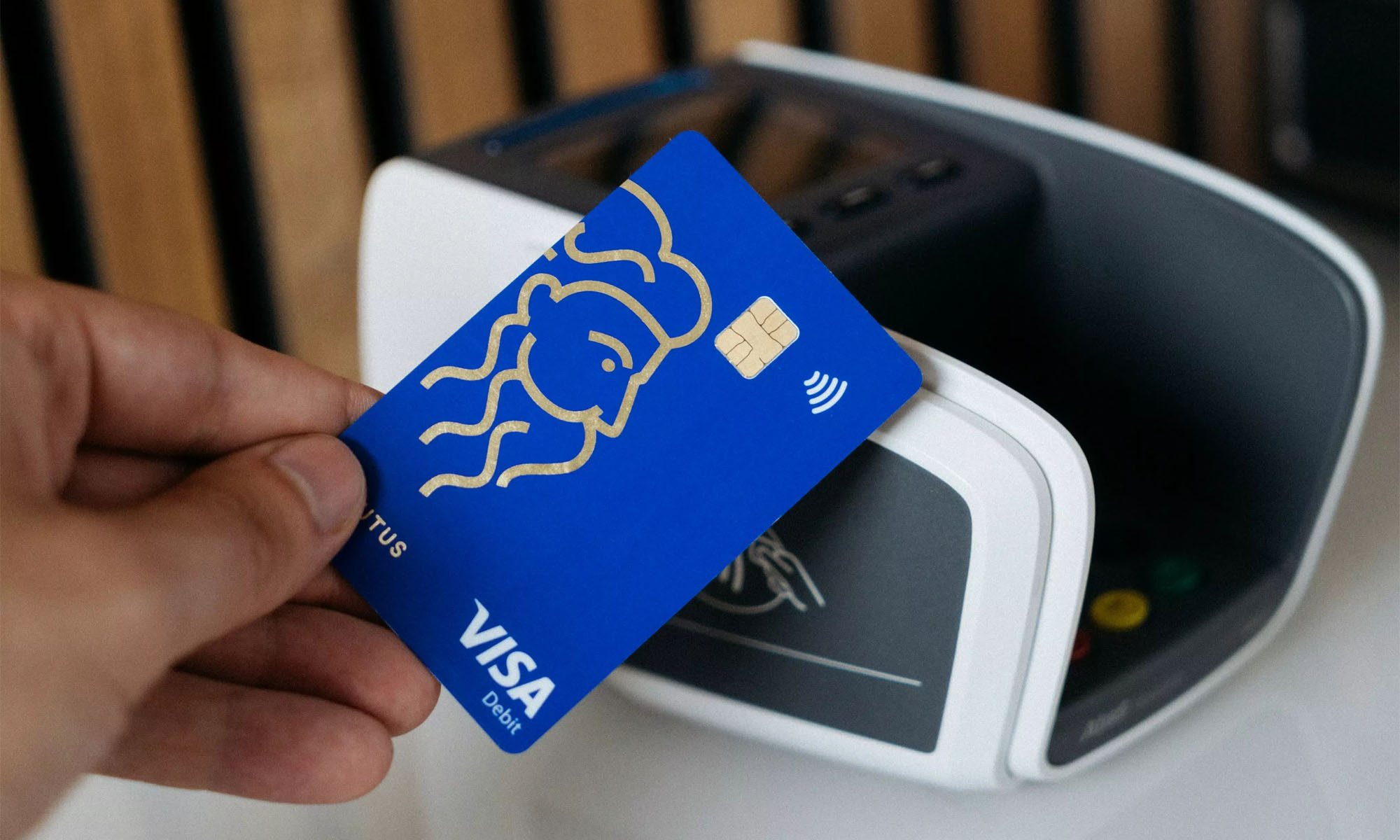
Visa is returning to Syria. Its first live international card transaction in the country was a test rather than a launch, and the milestone event ran through a Lebanese bank.
The acquirer (the bank on the merchant’s side of a card payment) was Fransabank Lebanon, with Paymera as the other named partner. Nadim Moujaes, who heads a Fransabank Group subsidiary, describes the test as both the culmination of “longstanding efforts to link Syria back to international payment networks” and “the first step in a larger path”.
Syrian President Ahmed Al-Sharaa makes the first electronic payment in Syria using a @Visa card at a store in Damascus, following the lifting of US sanctions on Syria. pic.twitter.com/lpAN7nQ6Fc
— Tech Magazine (@TechMGZN) August 27, 2026
“We are excited to have successfully tested live transactions today as we plan to enable international visitors to use their Visa cards while in Syria,” says Leila Serhan, Visa’s senior vice president and group country manager for the North Africa, Levant and Pakistan region. Although a significant first step, that plan doesn’t come with a hard date for when a visitor’s card will work normally.
Mohammed Safwat Raslan, governor of the Central Bank of Syria, says the test paves the way for international card acceptance in Syria and that maintaining strong compliance, risk management and operational controls will remain essential. Serhan likewise stresses that Visa has worked within applicable legal, regulatory and compliance requirements. For a test transaction, it seems there was a great deal of attention paid to the rules, with the entire operation being carefully managed.
Also Read: Lebanon’s 5G Era Begins With 150 Stations And A $1M Budget
The test is the latest step in a sequence that began in December 2025, when Visa announced a strategic roadmap to support Syria’s integration into the global digital economy. In February 2026 it hosted its first industry gathering of banks, ecosystem partners and policymakers in Damascus and, the same month, signed an agreement with Syria’s Ministry of Communications and Information Technology in San Francisco.
Michel Kattouah, Paymera’s CEO, called the test “the return of international card acceptance,” but while that’s positive news, there’s no word yet on when a Syrian bank will issue a Visa card to a Syrian customer.

Visa’s Return To Syria Starts With A Test And A Bank In Lebanon

RØDE’s New DS3 Studio Arm Is Built For Heavier Creator Setups

Dubai Turns AI On Its Own Civil Service To Measure Productivity

Former Rockstar Director Dismisses GTA 6 Leaks As “Nothing Burger”

Qatar Airways Flies The World’s First Starlink-Equipped 787-9

Shokz OpenFit Pro Review: Open-Ear Audio Finally Grows Up

Syria Just Got Its First Super App Featuring Built-In Digital Payments

Lebanon’s 5G Era Begins With 150 Stations And A $1M Budget

Samsung And Spotify Offer Free Premium Deal In MENA

Spotify Will Now Tell You If Your Favorite Artist Isn’t Real


-
 News3 weeks ago
Lebanon’s 5G Era Begins With 150 Stations And A $1M Budget
-
 News3 weeks ago
Samsung And Spotify Offer Free Premium Deal In MENA
-
 News2 weeks ago
Spotify Will Now Tell You If Your Favorite Artist Isn’t Real
-

 News2 weeks ago
Instagram Redraws Its Wordmark And The Internet Reads “Instagzam”