
News
Checkout.com Set To Launch Card Issuing In The UAE
The payment service provider’s expansion is a first-of-its-kind investment and could reshape digital transactions across the region.

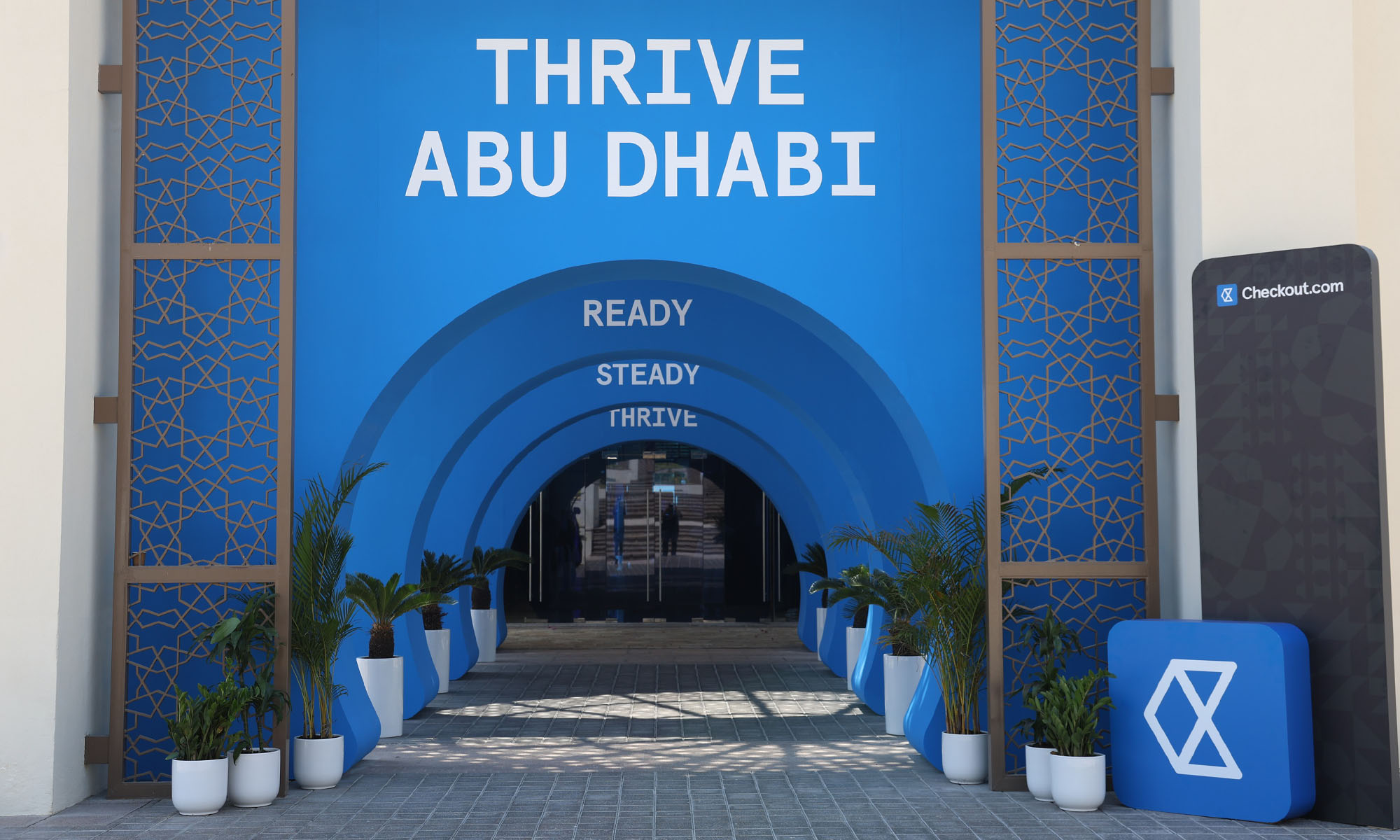
Checkout.com is laying the groundwork to become the first global payments platform to introduce card issuing in the United Arab Emirates — a move that could reshape how businesses in the region manage financial transactions.
The company plans to roll out its domestic card issuance offering in the UAE by 2026, subject to regulatory approval. The launch would give businesses the tools to issue both physical and virtual branded cards. This, in turn, opens up new ways to reward customers, streamline expense processes, and handle B2B payouts efficiently.
Checkout.com’s CEO and Founder, Guillaume Pousaz, revealed the plans during Thrive Abu Dhabi, the firm’s debut conference in the Emirates. Joined on stage by Remo Giovanni Abbondandolo, General Manager for MENA, Pousaz presented to an audience of over 150 partners and merchants at Saadiyat Island. Also in attendance was H.E. Omar Sultan Al Olama, the UAE’s Minister of State for Artificial Intelligence, Digital Economy, and Remote Work Applications.

Abbondandolo highlighted the strategic importance of the announcement: “As a global business, we focus on bringing products to markets that our customers want and need. Today’s announcement is proof of our commitment to the MENA region and its rising influence in the digital economy. The appetite for innovation here is real, and we’re proud to be building the infrastructure that powers it”.
One early adopter of Checkout.com’s UAE acquiring services is Headout, a travel experiences marketplace, which recently named the payment provider as its main partner in Europe. The company has already begun card issuing there and is keen to expand that offering into MENA once approval is granted.
The expansion of services in the UAE and beyond builds on Checkout.com’s track record in the region. It was the first global payments firm to secure a Retail Payment Services license from the UAE’s Central Bank and was instrumental in rolling out Mada and Apple Pay in both the UAE and Saudi Arabia.
Also Read: Protecting Your WhatsApp Account From Hackers: Kaspersky Expert Tips
The firm has also been rolling out new products: One of the latest is Flow Remember Me, currently in beta testing. It allows shoppers to store their card information once and access it across Checkout.com’s entire network, potentially cutting checkout times by up to 70%.
Earlier this year, Checkout.com also introduced Visa Direct’s Push-to-Card solution in the UAE, enabling both domestic and international payouts. Its collaboration with Mastercard has grown as well, making it easier for businesses to send funds directly to third-party cards securely and quickly.
With regional tech ambitions on the rise — spurred by initiatives like Saudi Arabia’s Vision 2030 and the UAE’s 2031 Agenda — Checkout.com sees its role as one of a key enabler. “Our mission is to help ambitious businesses navigate the complexity of payments, so they can move faster, go further, and make the most of every opportunity,” said Abbondandolo. “In MENA, performance is personal. It’s local. It’s built on trust. And when payments perform, businesses thrive”.




News
Visa’s Return To Syria Starts With A Test And A Bank In Lebanon
Foreign visitors will be the first users to benefit, but whether Syria’s own banks and cardholders follow is still an open question.

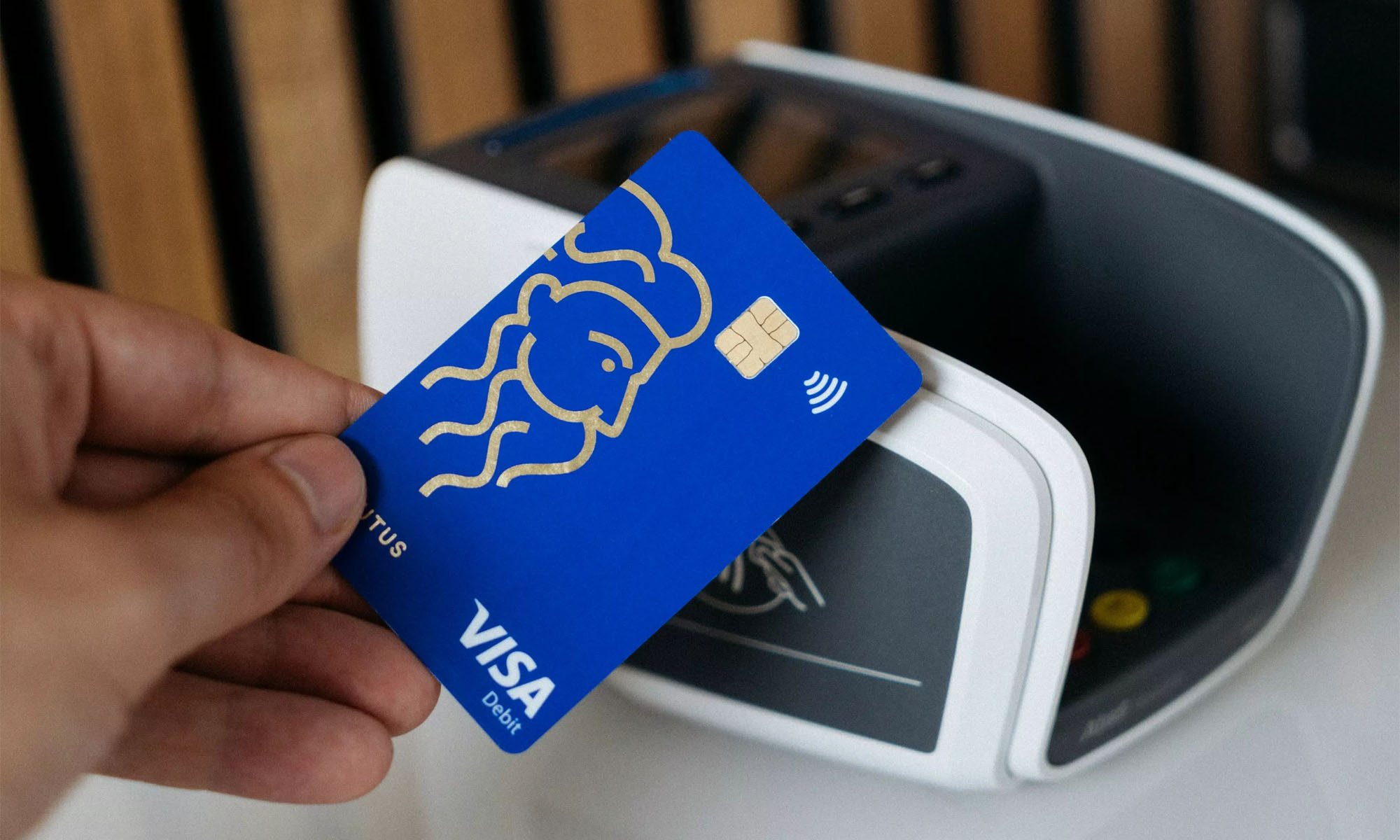
Visa is returning to Syria. Its first live international card transaction in the country was a test rather than a launch, and the milestone event ran through a Lebanese bank.
The acquirer (the bank on the merchant’s side of a card payment) was Fransabank Lebanon, with Paymera as the other named partner. Nadim Moujaes, who heads a Fransabank Group subsidiary, describes the test as both the culmination of “longstanding efforts to link Syria back to international payment networks” and “the first step in a larger path”.
Syrian President Ahmed Al-Sharaa makes the first electronic payment in Syria using a @Visa card at a store in Damascus, following the lifting of US sanctions on Syria. pic.twitter.com/lpAN7nQ6Fc
— Tech Magazine (@TechMGZN) August 27, 2026
“We are excited to have successfully tested live transactions today as we plan to enable international visitors to use their Visa cards while in Syria,” says Leila Serhan, Visa’s senior vice president and group country manager for the North Africa, Levant and Pakistan region. Although a significant first step, that plan doesn’t come with a hard date for when a visitor’s card will work normally.
Mohammed Safwat Raslan, governor of the Central Bank of Syria, says the test paves the way for international card acceptance in Syria and that maintaining strong compliance, risk management and operational controls will remain essential. Serhan likewise stresses that Visa has worked within applicable legal, regulatory and compliance requirements. For a test transaction, it seems there was a great deal of attention paid to the rules, with the entire operation being carefully managed.
Also Read: Lebanon’s 5G Era Begins With 150 Stations And A $1M Budget
The test is the latest step in a sequence that began in December 2025, when Visa announced a strategic roadmap to support Syria’s integration into the global digital economy. In February 2026 it hosted its first industry gathering of banks, ecosystem partners and policymakers in Damascus and, the same month, signed an agreement with Syria’s Ministry of Communications and Information Technology in San Francisco.
Michel Kattouah, Paymera’s CEO, called the test “the return of international card acceptance,” but while that’s positive news, there’s no word yet on when a Syrian bank will issue a Visa card to a Syrian customer.

Visa’s Return To Syria Starts With A Test And A Bank In Lebanon

RØDE’s New DS3 Studio Arm Is Built For Heavier Creator Setups

Dubai Turns AI On Its Own Civil Service To Measure Productivity

Former Rockstar Director Dismisses GTA 6 Leaks As “Nothing Burger”

Qatar Airways Flies The World’s First Starlink-Equipped 787-9

Spotify Will Now Tell You If Your Favorite Artist Isn’t Real

Instagram Redraws Its Wordmark And The Internet Reads “Instagzam”

Anghami’s New Elite Program Starts With A Three-Decade Catalog

Qatar Is Getting Its First EV Plant, Built To Cope With Gulf Heat

Dubai’s aradus Wants AI To Run The Back Office Of Physical Trade


-
 News3 weeks ago
Instagram Redraws Its Wordmark And The Internet Reads “Instagzam”
-
 News3 weeks ago
Anghami’s New Elite Program Starts With A Three-Decade Catalog
-
 News3 weeks ago
Qatar Is Getting Its First EV Plant, Built To Cope With Gulf Heat
-
 News3 weeks ago
Dubai’s aradus Wants AI To Run The Back Office Of Physical Trade