
News
GITEX GLOBAL 2024 To Showcase Leading AI Tech Talent
The Dubai expo will bring thought leaders, founders, and investors together in a landmark event celebrating the UAE’s growing success as a global AI hub.

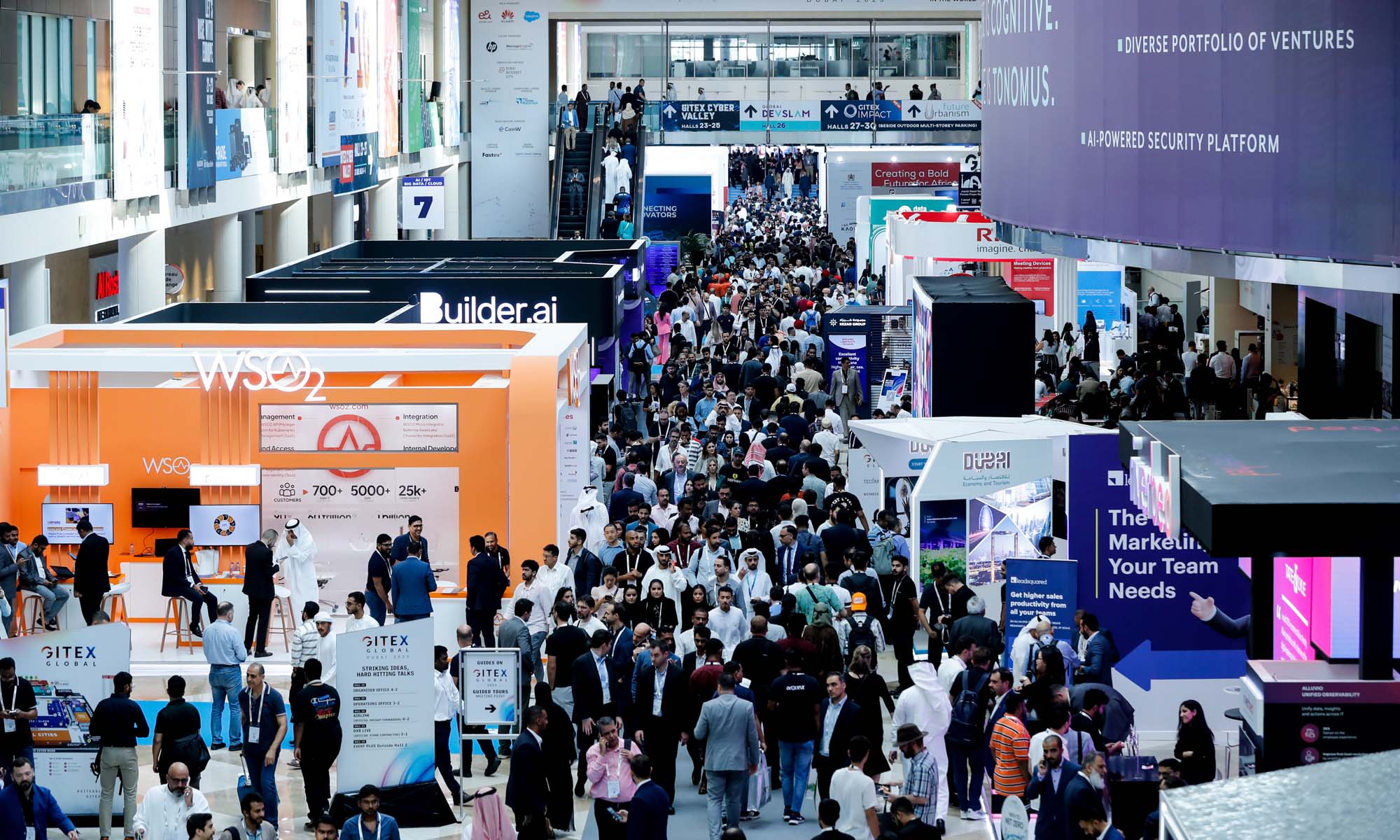
Over 3,500 of the tech sector’s most well-known brands will converge at the World Trade Centre in Dubai between 14 and 18 October for GITEX GLOBAL 2024, the world’s largest technology and startup event.
This year, the tech expo will see thought leaders, industry heavyweights and even government representatives gather to showcase and discuss breakthrough AI technologies while forging potential collaborations that could lead to future advancements in one of the world’s fastest-growing sectors.
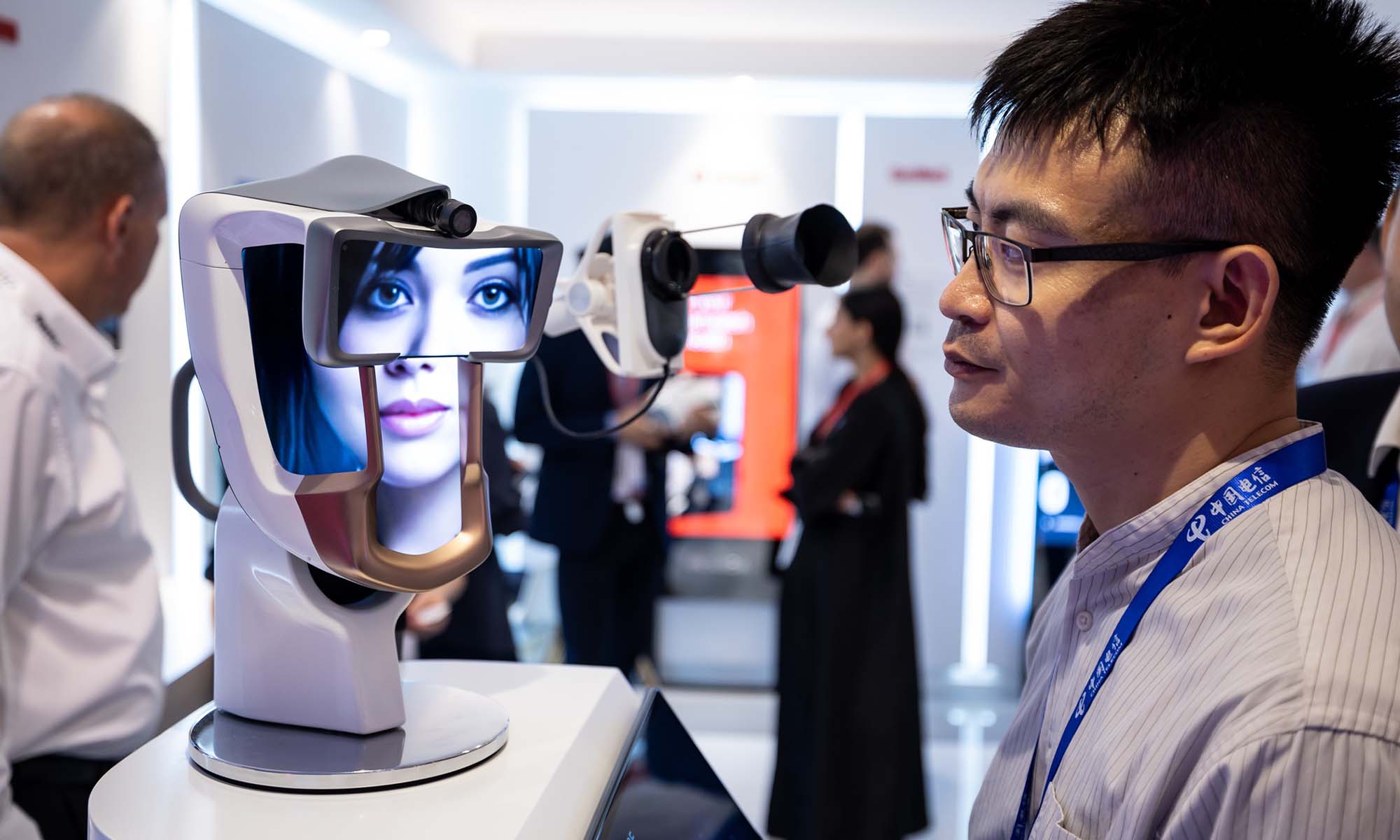
GITEX GLOBAL 2024 will highlight the potential challenges surrounding AI, including ethics, government policies, and regulations. Experts will also uncover key opportunities for applying the technology in the tech, health, and finance sectors and explain how it might shape the future of work and employment.
The UAE has become increasingly prominent as a global AI hub due to a long-term government agenda aiming to harness the new technologies’ full potential. The UAE’s National Strategy for Artificial Intelligence offers a clear and determined vision to make the country an AI world leader by 2031, with significant funds already allocated to public services, tourism, energy, and education.
Also Read: Can LLMs Ever Be Completely Safe From Prompt Injection?
AI solutions are increasingly seen as vital tools for enhanced productivity and economic growth amongst world leaders and industry experts. In a recent GITEX Tech Waves podcast, Thomas Pramotedham, CEO of Abu Dhabi-based AI enterprise Presight, explained: “Today you’ll see companies applying AI and AI evolving — in five, ten years, it will get smarter, and when it gets smarter, you’ll get more efficiency and shorter routes to answers for difficult and complex questions. In return, that will be to the betterment of society and the world we live in”.
GITEX headliners for 2024 include a host of tech giants such as Adobe, Alibaba Cloud, AWS, Builder AI, Dell, G42, Google, HPE, IBM, Meta, Microsoft, Nvidia, and Open AI. In addition, the conference will feature a star-studded lineup of keynote speakers, including Isabell Gradert, VP of Central Research and Technology at Airbus (Germany), Michael Spranger, President of Sony AI (Japan), and Stephen Ibaraki, and many more.
For more information about GITEX GLOBAL 2024, head to the official website.


News
Microsoft Plans $10 Billion-Plus Gulf Expansion Despite Iran Conflict
Security is shaping Microsoft’s approach, from resilience work with governments to what it will say about how the money splits by country.
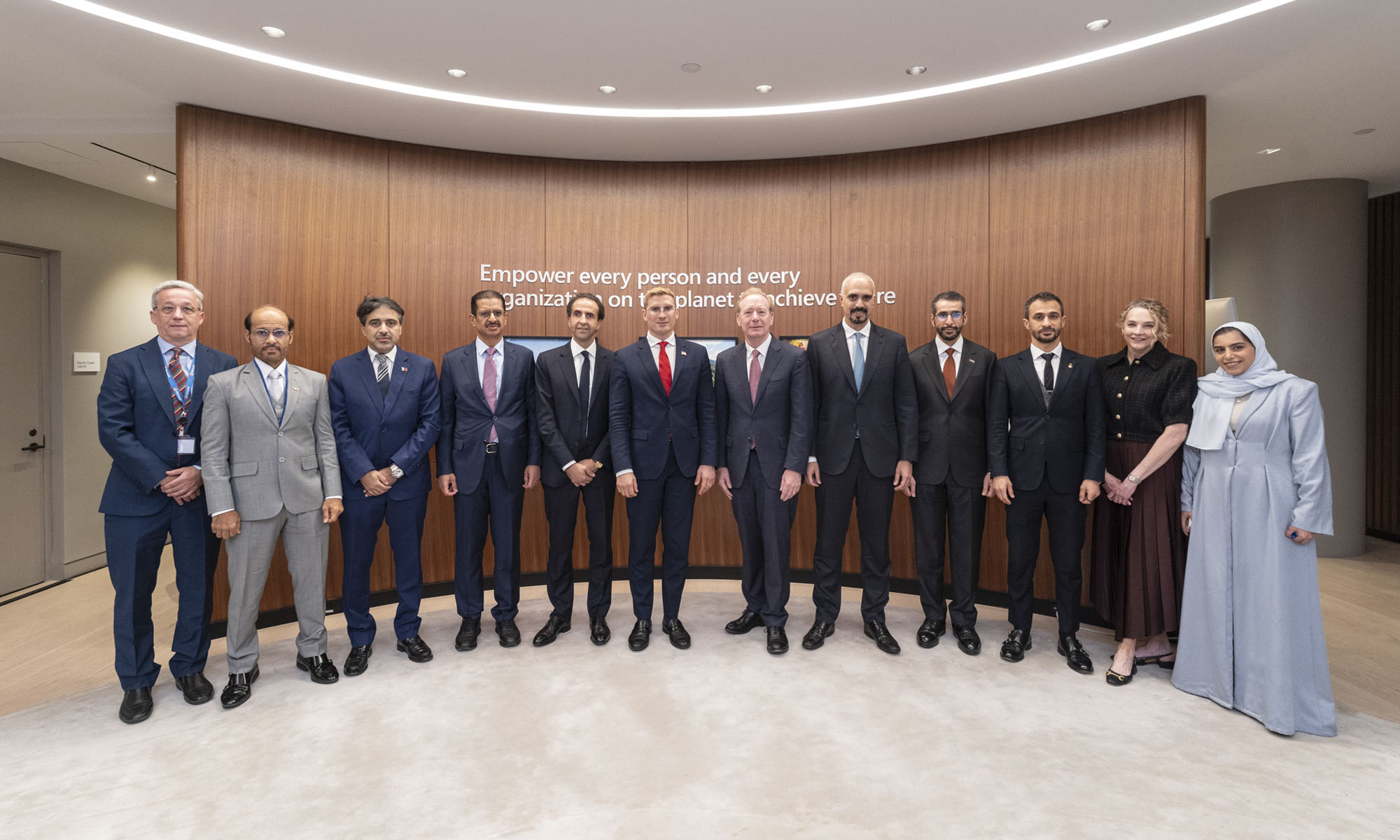
Microsoft is planning more than $10 billion of investment across the UAE, Saudi Arabia, Qatar and Kuwait through 2030, Vice Chair and President Brad Smith told Reuters, calling the spending schedule aggressive. The Iranian conflict that began on February 28 has not persuaded the company to scale back.
“We’re sustaining all the investments we planned to make before this conflict started, and we are in fact adding to them,” Smith said. The $10 billion-plus total does not, however, show how large those additions are.
The investment, which Smith described as part of Microsoft’s continued infrastructure expansion, is aimed at cloud and AI infrastructure and at the company’s growing regional operations. Microsoft also intends to put more than $400 million into subsea and terrestrial connectivity across the Middle East by 2030.
The spending fits the region’s own ambitions too. Gulf governments have been investing heavily in AI infrastructure as part of a push to diversify their economies beyond oil and gas and turn themselves into global technology hubs. Major cloud and AI providers have been drawn in part by the land and relatively low-cost energy on offer.
Microsoft is widening its partnerships with regional AI companies, though not on identical terms. In 2024, it invested $1.5 billion in Abu Dhabi-based G42 for a minority stake, and Smith currently sits on G42’s board. Saudi Arabia’s Humain and Qatar’s Qai are working with Microsoft on selected priority areas, but Smith said the company does not plan to make capital investments in either.
Also Read: Egypt’s Mobile Wallets Are Booming, But Cash Still Has Power
The conflict has added another strand to Microsoft’s work in the region. Since it began, Smith said, the company has supported regional partners with digital resilience assessments, and it is now working with Gulf countries through a digital resilience initiative focused on preparedness and the protection of critical data.
So far, the company has given no country-by-country breakdown of the investment, citing security among other factors. So while the headline figure is public, how Microsoft divides the spending among the four countries is not.

Microsoft Plans $10 Billion-Plus Gulf Expansion Despite Iran Conflict

In Kuwait, Your Surgeon Might Be Operating From Another Country

Qatar Folds 45 State Companies Into A Single Investment Platform

Trip.com Is Betting An AI Agent Will Book Your Next Vacation

Meta’s New $499 Plan Puts A Price On Reaching A Real Person

Apple’s First Folding iPhone Arrives Late To A Shrinking Market
Trip.com Is Betting An AI Agent Will Book Your Next Vacation

Egypt’s Mobile Wallets Are Booming, But Cash Still Has Power

OKX Bets Streaming Perks Can Take Crypto Mainstream Across MENA

Apple’s Latest Product Releases Make The Headlines


-
 News2 weeks ago
Apple’s First Folding iPhone Arrives Late To A Shrinking Market
-
 News2 weeks ago
Trip.com Is Betting An AI Agent Will Book Your Next Vacation
-
 News2 weeks ago
Egypt’s Mobile Wallets Are Booming, But Cash Still Has Power
-
 News2 weeks ago
OKX Bets Streaming Perks Can Take Crypto Mainstream Across MENA