
News
Kalshi Secures $1 Billion As Prediction Markets Race Heats Up
A surge in capital puts Tarek Mansour’s platform in a tight contest to define event-based trading.


Kalshi has raised $1 billion at an $11 billion valuation, a rapid step-up for the prediction-market operator founded by Lebanese entrepreneur Tarek Mansour. Paradigm led the round, joined by Sequoia Capital, Andreessen Horowitz, CapitalG and several returning investors. The deal lands barely weeks after a $300 million raise at half the valuation.
The cash gives Kalshi fresh weight in an industry moving from curiosity to infrastructure. The company’s profile grew during the 2024 US election cycle, yet most trading today comes from sports. A partnership with CNN is in the works. Kalshi is also building corporate hedging tools aimed at firms exposed to weather shocks or political stoppages — a pitch that pushes prediction markets toward more traditional risk desks.

Competition is close. Polymarket is said to be raising at a valuation that could reach $15 billion, a sign that event-based trading is drawing mainstream capital rather than speculative fanfare. The shift is being watched in the Gulf, where demand for pricing tools linked to policy, climate and commodities has edged higher with broader economic reforms.
Mansour’s route into tech was anything but standard. Raised in Lebanon until age 17, he arrived in the US with little sense of Silicon Valley. “We had one shitty computer at home that barely worked,” he told Sourcery earlier this year. After studying engineering and maths at MIT, he worked in equity derivatives at Goldman Sachs and later traded macro at Citadel. At MIT he met co-founder Luana Lopes Lara, who shared a similar turn from academia into quantitative finance. “It was pretty inevitable we would try to build this together,” she told InGame.
Also Read: Aramco Installs Middle East’s First Industrial Quantum Computer
The pair launched Kalshi in 2018 and entered Y Combinator a year later. Early backing from YC, Sequoia, Charles Schwab and Henry Kravis helped turn a research interest into a regulated marketplace offering trades on outcomes across economics, entertainment, sports and weather.
With the new capital, Kalshi plans to scale its consumer markets, deepen ties with institutions and expand enterprise hedging products. The speed of its valuation rise shows how aggressively the sector is forming — and how little room there is for missteps as prediction platforms head toward the financial mainstream.

News
Visa’s Return To Syria Starts With A Test And A Bank In Lebanon
Foreign visitors will be the first users to benefit, but whether Syria’s own banks and cardholders follow is still an open question.

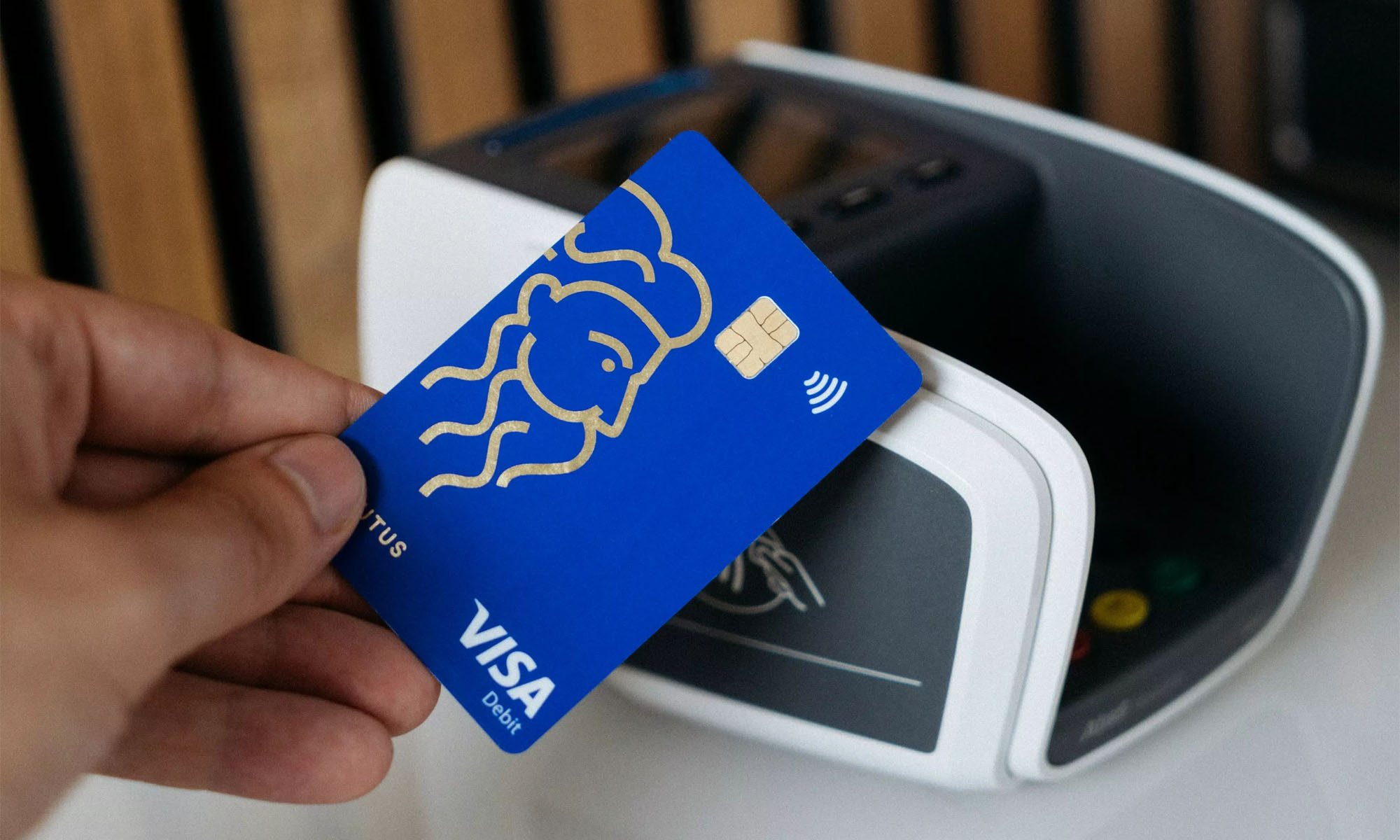
Visa is returning to Syria. Its first live international card transaction in the country was a test rather than a launch, and the milestone event ran through a Lebanese bank.
The acquirer (the bank on the merchant’s side of a card payment) was Fransabank Lebanon, with Paymera as the other named partner. Nadim Moujaes, who heads a Fransabank Group subsidiary, describes the test as both the culmination of “longstanding efforts to link Syria back to international payment networks” and “the first step in a larger path”.
Syrian President Ahmed Al-Sharaa makes the first electronic payment in Syria using a @Visa card at a store in Damascus, following the lifting of US sanctions on Syria. pic.twitter.com/lpAN7nQ6Fc
— Tech Magazine (@TechMGZN) August 27, 2026
“We are excited to have successfully tested live transactions today as we plan to enable international visitors to use their Visa cards while in Syria,” says Leila Serhan, Visa’s senior vice president and group country manager for the North Africa, Levant and Pakistan region. Although a significant first step, that plan doesn’t come with a hard date for when a visitor’s card will work normally.
Mohammed Safwat Raslan, governor of the Central Bank of Syria, says the test paves the way for international card acceptance in Syria and that maintaining strong compliance, risk management and operational controls will remain essential. Serhan likewise stresses that Visa has worked within applicable legal, regulatory and compliance requirements. For a test transaction, it seems there was a great deal of attention paid to the rules, with the entire operation being carefully managed.
Also Read: Lebanon’s 5G Era Begins With 150 Stations And A $1M Budget
The test is the latest step in a sequence that began in December 2025, when Visa announced a strategic roadmap to support Syria’s integration into the global digital economy. In February 2026 it hosted its first industry gathering of banks, ecosystem partners and policymakers in Damascus and, the same month, signed an agreement with Syria’s Ministry of Communications and Information Technology in San Francisco.
Michel Kattouah, Paymera’s CEO, called the test “the return of international card acceptance,” but while that’s positive news, there’s no word yet on when a Syrian bank will issue a Visa card to a Syrian customer.

Visa’s Return To Syria Starts With A Test And A Bank In Lebanon

RØDE’s New DS3 Studio Arm Is Built For Heavier Creator Setups

Dubai Turns AI On Its Own Civil Service To Measure Productivity

Former Rockstar Director Dismisses GTA 6 Leaks As “Nothing Burger”

Qatar Airways Flies The World’s First Starlink-Equipped 787-9

Shokz OpenFit Pro Review: Open-Ear Audio Finally Grows Up

Syria Just Got Its First Super App Featuring Built-In Digital Payments

Lebanon’s 5G Era Begins With 150 Stations And A $1M Budget

Samsung And Spotify Offer Free Premium Deal In MENA

Spotify Will Now Tell You If Your Favorite Artist Isn’t Real


-
 News3 weeks ago
Lebanon’s 5G Era Begins With 150 Stations And A $1M Budget
-
 News3 weeks ago
Samsung And Spotify Offer Free Premium Deal In MENA
-
 News2 weeks ago
Spotify Will Now Tell You If Your Favorite Artist Isn’t Real
-

 News2 weeks ago
Instagram Redraws Its Wordmark And The Internet Reads “Instagzam”