
News
MENA eSIM Use Soared 20% In 2024, Boosted By Tourism Sector
The report, published by eSIM provider Yesim, also backs up recent projections that 68% of all MENA smartphones will use eSIMs by 2030.


Yesim, a global eSIM provider, recently published its Dubai Tourism & Connectivity Report 2024. The report highlights a sharp rise in eSIM adoption across the MENA region, closely tied to a booming tourism sector, increased IoT usage, and the expanding reach of 5G. The report builds on existing projections showing that by 2030, 68% of all smartphones in the region will use eSIMs.
Dubai: A Key Player In MENA’s Tourism Sector
Dubai remains a tourism hotspot, attracting 9.31 million overnight international visitors in the first half of 2024 — a 9% increase on 2023. The average tourist visit has also extended to 13.8 days — a remarkable 73% jump compared to 2019 — fueled largely by European tourists spending more time in the city.
“Dubai draws most of its tourists from the UK, Saudi Arabia, the US, Germany, and Australia, with peak travel season running from October to April,” explained Dmitri Verbovski, Yesim’s Founder and CEO.
Attractions That Keep Tourists Coming
Although Dubai continues to innovate with its many tourist attractions, shopping remains a major draw. During the Dubai Shopping Festival (December 6, 2024, to January 12, 2025) Yesim reported a notable uptick in eSIM purchases as tourists flocked to the city. Younger travelers (ages 18-35) are often drawn to luxury brands and the entertainment options found in shopping malls, while older visitors gravitate toward traditional markets.
eSIM Usage Peaks During Major Holidays
Yesim’s data reveals that demand for eSIMs rises significantly during religious holidays like Ramadan and the Islamic New Year. Ramadan orders surged 6.2%, from 19,453 pre-holiday orders to 20,665 during the month, reflecting increased travel and family connections. Post-Ramadan, orders jumped to 27,942, before stabilizing to regular levels.
A similar trend was observed during Eid. Pre-Eid orders were steady at 8,648, rising to 10,830 after the holiday — a 20% increase driven by extended trips and promotional offers. Islamic New Year saw an 11.7% spike in demand, with orders climbing from 10,334 to 11,592 during the celebrations.
Also Read: iFLYTEK Smart Translator 4.0 Review: A Traveler’s Companion
The Rise Of eSIMs In MENA
In 2024, the MENA region recorded 197 million eSIM smartphone connections, compared to 394 million using traditional SIM cards. Digital nomads and tech-savvy travelers are among the primary adopters, drawn to the technology’s seamless connectivity across borders, ease of use, and eco-friendly benefits.

News
Microsoft Plans $10 Billion-Plus Gulf Expansion Despite Iran Conflict
Security is shaping Microsoft’s approach, from resilience work with governments to what it will say about how the money splits by country.
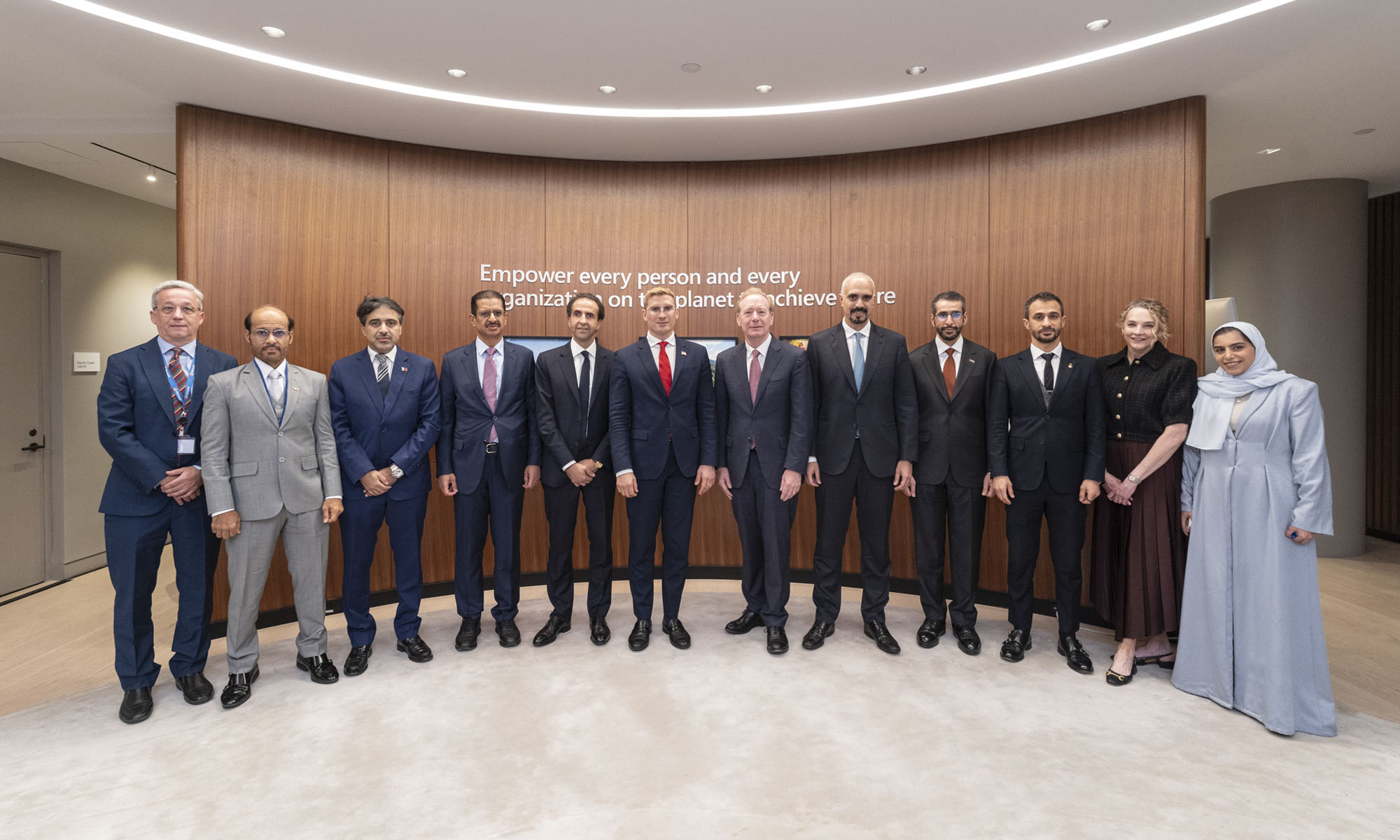
Microsoft is planning more than $10 billion of investment across the UAE, Saudi Arabia, Qatar and Kuwait through 2030, Vice Chair and President Brad Smith told Reuters, calling the spending schedule aggressive. The Iranian conflict that began on February 28 has not persuaded the company to scale back.
“We’re sustaining all the investments we planned to make before this conflict started, and we are in fact adding to them,” Smith said. The $10 billion-plus total does not, however, show how large those additions are.
The investment, which Smith described as part of Microsoft’s continued infrastructure expansion, is aimed at cloud and AI infrastructure and at the company’s growing regional operations. Microsoft also intends to put more than $400 million into subsea and terrestrial connectivity across the Middle East by 2030.
The spending fits the region’s own ambitions too. Gulf governments have been investing heavily in AI infrastructure as part of a push to diversify their economies beyond oil and gas and turn themselves into global technology hubs. Major cloud and AI providers have been drawn in part by the land and relatively low-cost energy on offer.
Microsoft is widening its partnerships with regional AI companies, though not on identical terms. In 2024, it invested $1.5 billion in Abu Dhabi-based G42 for a minority stake, and Smith currently sits on G42’s board. Saudi Arabia’s Humain and Qatar’s Qai are working with Microsoft on selected priority areas, but Smith said the company does not plan to make capital investments in either.
Also Read: Egypt’s Mobile Wallets Are Booming, But Cash Still Has Power
The conflict has added another strand to Microsoft’s work in the region. Since it began, Smith said, the company has supported regional partners with digital resilience assessments, and it is now working with Gulf countries through a digital resilience initiative focused on preparedness and the protection of critical data.
So far, the company has given no country-by-country breakdown of the investment, citing security among other factors. So while the headline figure is public, how Microsoft divides the spending among the four countries is not.

Microsoft Plans $10 Billion-Plus Gulf Expansion Despite Iran Conflict

In Kuwait, Your Surgeon Might Be Operating From Another Country

Qatar Folds 45 State Companies Into A Single Investment Platform

Trip.com Is Betting An AI Agent Will Book Your Next Vacation

Meta’s New $499 Plan Puts A Price On Reaching A Real Person

Apple’s First Folding iPhone Arrives Late To A Shrinking Market
Trip.com Is Betting An AI Agent Will Book Your Next Vacation

Egypt’s Mobile Wallets Are Booming, But Cash Still Has Power

OKX Bets Streaming Perks Can Take Crypto Mainstream Across MENA

Musk’s Boring Company Wants To Dig 150 KM Of Tunnel Under The UAE


-
 News3 weeks ago
Apple’s First Folding iPhone Arrives Late To A Shrinking Market
-
 News2 weeks ago
Trip.com Is Betting An AI Agent Will Book Your Next Vacation
-
 News2 weeks ago
Egypt’s Mobile Wallets Are Booming, But Cash Still Has Power
-
 News2 weeks ago
OKX Bets Streaming Perks Can Take Crypto Mainstream Across MENA