
News
OpenAI’s ChatGPT Health Is A Private Space For Health Data
A new health mode lets the popular AI platform tap medical records and fitness apps while walling off sensitive information.


OpenAI has created ChatGPT Health, a separate space inside its chatbot platform for handling medical and wellness data. The opt-in feature starts with a small US cohort before widening out.
Health-related questions have long driven traffic to AI tools. OpenAI says over 230 million people ask ChatGPT about health or insurance each week. The new mode adds personal context to that behavior but stops short of diagnosis or treatment advice.
Users can connect records from participating US providers through b.well and link apps such as Apple Health, MyFitnessPal, Function and Weight Watchers. Some links are US-only, while Apple Health needs iOS. Once connected, ChatGPT can surface patterns in labs, summarize information ahead of a clinic visit or help map diet and exercise choices against past data.
The data sits apart from other chat information. Health has its own memories and does not spill into other conversations. Users can view or delete health memories at any time. OpenAI says this material is not used to train its models.
Security is much heavier in this section too. Health adds isolation and purpose-built encryption on top of the platform’s baseline protections. App connections require explicit permission, and disconnecting cuts the feed immediately.
“ChatGPT Health is another step toward turning ChatGPT into a personal super-assistant that can support you with information and tools to achieve your goals across any part of your life,” wrote Fidji Simo, OpenAI’s applications chief.
Also Read: Deliverect Rolls Out Self-Order Kiosks Across MENA
Physicians had input during development, though OpenAI has not detailed how that shaped the end product. The launch follows Health Bench, a dataset released in May to test models on realistic medical cases.
While currently rooted in the US healthcare ecosystem, the approach may draw interest in the Gulf and wider MENA markets as governments push digital health records and patient portals under modernization programs. Adoption will depend on whether users trust an AI assistant with such personal material and whether it fits clinical routines.
For OpenAI, the move marks a cautious step into regulated terrain and signals a shift toward sector-specific uses of generative AI.


News
Microsoft Plans $10 Billion-Plus Gulf Expansion Despite Iran Conflict
Security is shaping Microsoft’s approach, from resilience work with governments to what it will say about how the money splits by country.
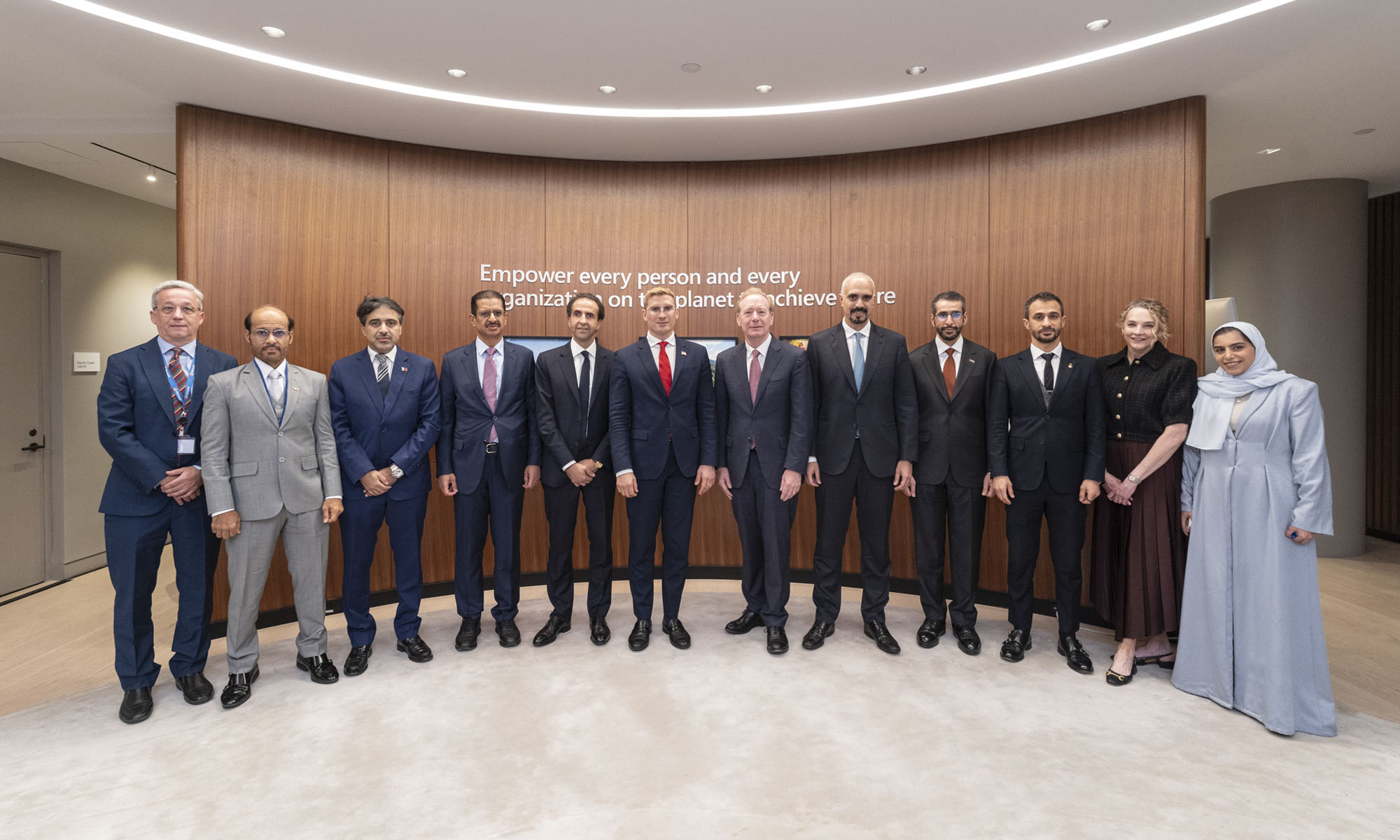
Microsoft is planning more than $10 billion of investment across the UAE, Saudi Arabia, Qatar and Kuwait through 2030, Vice Chair and President Brad Smith told Reuters, calling the spending schedule aggressive. The Iranian conflict that began on February 28 has not persuaded the company to scale back.
“We’re sustaining all the investments we planned to make before this conflict started, and we are in fact adding to them,” Smith said. The $10 billion-plus total does not, however, show how large those additions are.
The investment, which Smith described as part of Microsoft’s continued infrastructure expansion, is aimed at cloud and AI infrastructure and at the company’s growing regional operations. Microsoft also intends to put more than $400 million into subsea and terrestrial connectivity across the Middle East by 2030.
The spending fits the region’s own ambitions too. Gulf governments have been investing heavily in AI infrastructure as part of a push to diversify their economies beyond oil and gas and turn themselves into global technology hubs. Major cloud and AI providers have been drawn in part by the land and relatively low-cost energy on offer.
Microsoft is widening its partnerships with regional AI companies, though not on identical terms. In 2024, it invested $1.5 billion in Abu Dhabi-based G42 for a minority stake, and Smith currently sits on G42’s board. Saudi Arabia’s Humain and Qatar’s Qai are working with Microsoft on selected priority areas, but Smith said the company does not plan to make capital investments in either.
Also Read: Egypt’s Mobile Wallets Are Booming, But Cash Still Has Power
The conflict has added another strand to Microsoft’s work in the region. Since it began, Smith said, the company has supported regional partners with digital resilience assessments, and it is now working with Gulf countries through a digital resilience initiative focused on preparedness and the protection of critical data.
So far, the company has given no country-by-country breakdown of the investment, citing security among other factors. So while the headline figure is public, how Microsoft divides the spending among the four countries is not.

Microsoft Plans $10 Billion-Plus Gulf Expansion Despite Iran Conflict

In Kuwait, Your Surgeon Might Be Operating From Another Country

Qatar Folds 45 State Companies Into A Single Investment Platform

Trip.com Is Betting An AI Agent Will Book Your Next Vacation

Meta’s New $499 Plan Puts A Price On Reaching A Real Person

Apple’s First Folding iPhone Arrives Late To A Shrinking Market
Trip.com Is Betting An AI Agent Will Book Your Next Vacation

Egypt’s Mobile Wallets Are Booming, But Cash Still Has Power

OKX Bets Streaming Perks Can Take Crypto Mainstream Across MENA

Apple’s Latest Product Releases Make The Headlines


-
 News3 weeks ago
Apple’s First Folding iPhone Arrives Late To A Shrinking Market
-
 News2 weeks ago
Trip.com Is Betting An AI Agent Will Book Your Next Vacation
-
 News2 weeks ago
Egypt’s Mobile Wallets Are Booming, But Cash Still Has Power
-
 News2 weeks ago
OKX Bets Streaming Perks Can Take Crypto Mainstream Across MENA