
News
Abu Dhabi Rolls Out Barq Ultra-Fast EV Chargers
The new 360 kW network will feature 50 charging stations with the aim of speeding EV uptake as the UAE pushes toward Net Zero.


Abu Dhabi is deploying an ultra-fast electric vehicle charging network branded Barq, in a move by the Department of Energy (DoE) and TAQA Distribution to hasten the shift to cleaner transport.
More than 50 stations rated at 360 kW will be installed at busy sites across the emirate. Locations include Manarat Al Saadiyat, Mina Market, Burjeel Hospital in Mohammed Bin Zayed City, several spots in Al Ain — UAE University, Tawam Hospital, Al Jimi Mall — and City Mall in Madinat Zayed (Al Dhafra).
The first phase of the project goes live on January 13 during the Abu Dhabi Sustainability Week, where charging will be free for visitors.
Speed is the main promise of the Barq network: Drivers will be able to add roughly 100 kilometers of range in about three minutes. TAQA will grant a free charge after every three paid sessions to nudge adoption, a tactic aimed at early EV owners as well as fleet operators.
Officials are framing Barq as part of a sustainable mobility ecosystem backed by advanced infrastructure. “This is a strategic step in Abu Dhabi’s sustainable mobility journey, providing an advanced charging network that combines speed and reliability,” said Abdulla Humaid Al Jarwan, Chairman of the DoE, who tied the rollout to the UAE’s Net Zero 2050 pledge. TAQA Distribution CEO Omar Al Hashmi said the project reinforces the emirate’s positioning in smart energy and sustainable mobility.
Also Read: Emirates Post Issues Stamp Set Celebrating AI In UAE Schools
The push fits into national EV policies and air quality goals that target roughly half the vehicle fleet being electric or hybrid by mid-century. It also dovetails with planning through the Department of Municipalities and Transport, which is coordinating sites and grid upgrades. Battery-electric uptake remains modest across the region, but governments are investing in hardware ahead of mass-market demand.
For the Gulf, the Barq buildout shows climate and diversification agendas moving from targets to infrastructure. Abu Dhabi and Dubai have rolled out EV incentives, while Saudi Arabia and Qatar are setting similar transport targets under economic overhauls tied to their national visions.



News
Microsoft Plans $10 Billion-Plus Gulf Expansion Despite Iran Conflict
Security is shaping Microsoft’s approach, from resilience work with governments to what it will say about how the money splits by country.
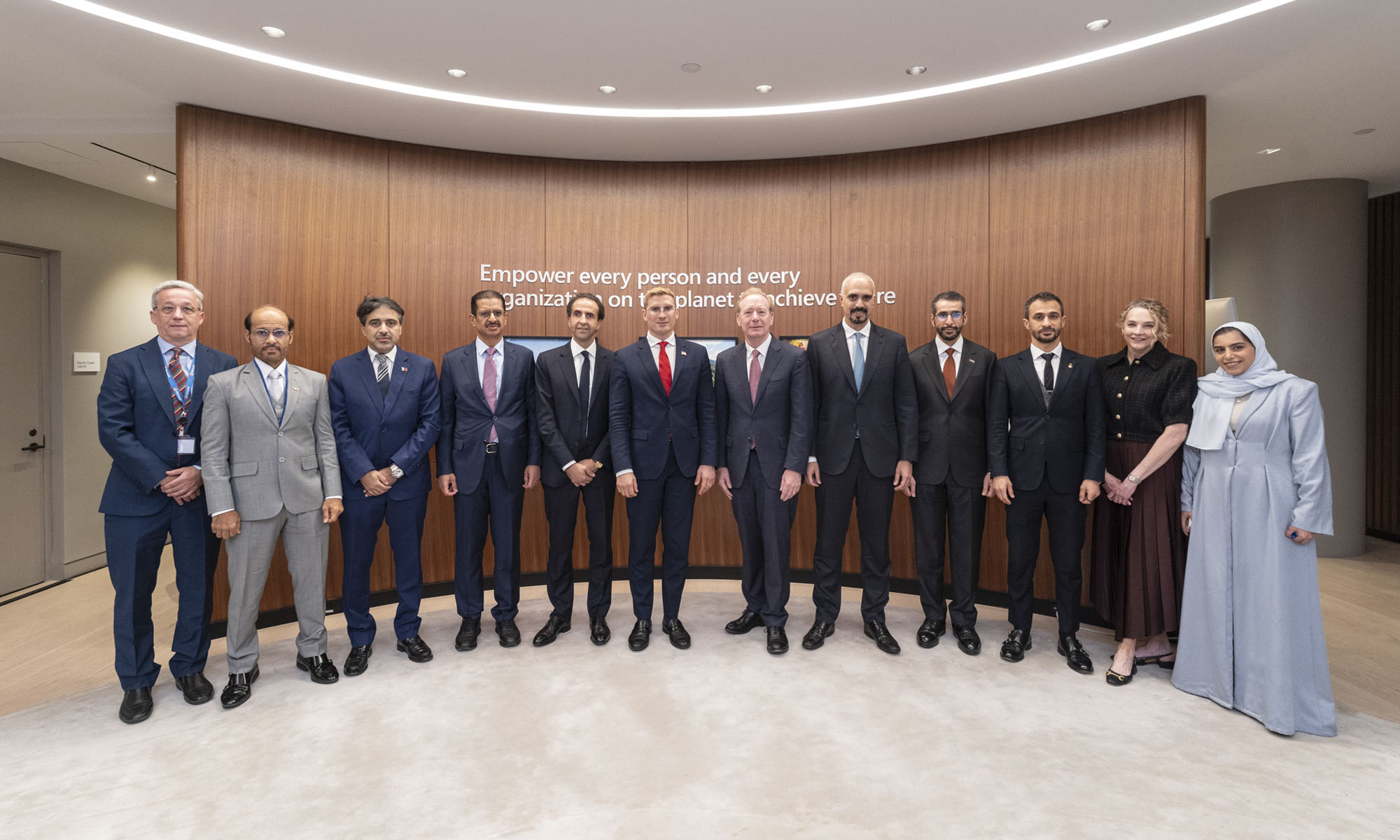
Microsoft is planning more than $10 billion of investment across the UAE, Saudi Arabia, Qatar and Kuwait through 2030, Vice Chair and President Brad Smith told Reuters, calling the spending schedule aggressive. The Iranian conflict that began on February 28 has not persuaded the company to scale back.
“We’re sustaining all the investments we planned to make before this conflict started, and we are in fact adding to them,” Smith said. The $10 billion-plus total does not, however, show how large those additions are.
The investment, which Smith described as part of Microsoft’s continued infrastructure expansion, is aimed at cloud and AI infrastructure and at the company’s growing regional operations. Microsoft also intends to put more than $400 million into subsea and terrestrial connectivity across the Middle East by 2030.
The spending fits the region’s own ambitions too. Gulf governments have been investing heavily in AI infrastructure as part of a push to diversify their economies beyond oil and gas and turn themselves into global technology hubs. Major cloud and AI providers have been drawn in part by the land and relatively low-cost energy on offer.
Microsoft is widening its partnerships with regional AI companies, though not on identical terms. In 2024, it invested $1.5 billion in Abu Dhabi-based G42 for a minority stake, and Smith currently sits on G42’s board. Saudi Arabia’s Humain and Qatar’s Qai are working with Microsoft on selected priority areas, but Smith said the company does not plan to make capital investments in either.
Also Read: Egypt’s Mobile Wallets Are Booming, But Cash Still Has Power
The conflict has added another strand to Microsoft’s work in the region. Since it began, Smith said, the company has supported regional partners with digital resilience assessments, and it is now working with Gulf countries through a digital resilience initiative focused on preparedness and the protection of critical data.
So far, the company has given no country-by-country breakdown of the investment, citing security among other factors. So while the headline figure is public, how Microsoft divides the spending among the four countries is not.

Microsoft Plans $10 Billion-Plus Gulf Expansion Despite Iran Conflict

In Kuwait, Your Surgeon Might Be Operating From Another Country

Qatar Folds 45 State Companies Into A Single Investment Platform

Trip.com Is Betting An AI Agent Will Book Your Next Vacation

Meta’s New $499 Plan Puts A Price On Reaching A Real Person

Apple’s First Folding iPhone Arrives Late To A Shrinking Market
Trip.com Is Betting An AI Agent Will Book Your Next Vacation

Egypt’s Mobile Wallets Are Booming, But Cash Still Has Power

OKX Bets Streaming Perks Can Take Crypto Mainstream Across MENA

Apple’s Latest Product Releases Make The Headlines


-
 News3 weeks ago
Apple’s First Folding iPhone Arrives Late To A Shrinking Market
-
 News2 weeks ago
Trip.com Is Betting An AI Agent Will Book Your Next Vacation
-
 News2 weeks ago
Egypt’s Mobile Wallets Are Booming, But Cash Still Has Power
-
 News2 weeks ago
OKX Bets Streaming Perks Can Take Crypto Mainstream Across MENA