
News
Tarabut Gateway & Visa Aim To Redefine Open Banking In MENA
The partnership will merge the capabilities of both companies as they plan innovative new solutions for the MENA region.

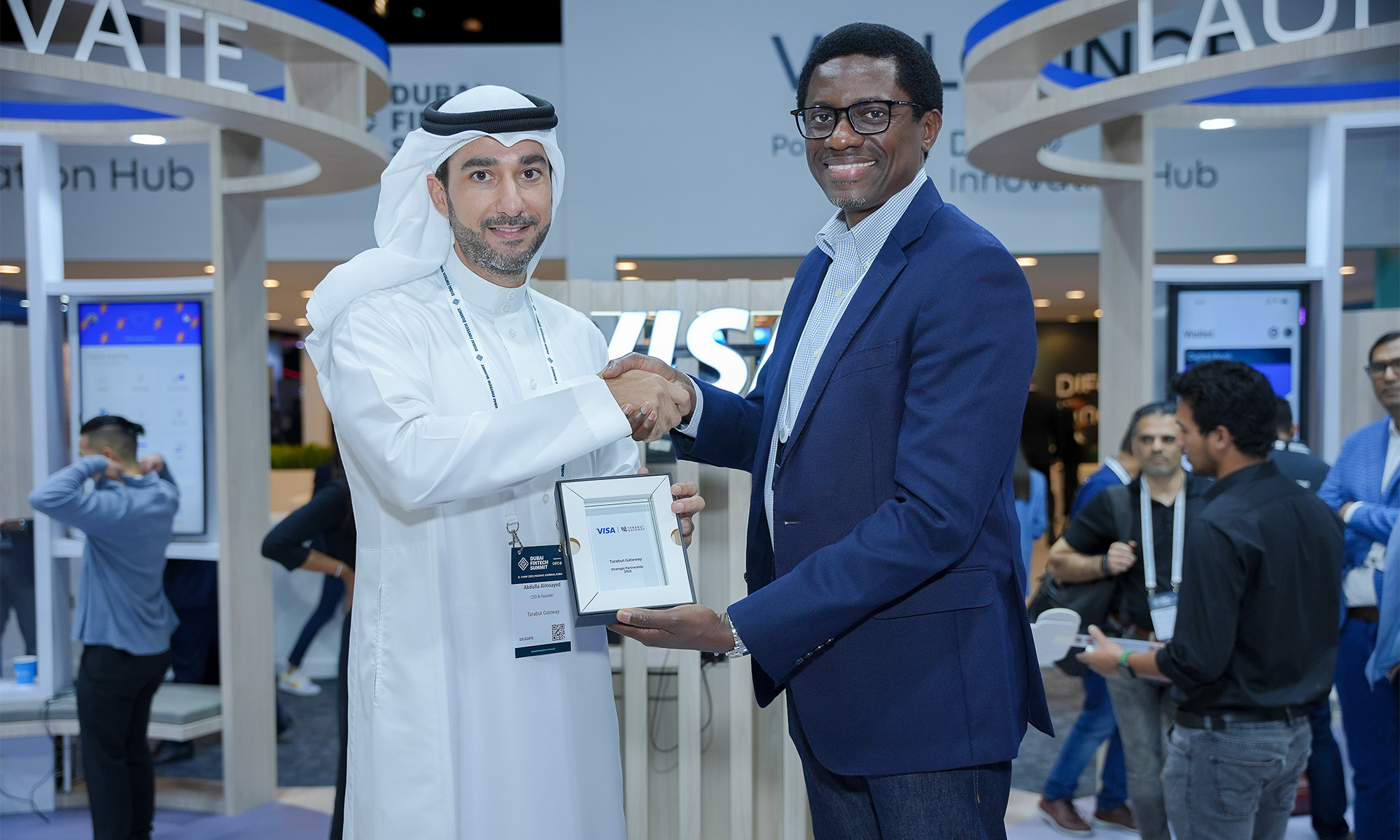
Tarabut Gateway, the MENA region’s leading Open Banking platform, has announced a new strategic partnership with global payment leader Visa.
The companies will use their extensive Open Banking experience to collaborate on new products and solutions, such as credit risk assessments and lending, cross-border payments, and advanced analytical tools.
Tarabut Gateway currently offers various API-based solutions enabling banks, merchants, and fintech startups to build financial apps. Meanwhile, the company’s extensive Open Banking infrastructure continues to expand across Saudi Arabia, the UAE, and Bahrain.
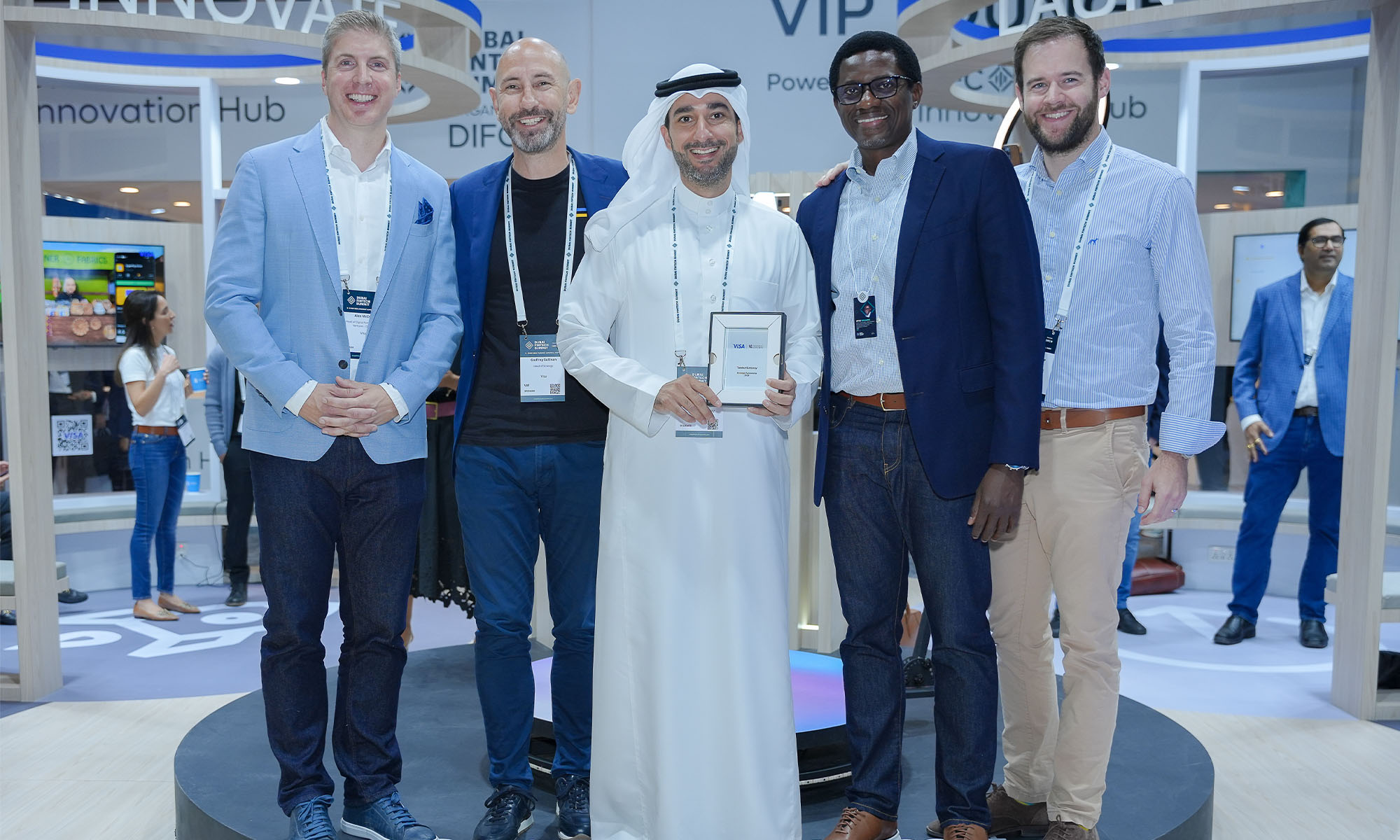
The new partnership with Visa aims to enhance customer experiences and foster innovation across the region. It comes after Tarabut Gateway’s recent 32 million USD investment drive, in which Visa was a key participant.
Visa’s investment in Tarabut Gateway follows its recent acquisition of leading Open Banking platform Tink and represents part of a broader MENA strategy.
Abdulla Almoayed, Founder and CEO of Tarabut Gateway, explained his excitement about the collaboration:
“Our existing close relationship, through Visa’s investment in Tarabut Gateway, has paved the way for this collaboration. The progress of open banking in the Middle East in recent years has been remarkable [and] together with Visa, we will leverage our data infrastructure to bring new and improved products to customers”.
Also Read: A Guide To Digital Payment Methods In The Middle East
Meanwhile, Otto Williams, Senior Vice-President and Head of Product, Partnerships, and Digital Solutions for Visa Central and Eastern Europe, Middle East, and Africa, noted:
“The future of financial services is being shaped by next-gen digital innovation, with Open Banking and data sharing serving as a significant driver to help consumers better manage and access their finances. Our shared commitment to next-generation solutions will enable us to transform the financial landscape and offer cutting-edge services to our customers”.





News
Samsung And Spotify Offer Free Premium Deal In MENA
Nearly seven in ten streams in the region come from 18-to-34-year-olds — the audience Samsung is hoping to entice into its ecosystem.
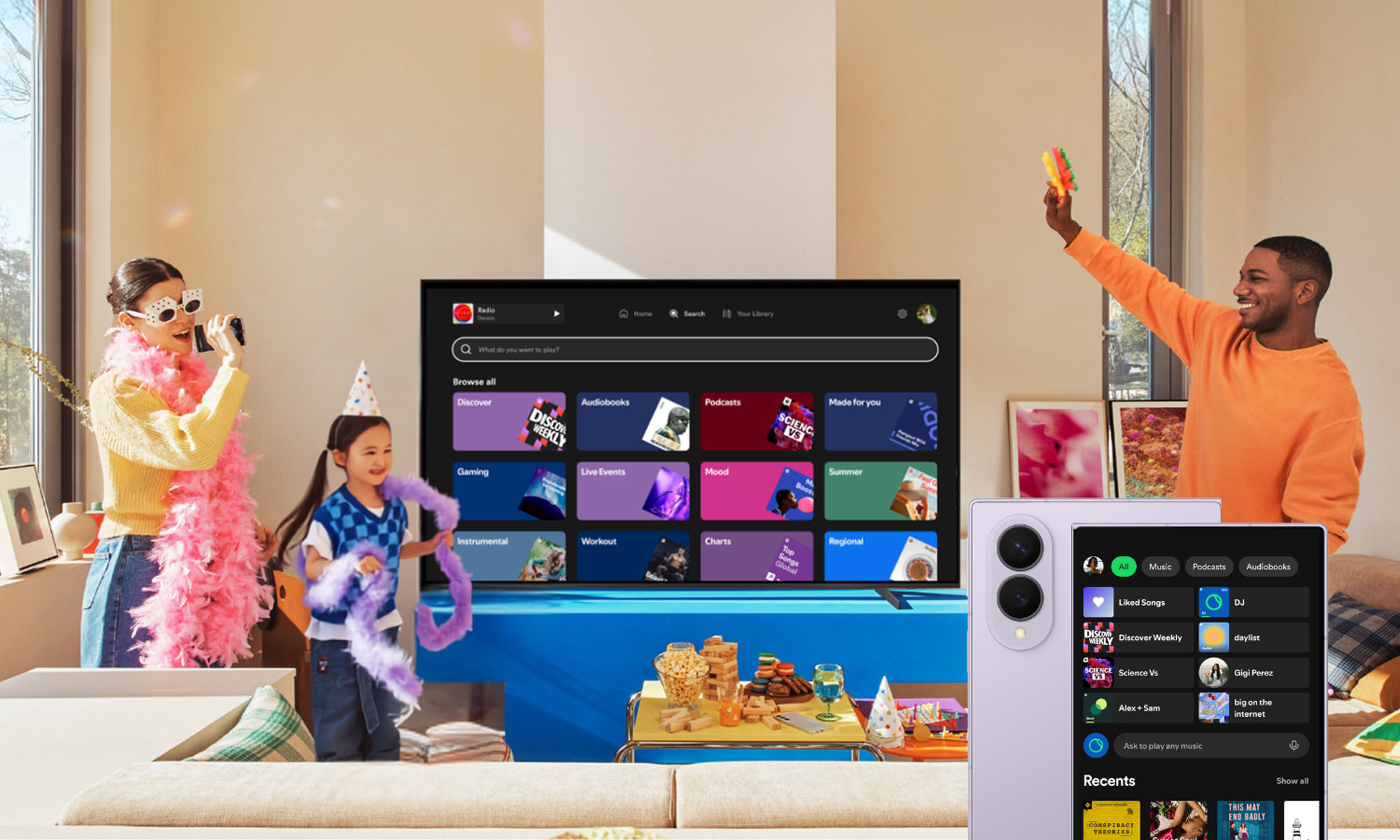
Samsung has announced a partnership with Spotify spanning the Middle East, North Africa, and Türkiye, bundling Spotify Premium with select devices across its ecosystem. The headline offer — up to four months of Premium for free — is a first for the region.
Customers in Saudi Arabia, the UAE, and Türkiye who buy any OLED or 98-inch television, or any Galaxy S or Z series mobile device, get four months of Spotify Premium. The offer, tiered by market and device, is available at retail and on Samsung.com, and redeemed through the Samsung Promotion and Samsung Members apps.
For Samsung, the strategy is less about free music than about lock-in. The Korean tech giant’s pitch is continuity: a track starts on a Galaxy smartphone through Galaxy Buds on the commute, moves to a Samsung TV and soundbar in the living room, and stays controllable from a Galaxy Watch. The more seamlessly music travels between those devices, the harder it becomes to swap any one of them for a rival’s.
“Technology should bring people closer to the things they love, and few things connect people the way music does,” said Omar Saheb, Regional VP of Marketing and Online Business at Samsung Electronics MENA. The partnership, he added, gives customers “a genuine reason to choose Samsung for the experience, not only the product”.
Also Read: Shokz OpenFit Pro Review: Open-Ear Audio Finally Grows Up
For subscribers, Premium brings the usual package: ad-free listening, offline downloads, richer audio quality on Galaxy Buds and Samsung sound devices, and Jam, which lets friends build a shared queue.
“At Spotify, we are always working to make every listening moment feel more personal, meaningful, and worth it,” said Rami Jamal, Head of Partnerships at Spotify for South Asia, Middle East, and Africa.
The demographics go a long way to explaining the strategy. Across MENA, Türkiye, and Pakistan, nearly seven in ten Spotify streams come from listeners aged 18 to 34, according to the company — precisely the audience Samsung wants inside its hardware ecosystem before buying habits harden.

Samsung And Spotify Offer Free Premium Deal In MENA

Lebanon’s 5G Era Begins With 150 Stations And A $1M Budget

Syria Just Got Its First Super App Featuring Built-In Digital Payments

Shokz OpenFit Pro Review: Open-Ear Audio Finally Grows Up

This UAE Platform Wants To Replace Fashion Photo Shoots With AI

TikTok Hopes Labels And Literacy Will Tame AI-Generated Content

Samsung’s Galaxy Watch 9 And Ultra 2 Specs Leak Ahead Of Unpacked

Gulf AI Job Vacancies Nearly Triple, But Hiring Stays Lopsided

Dubai Police Finishes 65 Projects, Says AI Is The Next Priority

Beirut Wins US Flight Access, But Carriers Aren’t Sold Yet


-
 News3 weeks ago
Gulf AI Job Vacancies Nearly Triple, But Hiring Stays Lopsided
-
 News3 weeks ago
Dubai Police Finishes 65 Projects, Says AI Is The Next Priority
-
 News3 weeks ago
Beirut Wins US Flight Access, But Carriers Aren’t Sold Yet
-

 News3 weeks ago
Samsung’s Fold Goes Wide, And The Whole Galaxy Range Gets Pricier