
News
UAE Company G42 Will Soon Launch Three ChatGPT Platforms
The artificial intelligence company is building an Arabic version of ChatGPT, a tool for government services, and another for climate action.

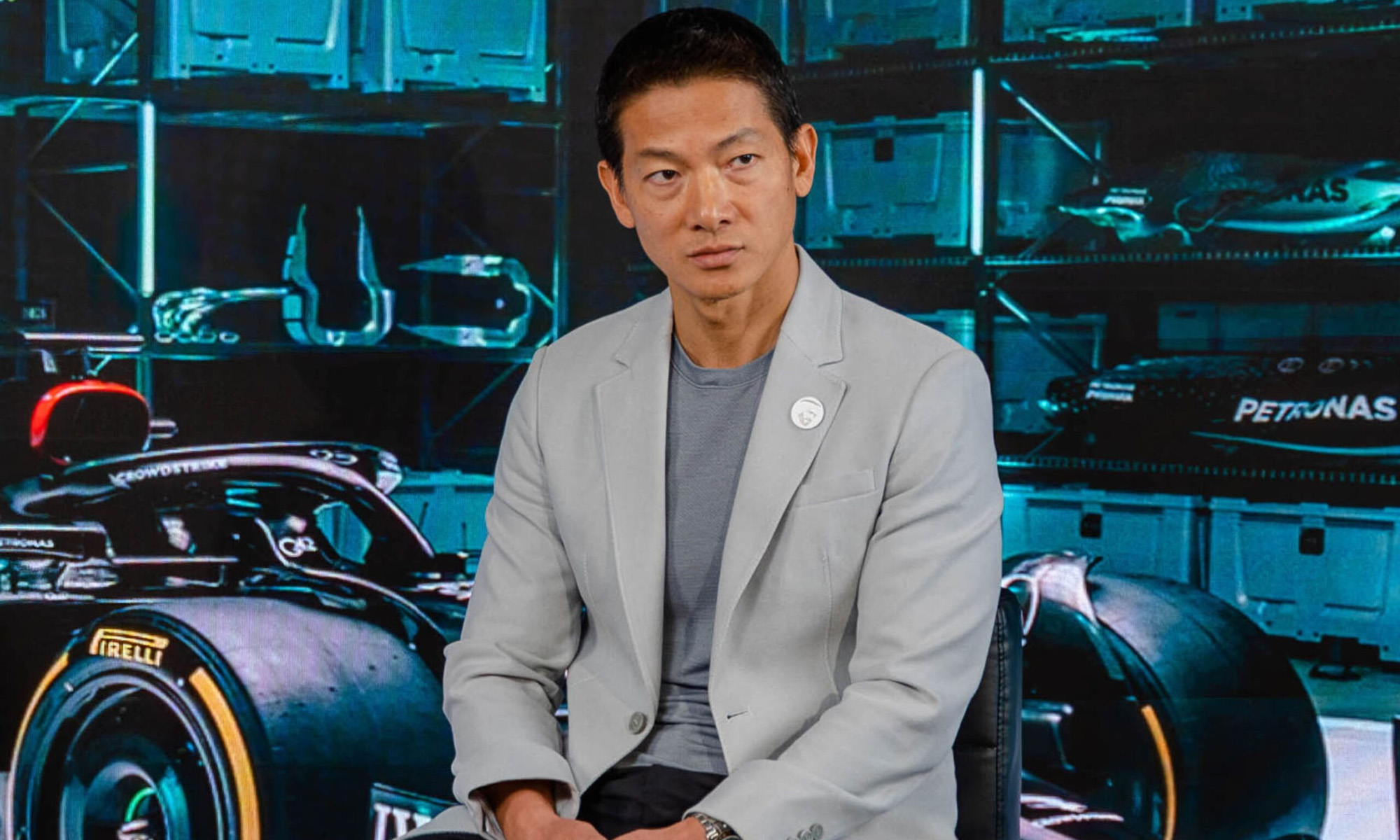
An artificial intelligence company from the UAE known as G42 is working on several ChatGPT-powered platforms. The organization’s CEO Peng Xiao announced during a recent press conference that they were “working on the largest Arabic-language model” and noted that although “Arabic is a major body of language in the world, it is not served at all by the big players in the industry”.
G42 has also begun work on GovGPT, a chat service that will help find answers to government-related search queries, and ClimateGPT, a tool to “help the population be more engaged and participate in the climate programs we’re championing”.
Although Xiao didn’t reveal an exact date for the release of the new ChatGPT platforms, he did address AI’s potential impact and future regulation.
Also Read: The Largest Data Breaches In The Middle East
“The way to better regulate it is not to say ‘stop, don’t do anything, let’s figure this out’. The way to do this is to do more sandboxes, more cutting-edge experiments, with transparency, like we’re about to do with Toto Wolff’s F1 team, and involve regulators and governments to see what we are doing”.
Founded in Abu Dhabi, G42 has a global footprint and a team of 2,700 AI experts who provide solutions for molecular medicine, space travel, and more. The company recently made headlines when it partnered with Mercedes-AMG Petronas F1 to provide data and insights to improve the team’s performance.


News
Instagram Redraws Its Wordmark And The Internet Reads “Instagzam”
Instagram’s first wordmark refresh in a decade arrives with new fonts, a restrained gradient — and a Reddit verdict of sidegrade.
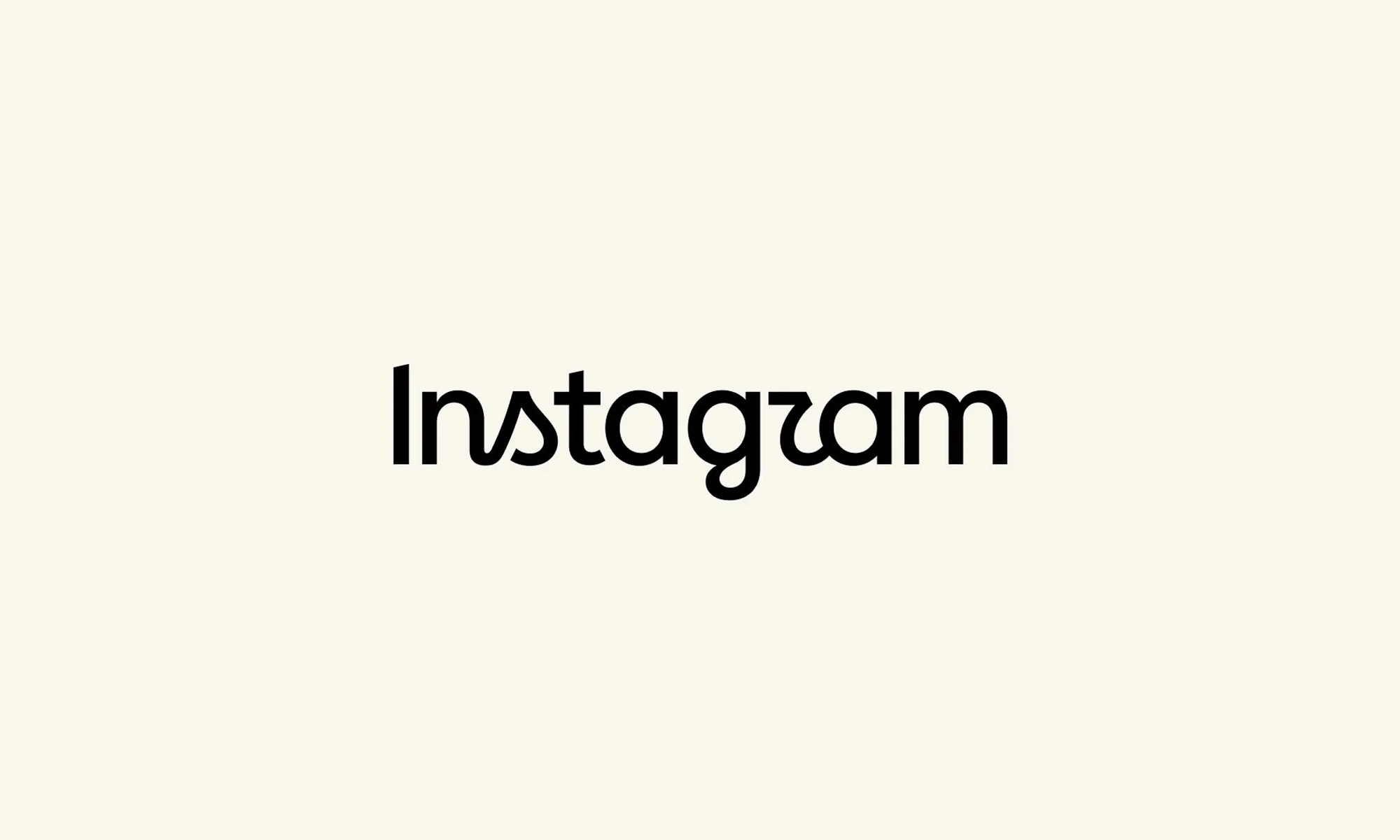
Although Instagram’s famous camera icon hasn’t changed, the company has refreshed the handwritten wordmark at the top of its app. This is the first redesign we’ve seen in ten years, and one the internet promptly set about renaming.
“The wordmark at the top of the app hasn’t changed in 10 years, so it was time for a refresh,” Instagram head Adam Mosseri wrote in a post on August 13, describing the new version as “cleaner and more modern” while keeping references to the original design.
Instagram says its team explored hundreds of options — all-caps lettering, camera-inspired concepts, even literal handwriting — before returning to script. “Script reflects individuality, so referencing that felt right,” Instagram director of product design Jasmine Probst said in Meta’s announcement. “The new wordmark is bolder and simpler, with touches of unexpectedness. It cues individual expression, a personal voice, both of which have always been core to Instagram”.
The wordmark is part of a broader brand overhaul: an updated Instagram Sans typeface, two new fonts — the hand-drawn Instagram Pen and Instagram Mono — plus refreshed motion and layouts, and more restrained use of the signature gradient. The wordmark is rolling out globally now, with the rest arriving throughout 2026 and beyond.
Also Read: Spotify Will Now Tell You If Your Favorite Artist Isn’t Real
The design mixes cursive and print lettering, some characters connected and others floating free. That hybrid approach, combined with unusually shaped “s” and “r” characters, led some users to conclude the logo actually reads “Instagzam”. On the r/logodesign subreddit, one user said the wordmark looked “fan-made,” like something built in Canva; another called it “an unsettling mix of manuscript and cursive”; a third summarized it as a “sidegrade” — or, inevitably, a “zidegrade”.
Not everyone was hostile to the new look. Some found the half-cursive design stylish and surprisingly readable, while others called it an improvement on its predecessor, and one commenter argued Instagram was simply adopting minimalist branding later than everyone else. Either way, the platform now has a refreshed identity, three updated fonts, and an unofficial new pronunciation.

Instagram Redraws Its Wordmark And The Internet Reads “Instagzam”

Spotify Will Now Tell You If Your Favorite Artist Isn’t Real

Samsung And Spotify Offer Free Premium Deal In MENA

Lebanon’s 5G Era Begins With 150 Stations And A $1M Budget

Syria Just Got Its First Super App Featuring Built-In Digital Payments

Dubai Police Finishes 65 Projects, Says AI Is The Next Priority

Beirut Wins US Flight Access, But Carriers Aren’t Sold Yet

Samsung’s Fold Goes Wide, And The Whole Galaxy Range Gets Pricier

Gulf AI Job Vacancies Nearly Triple, But Hiring Stays Lopsided

This UAE Platform Wants To Replace Fashion Photo Shoots With AI


-
 News3 weeks ago
This UAE Platform Wants To Replace Fashion Photo Shoots With AI
-

 News3 weeks ago
Nike And Hyperice’s New Slides Heat And Vibrate Your Feet
-
 Product Reviews3 weeks ago
Shokz OpenFit Pro Review: Open-Ear Audio Finally Grows Up
-
 News2 weeks ago
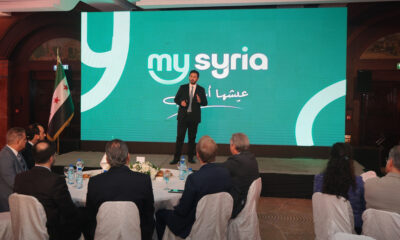
Syria Just Got Its First Super App Featuring Built-In Digital Payments