
News
XAAN Introduces Web App For Dubai Holiday Home Guests
The startup’s extensive hospitality knowledge will ensure an exceptional guest experience by verifying service providers and maintaining high standards of quality.

XAAN, a digital-first startup in the vacation rental space, has officially launched a new web app designed to enhance stays for guests of rental apartments in Dubai. The service aims to maintain “hotel standards” within the industry and will also help connect apartment owners and guests with local suppliers and boost revenue from the sale of supplemental services.
“Digitalization is essential for 90% of holiday homes to compete with hotels and increase profits. XAAN offers a solution by providing advanced technology, hotel-grade services, and hospitality standards to make vacation rental businesses successful and profitable,” says Gleb Mykhailov, XAAN CEO.
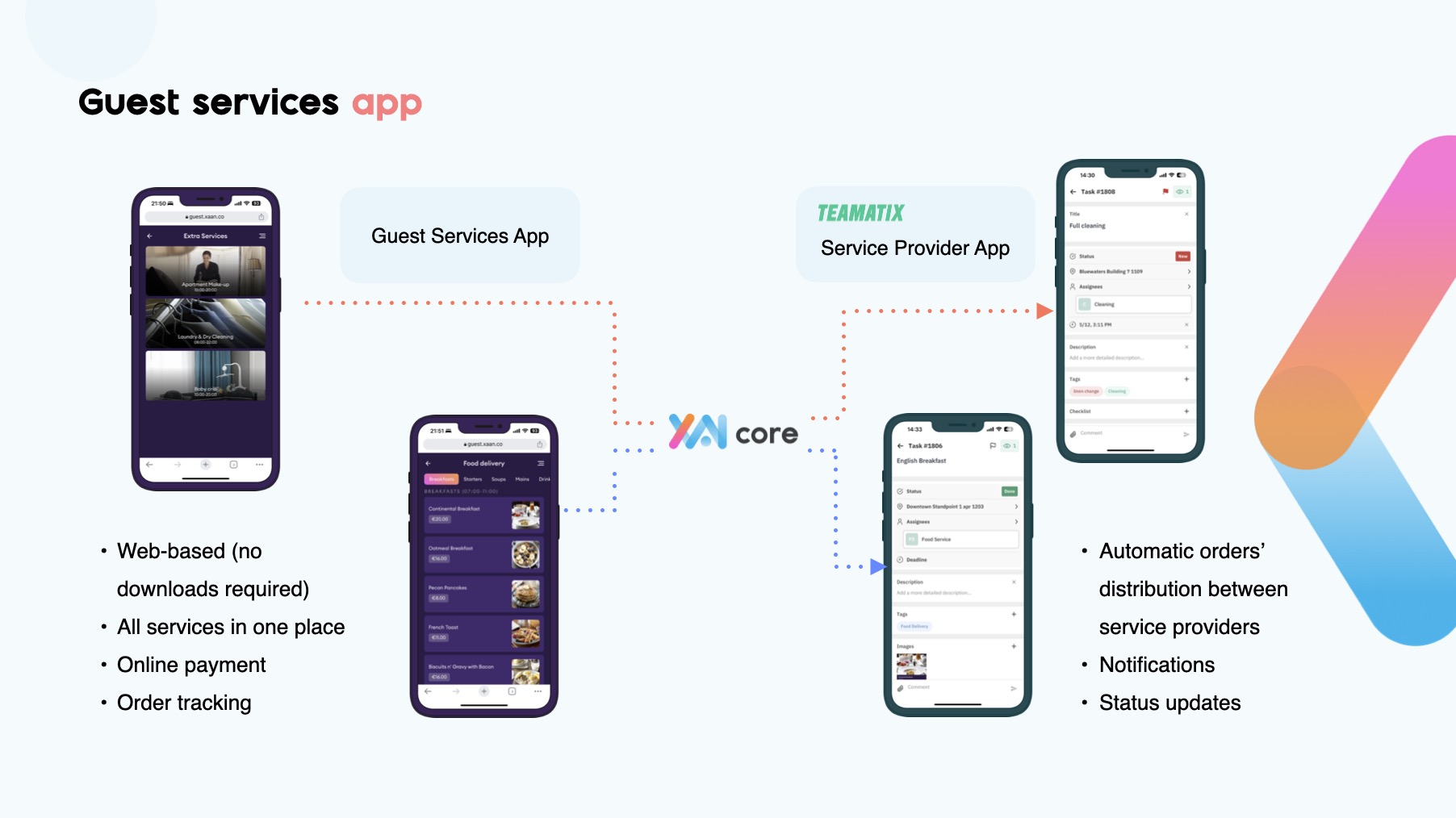
To provide their unique solution, the XAAN development team has integrated with the task management system Teamatix, and the startup is now taking its offering a step further by introducing a guest-facing web app.
Also Read: Qatar’s Capital Aims To Become A Regional Technology Hub
By verifying service providers, maintaining high standards of quality, and giving guests access to XAAN’s extensive hospitality knowledge, the team hopes to ensure an exceptional experience for travelers heading to Dubai on vacation or business trips.
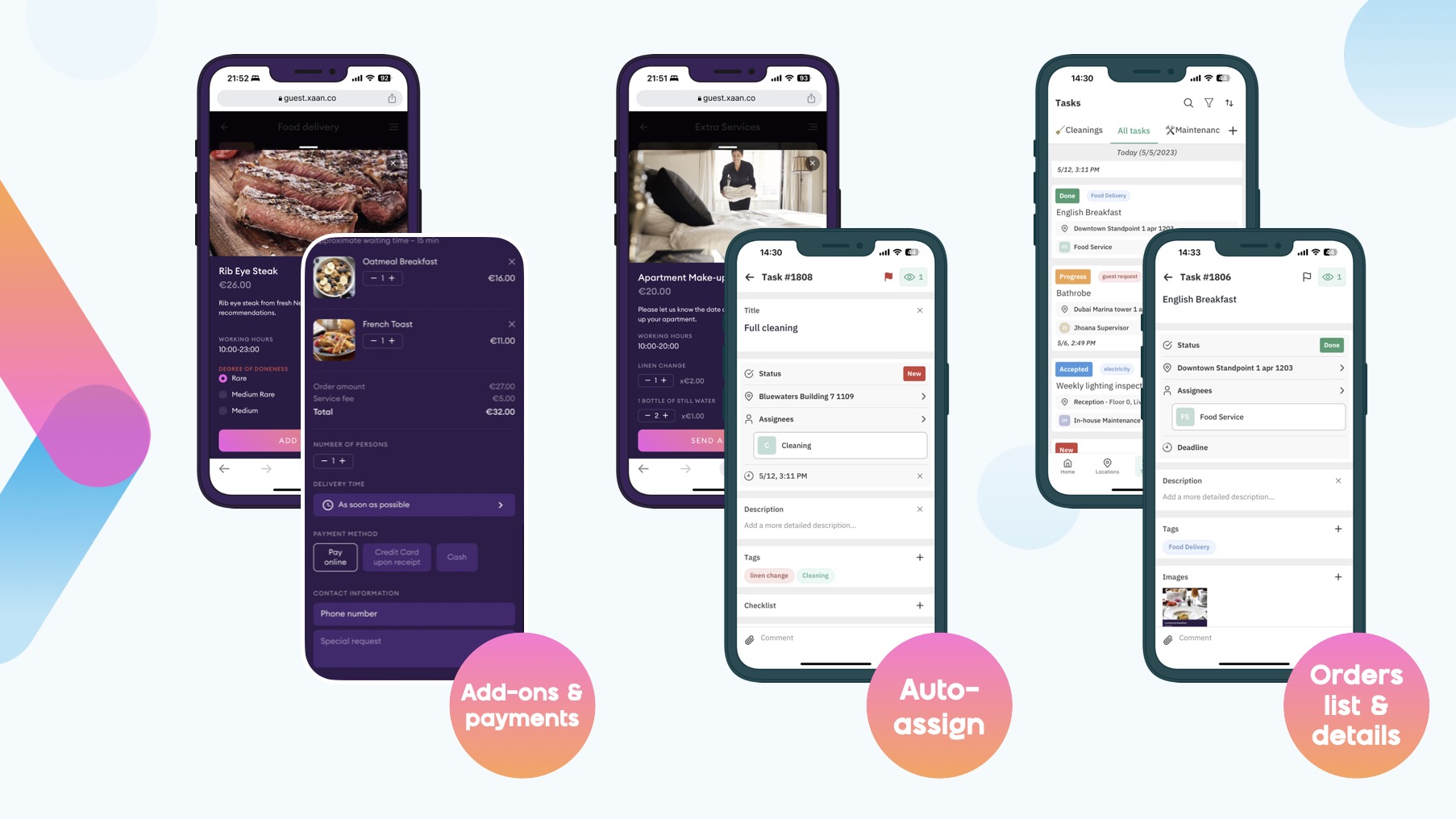
As well as booking apartments, guests can reserve spa experiences, book laundry services, request breakfast or cleaning services, call taxis, and even book sightseeing tours. Overall, the new app shows great promise and offers the opportunity for holiday home business owners to increase their revenue.






News
Samsung’s Fold Goes Wide, And The Whole Galaxy Range Gets Pricier
A new titanium build and a first-of-its-kind AI chip for wearables anchor the range, yet native Qi2 charging still isn’t part of the deal.


Samsung has run its Galaxy foldable and smartwatch reveals in July for several years now, which is likely a deliberate way of jumping early on the autumn hardware calendar. The 2026 event stuck to the same timings, though prices climbed too, albeit unevenly: $100 on the Flip, a new $2,100 Ultra tier above last year’s flagship, and $30 to $50 on the watches.
At the top sits the Galaxy Z Fold 8 Ultra at $2,100, a slab that measures just 4.1mm open and carries a 200MP main sensor, a 5,000mAh battery and an 8-inch interior display. Beneath it, the $1,900 Galaxy Z Fold 8 makes the more interesting bet. Samsung has stepped away from the tall, narrow shape it spent recent generations refining: the Fold 8 folds horizontally, so it’s wider than it is tall, with a 4:3 interior screen that sits about 9mm wider than the Ultra when closed. It drops the telephoto lens but gains battery, at 4,800mAh.
The clamshell Galaxy Z Flip 8 rounds out the phones at $1,200, up from the Flip 7’s $1,100, which was itself up from the $1,000 Flip 5.
All three devices run the Snapdragon 8 Elite Gen 5 for Galaxy and share a new Flex Titanium construction, a titanium alloy layer set beneath the flexible OLED that Samsung says strengthens display support, absorbs impact and reduces crease visibility. The progress has limits: none of the phones support Qi2 charging natively, 18 months after the Qi2-ready Galaxy S25. That means buyers will still need a magnetic case to get the most from a Qi2 charger.
The wearables move in the same upward direction. The Galaxy Watch 9 ($380 Bluetooth, $430 LTE) and Galaxy Watch Ultra 2 ($700) both run Qualcomm’s 3nm Snapdragon Wear Elite, the first wearable chip with a dedicated Hexagon NPU capable of supporting AI models with two billion parameters. The Ultra 2 is 12 percent thinner than its predecessor despite an 800mAh battery and a display reaching 5,000 nits.
Also Read: Dubai Police Finishes 65 Projects, Says AI Is The Next Priority
Pre-orders open today. The devices are set to reach shelves on August 7.

Samsung’s Fold Goes Wide, And The Whole Galaxy Range Gets Pricier

Beirut Wins US Flight Access, But Carriers Aren’t Sold Yet

Dubai Police Finishes 65 Projects, Says AI Is The Next Priority

Gulf AI Job Vacancies Nearly Triple, But Hiring Stays Lopsided

Samsung’s Galaxy Watch 9 And Ultra 2 Specs Leak Ahead Of Unpacked

WhatsApp Usernames Are Coming: Here’s How To Claim Yours

Meta’s New AI Tool Builds Images From Public Instagram Photos

Tamper With The Recording LED & Meta’s Glasses Kill Camera

YouTube Rolls Out Supervised Children’s Accounts Across MENA

OpenAI Cleared To Launch GPT-5.6 Publicly After Government Review


-

 Web32 months ago
2026 Crypto Trends: Bitcoin, ETFs & The Future Of Payments
-

 News2 months ago
At I/O 2026, Sundar Pichai Concedes AI Must Deliver Real Value
-

 News1 month ago
LUVED Is A New Curated Preloved Marketplace For The UAE
-
 News1 month ago
Instagram Now Lets You Tune Its Algorithm, But There’s One Big Catch