
News
Lebanese Crypto Miners Are Fighting For Survival
To mine cryptocurrencies, miners need two essential things: suitable mining hardware and the electricity necessary to power it.

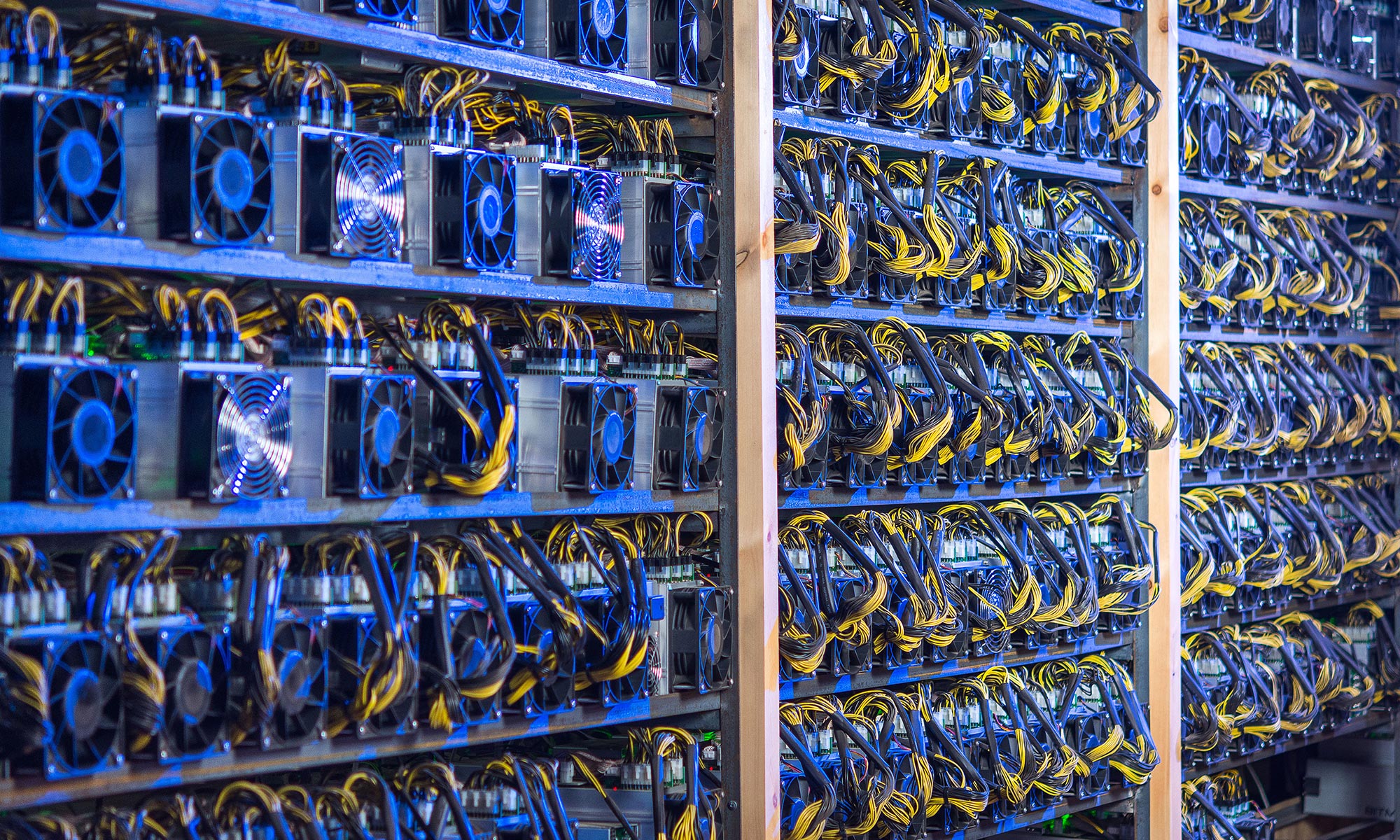
Cryptocurrency mining used to give many people in Lebanon hope that a life void of financial anxiety was within their reach. Now, this hope is quickly turning into disappointment amid the electricity shortage crisis in the country. To mine valuable cryptocurrencies such as Bitcoin, crypto miners need two essential things: suitable mining hardware and a reliable source of electricity necessary to power it.
The first requirement alone is difficult to meet these days because GPUs (Graphics Processing Units), which most smaller miners and many large-scale miners rely on, are either unavailable or ridiculously expensive — and not just in Lebanon.
The second requirement, however, is something that has been making many crypto miners in Lebanon rethink their strategy. “Before the electricity crisis, each GPU used to mine $10-$20 worth of Bitcoin every four hours,” said Alaa Ayash, the co-owner of a gaming-turned-mining lounge in Mar Elias, Beirut. “Now they mine about $1-$5, almost a quarter of what they used to.” he added.
In an effort to keep their mining rigs running 24×7, some miners have started producing their own electricity using diesel generators, but obtaining enough fuel without paying an arm and a leg for it is becoming difficult every day, that’s if it can be obtained at all.
“One gallon (20 liters) of diesel used to cost around 30,000 Lebanese pounds. Now it costs somewhere between 100,000 pounds and 150,000 pounds in the black market, if not more,” explained Ali Mortada, a Syrian janitor responsible for several large buildings.
Also Read: Bitcoin In Lebanon: Everything You Need To Know
Of course, diesel generators are the exact opposite of environmentally friendly. In fact, diesel engine exhaust is classified as carcinogenic to humans because it’s linked to an increased risk of lung cancer. Several countries in Europe and South America are currently looking into cleaner and more sustainable energy solutions to power their equipment in efforts to continue mining in an eco-friendly manner.
The only thing that could realistically help Lebanese crypto miners in the short term is a substantial increase of Bitcoin’s price, and alternative cryptocurrencies along with it, but the current bear market doesn’t make this seem like a realistic possibility.







News
Abu Dhabi’s Robot Kitchen Is Serving Up Biryani, Not Burgers
Circus SE wants to put a tiny automated factory inside the buildings where Gulf residents live and work, bypassing part of last-mile delivery.

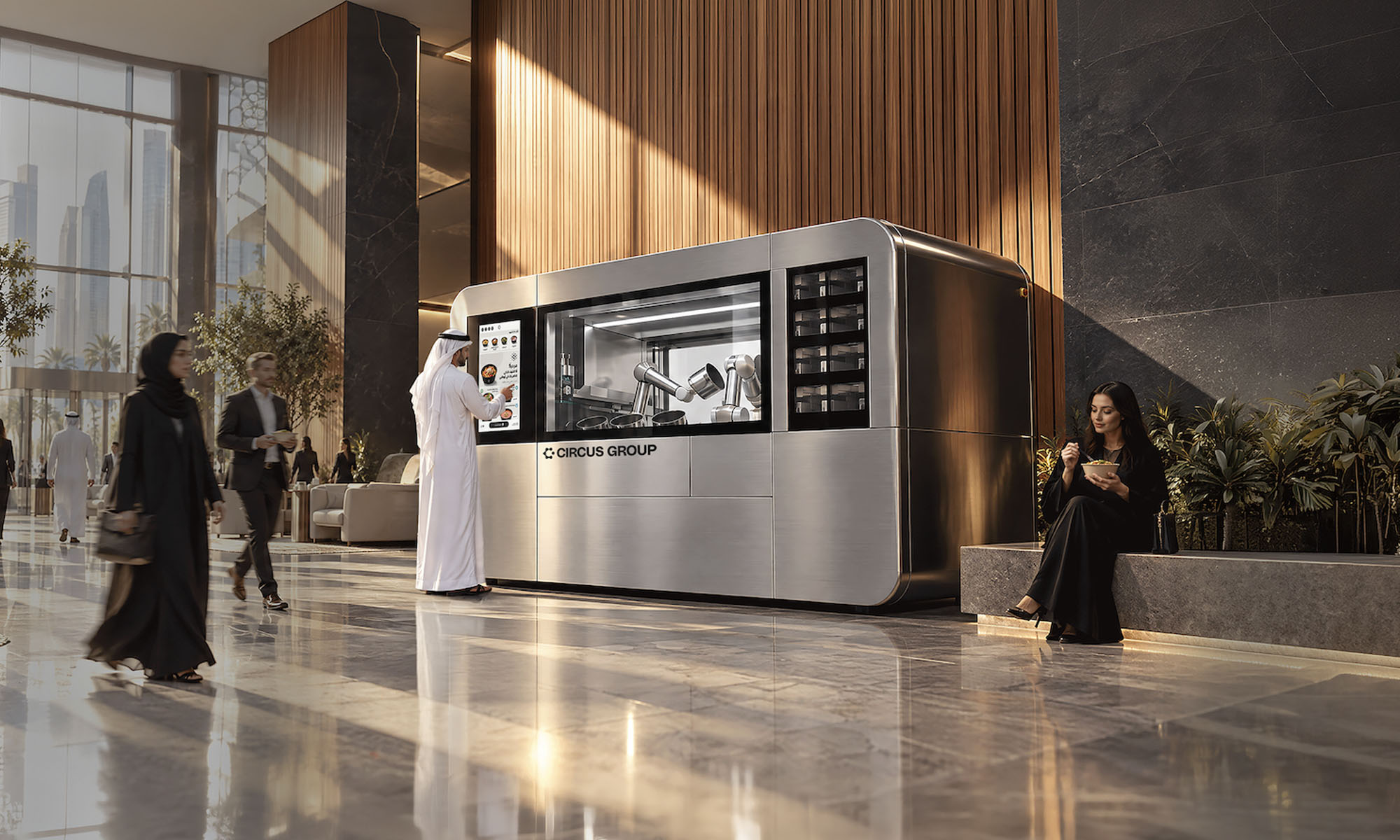
The most telling thing about a new autonomous kitchen now running in Abu Dhabi’s Marina Square is what it won’t cook:
“We don’t do fast food,” says Nikolas Bullwinkel, Founder and CEO of Circus SE. “We’ve actively decided not to build a machine that can only do burgers”.
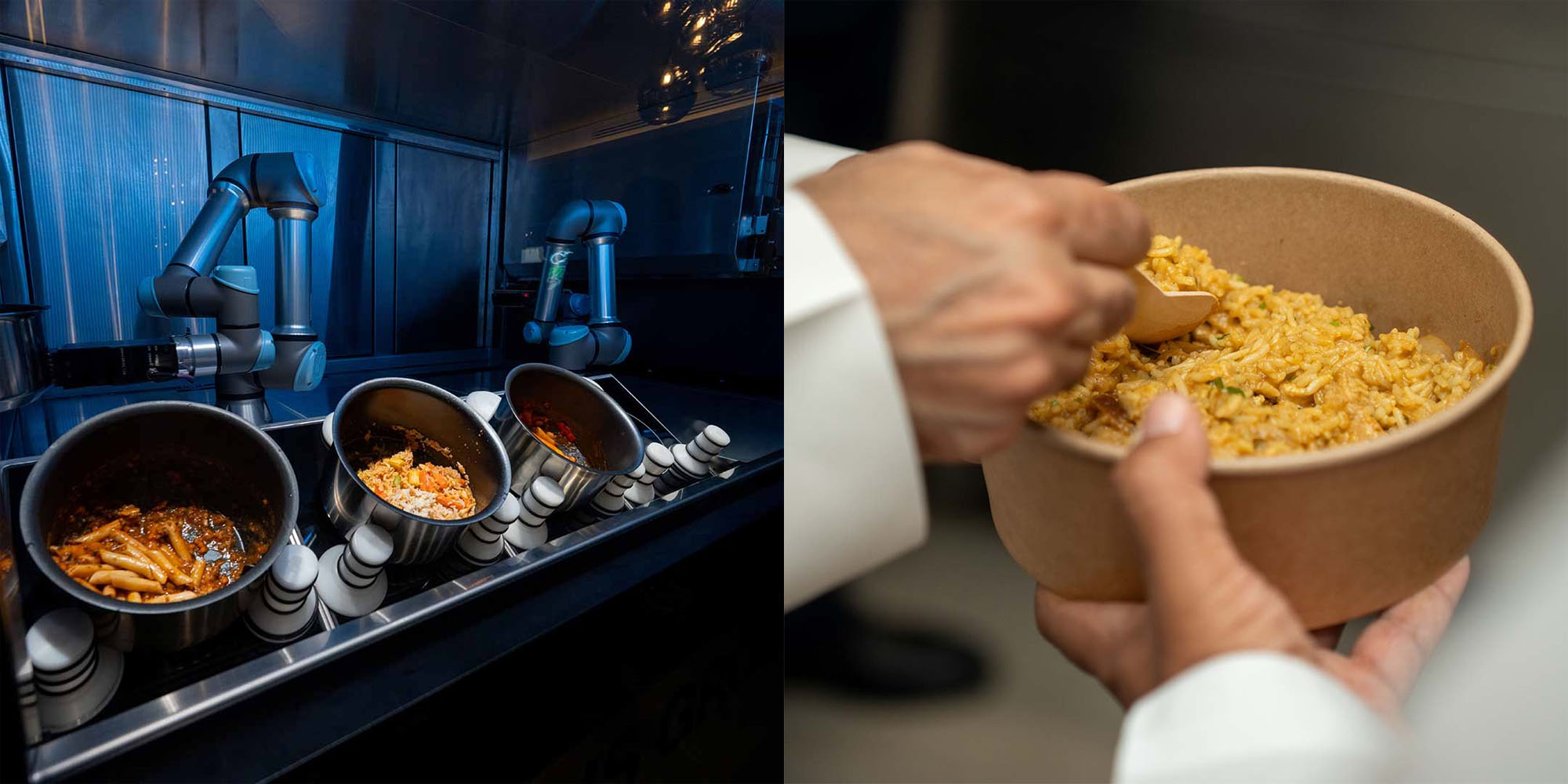
Instead, the CA-1 system is built around pot-based cooking: curries, pastas, soups and rice dishes. After experimenting with highly personalized recipes, Circus deliberately leaned back toward recognizable food. “We’re going with a chicken biryani because you know it,” Bullwinkel says of the AED 40 dish.
The Germany-based robotics and food technology company operates across eight countries, and Abu Dhabi is its first deployment outside Europe. More locations are expected there and in Dubai.
In Germany, its units can be placed in supermarkets, gas stations, airports and hospitals. In the Gulf, Bullwinkel wants them inside residential and office buildings, replacing some of the complexity of last-mile delivery. “We’re basically bringing a very tiny factory a few square meters into your building,” he says. Catering company Royal Prestige supplies the ingredients and knowledge of local tastes.
The CA-1 manages up to 36 refrigerated ingredient silos alongside automated induction cooking, robotic plating and a self-cleaning dishwasher. Two robotic arms move ingredients through the system with minimal human intervention. It can produce up to 120 hot meals an hour, and a meal such as rice and curry can take around three to four minutes.
Also Read: Ooredoo Qatar’s 5G+ Network Is Built For Machines As Much As People
Five cameras and multiple sensors monitor heat, temperature and consistency, an attempt to approximate what a chef perceives. “You can hear something gets burned, you can smell it, you can see it at some point,” Bullwinkel says. CircusOS, the company’s operating system, adjusts recipes in real time.
You might think of the platform as a threat to kitchen staff, but Bullwinkel frames Circus as a way for chefs to develop recipes and distribute them at scale. With that being said, rising labor costs and shortages are also part of his case for automation.

Abu Dhabi’s Robot Kitchen Is Serving Up Biryani, Not Burgers

Sennheiser’s MOMENTUM 5 Series Bets On Batteries You Can Swap

UAE’s 3-Minute University Registration Runs On Government Data

How Online Ads Became A Delivery System For Zero-Click Spyware

Shokz OpenDots 2 Review: Clip-On Audio Gets A Bass-Heavy Makeover

Dubai Says Its Deepfake Detector Needs Just 7 Seconds Of Video

New Disney+ Streaming App Has Officially Launched In The UAE

NEOPAY Wants To Follow Merchants Across Channels And Borders

RØDE’s Low-Profile Studio Arm Is Designed To Stay Out Of Shot

G42’s Inception42 Wants AI To Show Its Work Before Investors Commit


-
 News3 weeks ago
Dubai Says Its Deepfake Detector Needs Just 7 Seconds Of Video
-
 News3 weeks ago
New Disney+ Streaming App Has Officially Launched In The UAE
-
 News3 weeks ago
NEOPAY Wants To Follow Merchants Across Channels And Borders
-
 News4 weeks ago
RØDE’s Low-Profile Studio Arm Is Designed To Stay Out Of Shot