
News
Samsung Galaxy Unpacked Event Will Take Place On August 11
In addition to 2 new foldable smartphones, you can also look forward to the Galaxy Watch 4 and the Galaxy Buds 2.

After several leaks, Samsung has officially confirmed the date and time when its upcoming Galaxy Unpacked event will take place: August 11, 2021 at 10 AM EST.
Besides the confirmation, Samsung has rewarded its fans for their patience by releasing an official trailer that hints at the products that will soon be revealed in their full glory.
“Change is the only constant in the world of innovation. By driving new ideas forward and transforming existing experiences, it redefines the boundaries of what’s possible,” the official press release says. “As the excitement for the upcoming Galaxy Unpacked on August 11 continues to build, Samsung Electronics has released a trailer teasing the surprises that lie in wait for Galaxy fans.”
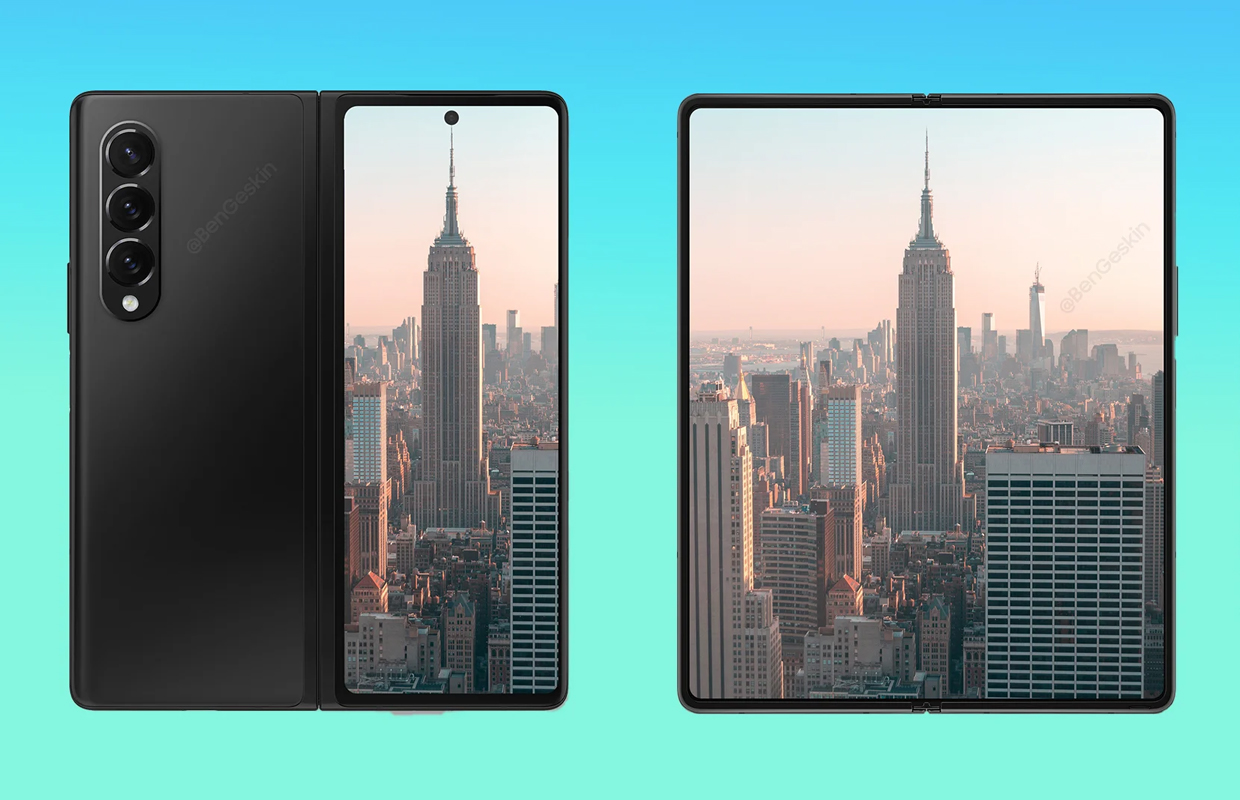
The products teased by the trailer are the Galaxy Z Fold 3 and the Galaxy Z Flip 3 (check out the complete leaked Galaxy device lineup). Both are foldable smartphones, but each targets different customers.
The Galaxy Z Fold 3 folds along the vertical axis, and it’s expected to boast a huge 7.7-inch interior display and a smaller exterior display, giving users plenty of screen real estate for basic apps and multimedia alike. It could be Samsung’s first smartphone with an under-display camera, and it will certainly be powered by Qualcomm’s top-of-the-line processor.
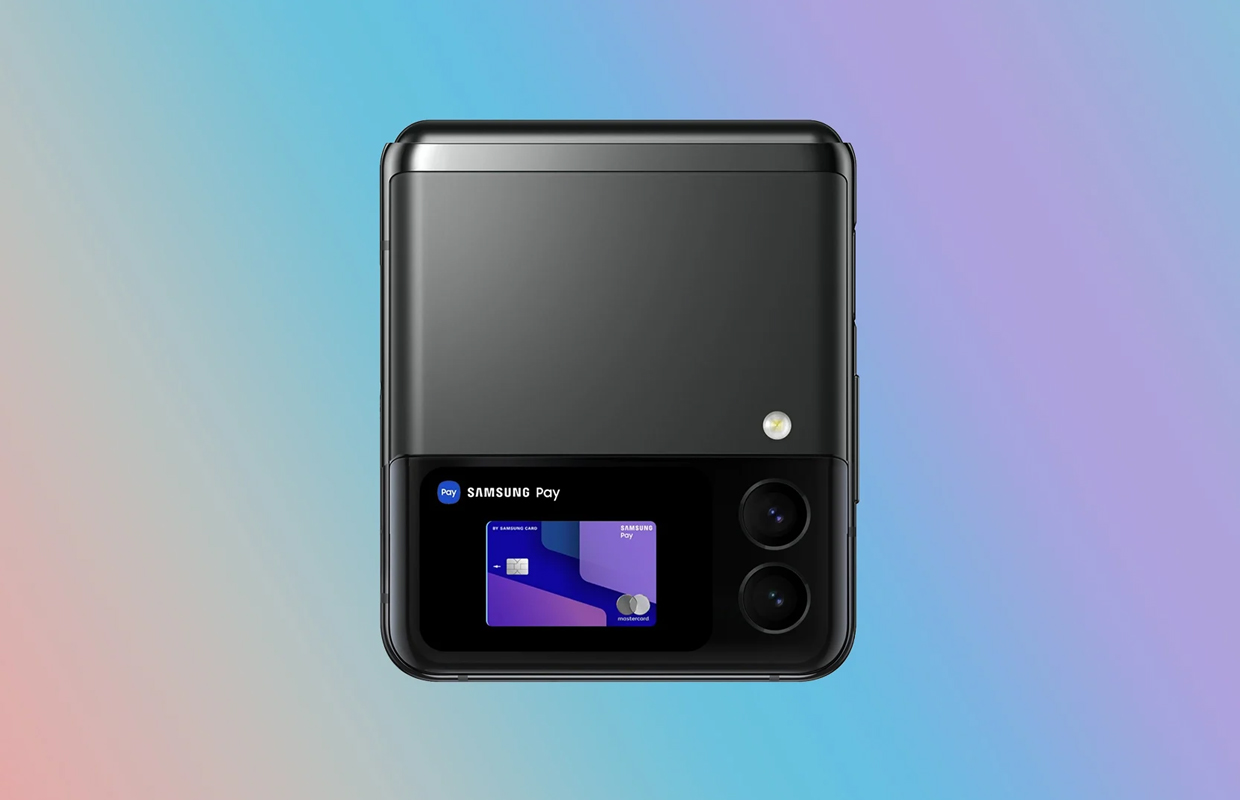
As the name suggests, the Galaxy Z Flip 3 folds along the horizontal axis, allowing it to comfortably hide even inside the tiny pockets so many women’s pants come with. Just like its larger relative, it will come with flagship specifications, so playing the latest games or taking beautiful pictures at night shouldn’t be a problem.
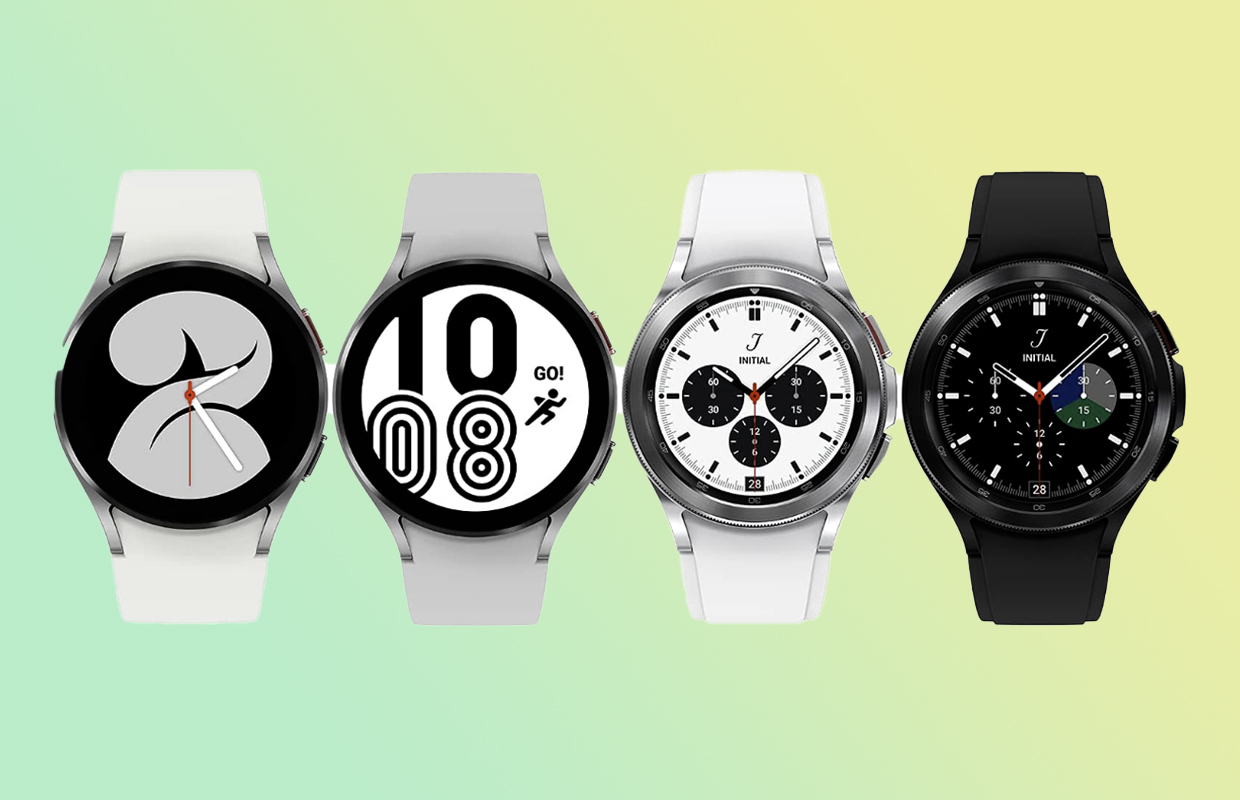
In addition to the two foldable smartphones, you can also look forward to the Galaxy Watch 4 and the Galaxy Buds 2.
How To Watch The Samsung Galaxy Unpacked Event
The Samsung Galaxy Unpacked event will be accessible only to online viewers, and you’ll be able to tune it either directly from Samsung.com or on YouTube.





News
Microsoft Plans $10 Billion-Plus Gulf Expansion Despite Iran Conflict
Security is shaping Microsoft’s approach, from resilience work with governments to what it will say about how the money splits by country.

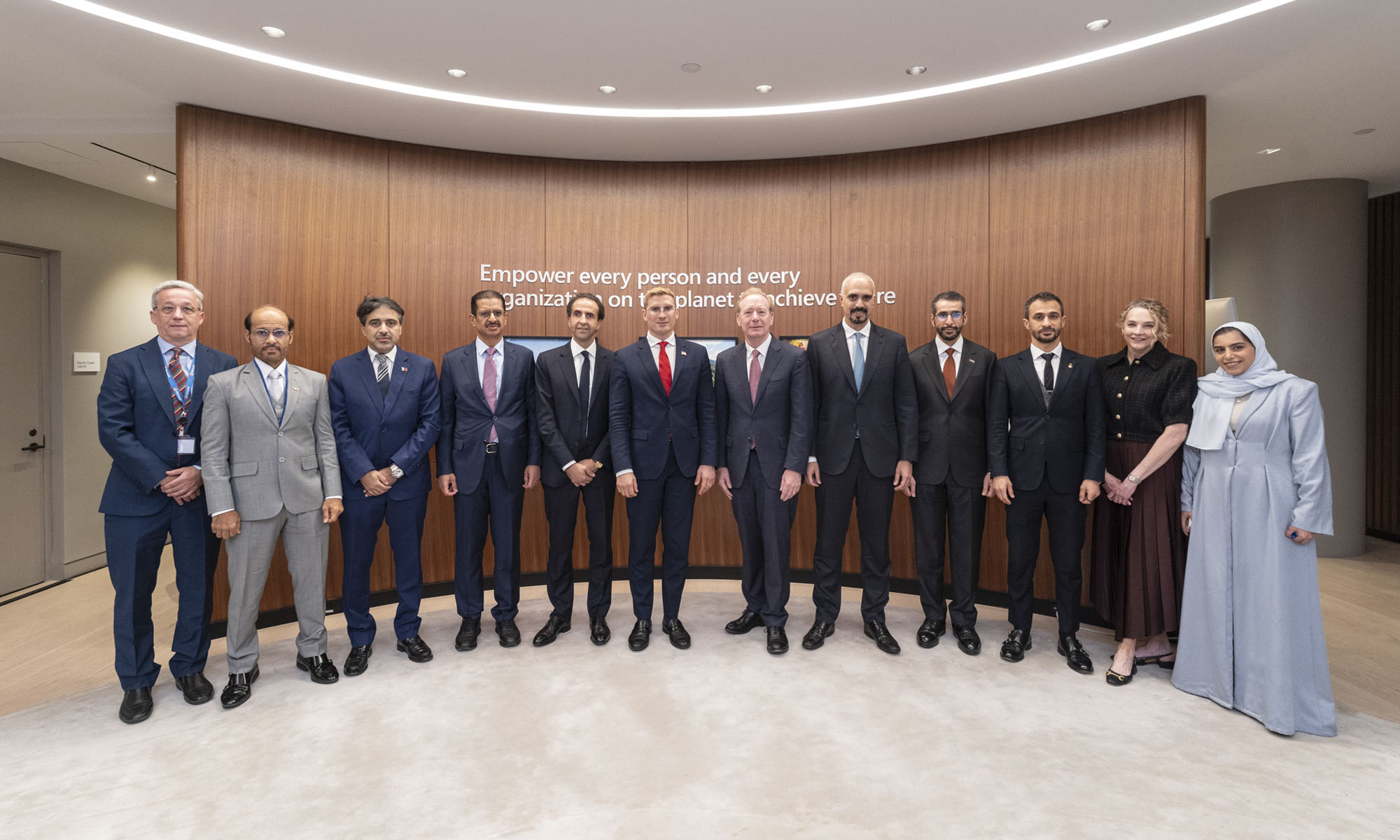
Microsoft is planning more than $10 billion of investment across the UAE, Saudi Arabia, Qatar and Kuwait through 2030, Vice Chair and President Brad Smith told Reuters, calling the spending schedule aggressive. The Iranian conflict that began on February 28 has not persuaded the company to scale back.
“We’re sustaining all the investments we planned to make before this conflict started, and we are in fact adding to them,” Smith said. The $10 billion-plus total does not, however, show how large those additions are.
The investment, which Smith described as part of Microsoft’s continued infrastructure expansion, is aimed at cloud and AI infrastructure and at the company’s growing regional operations. Microsoft also intends to put more than $400 million into subsea and terrestrial connectivity across the Middle East by 2030.
The spending fits the region’s own ambitions too. Gulf governments have been investing heavily in AI infrastructure as part of a push to diversify their economies beyond oil and gas and turn themselves into global technology hubs. Major cloud and AI providers have been drawn in part by the land and relatively low-cost energy on offer.
Microsoft is widening its partnerships with regional AI companies, though not on identical terms. In 2024, it invested $1.5 billion in Abu Dhabi-based G42 for a minority stake, and Smith currently sits on G42’s board. Saudi Arabia’s Humain and Qatar’s Qai are working with Microsoft on selected priority areas, but Smith said the company does not plan to make capital investments in either.
Also Read: Egypt’s Mobile Wallets Are Booming, But Cash Still Has Power
The conflict has added another strand to Microsoft’s work in the region. Since it began, Smith said, the company has supported regional partners with digital resilience assessments, and it is now working with Gulf countries through a digital resilience initiative focused on preparedness and the protection of critical data.
So far, the company has given no country-by-country breakdown of the investment, citing security among other factors. So while the headline figure is public, how Microsoft divides the spending among the four countries is not.

Microsoft Plans $10 Billion-Plus Gulf Expansion Despite Iran Conflict

In Kuwait, Your Surgeon Might Be Operating From Another Country

Qatar Folds 45 State Companies Into A Single Investment Platform

Trip.com Is Betting An AI Agent Will Book Your Next Vacation

Meta’s New $499 Plan Puts A Price On Reaching A Real Person

Apple’s First Folding iPhone Arrives Late To A Shrinking Market
Trip.com Is Betting An AI Agent Will Book Your Next Vacation

Egypt’s Mobile Wallets Are Booming, But Cash Still Has Power

OKX Bets Streaming Perks Can Take Crypto Mainstream Across MENA

Musk’s Boring Company Wants To Dig 150 KM Of Tunnel Under The UAE


-
 News3 weeks ago
Apple’s First Folding iPhone Arrives Late To A Shrinking Market
-
 News2 weeks ago
Trip.com Is Betting An AI Agent Will Book Your Next Vacation
-
 News2 weeks ago
Egypt’s Mobile Wallets Are Booming, But Cash Still Has Power
-
 News2 weeks ago
OKX Bets Streaming Perks Can Take Crypto Mainstream Across MENA