
News
New Variants Of Android Spyware Are Targeting Middle East Users
Sophos recommends Android users to never install apps from untrusted sources and avoid ignoring available OS and app updates.


British security software and hardware company Sophos has recently revealed that new variants of Android spyware used by the C-23 group are actively targeting users in the Middle East.
C-23, also known as GnatSpy, FrozenCell, or VAMP, is what cybersecurity professionals refer to as an advanced persistent threat (APT) adversary. Such adversaries are typically well-funded and well-organized, which allows them to quickly evolve their tactics to overcome even the most sophisticated cybersecurity defenses.
The C-23 adversary has been known for targeting individuals in the Middle East since at least 2017, with a particular focus on the Palestinian territories.
The latest variants of its Android spyware are most likely distributed via a download link sent to victims as text messages. The link leads to a malicious app that pretends to install legitimate updates on the victim’s mobile device. When the app is launched for the first time, it requests a number of permissions that let it spy on the victim. It then disguises itself to make removal more difficult.
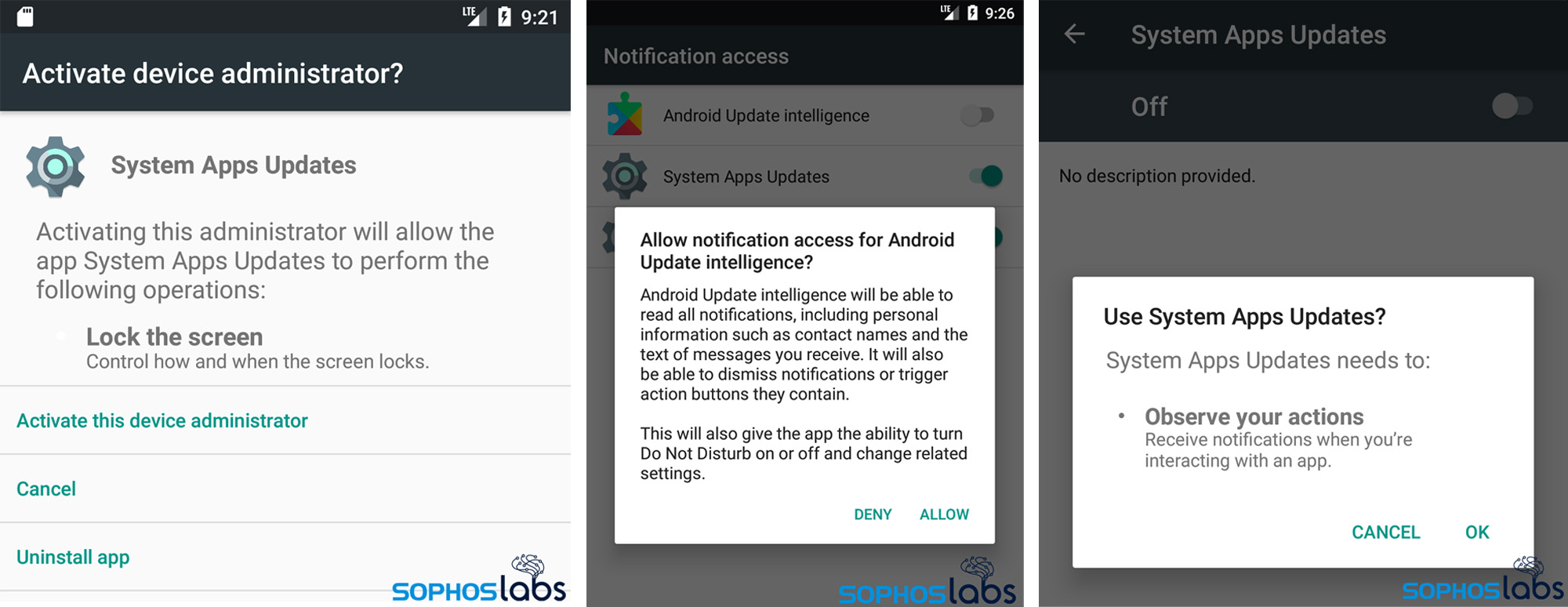
“The new variants use more, and more varied, disguises than previous versions, hiding behind popular app icons such as Chrome, Google, Google Play, YouTube, or the BOTIM voice-over-IP service” explain Sophos. “If targets click a fraudulent icon, the spyware launches the legitimate version of the app, while maintaining surveillance in the background”.
Also Read: Dubai Establishes $272 Million Future District Fund To Attract Tech Companies
The information the new spyware can steal includes everything from text messages to the names of installed apps to contacts from all kinds of apps, including Facebook and WhatsApp. The spyware can even dismiss notifications and toggle “Do Not Disturb” settings.
Sophos recommends Android users to never install apps from untrusted sources and avoid ignoring available OS and app updates. The company’s own mobile antivirus app, called Sophos Intercept X for Mobile, can detect the new spyware as well as all kinds of other malicious software.



News
NEOPAY Wants To Follow Merchants Across Channels And Borders
A controlling 65% stake in noon payments would give NEOPAY access to marketplace sellers, online merchants and the payment flows they generate.

It’s been a long time since checkouts were single defined places. A merchant might take payments at a physical register, on its own website and through an online marketplace, sometimes in more than one country. NEOPAY wants to follow those transactions wherever they happen.
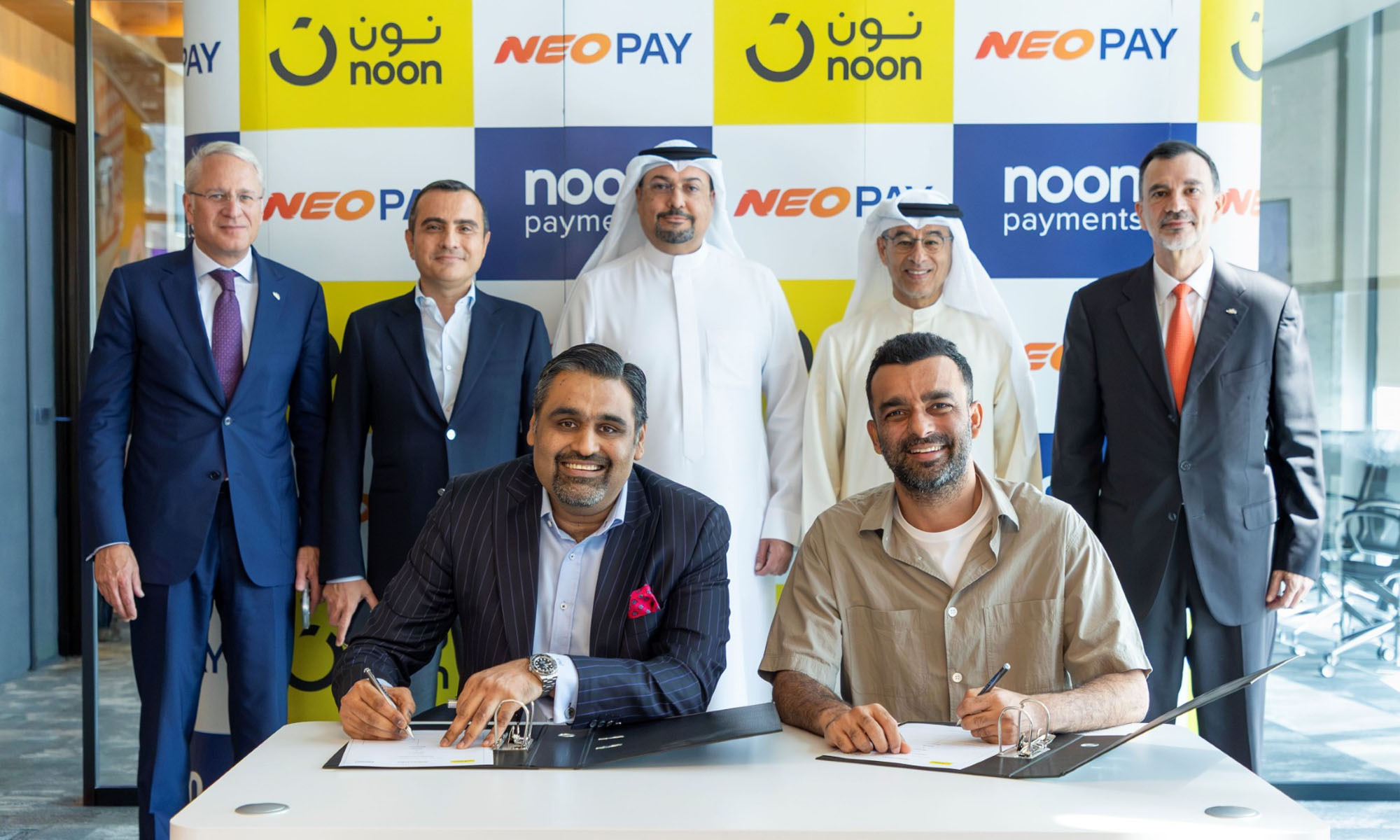
The UAE payments company has entered into an agreement to acquire a 65% controlling stake in noon payments. NEOPAY already runs the acquiring infrastructure that lets merchants accept card payments, along with omnichannel acceptance and a merchant services platform. This new deal would add noon payments’ embedded payments platform, e-commerce gateway and merchant network across the UAE, Saudi Arabia and Egypt. That would considerably expand both NEOPAY’s digital commerce capabilities and its regional reach.
For merchants, the attraction is a single provider for online and in-store payments, plus faster settlements, data and analytics, and value-added financial services.
“Payments should be simple, reliable, and built for the markets they serve,” said Faraz Khalid, CEO of noon. His counterpart at NEOPAY, Vibhor Mundhada, added: “We have built a strong payments business in the UAE, and our ambition is now to take that capability across the region”. The acquisition, Mundhada added, would “expand our footprint into Saudi Arabia and Egypt” while reinforcing NEOPAY’s position at home.
Also Read: In Kuwait, Your Surgeon Might Be Operating From Another Country
NEOPAY is also keen to point out potential payment volume increases. The company says noon payments’ integrations with marketplace sellers and online merchants create high transaction density in some of the region’s fastest-growing digital commerce segments. It also believes control of the business would give it access to those merchant relationships and payment flows, and speed up the rollout of alternative payment methods and installment options.
The combined roadmap targets faster merchant onboarding, better payment performance, tighter fraud controls and embedded financial services. The deal could also strengthen cross-border payments and settlement along key regional commerce corridors.

NEOPAY Wants To Follow Merchants Across Channels And Borders

RØDE’s Low-Profile Studio Arm Is Designed To Stay Out Of Shot

Microsoft Plans $10 Billion-Plus Gulf Expansion Despite Iran Conflict

In Kuwait, Your Surgeon Might Be Operating From Another Country

Qatar Folds 45 State Companies Into A Single Investment Platform

Trip.com Is Betting An AI Agent Will Book Your Next Vacation

Apple’s First Folding iPhone Arrives Late To A Shrinking Market

Egypt’s Mobile Wallets Are Booming, But Cash Still Has Power

Musk’s Boring Company Wants To Dig 150 KM Of Tunnel Under The UAE

OKX Bets Streaming Perks Can Take Crypto Mainstream Across MENA


-
 News3 weeks ago
Trip.com Is Betting An AI Agent Will Book Your Next Vacation
-
 News3 weeks ago
Egypt’s Mobile Wallets Are Booming, But Cash Still Has Power
-
 News3 weeks ago
Musk’s Boring Company Wants To Dig 150 KM Of Tunnel Under The UAE
-
 News3 weeks ago
OKX Bets Streaming Perks Can Take Crypto Mainstream Across MENA