
News
Saudi Firm Launches World’s First Handheld Ultrasound Device
Abdul Latif Jameel Health has partnered with Butterfly Network to bring the world’s first handheld, single-probe, complete body ultrasound system to the MENA region.

In many parts of the world, access to well-equipped healthcare facilities is greatly limited. Healthcare professionals often have to travel long distances to see their patients, and they can’t bring with them most of the equipment they have access to in hospitals. Without it, making the right decisions in difficult medical situations can be extremely challenging.
The good news is that a new generation of medical devices is making advanced capabilities available in a variety of portable form-factors, much like modern smartphones can perform many of the tasks that could traditionally be performed only on large desktop computers.
Now, Abdul Latif Jameel Health has partnered with Butterfly Network to bring the world’s first handheld, single-probe, complete body ultrasound system to the Middle East, North Africa, Turkey, and India.
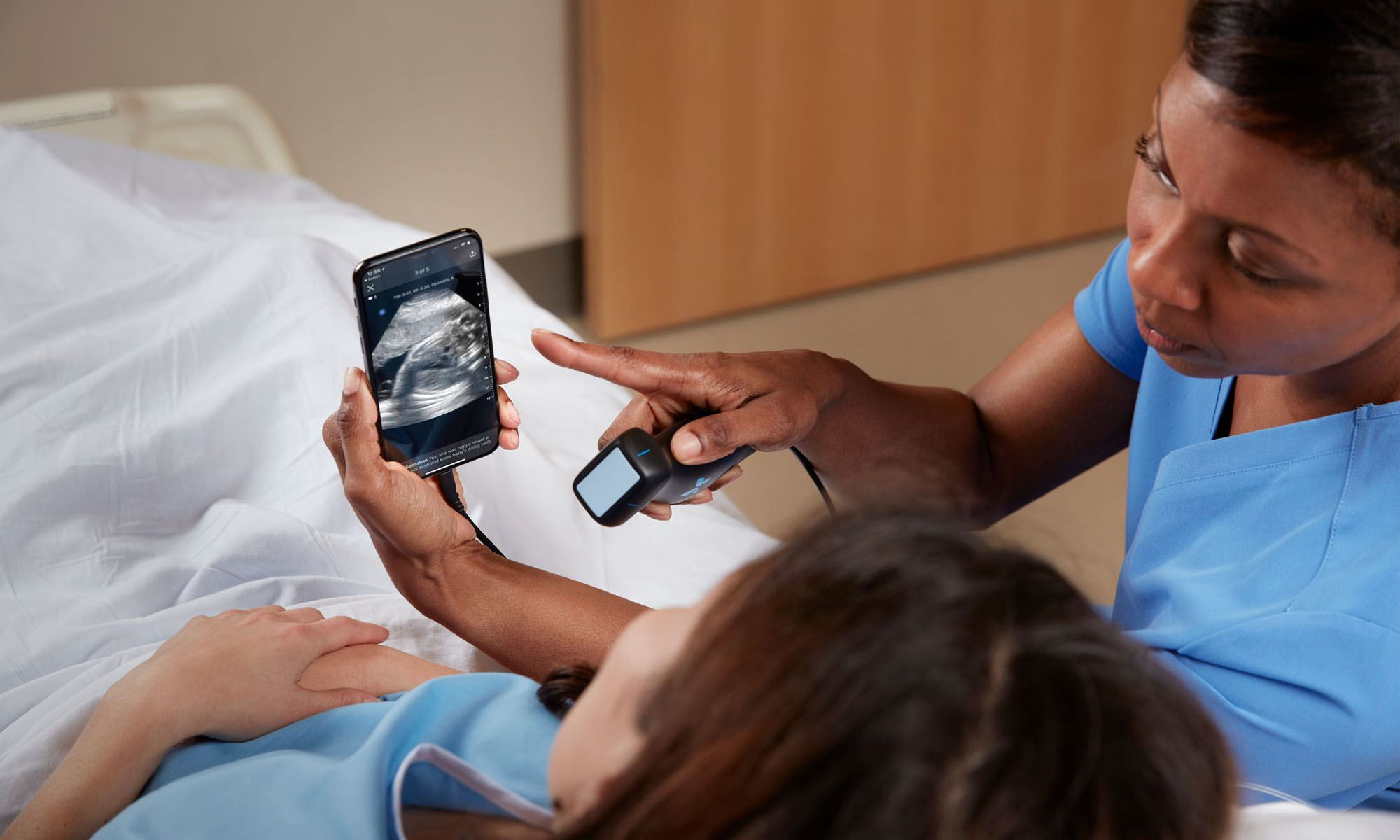
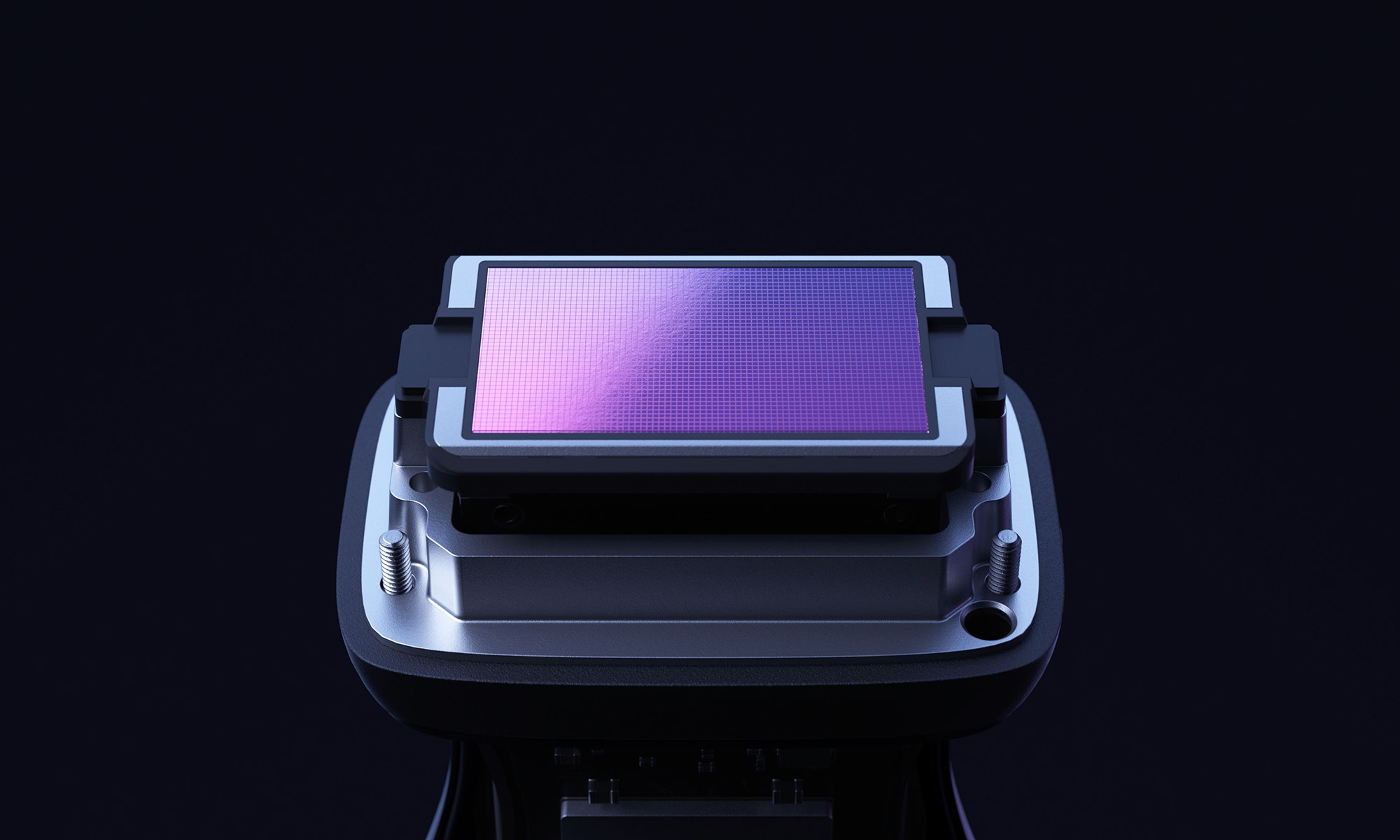
Called Butterfly iQ+, the compact ultrasound system consists of three pieces: a probe with a patented on-chip digital micro-beaming technology and optimized electronics with power-efficient FPGA, a compatible iOS or Android mobile device to which the probe connects to, and the Butterfly iQ+ mobile application.
“The capabilities of this innovative, portable and versatile handheld ultrasound solution know no bounds, and we are committed to delivering this technology to serve more than 2 billion people” said Dr. Akram Bouchenaki, Chief Executive Officer, Abdul Latif Jameel Health.
Also Read: Mobile App Helps Turkish Women Fight Domestic Violence
Because the ultrasound system provides sharp imaging with true-to-form color flow, 3D visualizations, cloud storage, and other advanced capabilities without taking up much space or requiring too much power, it was selected to provide medical imaging on the International Space Station. An earlier version of the device was delivered as part of the 22nd SpaceX Dragon cargo resupply payload in June 2021.
Hopefully, Butterfly iQ+ will soon be helping healthcare professionals address all kinds of health issues that people young and old experience not just in space but also in some of the poorest regions here on Earth.




News
Abu Dhabi’s Robot Kitchen Is Serving Up Biryani, Not Burgers
Circus SE wants to put a tiny automated factory inside the buildings where Gulf residents live and work, bypassing part of last-mile delivery.

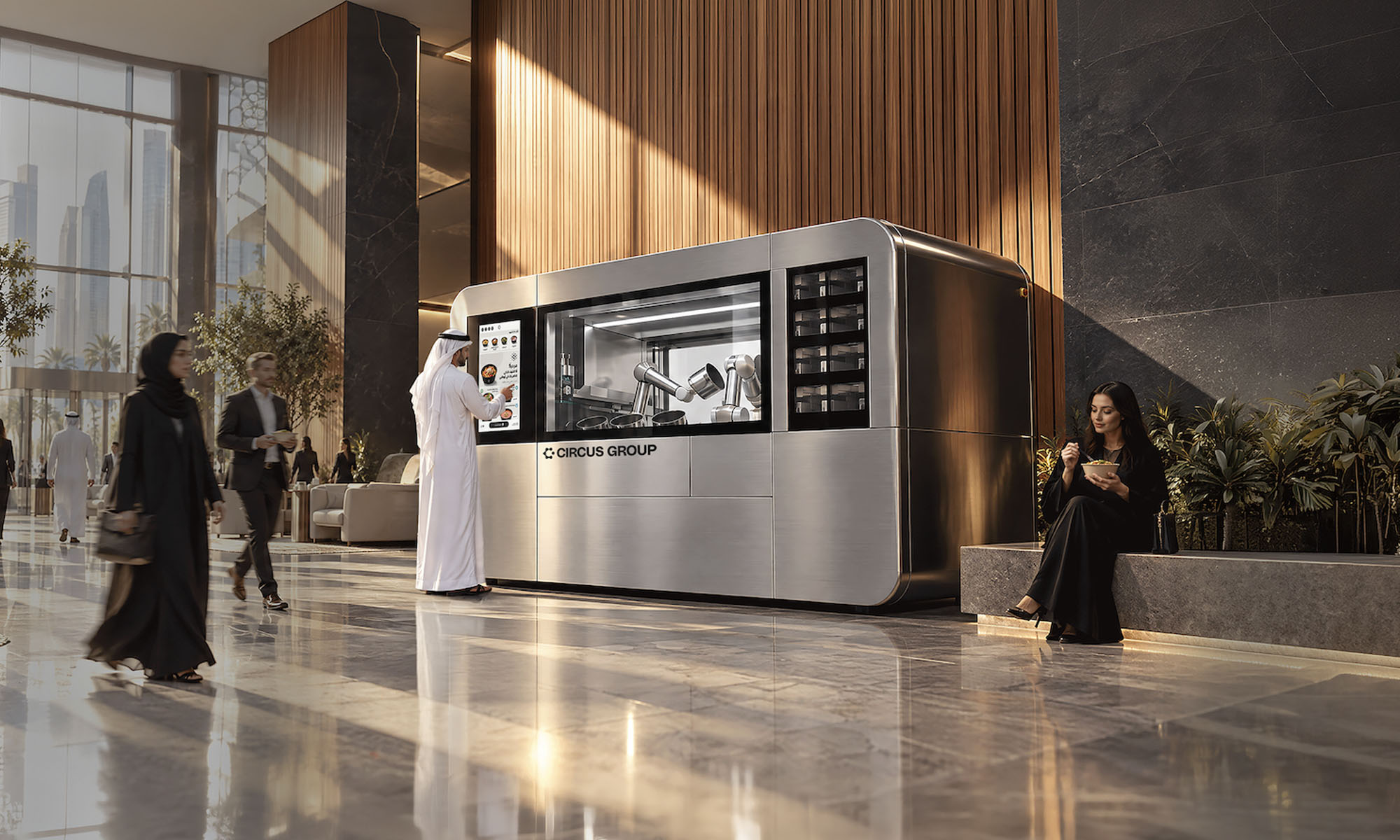
The most telling thing about a new autonomous kitchen now running in Abu Dhabi’s Marina Square is what it won’t cook:
“We don’t do fast food,” says Nikolas Bullwinkel, Founder and CEO of Circus SE. “We’ve actively decided not to build a machine that can only do burgers”.
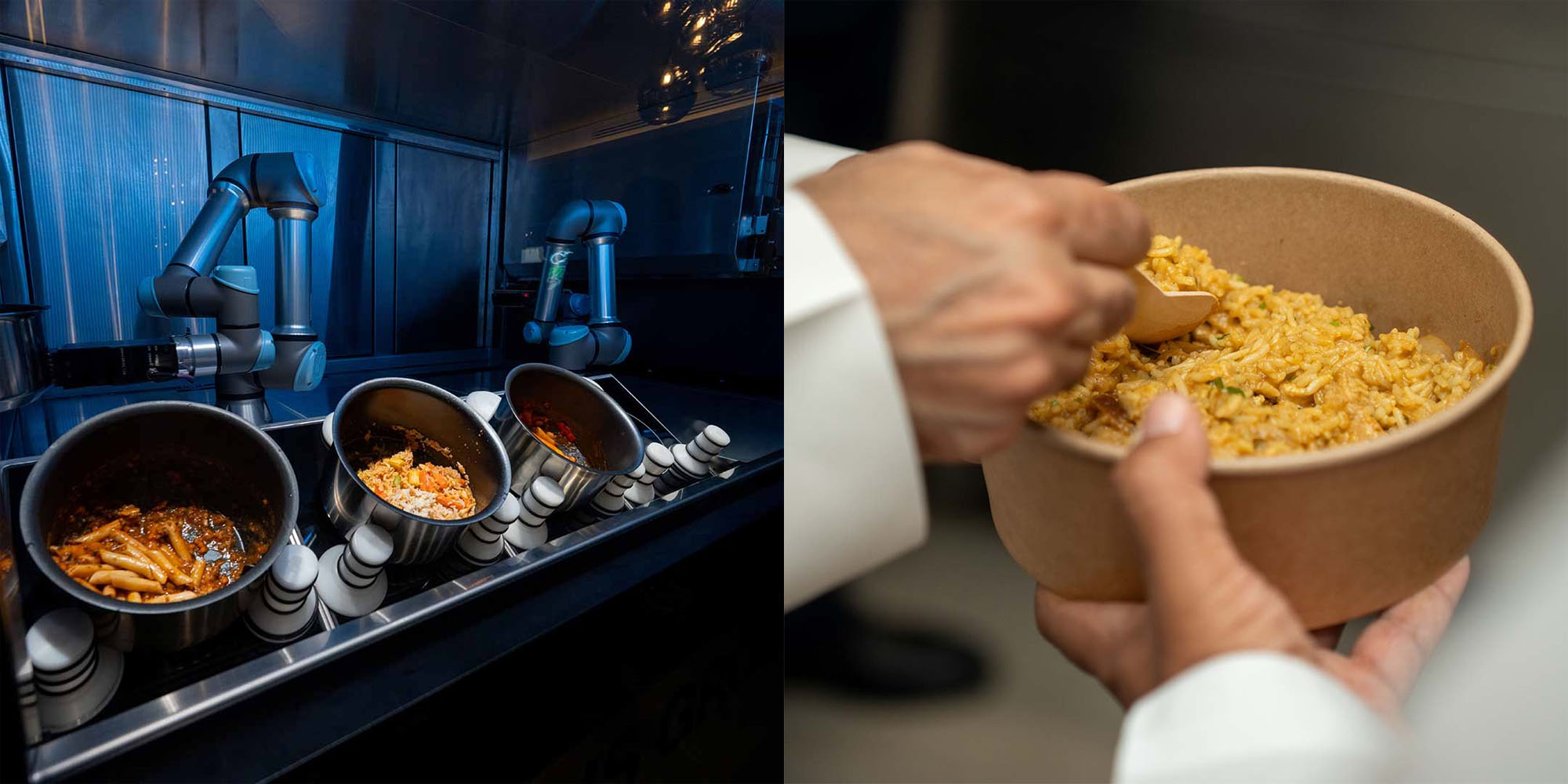
Instead, the CA-1 system is built around pot-based cooking: curries, pastas, soups and rice dishes. After experimenting with highly personalized recipes, Circus deliberately leaned back toward recognizable food. “We’re going with a chicken biryani because you know it,” Bullwinkel says of the AED 40 dish.
The Germany-based robotics and food technology company operates across eight countries, and Abu Dhabi is its first deployment outside Europe. More locations are expected there and in Dubai.
In Germany, its units can be placed in supermarkets, gas stations, airports and hospitals. In the Gulf, Bullwinkel wants them inside residential and office buildings, replacing some of the complexity of last-mile delivery. “We’re basically bringing a very tiny factory a few square meters into your building,” he says. Catering company Royal Prestige supplies the ingredients and knowledge of local tastes.
The CA-1 manages up to 36 refrigerated ingredient silos alongside automated induction cooking, robotic plating and a self-cleaning dishwasher. Two robotic arms move ingredients through the system with minimal human intervention. It can produce up to 120 hot meals an hour, and a meal such as rice and curry can take around three to four minutes.
Also Read: Ooredoo Qatar’s 5G+ Network Is Built For Machines As Much As People
Five cameras and multiple sensors monitor heat, temperature and consistency, an attempt to approximate what a chef perceives. “You can hear something gets burned, you can smell it, you can see it at some point,” Bullwinkel says. CircusOS, the company’s operating system, adjusts recipes in real time.
You might think of the platform as a threat to kitchen staff, but Bullwinkel frames Circus as a way for chefs to develop recipes and distribute them at scale. With that being said, rising labor costs and shortages are also part of his case for automation.

Abu Dhabi’s Robot Kitchen Is Serving Up Biryani, Not Burgers

Sennheiser’s MOMENTUM 5 Series Bets On Batteries You Can Swap

UAE’s 3-Minute University Registration Runs On Government Data

How Online Ads Became A Delivery System For Zero-Click Spyware

Shokz OpenDots 2 Review: Clip-On Audio Gets A Bass-Heavy Makeover

Dubai Says Its Deepfake Detector Needs Just 7 Seconds Of Video

New Disney+ Streaming App Has Officially Launched In The UAE

NEOPAY Wants To Follow Merchants Across Channels And Borders

RØDE’s Low-Profile Studio Arm Is Designed To Stay Out Of Shot

G42’s Inception42 Wants AI To Show Its Work Before Investors Commit


-
 News3 weeks ago
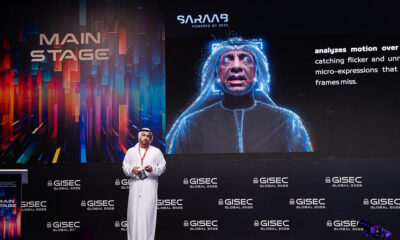
Dubai Says Its Deepfake Detector Needs Just 7 Seconds Of Video
-
 News3 weeks ago
New Disney+ Streaming App Has Officially Launched In The UAE
-
 News3 weeks ago
NEOPAY Wants To Follow Merchants Across Channels And Borders
-
 News4 weeks ago
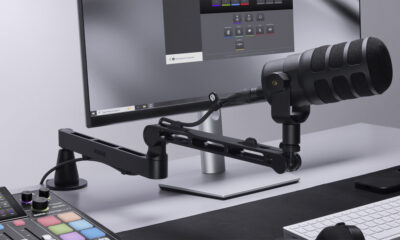
RØDE’s Low-Profile Studio Arm Is Designed To Stay Out Of Shot